

What L’Oréal’s 2026 VivaTech Presentation Says About the Future of Personalized Beauty
From skin analysis to hair digital twins, scalp scans, longevity skincare and AI beauty assistants, L’Oréal is moving beauty tech from the lab into the routine.
CREDITS: L’ORÉAL GROUP
Every year, L’Oréal Group opens VivaTech with a press conference that gives an early read on where beauty may be going next.
I attended this year’s presentation, held at the opening of VivaTech 2026. As always, it was not only a list of announcements. It was a way of seeing what the world’s largest beauty group believes consumers will need next, and how beauty may change around them.
This year, the message was clear: beauty tech is getting closer to the consumer.
Not only in the form of apps or connected devices, but across the full routine: how we understand our skin, how we choose products, how we care for our scalp, how we style hair, how we think about aging, and how we receive advice.
For years, beauty has promised personalization. But in reality, much of the consumer journey still depends on guessing. We identify a concern. We read reviews. We try a product. We adjust. We buy another one. Sometimes it works. Sometimes it does not.
L’Oréal’s VivaTech presentation pointed to another model: a beauty routine supported by better readings.
If this article resonated, come inside the Future of Skincare newsletter on Substack. Beauty Signals is the deeper layer within it, weekly patterns where skincare meets culture, for skin intellectuals, beauty anthropologists, and the cosmetics curious. Read the opening free, full access at latte with me level.
Beauty has a choice problem
CREDITS: L’ORÉAL GROUP
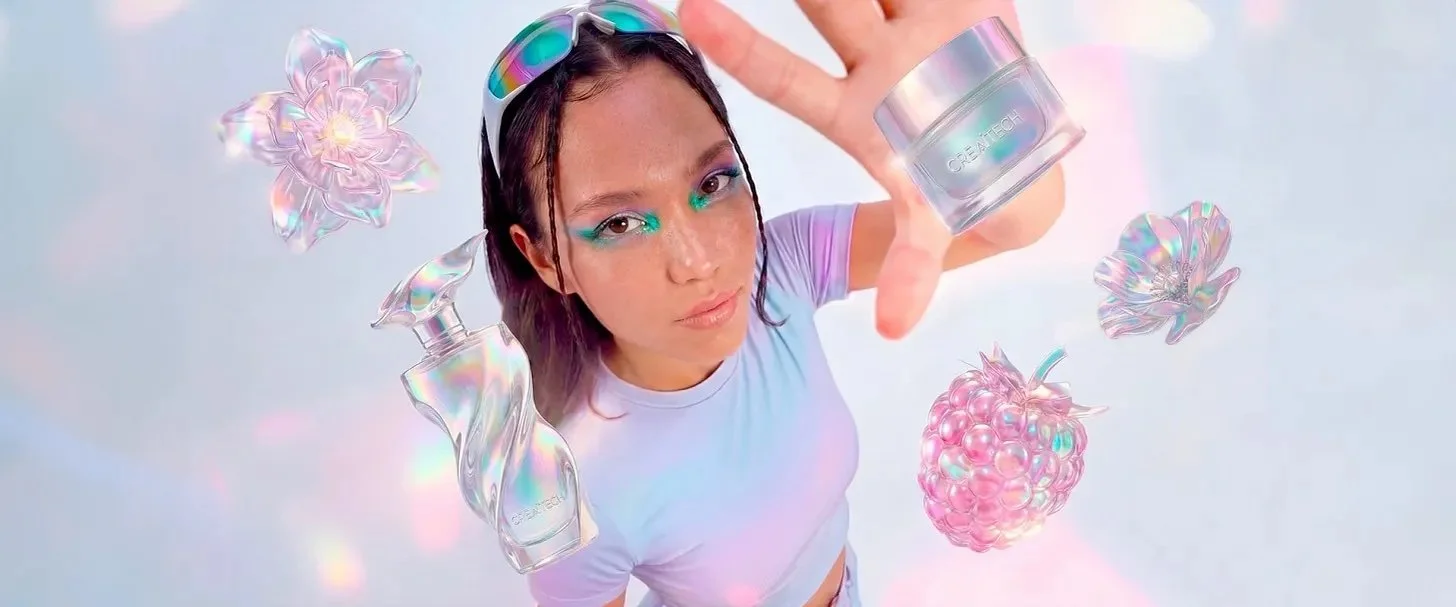
One of the strongest points in the presentation was simple: consumers are overwhelmed.
According to L’Oréal, 70% of consumers today feel overwhelmed by the number of beauty choices available, and nine out of ten women struggle to find skincare that actually works for them.
That is not surprising. The beauty market has never been more full. More products, more actives, more routines, more expert advice, more creator recommendations, more ingredient conversations, more before-and-afters, more opinions.
The issue is no longer access to information. The issue is interpretation.
A consumer may know about retinol, peptides, niacinamide, exfoliating acids, barrier repair, SPF, scalp serums, bond repair, microbiome care and LED masks. But knowing the words does not always mean knowing what is right for their skin, hair or scalp at a specific moment.
This is where beauty tech becomes interesting when it is actually useful. Not as a futuristic layer. Not as a gadget. But as a way to help people make better choices.
Skin analysis moves from novelty to routine
CREDITS: L’ORÉAL GROUP
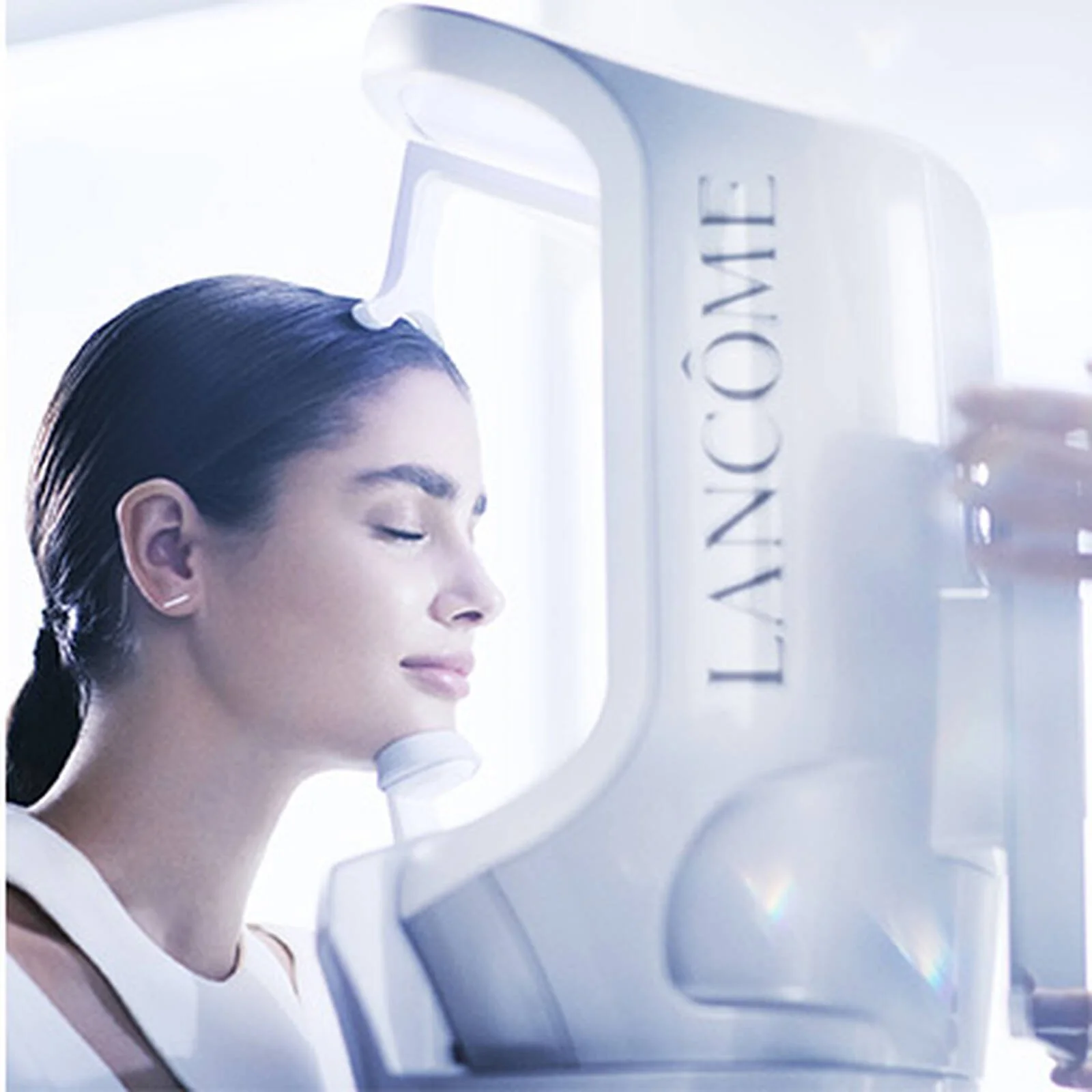
L’Oréal presented Lancôme Skin Screen as one of its key consumer-facing technologies. The service uses tripolarized light and AI-powered analysis to measure 12 clinical signs and help customize a skincare routine. According to L’Oréal, it has already completed more than one million diagnostics this year. That number matters because it suggests that skin analysis is no longer only an event or a retail animation. It is becoming part of how a brand can guide product choice.
The online version of this logic is eSkin Expert, trained on 25,000 clinically graded photos. The promise is clear: instead of asking consumers to describe their skin in broad categories such as dry, oily, sensitive, mature or combination, these tools try to read visible signs more precisely.
That matters because most people are not wrong about their skin, but they often lack the right language. A person may say their skin looks tired. The underlying issue may involve dehydration, texture, dullness, pigmentation, loss of firmness, irritation or barrier stress. A better reading can help translate a vague impression into a more useful recommendation. This is the consumer value of beauty tech: helping people move from “I think” to “I understand better.”
The next step: looking beneath the surface
CREDITS: L’ORÉAL GROUP
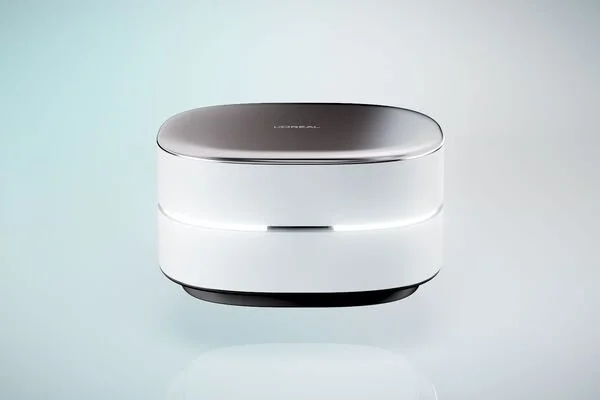
The more advanced part of L’Oréal’s presentation was biomarker testing. The group spoke about its work with NanoEntek, a Korean startup specialized in lab-on-a-chip microfluidics. As presented by L’Oréal, the technology uses a simple sample of skin cells to assess biomarkers beneath the skin. It can provide information on chronological age, biological age, pace of aging and future signs before they appear.
For consumers, this is a meaningful shift. Most beauty tools still look at what is already visible. This kind of testing tries to understand what may be starting earlier. It does not mean skincare can suddenly predict everything. It means that the category is moving toward a more preventive and precise relationship with skin.
The question becomes less: What problem do I already see? And more: What is my skin beginning to show? That is the foundation of predictive beauty.
Longevity skincare becomes more concrete
CREDITS: L’ORÉAL GROUP
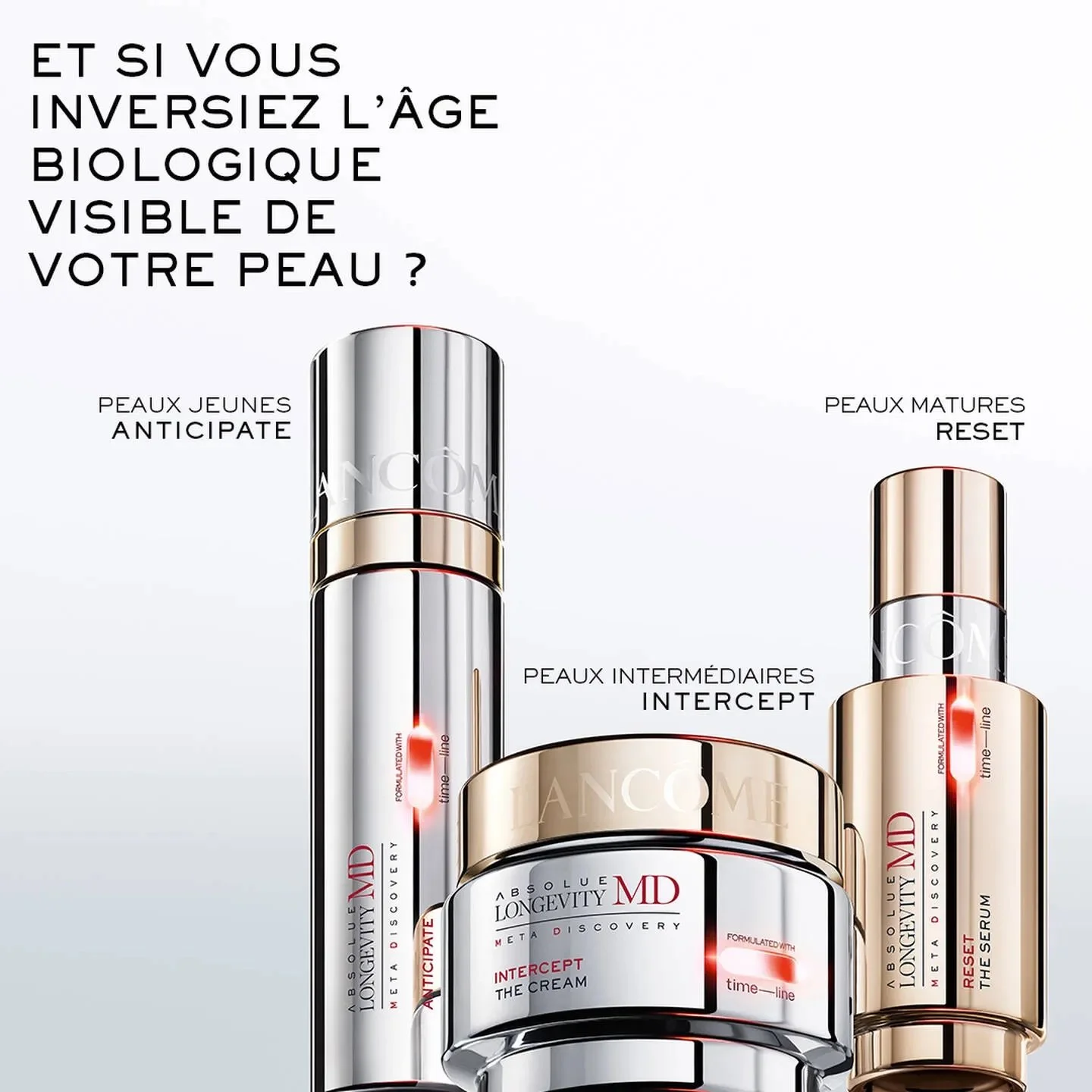
Longevity was one of the major themes of the conference. L’Oréal highlighted Lancôme Absolue Longevity MD, positioned around invisible signs of aging and the look of skin’s visible biological age. The range centers on MitoPure, a form of Urolithin A created by Timeline and presented around mitochondrial function.
This matters because longevity is no longer only a wellness or supplement conversation. It is entering skincare in a much more visible way. For consumers, this changes the language of aging. Classic anti-aging focused mainly on visible signs: wrinkles, firmness, radiance, spots, elasticity. Longevity skincare looks at the processes behind those signs: cellular energy, mitochondria, biomarkers, aging pathways, biological age.
This does not mean visible results disappear. People still want skin to look better, feel better and age well. But the explanation behind the routine becomes deeper. It also reflects something many consumers already understand intuitively: skin is connected to life. Sleep, stress, sun exposure, pollution, hormones, nutrition, inflammation and the microbiome all affect how skin behaves. The strongest version of longevity beauty is not about making aging feel like a defect. It is about giving people a better understanding of how skin changes over time, and how to support it earlier.
Haircare becomes more precise
CREDITS: L’ORÉAL GROUP
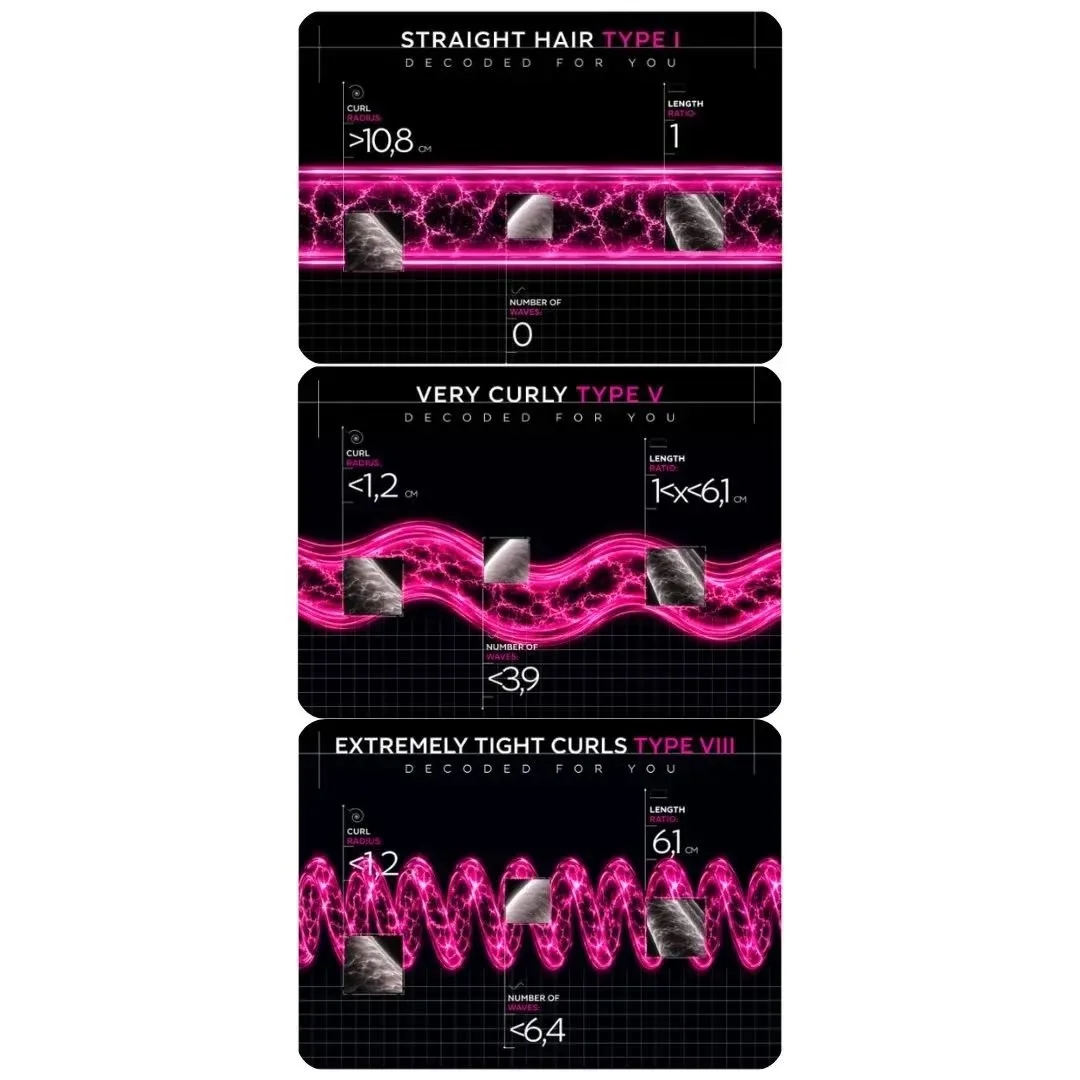
One of the most interesting innovations presented was hair digital twins. L’Oréal described them as AI-powered virtual models that simulate how molecules interact with different hair fibers. According to the group, these models operate at 100 times the level of detail of traditional testing. In 2025, L’Oréal said it virtually tested 300 new molecules, compared with around 10 molecules a year using older physical methods.
For consumers, the most important part is not the technical speed. It is what this could mean for better products. L’Oréal said it built eight models representing eight global hair types, from straight hair to extremely tightly coiled hair. The group also mapped the physical and protein-based characteristics of each texture.
That is important.Haircare has often been built around broad categories: dry, damaged, curly, colored, fine, frizzy, oily. But hair texture is more complex than a label. The way a molecule interacts with straight hair is not necessarily the same as the way it interacts with coily hair. Porosity, fiber structure, protein behavior and styling habits all matter.
By building different hair types into the testing model, L’Oréal is suggesting a more precise future for haircare. For the consumer, that could mean fewer formulas designed for an abstract average, and more products developed with different textures in mind from the start. This is where beauty tech can support inclusion in a practical way.
Scalp care gets serious
CREDITS: L’ORÉAL GROUP
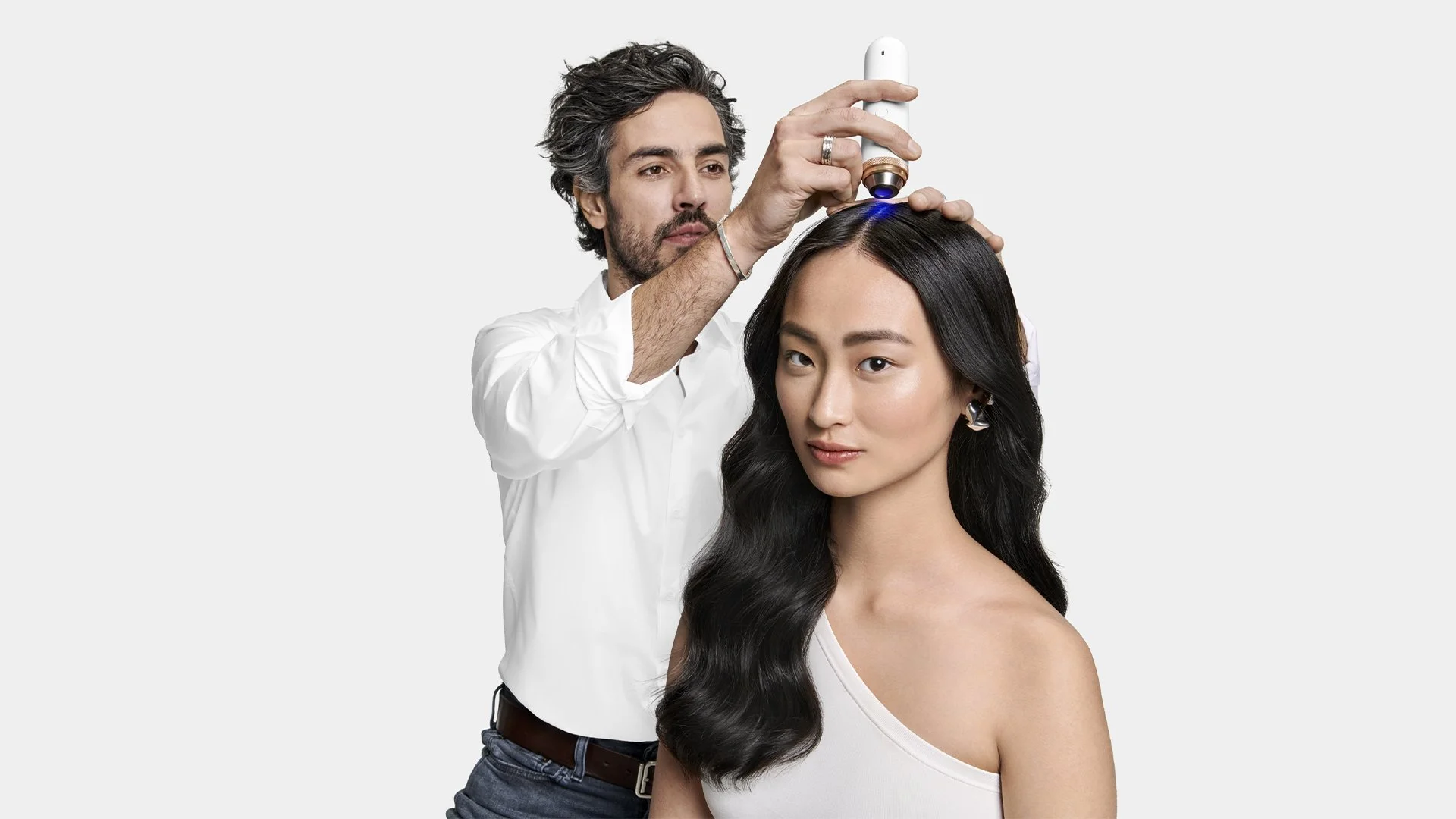
The scalp was another important consumer-facing territory. L’Oréal presented Kscan, developed with Kérastase, as a high-tech salon service using polarized and cross-polarized light to assess scalp signs such as redness and microbiome-related indicators. According to the group, it is being rolled out in 9,000 salons worldwide.
It also presented KStation, a five-in-one cabin service designed to deliver actives deeper and more effectively than at-home care. After treatment, the scalp can be scanned again to show visible changes. This is interesting because scalp care has often been difficult for consumers to understand.
People feel discomfort, oiliness, irritation, flaking, sensitivity or changes in density, but they do not always know what is happening. Is it the scalp barrier? The microbiome? Product buildup? Stress? Hormones? Over-washing? Inflammation? Styling damage?
A more precise scalp reading could help make scalp care less vague. It also changes the role of the salon. The salon is no longer only a place where hair is styled or transformed. It becomes a place where the scalp can be observed, treated and re-checked. That is a major shift for professional beauty.
Home devices become more professional
CREDITS: L’ORÉAL GROUP
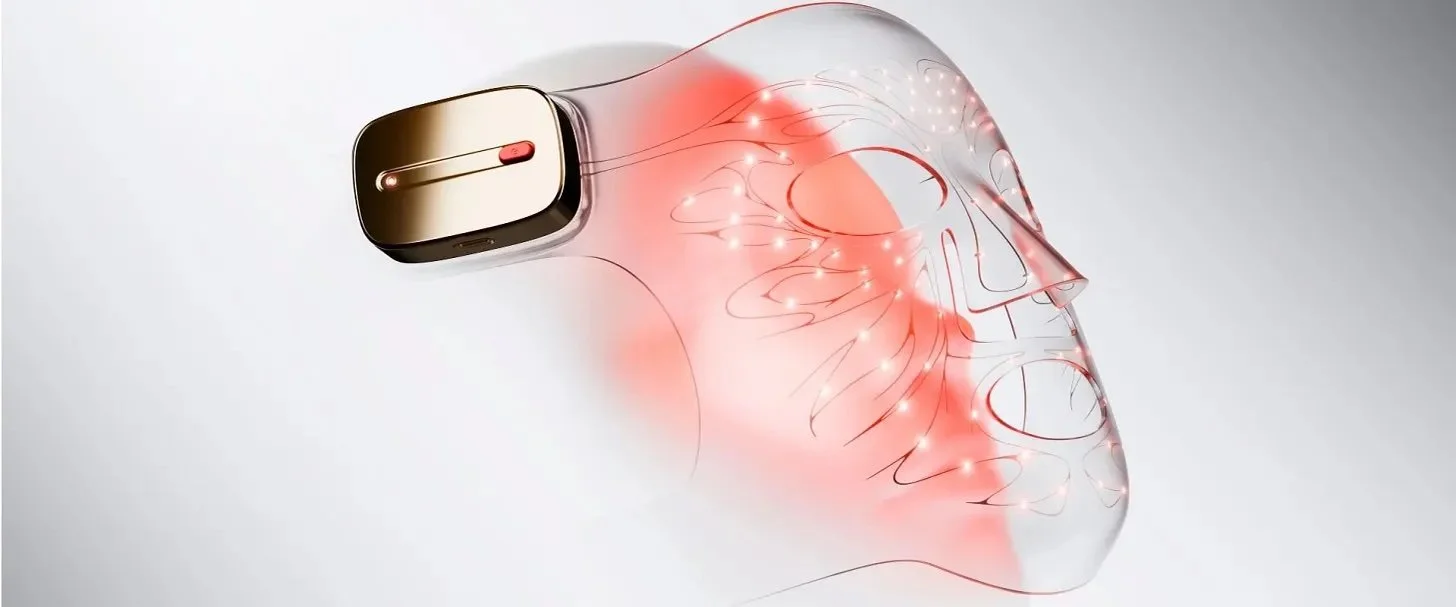
L’Oréal also presented several light-based innovations. With iSmart, the group introduced an ultra-thin transparent silicone LED mask with 200 multi-wavelength LEDs, designed to contour closely to the face and deliver professional-grade light therapy in a wearable format.
It also presented LightStraight and MultiStyler, a styling tool using patented near-infrared light to reshape hydrogen bonds in the hair with less heat than traditional stylers. According to L’Oréal, the tool operates 40 to 50°C lower than conventional tools that can reach 200°C, while making hair two times smoother and styling three times faster.
For consumers, both examples point to the same movement: technologies once associated with professional environments are moving closer to everyday use. This does not mean every bathroom will become a lab. But it does mean that beauty tools are becoming more sophisticated, and consumers are being asked to understand more about how they work.
Beauty advice becomes conversational
CREDITS: L’ORÉAL GROUP
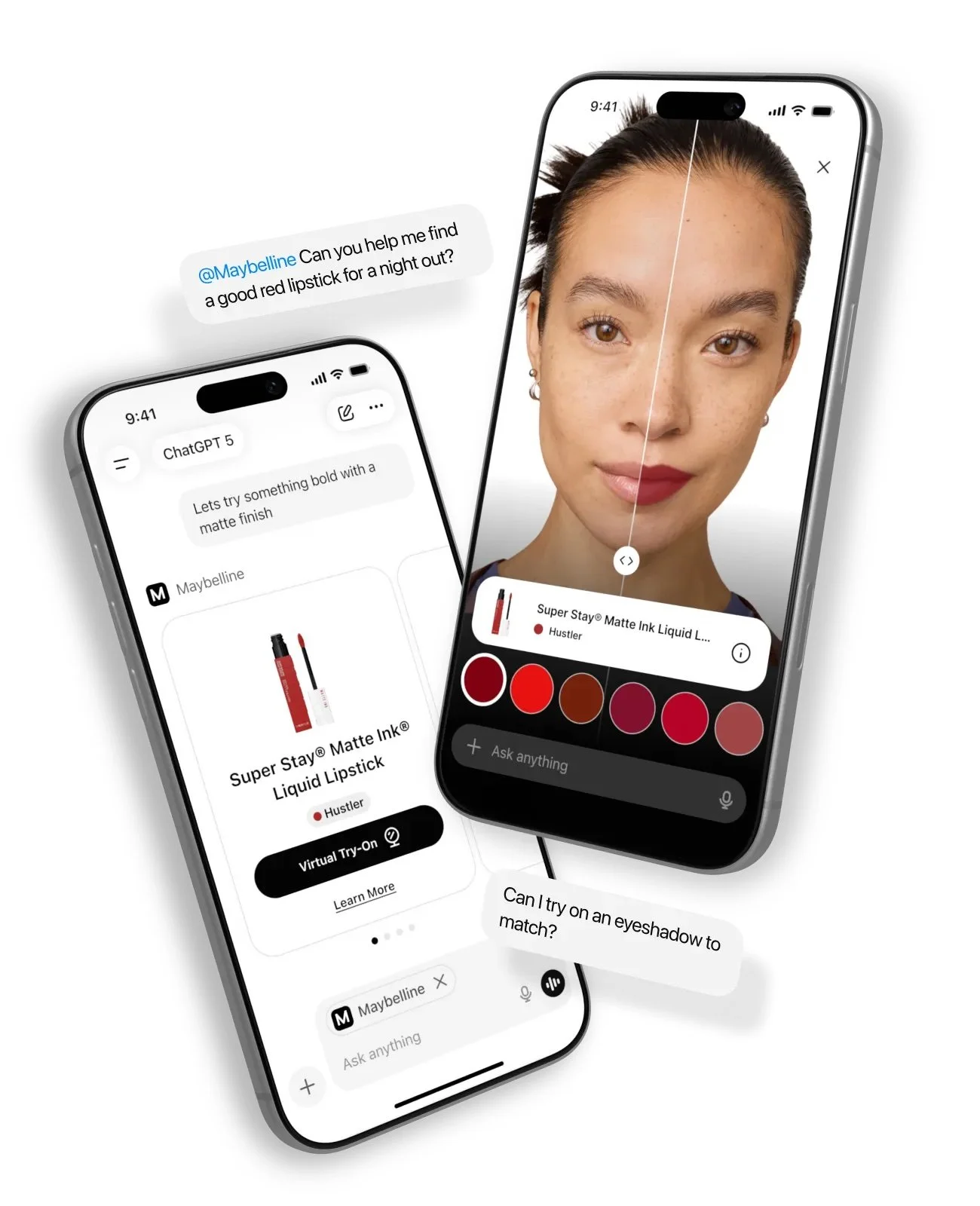
L’Oréal also spoke about AI-powered beauty services. The group mentioned Maybelline virtual try-on inside ChatGPT, SkinCeuticals site-based teleconsultation, YSL Beauty Consumer Care Agent, L’Oréal Paris Beauty Genius on WhatsApp, and Noli AI for skin goals.
This is important because beauty has always been conversational. People ask friends. They ask dermatologists. They ask hairdressers. They ask beauty advisors. They ask creators. They ask Google. They ask TikTok. Increasingly, they will ask AI assistants.
The consumer journey may shift from searching to asking. But beauty advice is only useful when it understands context. A generic answer is rarely enough. Skin sensitivity, hair texture, scalp condition, climate, budget, lifestyle, pregnancy, medication, product history, tolerance and goals all matter. The best AI beauty assistants will not simply recommend more products. They will help consumers understand their needs more clearly. That is the difference between beauty tech as sales tool and beauty tech as service.
Formulation becomes smarter before the product exists
CREDITS: L’ORÉAL GROUP
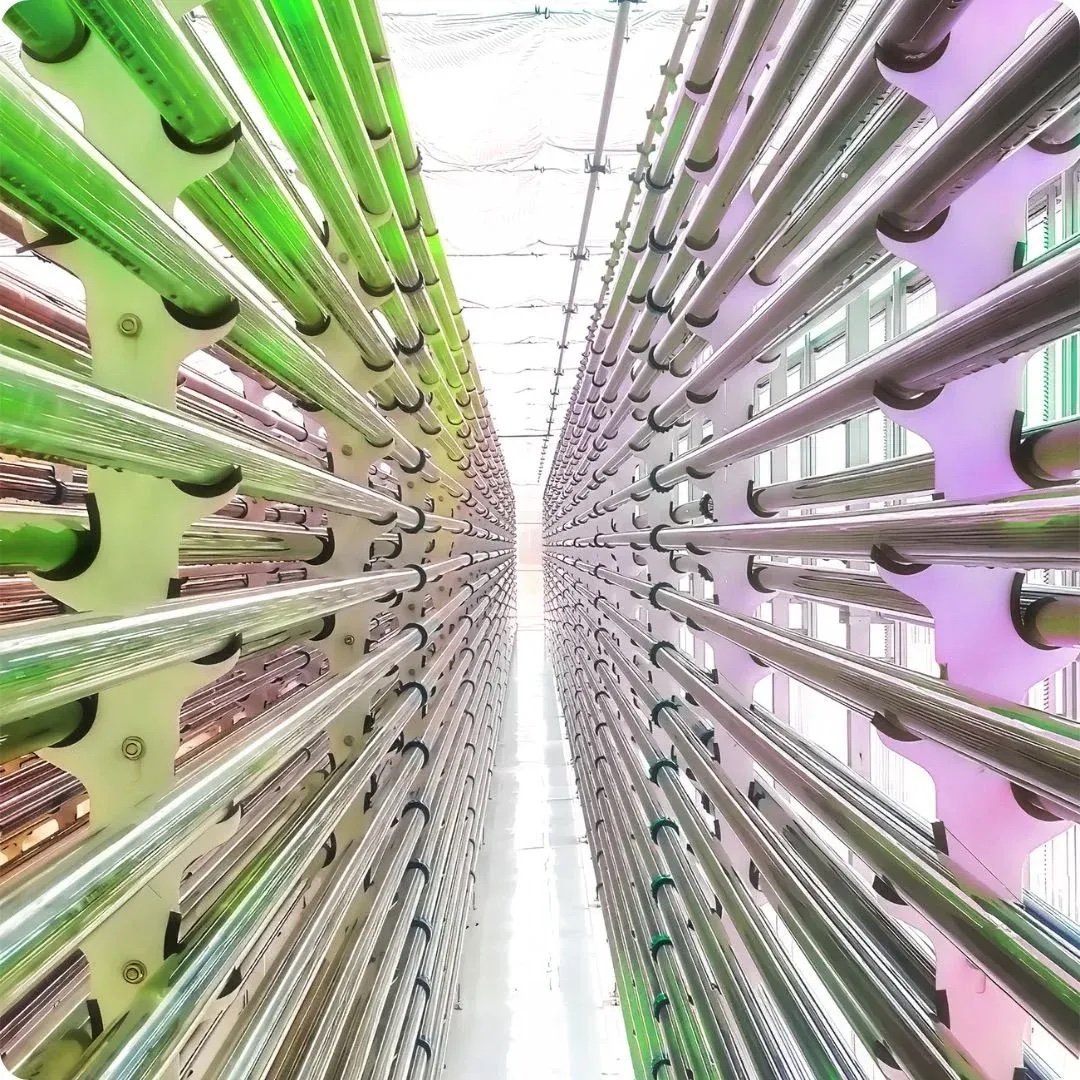
Although much of the presentation was consumer-facing, L’Oréal also showed how technology is changing the lab. With NVIDIA Alchemy, the group is using AI-powered molecular simulations to predict how ingredients behave at atomic scale before they are physically created. L’Oréal said this can accelerate discovery up to 100 times.
With IBM, the group is also building an AI formulation foundation model to help scientists create more innovative and sustainable formulas. A cleanser example made this concrete: L’Oréal said it tested thousands of virtual combinations, selected more than 250 physical options and delivered 30 winning formulas, reducing cost by 25% and development time by 40%.
For consumers, this matters because better formulation processes can eventually lead to better products: faster development, more targeted formulas, more sustainable ingredient choices and less unnecessary testing. The lab may feel far from the bathroom shelf. But in this new beauty tech model, the two are increasingly connected.
OpenAI and the new beauty journey
The major strategic announcement was L’Oréal’s collaboration with OpenAI.
L’Oréal presented OpenAI as a foundational partner across AI-powered métiers, from research to marketing, and AI-powered consumer journeys, from discovery to AI-native commerce.
The group also mentioned Anthropic, Google, Alibaba and Amazon as part of its wider AI and commerce ecosystem.
For consumers, the larger shift is clear: beauty discovery is becoming more conversational, more assisted and more personalized.
A consumer may not only browse a shelf, search a website or watch a tutorial. They may ask an AI assistant to compare products, explain a routine, understand an ingredient, analyze a concern or eventually help with purchase decisions.
This is still early, but the direction matters.
The next beauty counter may not only be physical. It may also be conversational.
The future of beauty is more assisted
The most important signal from L’Oréal’s 2026 VivaTech presentation was not one single product, device or partnership.
It was the move toward a more assisted beauty journey.
Beauty is becoming more readable. More precise. More guided. More connected between the lab, the counter, the salon, the device, the assistant and the routine.
This does not mean beauty becomes cold or purely technical.
Beauty will still be about texture, pleasure, identity, ritual, image and self-expression. A product still has to feel good. A routine still has to fit into real life. A service still has to be understandable. A recommendation still has to make sense to the person receiving it.
But the next layer of beauty is becoming clearer. Less trial and error. More interpretation.
Less generic advice. More context. Less one-size-fits-all. More precision.
At its best, beauty tech should not make consumers feel like they need to know everything.
It should help them understand themselves better.
