

As AI makes it possible to preview a change to our own faces, OVME’s CEO considers the role of personal taste, a practitioner’s eye, and the freedom to feel differently about aging over time.
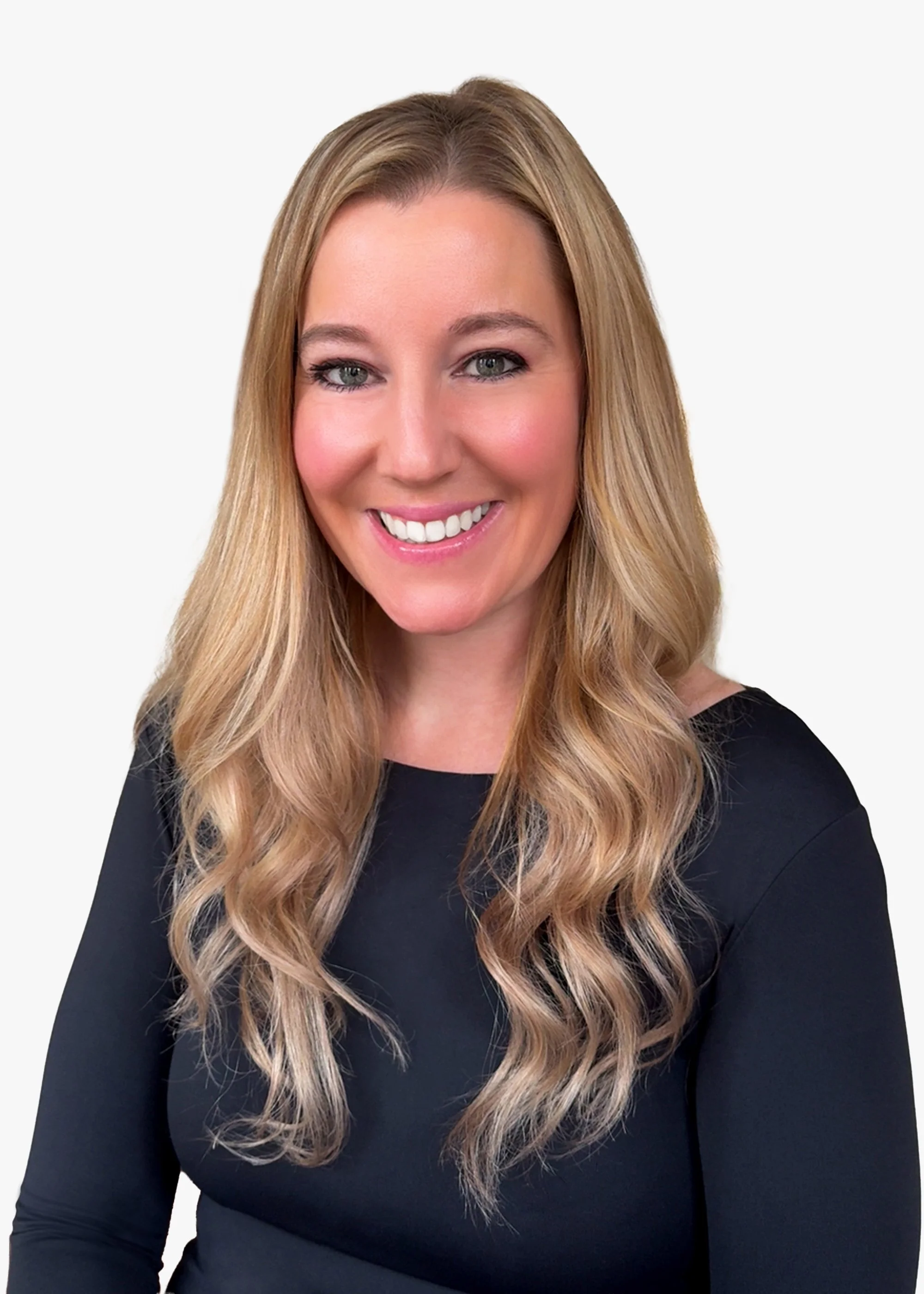
The before-and-after photograph tells a familiar story in medical aesthetics. Two portraits invite us to look for a difference. What they rarely tell us is which detail mattered to the person being photographed. With AI, the “after” can now come first. It’s possible to see a change in your own face while you’re still deciding how you feel about it. I wanted to explore that shift with Carrie Hershman, CEO of OVME, whose work gives her a close view of how people make those decisions.
OVME, pronounced “of me,” opened its first studio in Atlanta in 2018. Across its American studios, clients come in for facials, laser treatments, injectables, and advice on how to care for their skin at home. Carrie Hershman describes people who have followed a practitioner’s work well before booking an appointment. They may already know the treatment by name. What takes longer to learn is why it appealed to them, how they hope to look, and which expressions they want to keep.
There’s an interesting distinction in the way Carrie Hershman talks about images. At OVME, a practitioner and a client can sit down with VISIA photographs taken at different appointments and see changes in the skin that are hard to notice day to day. What excites her about AI is the chance to use an image to explore a preference. Being able to point to something you like, or something that feels unfamiliar, could give both people a more precise place to begin.
Read the conversation below.
If this article resonated, come inside the Future of Skincare newsletter on Substack. Beauty Signals is the deeper layer within it, weekly patterns where skincare meets culture, for skin intellectuals, beauty anthropologists, and the cosmetics curious. Read the opening free, full access at latte with me level.
For readers discovering OVME, could you introduce the company, what it offers, and the vision of beauty and care that guides it?
OVME is a medical aesthetics company offering injectables, skincare, laser treatments, and facials. We help people feel confident in their own skin, and how we care for them is just as important as the treatments we offer. For me, that starts with listening. What matters to this person? What are they hoping to achieve, and what questions or concerns do they have? Our teams are there to educate, offer thoughtful guidance, and build a plan that makes sense for that individual. I want our clients to feel heard, comfortable asking questions, and confident in the decisions they make with us. Our membership helps us build that relationship over time. It creates consistency in their care and gives us the opportunity to get to know them, understand how their goals evolve, and adjust their plan together. Beauty is personal. We’re not here to tell everyone what they should look like. We’re here to understand what feeling good in their own skin means to them and help them get there.
What drew you to medical aesthetics, and what continues to fascinate you about the relationship people have with their faces?
What drew me to medical aesthetics was the combination of people, confidence, and building a business that feels personal. I love developing teams, and in this industry, the way a team listens, builds trust, and makes someone feel cared for is just as important as the service itself. What continues to fascinate me is how personal our relationship with our face is. It’s what we see in the mirror every day and how we show up in the world, but no two people feel the same way about it. You can’t assume what someone wants to change or why it matters to them. You have to listen. There’s a lot of responsibility in being trusted with someone’s face, and I think that human connection is what makes this work so meaningful.
What is the most important conviction you bring to leading OVME, and how has it evolved through the people you have met along the way?
My strongest conviction is that the people delivering the experience are the foundation of the business. You can have a great strategy and great services, but you need a team that believes in what you’re building and knows they have the trust, direction, and support to do it well. That shows up in how they care for clients and each other. What has evolved for me is my understanding of what that support looks like. Different people need different things to be successful, and you can’t assume you know what those things are. You have to spend time with them, ask questions, listen to the answers, and be willing to adjust. Some of my most valuable lessons have come from the people in our studios doing the work every day. Those conversations influence how I lead. I care deeply about our team’s success, and I believe that means both showing people you believe in them and being clear about what you need from them.
Through your teams and clients, you have a particular view of changing beauty aspirations. What are you noticing today that you find especially interesting?
What I find interesting is how much of the conversation starts before a client ever walks through our doors. They may have followed a provider, watched treatments, and spent time learning about their options. They come in with ideas, but also questions, and that creates an opportunity for a really thoughtful conversation. I’m also seeing more interest in skin health and taking care of yourself over time. People still want to look refreshed, but they want the results to feel like them. That makes listening so important, because “refreshed” can mean something very different to each person. Social media has opened up access to information and made it easier to find a provider whose approach you connect with. But seeing a treatment online doesn’t necessarily tell you whether it’s right for you. That’s where our teams add so much value: helping clients make sense of what they’ve seen, setting realistic expectations, and building a plan around their individual goals. To me, an informed client and a provider they trust are a really powerful combination.
With AI, we can now see versions of ourselves that we have never actually inhabited. What do you think that possibility changes about the way we imagine beauty for ourselves?
I’m excited about the possibilities here. Making a change to your face can feel intimidating, even when it’s something you really want. Being able to visualize a potential outcome before making that decision could help people feel more comfortable, ask better questions, and explain what they’re hoping to achieve. The provider’s guidance is still essential. An image can help start the conversation, but you need someone who can explain what is realistic for you, which treatment makes sense, how the results may evolve over time, and what maintenance could look like. A simulation is a possibility, not a promise. I think the future is bright when we bring those things together. AI could give clients a clearer way to explore their options, while a trusted provider helps them understand what those choices would actually mean for them. That could take some of the uncertainty out of a very personal decision.
Where do you see technology opening up a richer, more individual understanding of beauty? What would you like it to help us appreciate?
I think the biggest opportunity is getting to know each person better over time. Two clients might come in asking for the same treatment, but their skin, their goals, and what makes sense for their lives can be very different. Technology can help us understand those differences, track how someone responds, and use that information to make their care more personal. I’d love for it to help clients recognize progress in themselves, too. When you see your face every day, gradual changes can be hard to notice. Being able to look back together could make for a really meaningful conversation about what’s working and how their goals may have changed. Ultimately, I want technology to help us appreciate what is individual about someone. It should give our providers more insight and our clients more understanding, while leaving room for the preferences and personal conversations that no amount of data can fully capture.
“Natural” is such a personal idea in aesthetics. What does that word mean to you, and has your interpretation changed over time?
To me, natural means the result feels like you. But that is personal, and I don’t think we can assume we know what someone means when they ask for it. That’s a conversation worth having. What do they want to change, and what do they love about their face that they want to preserve?
Over time, I’ve come to think less about how many treatments someone has had and more about how thoughtfully those choices fit together. Someone can have multiple treatments and still look like themselves. The goal isn’t to erase everything that makes a face individual. I want someone to feel good when they look in the mirror and still recognize the expressions and features that make them who they are. That’s what natural means to me.
When you think of a beautiful aesthetic result, what makes it feel true to the person?
For me, it’s when you notice the person first. Their face still has the expressions and features that make them recognizable, and the result feels comfortable on them. But I also think you have to ask how they feel about it. A result can look beautiful to someone else and still not feel right to the person living with it. Did we listen? Did we understand what mattered to them? Does the outcome feel like what they wanted That’s what makes a result successful to me: thoughtful work that reflects the person’s goals and leaves them feeling confident being themselves.
OVME uses VISIA to make aspects of the skin visible in greater detail. What interests you about the way that knowledge can change someone’s relationship with their skin?
What I like about VISIA is that it gives the client and provider something specific to look at together. Instead of trying to describe a concern from memory or how your skin looked that morning, you can ask questions, understand what the provider is seeing, and talk through what makes sense for you. It also gives you a way to follow changes over time. When you look at your face every day, gradual progress can be difficult to notice. Having images to compare can help you understand how your skin is responding and have a more informed conversation about whether to continue or adjust your plan. Our clients are investing their time, trust, and hard-earned money in their care. They deserve to understand what we’re recommending, why we’re recommending it, and how we’ll evaluate the results together. To me, that’s where this technology becomes really valuable. It helps people feel more informed and involved in taking care of their skin.
There is an element of taste in aesthetic work: an eye for proportion, expression and the details that make a face distinctive. How do you nurture that sensibility at OVME?
We nurture it by giving our providers opportunities to keep learning, see different approaches, and talk through their work with one another. Technical skill is essential, but so is the judgment behind it: understanding what makes sense for a particular face, how to preserve someone’s expression, and when a more subtle approach is the right one. We invest in training through industry conferences and education with our partners, and we carry that learning back into OVME. Our Director of Clinical Training, Iman Shamboul, leads ongoing education, including our Injector Clinical Connects, where providers share techniques, discuss cases, and learn from each other. Those conversations are valuable because they give people a chance to understand the thinking behind a treatment decision. From a leadership perspective, I want us to create an environment where talented providers can ask questions, challenge their thinking, and continue developing their eye. That takes education, experience, and a willingness to listen, both to each other and to the person in the chair. The goal is to bring that expertise to each client in a way that respects what makes them individual.
What do you hope someone comes to understand about themselves through a lasting relationship with a good aesthetic practitioner?
I hope they become more confident in knowing what they want and making decisions that feel right for them. Over time, a good practitioner gets to know more than someone’s skin or treatment history. They understand what matters to that person, what they want to preserve, and what they may feel unsure about. There’s real value in having someone you trust who will give you an honest answer. Sometimes that means recommending a treatment, and sometimes it means saying, “Let’s wait,” or “I don’t think that will give you what you’re looking for.” Ultimately, I hope that relationship helps someone feel more comfortable with themselves. They should feel heard, understand their options, and know they can decide what’s right for them without pressure to keep changing something.
How would you like the conversation around beauty and aging to evolve, and what contribution can a company like OVME make?
I’d like the conversation to leave more room for personal choice and less room for judgment. People have different feelings about aging, and those feelings can change over time. You can appreciate getting older and still want to address something about your appearance. You can also decide you’re comfortable leaving it alone. Neither choice needs to be defended. For OVME, our contribution starts with how we make people feel when they come to us. Are we listening to what matters to them, giving them honest guidance, and helping them understand their options? Someone should be able to ask questions without feeling that they’ve committed to a treatment. I want us to make taking care of yourself feel positive and personal. We have a responsibility to provide thoughtful care and support people’s choices without making them feel there is something wrong with getting older.
As you look ahead, which possibilities in technology and aesthetics most excite your imagination?
What excites me most is the possibility of making a very personal decision feel less uncertain. Changing something about your face can be intimidating. If technology can help someone visualize a potential result, explain what they like or don’t like, and have a more informed conversation with their provider, that’s a meaningful step forward. I’m also excited about how much more personalized care could become over time. The more we understand how someone’s skin responds and how their goals evolve, the more thoughtful we can be about what to recommend next, including when to stay the course. For me, the real promise is bringing those capabilities together with a talented provider who knows you. Technology can help us see and understand more, while the provider brings judgment, honest guidance, and an understanding of the person behind the image. I think there’s a bright future in that combination.
What would you like the next chapter of OVME to express about your own vision of care?
I want the next chapter of OVME to reflect the same commitment to personalized care, regardless of how large we become. Our mission should be felt in every studio, in every conversation, and in the care each client receives. For me, that means being consistent in our standards and thoughtful in how we apply them to each person. Every client has different goals and needs, but everyone should be able to count on the same level of attention, expertise, and follow-through. We need to execute the details exceptionally well, every time. As we grow, my responsibility is to make sure we stay grounded in that commitment. I want someone to walk into any OVME studio and feel confident that we will know them, listen to them, and deliver the personal care we promised.
Has your work changed what you find beautiful, or what you appreciate about your own face?
It has made me appreciate individuality more. When you spend time around talented providers and hear what matters to different clients, you realize how personal beauty really is. A feature one person wants to change may be something another person loves about themselves. There isn’t one answer. That perspective has also made me think about my own face with more appreciation. I can want to take care of my skin or make a thoughtful adjustment and still value the expressions and features that make me look like me. Those things can coexist. To me, a good outcome should leave room for both.
Which skincare rituals do you personally enjoy and make time for?
For me, it’s making time for a consistent skincare routine with medical-grade products. I enjoy that daily commitment to taking care of my skin. It doesn’t have to be elaborate, but it’s something I prioritize. There’s also something satisfying about having a routine you trust and giving it time to work.
Which three skincare products or brands would you recommend to a friend, and what makes each one special to you?
My three would be Plated, Revision Skincare, and skinbetter science.
I love Plated’s INTENSE and EYE serums. INTENSE is designed to improve the appearance of texture, tone, and fine lines, while EYE focuses on concerns like puffiness and fine lines around the eyes. I like that combination of overall skin care and attention to a more delicate area.
Revision’s DermProtect Barrier Defense is a favorite because my skin is always dry. It has a rich, creamy texture that I love, and its focus on moisture and barrier support makes it a great fit for me.
I also love AlphaRet from skinbetter science. It combines a retinoid with an alpha hydroxy acid to address the appearance of fine lines and uneven texture. It’s a thoughtful formula for someone who wants to work on those concerns.
These are personal favorites, but I’d always encourage a friend to choose products based on their own skin and what their provider recommends.
