

In Conversation with Andrea Elisabeth Rudolph, Founder of Rudolph Care

Credit: Rudolph Care
*RUDOLPH CARE
*RUDOLPH CARE
Andrea Elisabeth Rudolph founded Rudolph Care in 2009 after a Greenpeace blood test revealed endocrine disruptors in her blood during pregnancy. She was working in television and radio at the time. The finding changed everything. She searched for skincare that was both effective and safe. When she couldn't find it, she built it.
What makes her story relevant now isn't just that she was early to clean beauty, it's that she stayed. While the industry moved through green waves and wellness booms, while "clean" became a contested and often hollow marketing term, Rudolph kept building. Slowly. Patiently. With a kind of Danish stubbornness that says: if no one else will do it correctly, then I will.
The industry, she says, still takes too little responsibility. After two decades, it often feels like standing alone. But that isolation has sharpened her conviction: beauty must answer harder questions. It must be built with the understanding that what we apply to our bodies matters, not someday, not in theory, but now. In the blood. In the skin. In the world we're shaping.
If this article resonated, come inside the Future of Skincare newsletter on Substack. Beauty Signals is the deeper layer within it, weekly patterns where skincare meets culture, for skin intellectuals, beauty anthropologists, and the cosmetics curious. Read the opening free, full access at latte with me level.
Credit: Rudolph Care
You’ve described Rudolph Care as a reaction to a Greenpeace test that detected endocrine disruptors in your blood. How did that moment reshape your life and your definition of beauty?
That moment was a rupture. I was pregnant with my first child, and suddenly beauty was no longer abstract – it became deeply personal and urgent. I realised that beauty is not neutral or innocent, and certainly not just about what we see in the mirror. If products I trusted could interfere with my hormones, then beauty had crossed a line. I could not find what I was looking for: products that felt truly sensorial and effective, yet took care of my skin, my health and the world around me. So I had to create it myself. Founding Rudolph Care in 2009 was not easy, but it was necessary. From that point on, beauty became inseparable from health, responsibility and respect for life.
Coming from television and radio, what lessons from journalism have shaped your leadership and storytelling at Rudolph Care?
Journalism taught me to ask uncomfortable questions and to insist on clarity. It trained me to look for what lies beneath the surface and to translate complexity into something people can understand and feel. As a leader, it means I value transparency and facts over noise. As a storyteller, it means I never underestimate the intelligence of my audience.
Credit: Rudolph Care
You famously wanted to merge luxury and sustainability. Why were those qualities historically separated in beauty, and how did you prove they can coexist?
To be honest, I am not particularly fond of the word “luxury”. It often sounds like something created for show. For me, exclusivity, refined textures and precious ingredients are about sensorial depth and real effect. Historically, sustainability was framed as compromise, while luxury was framed as excess. I rejected both ideas. I believe in demanding the very best – for the senses, for health and for the world we live in. When responsibility is built into the product, it elevates the experience rather than diminishing it.
The açai berry is central to your line. Can you recall the moment in Brazil when you realised this “wonder berry” could anchor a skincare brand? What properties make it indispensable?
It started intuitively, tasting açai on a beach in Brazil while I was pregnant, and then evolved into something much deeper. When I understood its exceptional antioxidant properties and its ability to protect and strengthen the skin, combined with the fact that it grows in harmony with the rainforest, everything aligned. Açai is the superpower of Rudolph Care. It carries efficacy, sensorial richness and a story of preservation rather than destruction.
Credit: Rudolph Care
Rudolph Care works with 200 families in the Amazon to harvest açai and invests in local projects. How do you ensure this supply chain remains equitable and regenerative?
Long-term relationships are essential to me. We work with traceability, fair pricing and continuous reinvestment in local communities. I actually visited the families again in the summer of 2025, and it was deeply moving to reconnect with people who have been part of our journey from the very beginning. There is warmth, trust and mutual respect. Regeneration is not a concept to me; it is a lived relationship that must be nurtured over time.
Your products unite natural oils with scientific actives. How do you balance sensory pleasure with clinical efficacy when formulating?
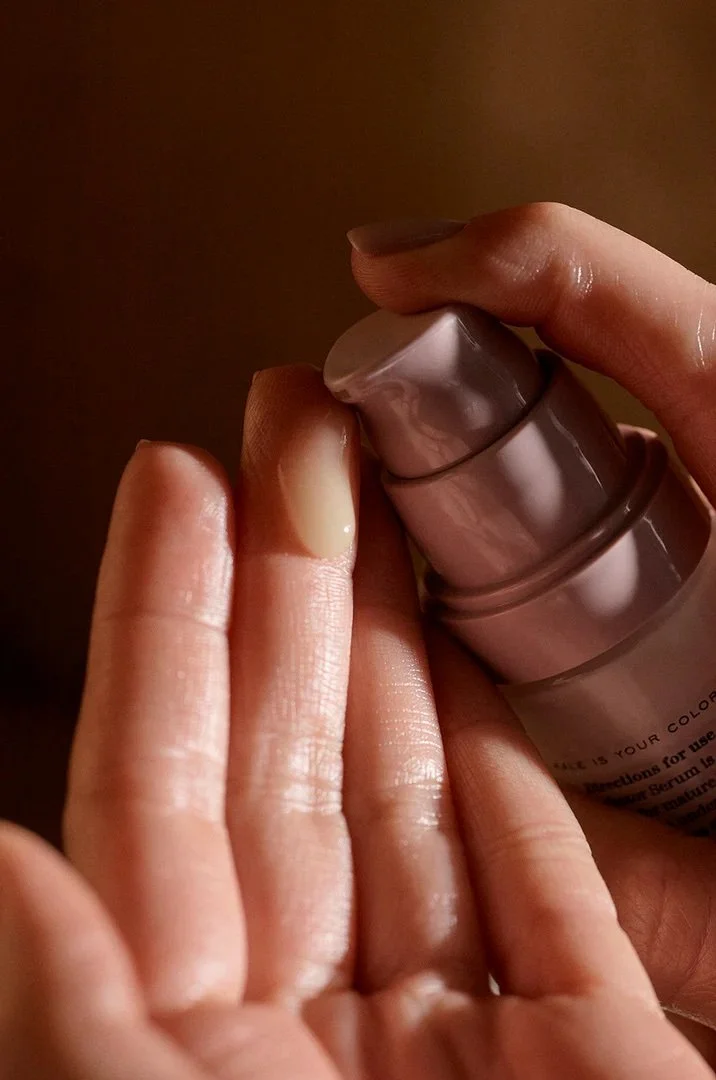
I never separate the two. Sensory experience is not superficial – it is how we connect with our bodies. But pleasure alone is not enough; efficacy must be real. We work until both are present. A product that feels wonderful but does nothing is empty, and a product that works but feels unpleasant will never become part of a meaningful ritual. When skincare engages both the senses and the biology of the skin, it becomes something you return to, not something you force yourself to use.
Credit: Rudolph Care
Can you walk us through your product range and how you recommend customers build their routine? Are there specific formulas or sequences that work synergistically?
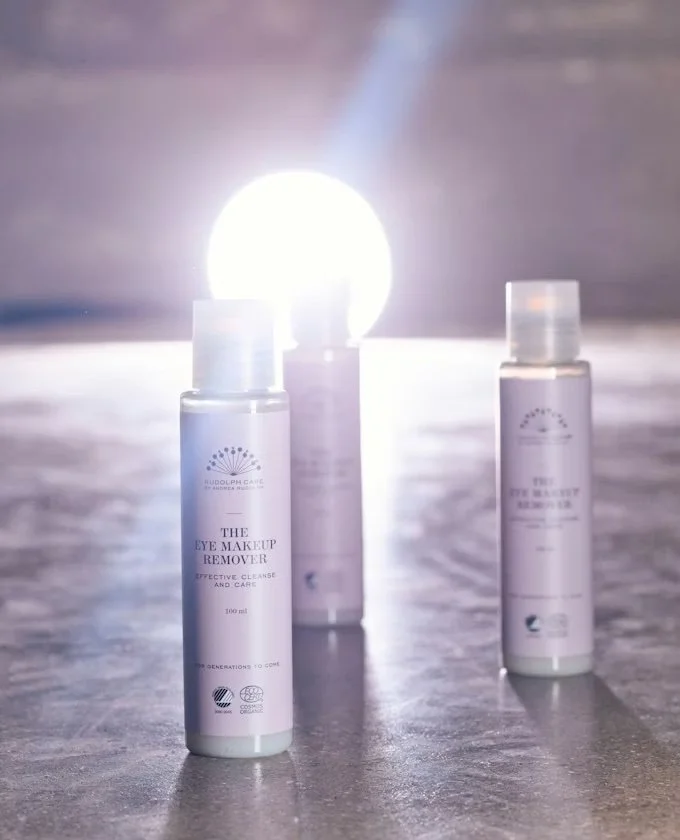
I encourage people to think in layers, not rules. Cleansing is always the foundation, followed by hydration and activation through serums, then oils or creams depending on what the skin asks for. Our products are designed to work beautifully together, but skincare should never feel complicated. It can be very simple and still have a profound effect on your wellbeing, as long as you do it consciously.
The original eight products launched in 2009 remain best sellers. What makes a formula timeless, and how do you decide when to iterate versus preserve a product?
I see my products as a kind of skincare wardrobe – reliable classics that always work and can be combined in different ways. A timeless formula solves a real need and earns its place over time. We only update products when we can genuinely improve them through new knowledge or ingredients. Otherwise, we preserve them. Trends come and go, but integrity lasts.
Credit: Rudolph Care
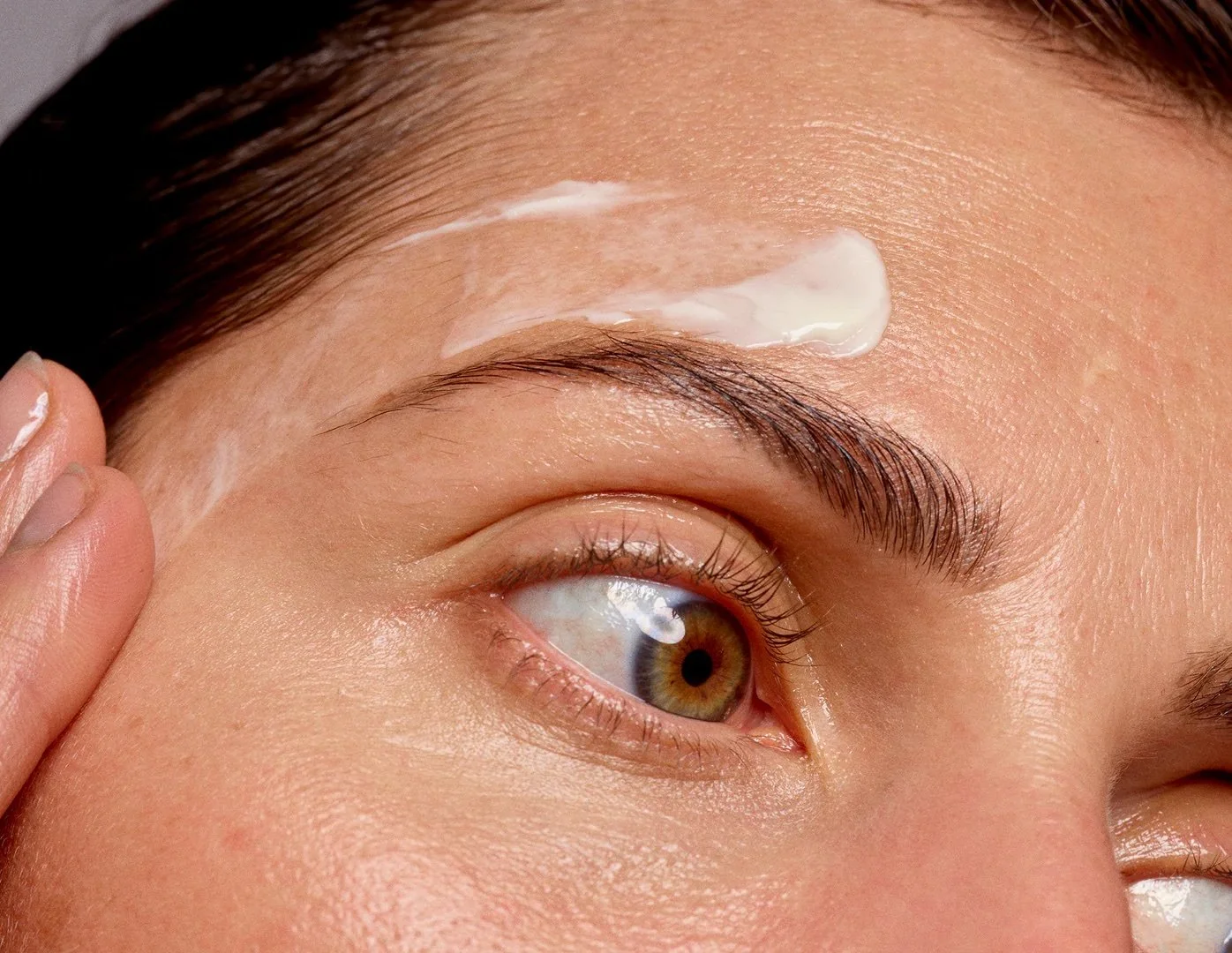
What does your own daily skincare routine look like? Beyond topical care, what wellness rituals or practices support your skin health and overall wellbeing?
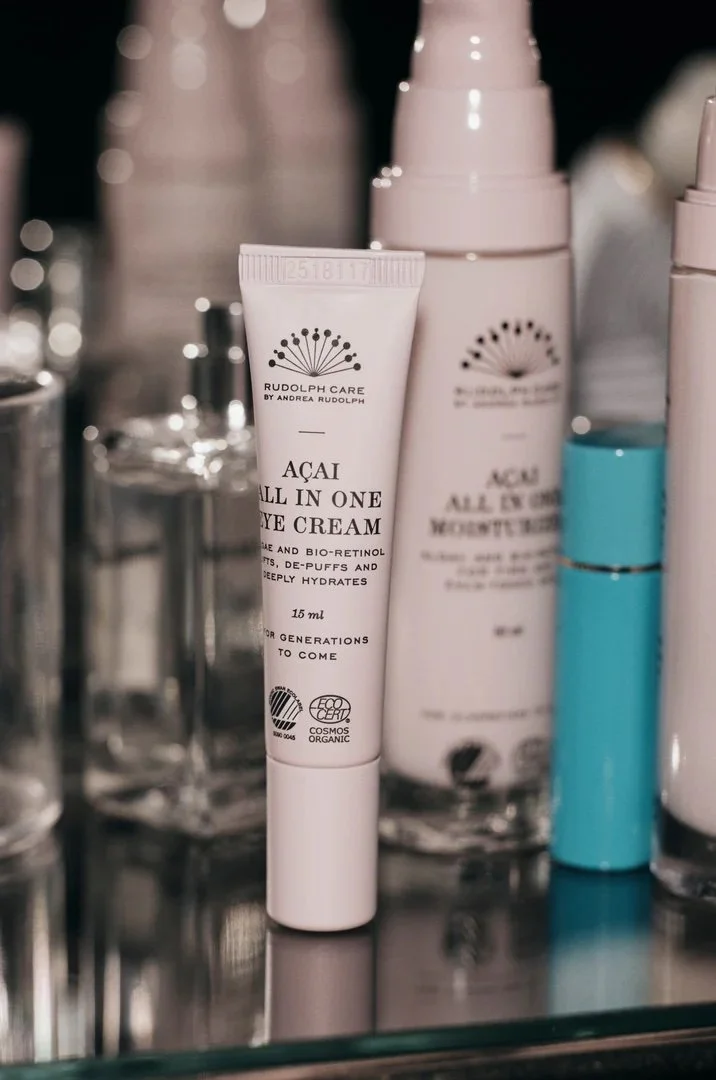
Right now, I love starting with Gentle Cleansing Foam mixed with Açai Facial Scrub Mask. Then I apply Firming Perfector Serum, the serum that makes my skin breathe, followed by Firming Therapy Rich Cream and then a few drops of Açai Facial Oil. And I absolutely love our Açai All in One Eye Cream. Skincare frames my day as a moment of presence. Beyond that, meditation is essential to me, as is sleep, movement and time in nature. Skin reflects how we live. To me, living, breathing, glowing skin is the most beautiful thing there is.
Being a Danish brand with strong local identity, how do you translate Rudolph Care’s values when entering new markets?
I never dilute our values when entering new markets. Responsibility, honesty and deep respect for the skin, the body and life itself are universal principles, and they travel well across borders. At the same time, I am deeply proud of our Danish heritage and of being ‘made in Denmark’. If the heart of Rudolph Care is the Brazilian açai berry, then our soul is firmly rooted in Denmark.
That soul is shaped by a Scandinavian way of living that is grounded, close to nature and deeply connected to everyday rituals. It is about fresh air, even when it is cold, about jumping into the sea all year round, about lighting a fire in the garden and gathering around it, and about finding small moments of adventure in ordinary days. Micro-adventures with my children, long walks, time outdoors and a strong respect for natural rhythms are not just personal choices, they are part of the mindset behind the brand.
When we enter new markets, we do not try to become something else. Instead, we invite people into this way of thinking and living. A way where care is not a trend, but a practice, and where beauty is not about perfection, but about vitality, presence and life.
Credit: Rudolph Care
Many brands chase trends; you chase perseverance, courage and patience. Can you share a recent product or innovation that reflects this ethos?
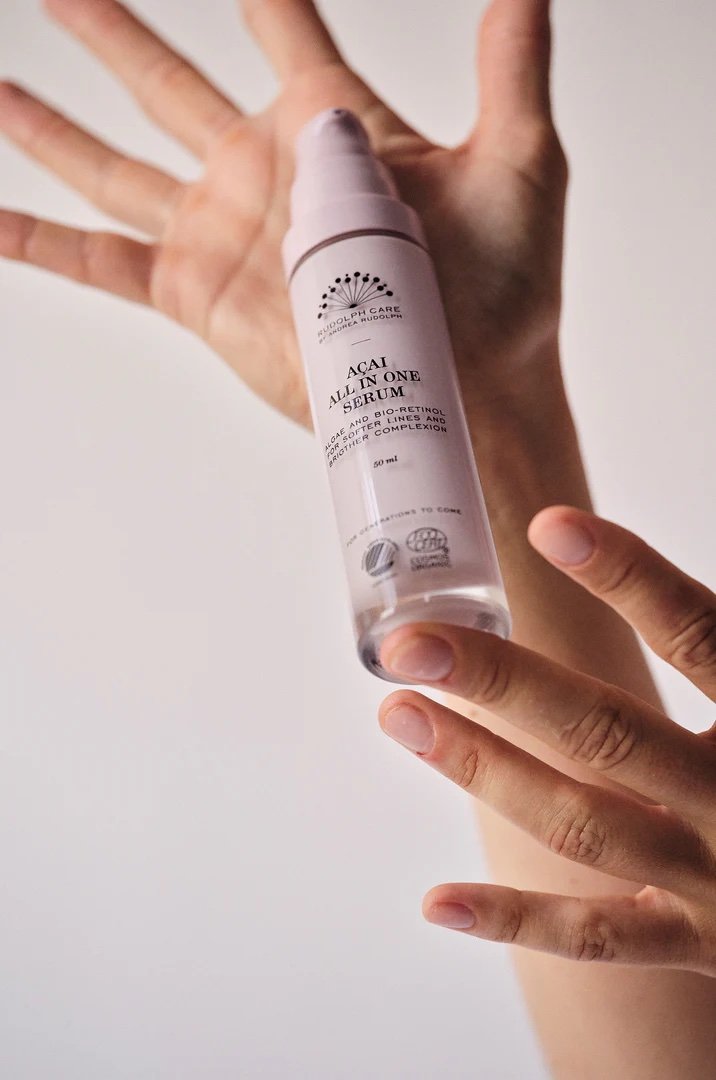
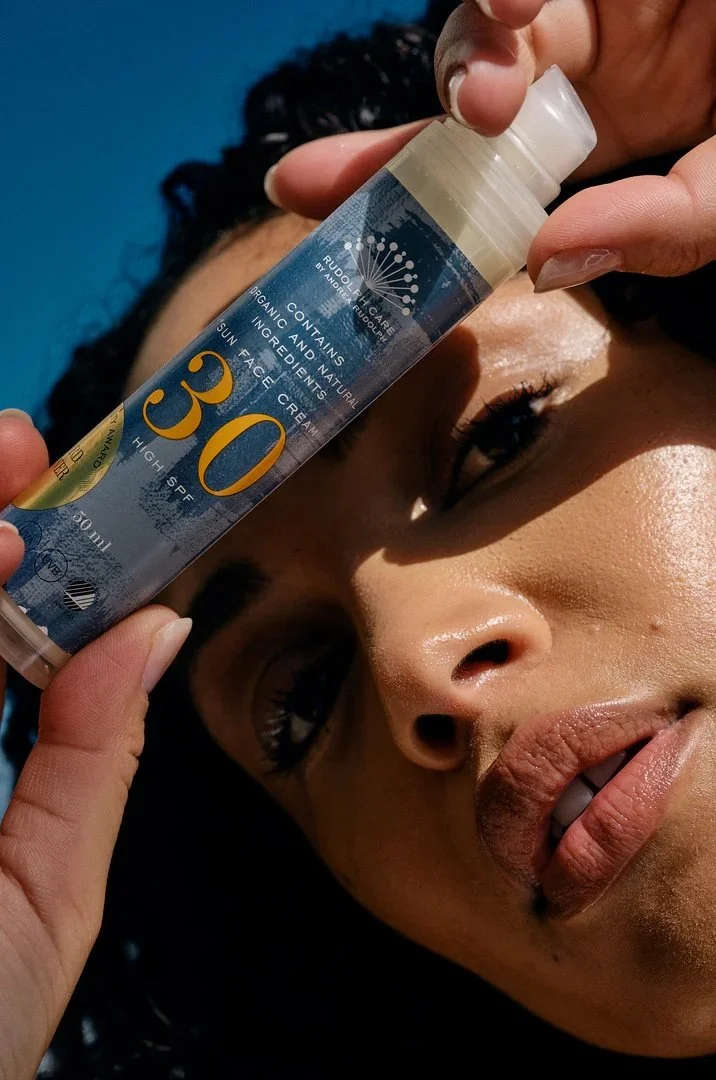
Our sun care range is a good example. It took years to develop sun protection that meets the highest standards for health, performance and environmental responsibility – and that still feels as good as your favourite face cream. Another example is our All in One line, developed with bio-retinol from algae, so even sensitive skin can tolerate it without compromising on effect. Patience is often the most radical form of innovation.
Looking ahead five to ten years, what change in consumer behaviour or environmental policy would most propel your mission forward?
We are far from where we need to be, perhaps even further away than ever. But instead of giving up, that reality fuels me. I have worked with this for more than twenty years, and I can feel those twenty years. I was once naive enough to believe that change would come much faster. The industry still takes too little responsibility, and too often it feels like we are standing quite alone. I wish there were more brands doing what we do, for the sake of the consumer.
I will never compromise on safety. We must be able to live in this world, use skincare and feel safe. That is why stricter regulation and legally enforced transparency are crucial, including clear limits on ingredients and production methods that no longer belong in our future. On the consumer side, I believe in a shift from accumulation to commitment – fewer products, better choices and deeper loyalty. That is where real change begins.
