

Olfa Terras introduces her French skincare house with L’Huile Première, a pure prickly pear seed oil from the 2025 harvest. Its story follows the fruit from 5 plots in western Tunisia to the press.
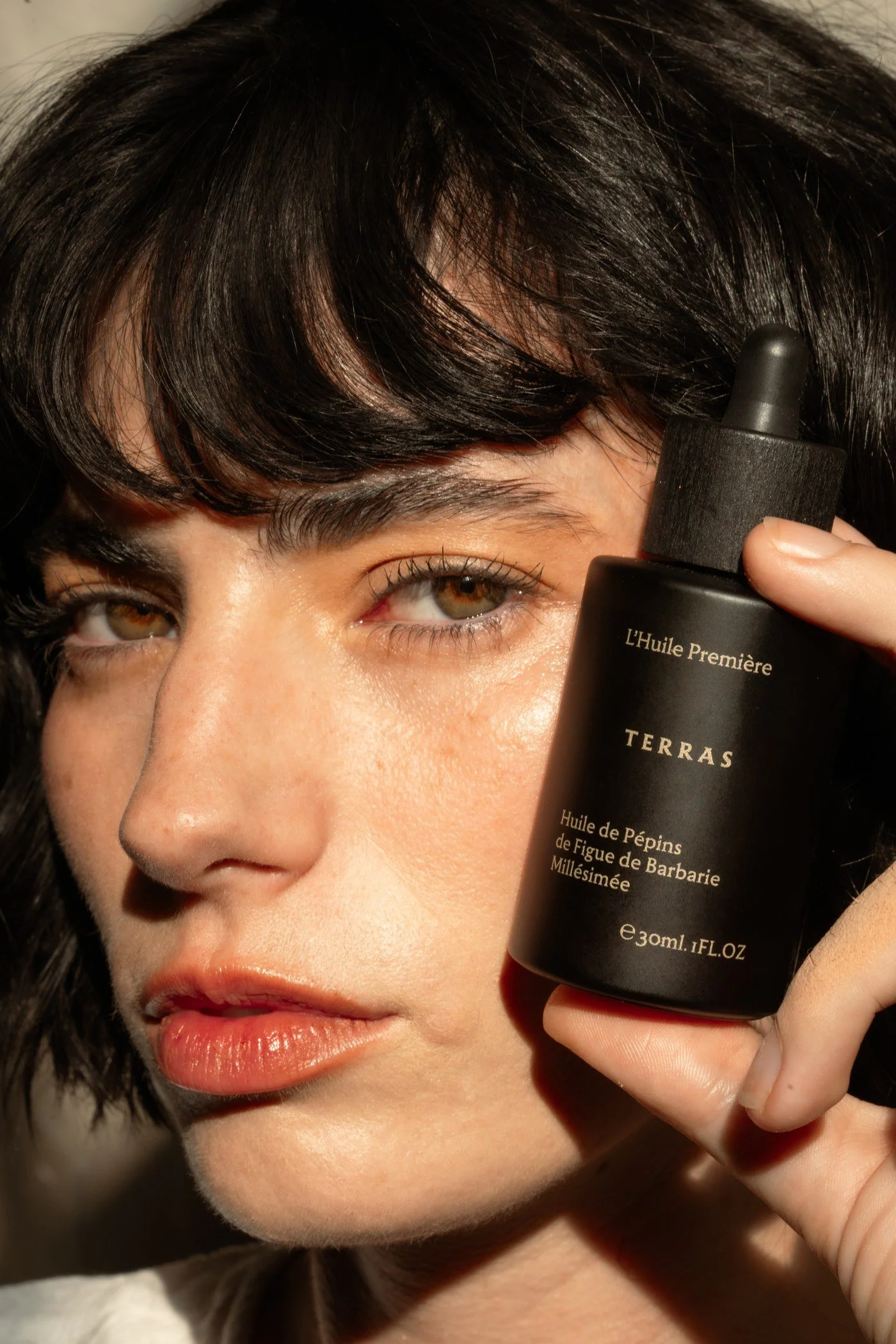
Image courtesy of TERRAS.
Olfa Terras has put a year on the first face oil from her new French skincare house. L’Huile Première comes from the 2025 harvest of prickly pears grown on 5 plots in Thala, in the highlands of western Tunisia. Beauty readers may already know the name Opuntia ficus-indica from an ingredient list. It is rather lovely to be given enough information about a face oil to know when the fruit ripened and who was there to pick it.
It also changes the questions you can ask of a bottle. Most of us would know where to look to find out what an oil contains, how much of it we are buying and how long we can keep it once opened. It would take a particularly well-informed person at a beauty counter to tell us why the fruit should be picked at dawn. At TERRAS there is an answer, and it has to do with the hands of the women who pick it. Olfa has chosen to share the sort of knowledge that ordinarily stays in the field.
On November 19, Olfa launched TERRAS with enough confidence in the work done on that plateau to build an entire debut around it. Her ambition extends beyond prickly pear. She wants to seek out other places where a particular plant grows especially well and work with the people who know what to make of it. That is a curious prospect for anyone who follows beauty launches. Olfa has yet to name the next place. What she has given us in Thala is a very particular idea of what would make a place worth choosing.
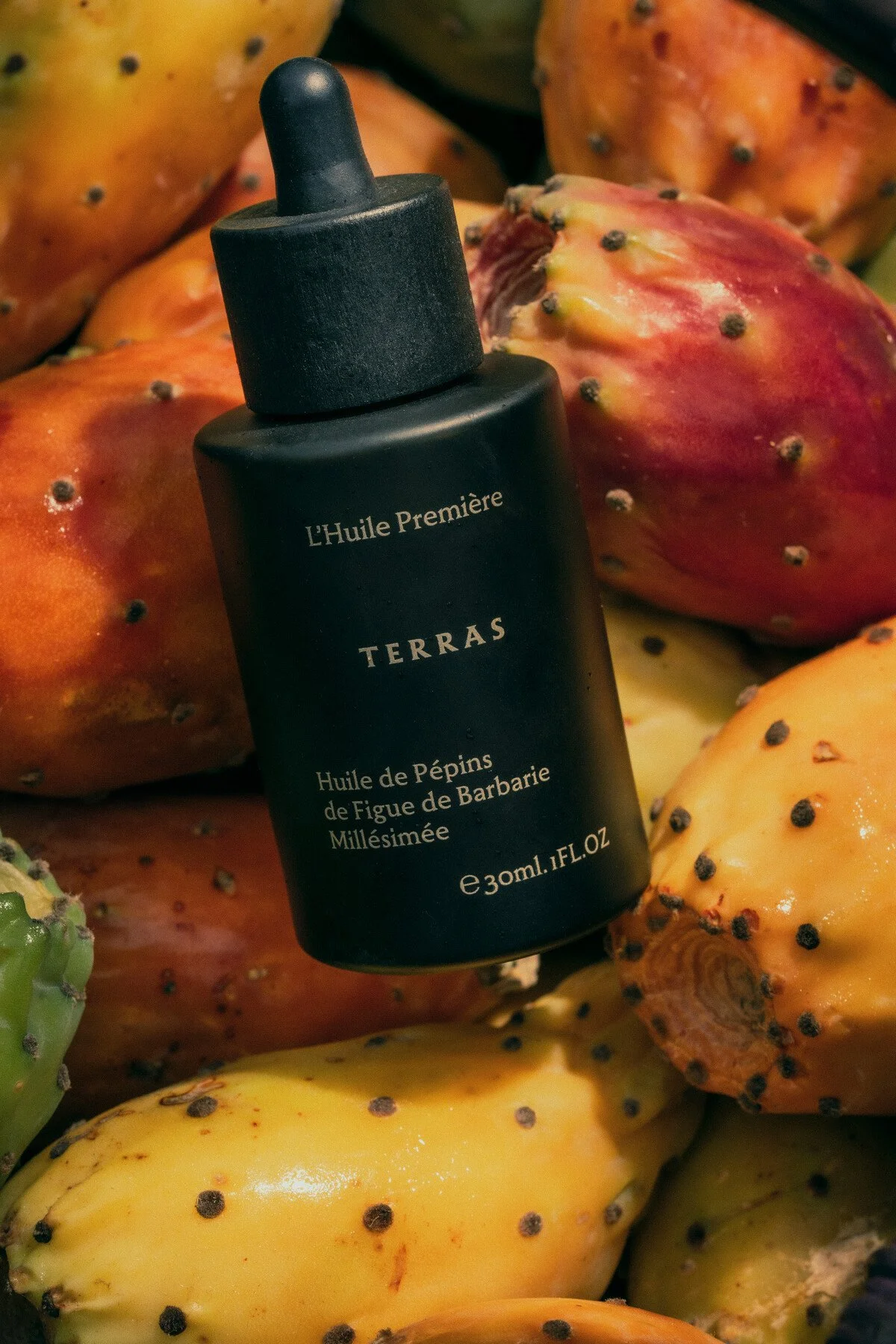
Image courtesy of TERRAS.
Why Olfa began with this oil
Olfa traces her approach to beauty to her French mother, who chose the few products in her routine with care. Her Tunisian father was a doctor with a close attachment to the land and the people who made a living from it. There is something of her mother in Olfa’s exacting choice of a single product, and something of her father in the attention she pays to the people who cultivate its only ingredient.
In Thala, Olfa was drawn to the skill of the women who worked among the cactus plants. She wanted to find a way to support the people cultivating prickly pears and help their knowledge reach another generation. She had already discovered the seed oil when she was diagnosed with a rare cancer. As her skin changed during her illness, she used the oil in its pure form for comfort. In her account of that period, she recalls an unexpectedly happy detail. People kept complimenting her skin.
That experience gave Olfa a surprisingly exact brief. She knew which oil she wanted to share and in what form she wanted another woman to receive it. She could have commissioned a cream around the prickly pear, or made the seed oil one element in a blend. Neither would have reproduced the simple act that had meant something to her. L’Huile Première is pure because Olfa wanted another woman to be able to use it as she had.
There is another personal conviction in the launch that deserves some room. Olfa describes the attitude of TERRAS as heureuse face au temps qui passe, happy to see the years go by. Her launch manifesto is addressed to women with enough experience of skincare to have formed their own judgments about what is worth their time. In practice, those women arrive at a very short routine. There is a pleasing generosity in how the time is apportioned. The grower waits for the fruit to ripen. The picker knows the hour to take it from the cactus. All of that preparation leaves the woman at home with one straightforward gesture.
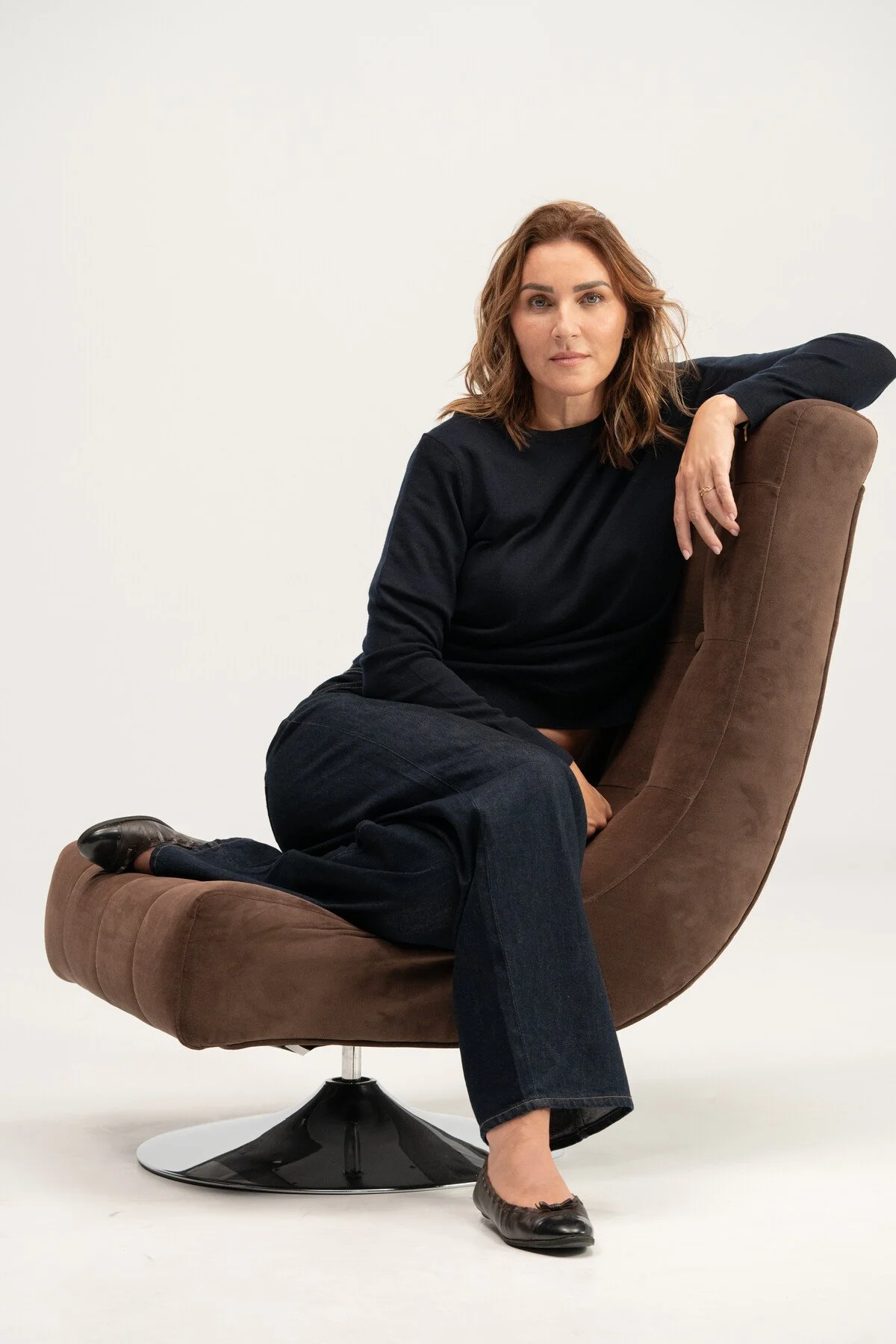
Olfa Terras, founder of TERRAS. Image courtesy of TERRAS.
If this article resonated, come inside the Future of Skincare newsletter on Substack. Beauty Signals is the deeper layer within it, weekly patterns where skincare meets culture, for skin intellectuals, beauty anthropologists, and the cosmetics curious. Read the opening free, full access at latte with me level.
What the women of Thala know about a prickly pear
The word Thala, the house tells us, means “the spring” in Berber. It is an evocative name for a place where water is scarce. The plateau lies at 1,017 meters, over alternating beds of limestone and marl. The soil holds little water. The house describes dry air, intense sunlight and a wide swing between daytime and nighttime temperatures. The cactus stores water in its flat pads. The part of the plant that interests Olfa is the reserve of lipids held inside its seeds.
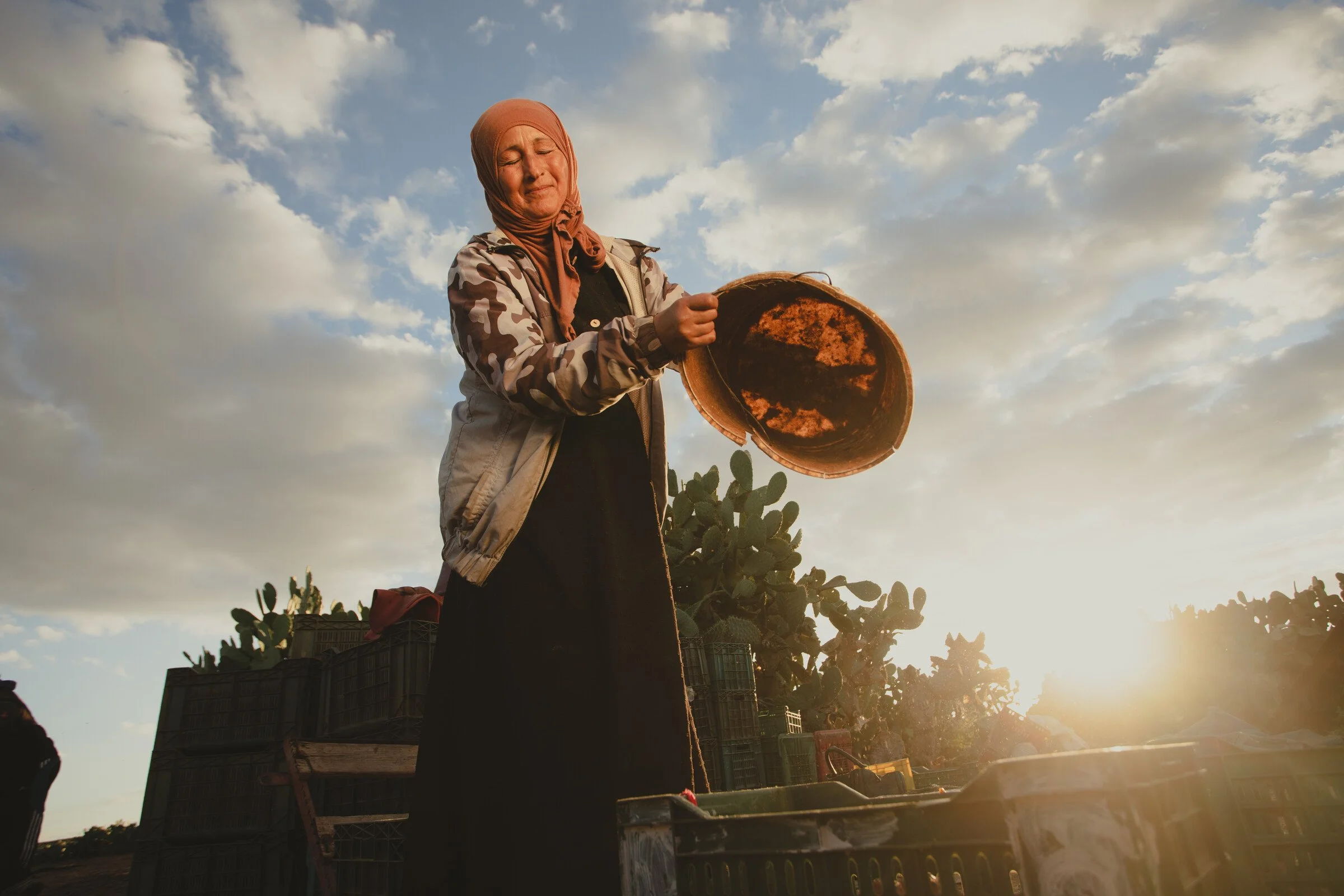
Photography by ALA BA, courtesy of TERRAS.
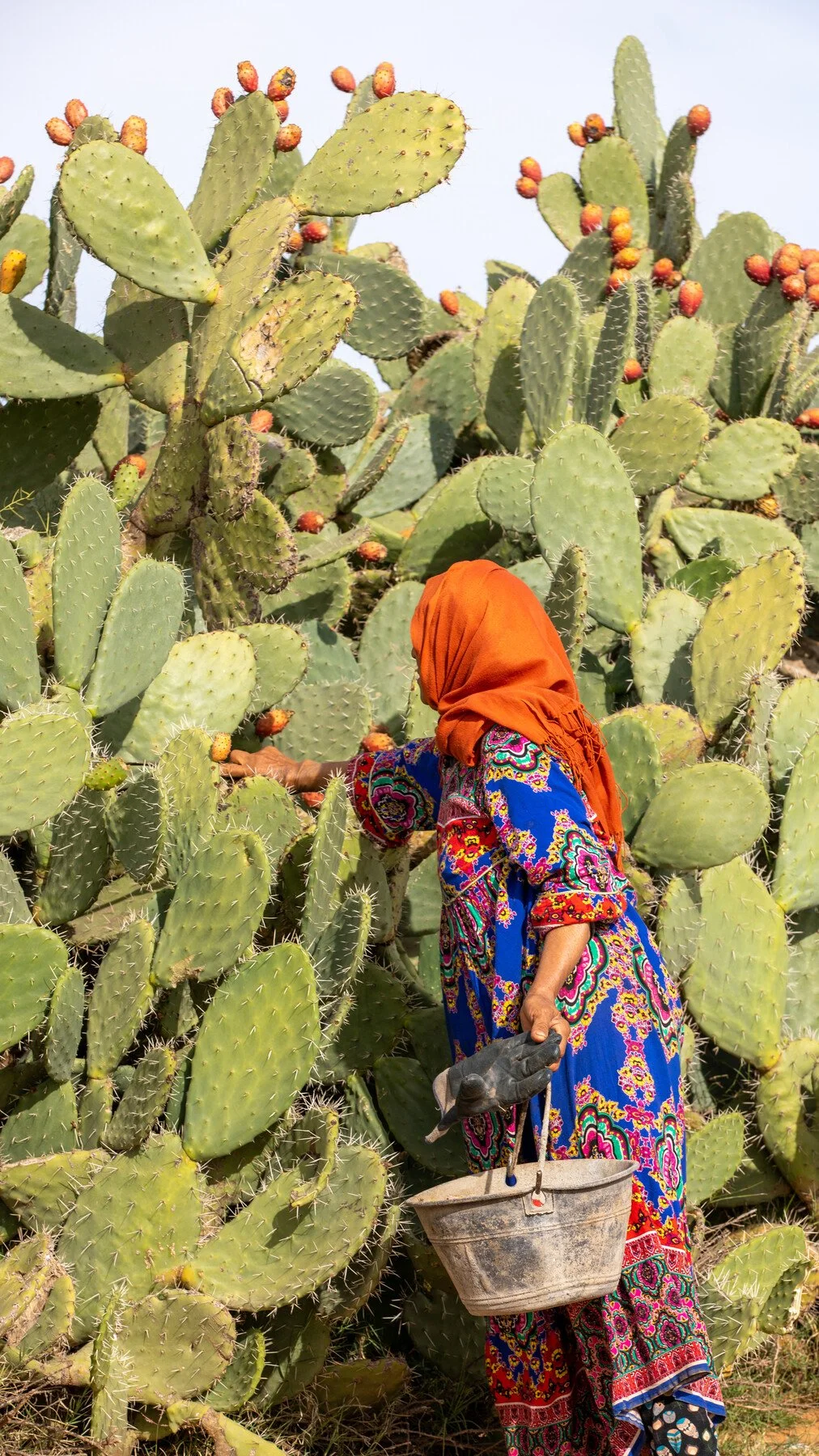
Between September and December, the fruit reaches full ripeness. There is one harvest a year, and most of the picking is done by women. They start at dawn for a reason anyone who has tried to peel a prickly pear will appreciate. At that hour the fine spines still cling to the fruit. Later in the day they loosen and can catch in the picker’s skin. Deciding when to go out among the plants is as much a part of knowing this fruit as recognizing which ones are ready.
Photography by ALA BA, courtesy of TERRAS.
Look at ALA BA’s photograph of a picker among the cactus pads. Ripe fruit dots the upper edges of the cactus pads, and a metal pail hangs at her side. It is only when you know about those little spines that you begin to see the precision her job requires. A beauty photograph can credit someone for appearing in a campaign. The account of the harvest gives this woman a different kind of credit, for the judgment she brings to her work.
The 5 plots are dedicated to TERRAS. The house says it guarantees prices to its growers and commits to harvests several years ahead. That detail matters as much as the date attached to the release. From the customer’s end, 2025 identifies the year she can buy. From a grower’s end, knowing there will be a buyer several seasons from now makes it possible to plan for fruit that has yet to appear. TERRAS also describes helping its producer partners work toward organic certification. These are relationships expected to continue after the first bottles have sold.
It takes about a metric ton of prickly pears to obtain a liter of oil, according to TERRAS. Put that figure on the scale of a bathroom shelf and a single 30 ml bottle represents the oil yield of roughly 30 kilograms of fruit. A full bottle fits in the palm of a hand. Picking up the fruit that went into it would be a rather different proposition. The distinction between fruit and seed matters here. The press takes only the seeds. The rest of that weight has other uses.
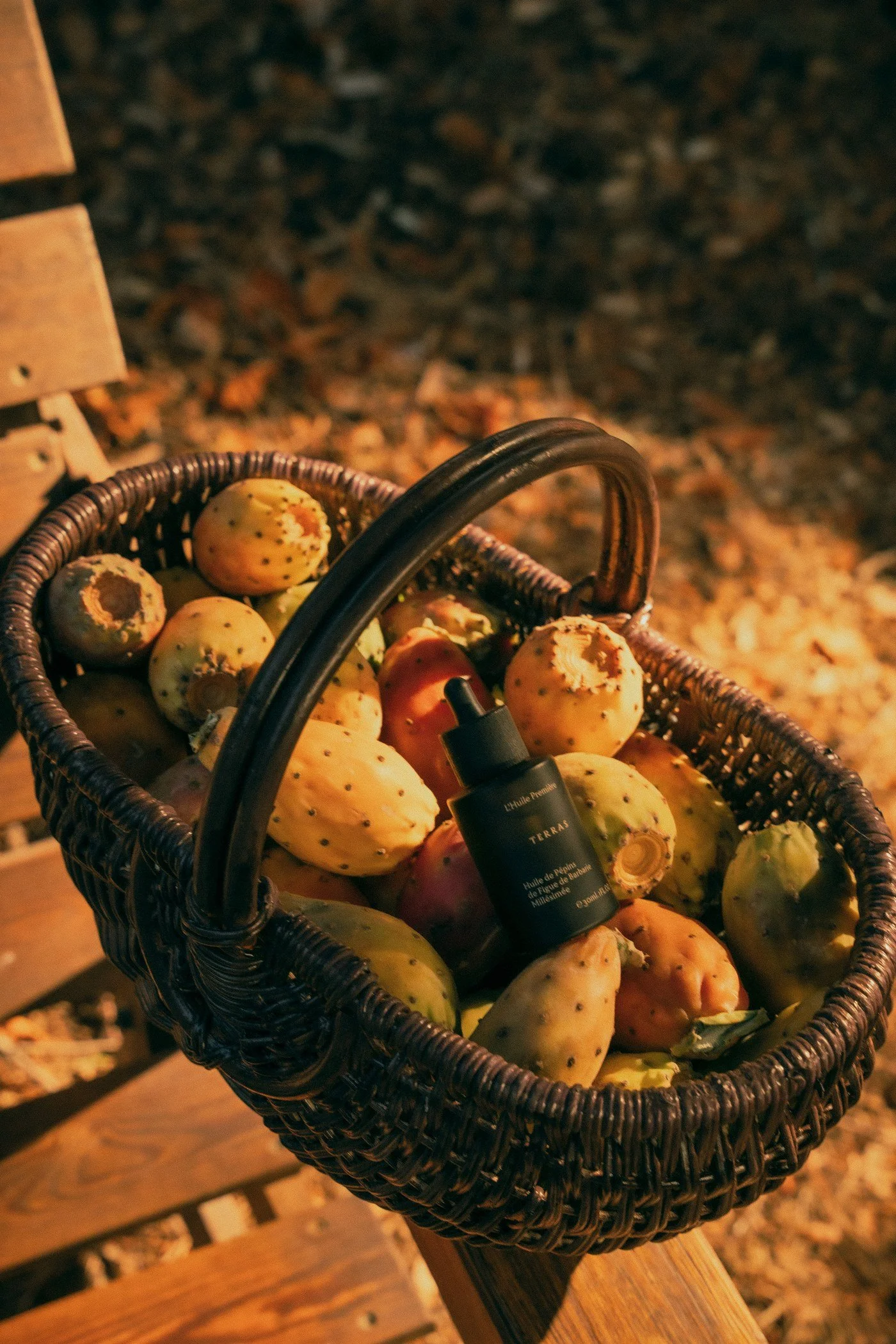
Image courtesy of TERRAS.
After pressing, the solid seed material can be milled into a protein-rich flour. The remainder of the fruit goes to animal feed. The face oil occupies a different place in that story depending on where you stand. For a skincare customer, the 30 ml are the whole purchase. For the people working with the crop, the oil is one of several things the fruit will yield. Understanding that makes the price a more interesting conversation than the quantity of fruit alone can settle.
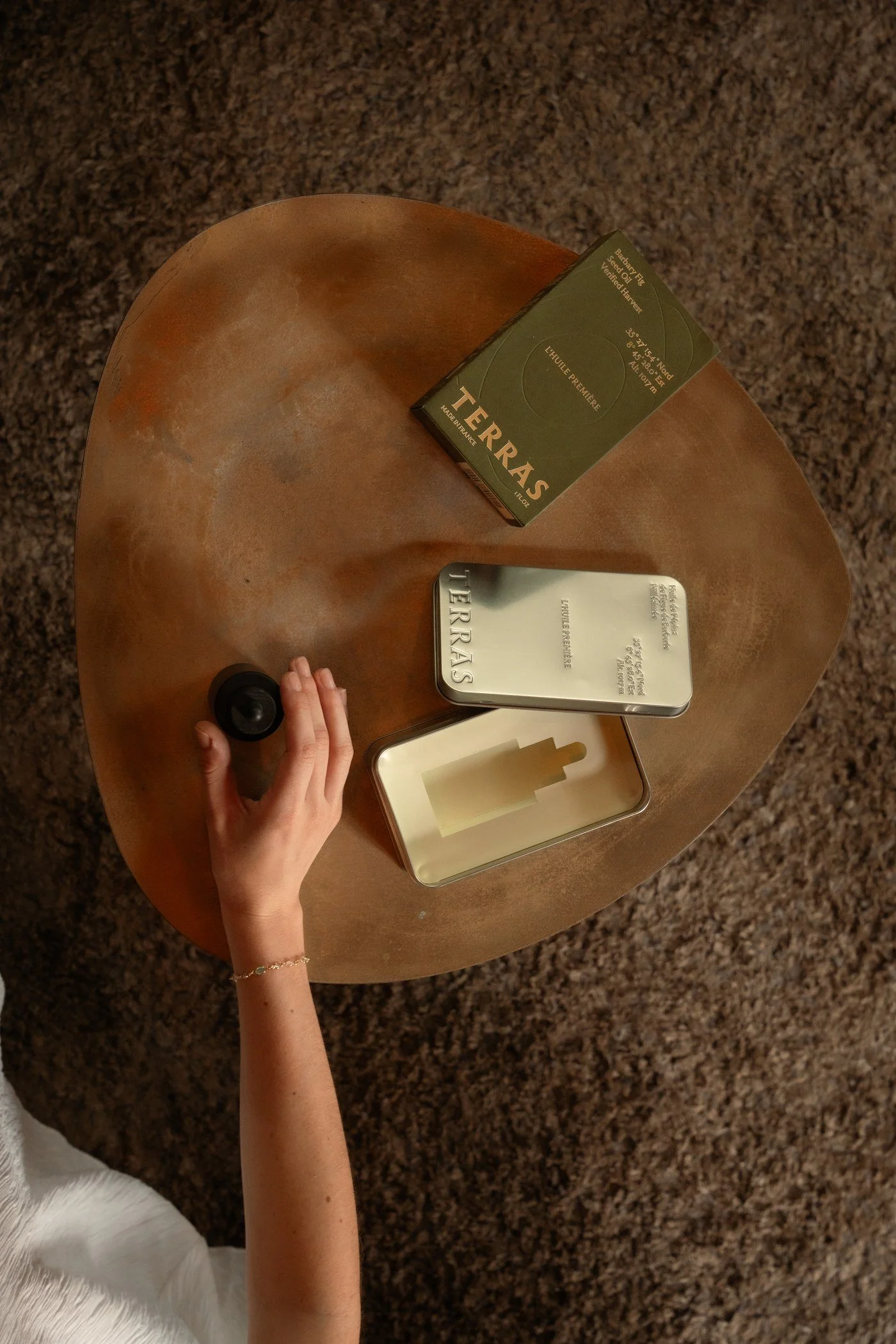
Image courtesy of TERRAS.
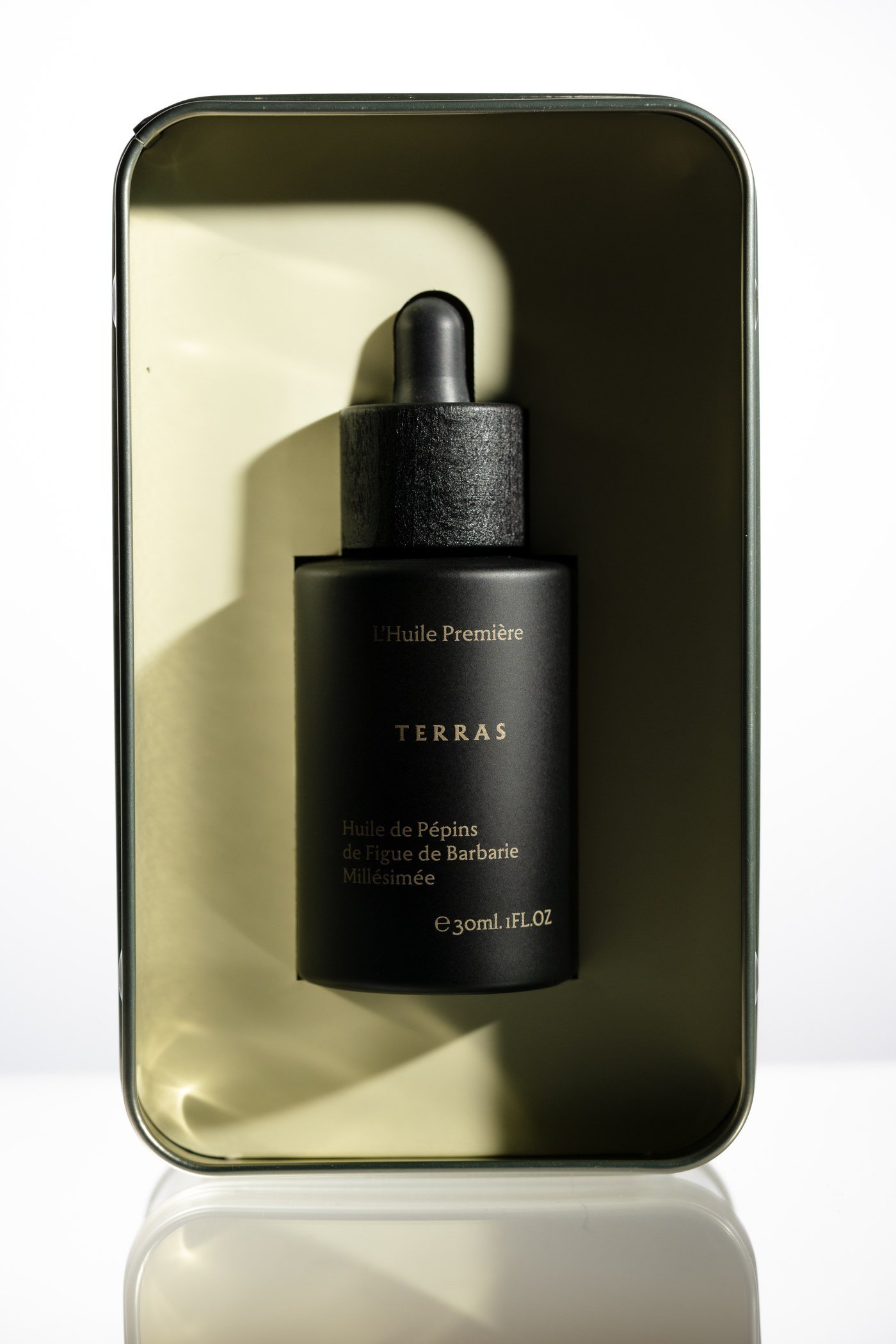
Image courtesy of TERRAS.
Giving Thala an address in beauty
Spend a moment on the new TERRAS website and you can see how thoroughly Olfa has thought this through. Her surname appears in large letters across the opening film. Just above it, set in small type, are the latitude, longitude and altitude of Thala. Then there are 3 ways into the house. You can look at L’Huile Première, explore the land or read about Olfa. For a house opening with one product, that makes for a generous introduction. Someone who has never heard of Thala can spend a little time there before deciding whether the oil belongs on her shelf.
The bottle is dark and fitted with a dropper. It comes in a rectangular tin with rounded corners, olive in color, the name TERRAS raised in the metal. The coordinates appear on the lid. It is a handsome object, and the small print is part of its appeal. The finished product carries the designation “Made in France.” The place you see every time you open the tin is in Tunisia. Both belong to the history of the oil, and the packaging gives each its due.
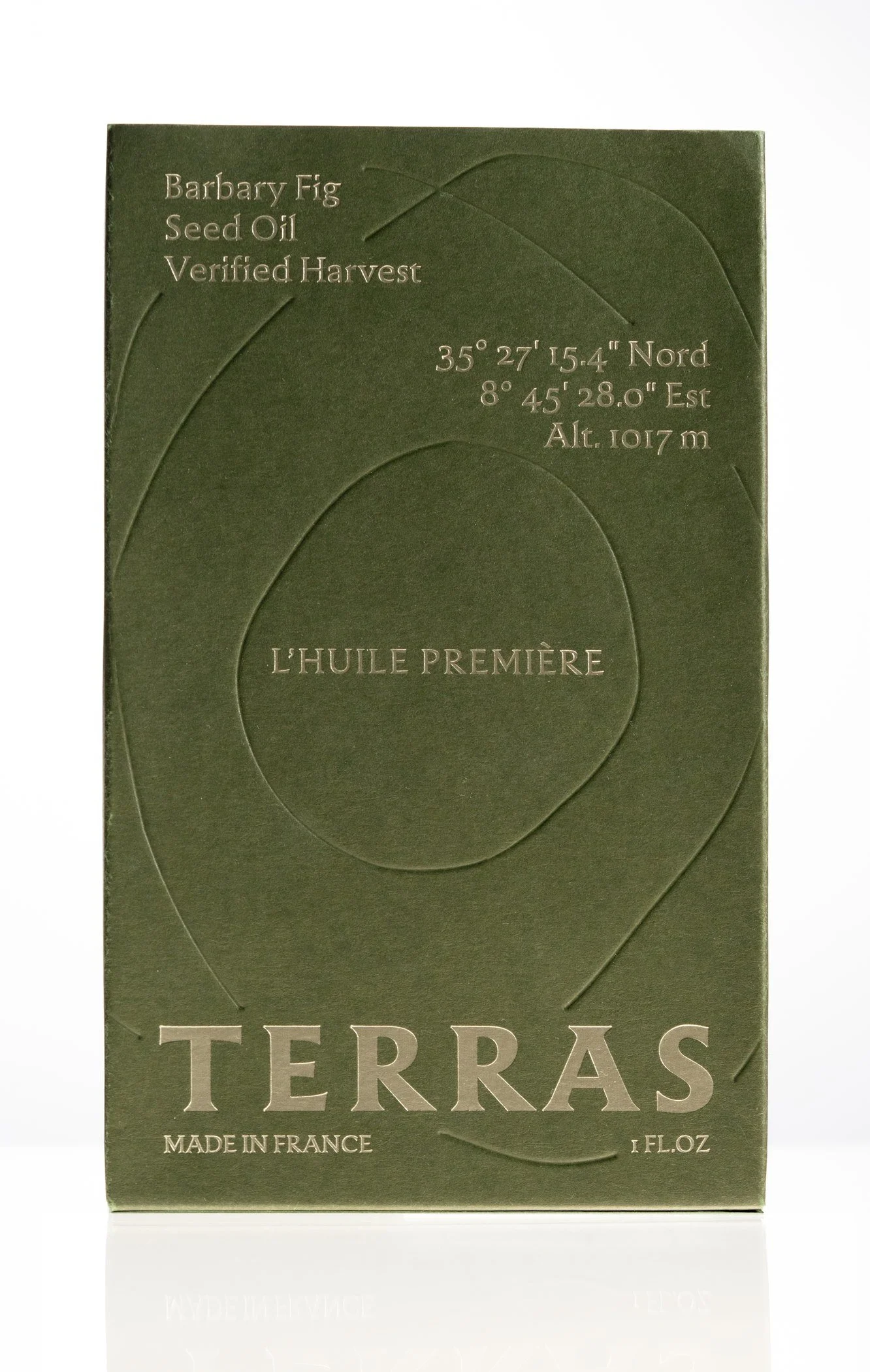
Image courtesy of TERRAS.
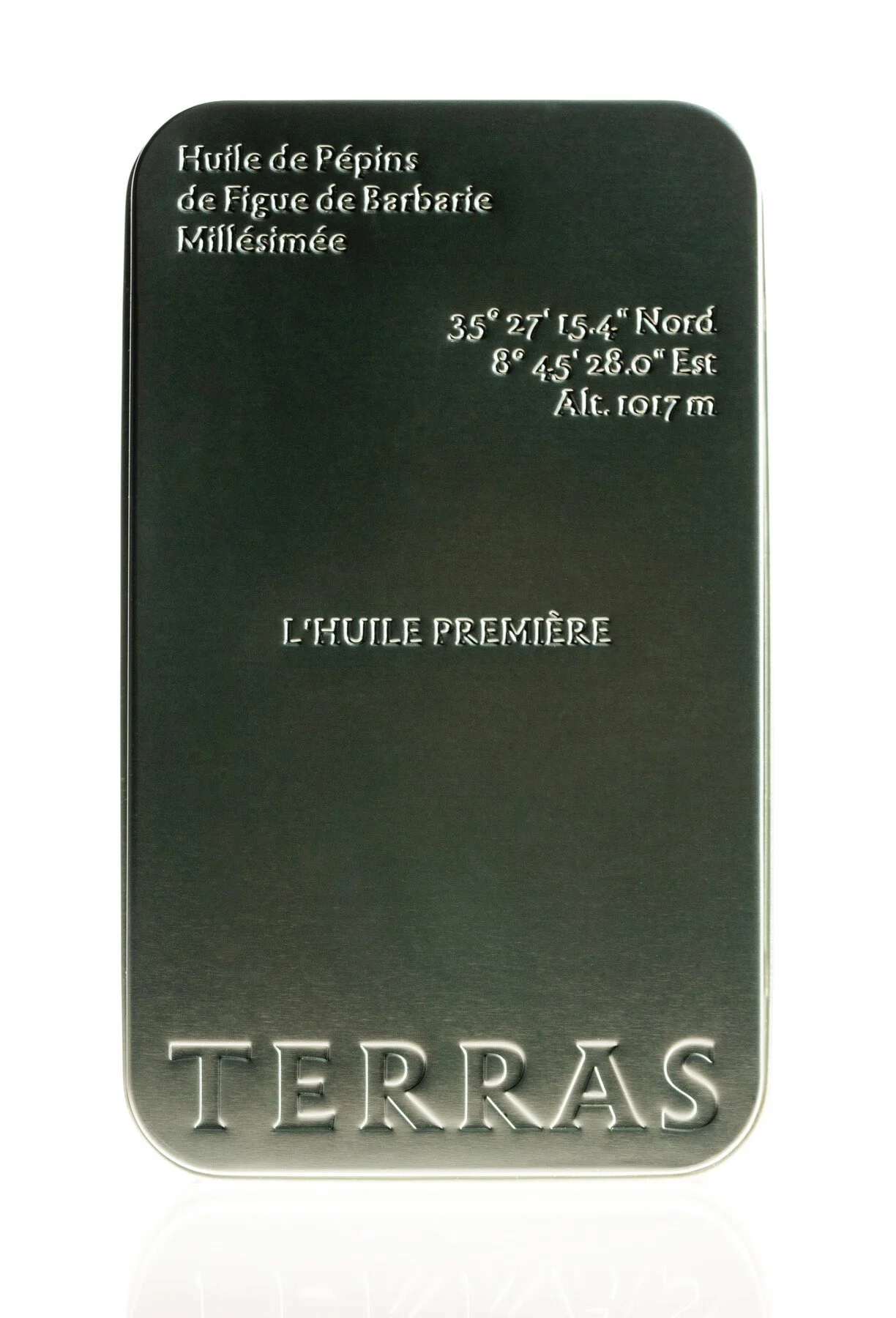
Image courtesy of TERRAS.
For Olfa, Thala is also a guide to how the house could grow. In her account, what will qualify a place for TERRAS is a particular combination of geology, climate, plant and local skill. Thala gives that ambition a demanding precedent. A second place could be equally beautiful to photograph. To make sense as part of this house, it would also need to give us something as particular to understand about the next product as the women of Thala have taught us about this one.
From the seed to the skin
Cut open a prickly pear and the color of its flesh is more immediately appealing than the small, hard seeds scattered through it. Yet those seeds hold the material the house wants to preserve. Once separated from the pulp, they are cold-pressed. Mechanical pressure releases the oil stored inside. The choice of extraction method determines how much the press takes from each seed. Heat could help recover more oil from the same quantity of fruit. TERRAS accepts a lower yield in order to retain the fatty acids and antioxidants it values in the seed.
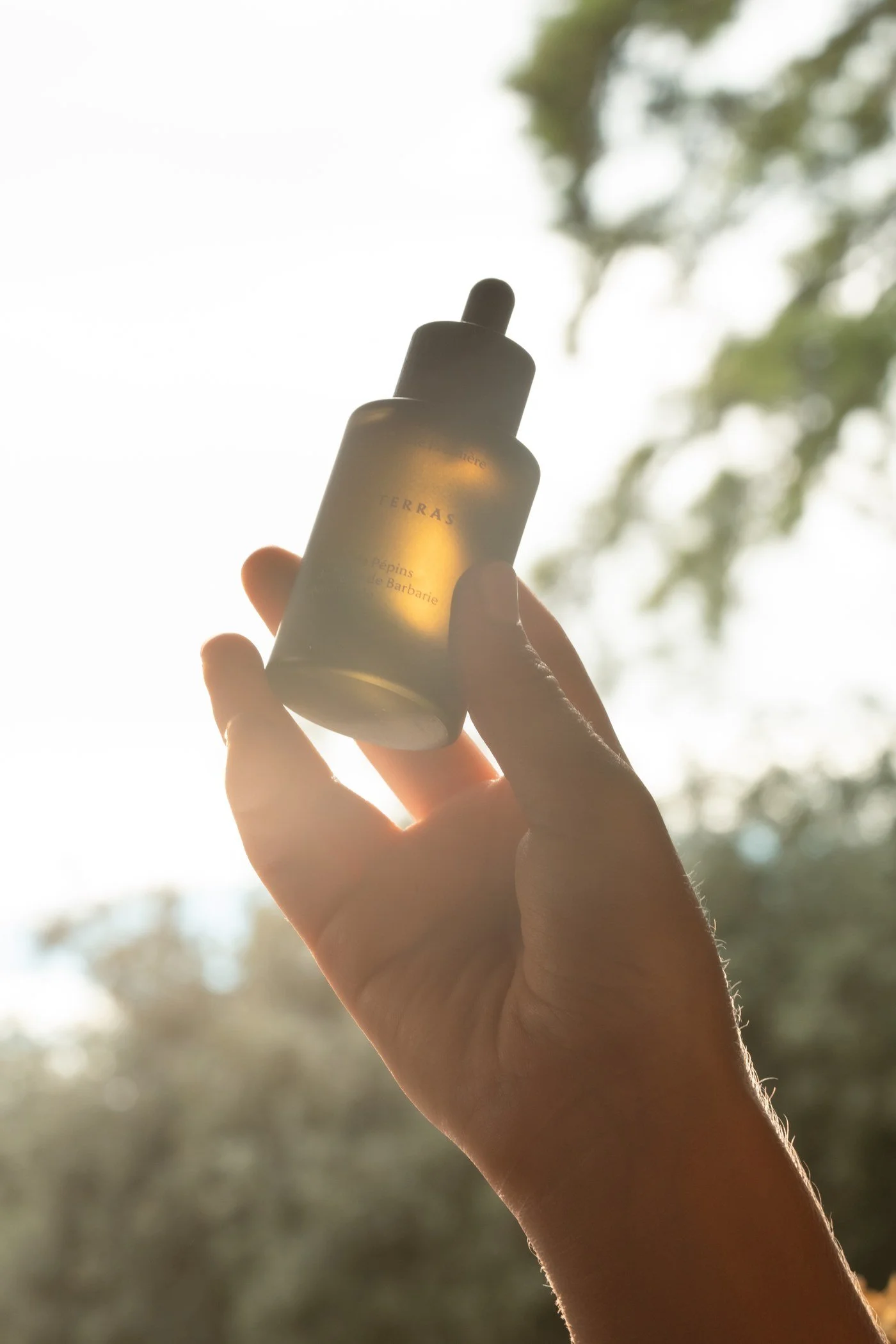
Image courtesy of TERRAS.
Several families of molecules travel through the press in that one oil. Start with linoleic acid, an omega-6 fatty acid naturally abundant in prickly pear seed oil. Skin uses linoleic acid to make certain ceramides. These lipids help form the barrier in the outermost layer of the skin that limits water loss. This is the specific connection TERRAS draws when it describes the oil’s affinity for skin. What one can expect to feel on application is more immediate. The oil acts as an emollient, softening the surface. The house describes a fine texture that leaves the skin supple.
The seed also brings its own vitamin E in the form of tocopherols. These help protect unsaturated lipids, including linoleic acid, from oxidation. The seed supplies a fatty acid prized in skincare along with compounds that help protect that fat. Another family of constituents, the plant sterols, includes beta-sitosterol, which TERRAS singles out in its explanation of the oil’s soothing properties. On an ingredient list, that entire composition occupies the space of a single plant name.
On its product page, TERRAS also refers to a laboratory assessment of the antioxidant activity of oil from fruit harvested in the Thala district in 2015. Vitamin C served as a reference in the test. Here the distinction between two familiar vitamins is worth making. Vitamin C was the yardstick for a laboratory measurement. Vitamin E is one of the constituents that occur naturally in the seed oil. The date matters for the same reason the harvest matters elsewhere in the house’s story. The lab examined a regional sample gathered in 2015. The oil in this first release comes from fruit picked a decade later.
For Olfa, the technical challenge was to carry the seed’s own combination of lipids, tocopherols and sterols through to the finished product. That puts some of the most consequential decisions in places a customer rarely sees. One is out on the plateau, when a picker decides that a prickly pear is ready. Another comes at the press, where the house is willing to leave some oil in the seed to obtain the quality it wants in the bottle. With L’Huile Première, once the seeds have yielded their oil, the formula is complete.
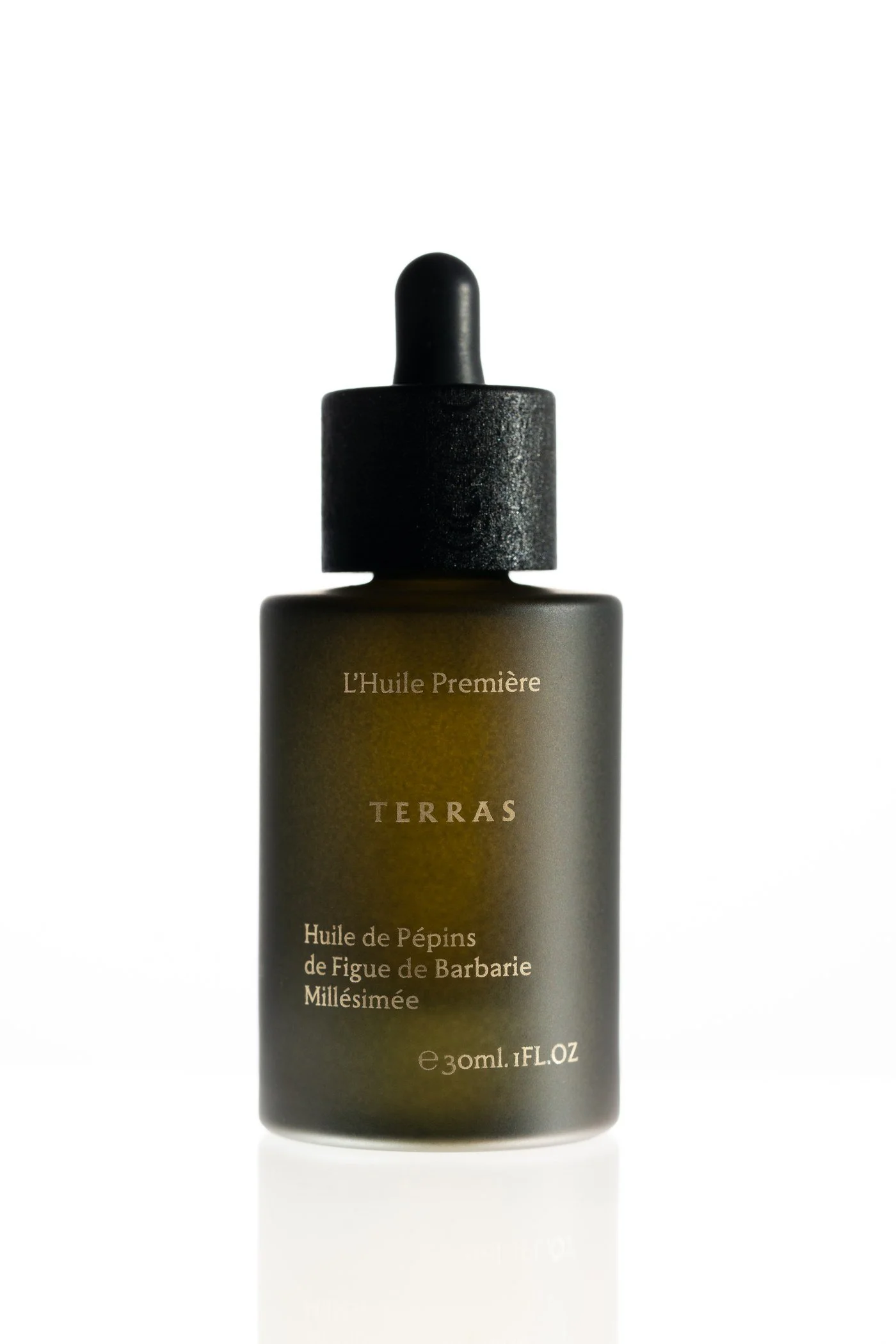
Image courtesy of TERRAS.
L’Huile Première Millésimée, 2025 harvest, Preorder directly from TERRAS.
Explore Thala · The land and its growers
Follow TERRAS · helloterras.com · @helloterras