

Dix Hectares: From Château Montrose to Géodermie - Charlotte Bouygues on a New Skincare Model
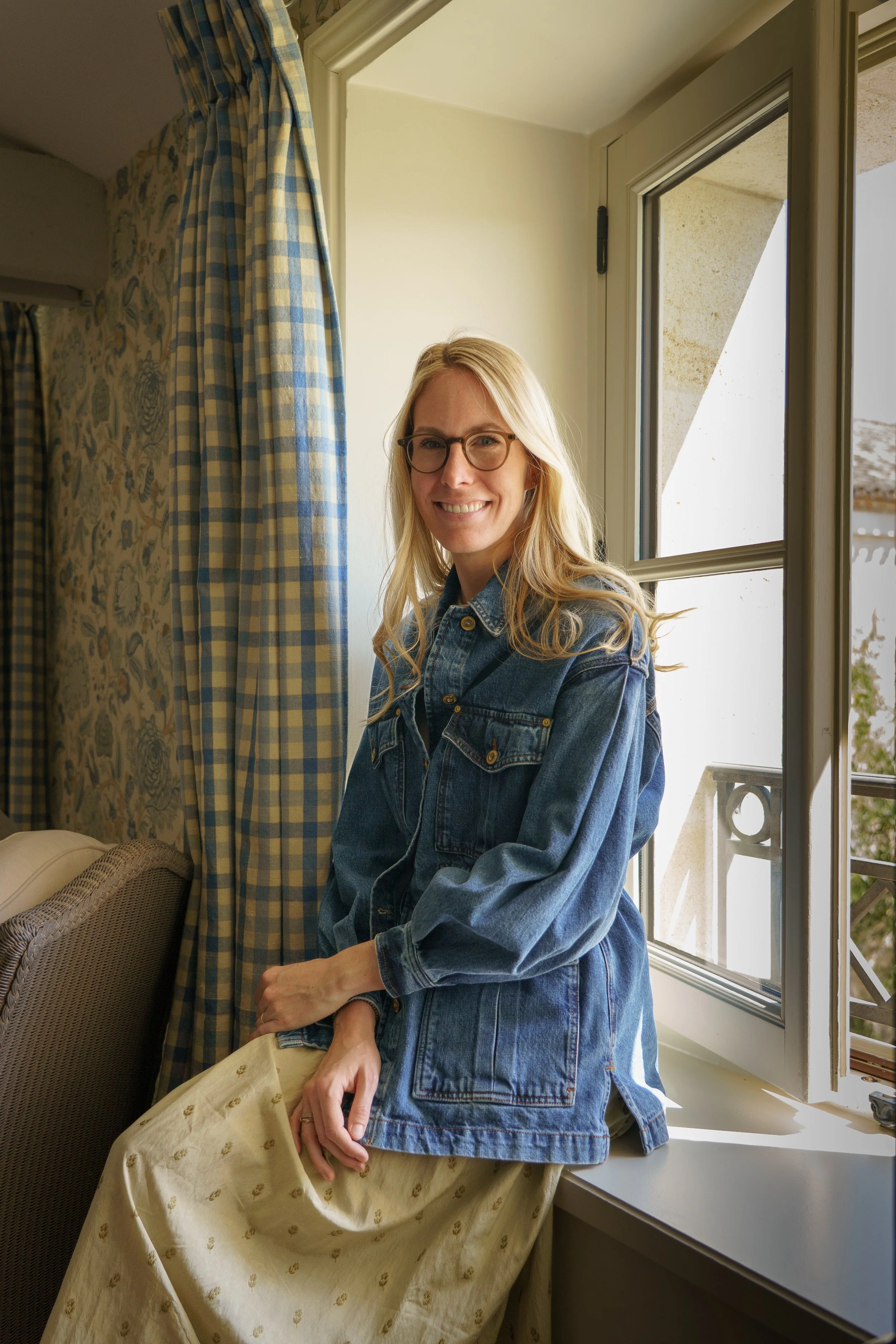
credit photo: Elsa David
Beauty has borrowed from agriculture for a long time. Terroir, harvest, soil, season, vineyard: the words appear easily in skincare, often as atmosphere, sometimes as provenance, rarely as method. The land is invoked, but the formula is still usually produced at a distance from it.
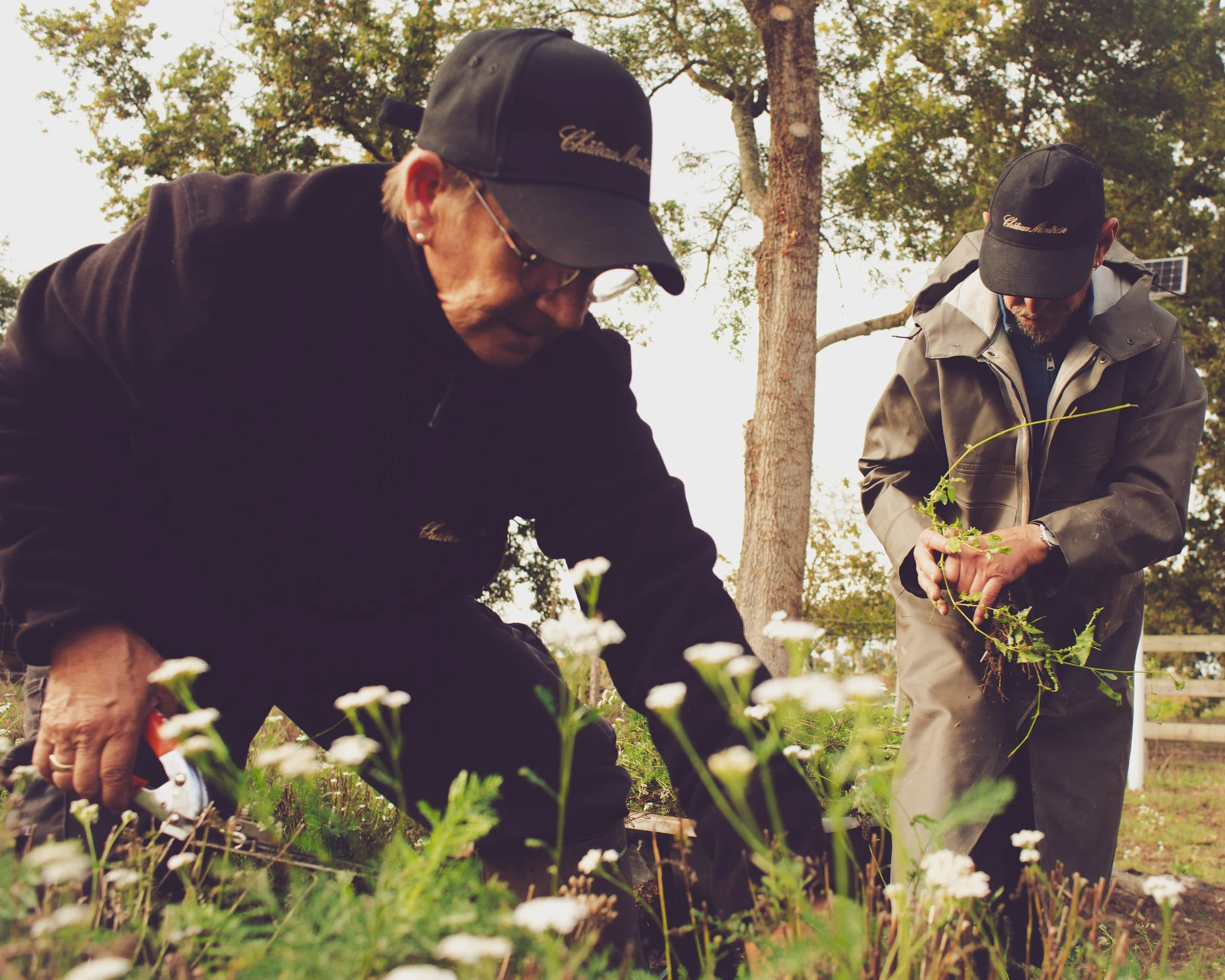
Dix Hectares begins from the opposite position. Founded by Charlotte Bouygues on the Château Montrose estate in Saint-Estèphe, the brand does not treat terroir as a decorative language. Its R&D lab sits close to the plots. Its botanicals are harvested according to solstices and equinoxes, dry-frozen, extracted through a low-temperature ultrasound process, and traced by plot, harvest, and batch. The rhythm is not only seasonal in image. It is seasonal in procedure.
The idea behind the brand is Géodermie: a philosophy built on the biological parallels between soil and skin. Both are living, layered ecosystems. Both depend on microbiome balance, structural integrity, water retention, nutrient exchange, and renewal. For Charlotte Bouygues, this was not a poetic analogy. It became the operating logic of the brand.
What makes Dix Hectares interesting now is the attempt to make that logic measurable. Each botanical assembly is studied through proteomic science, mapping its impact across thousands of key human proteins before it enters formulation. In a market where “natural” has become imprecise and “clinical” has become the new luxury shorthand, Dix Hectares is trying to hold both standards at once: agricultural proximity and scientific accountability.
In this conversation, Charlotte Bouygues reflects on building from the soil up, on the tension between Montrose heritage and an independent skincare identity, on why rarity can be a strategy, and on what it would mean for beauty to be held to the same standards of terroir and traceability as a great wine.
Read the full interview below.
If this article resonated, come inside the Future of Skincare newsletter on Substack. Beauty Signals is the deeper layer within it, weekly patterns where skincare meets culture, for skin intellectuals, beauty anthropologists, and the cosmetics curious. Read the opening free, full access at latte with me level.
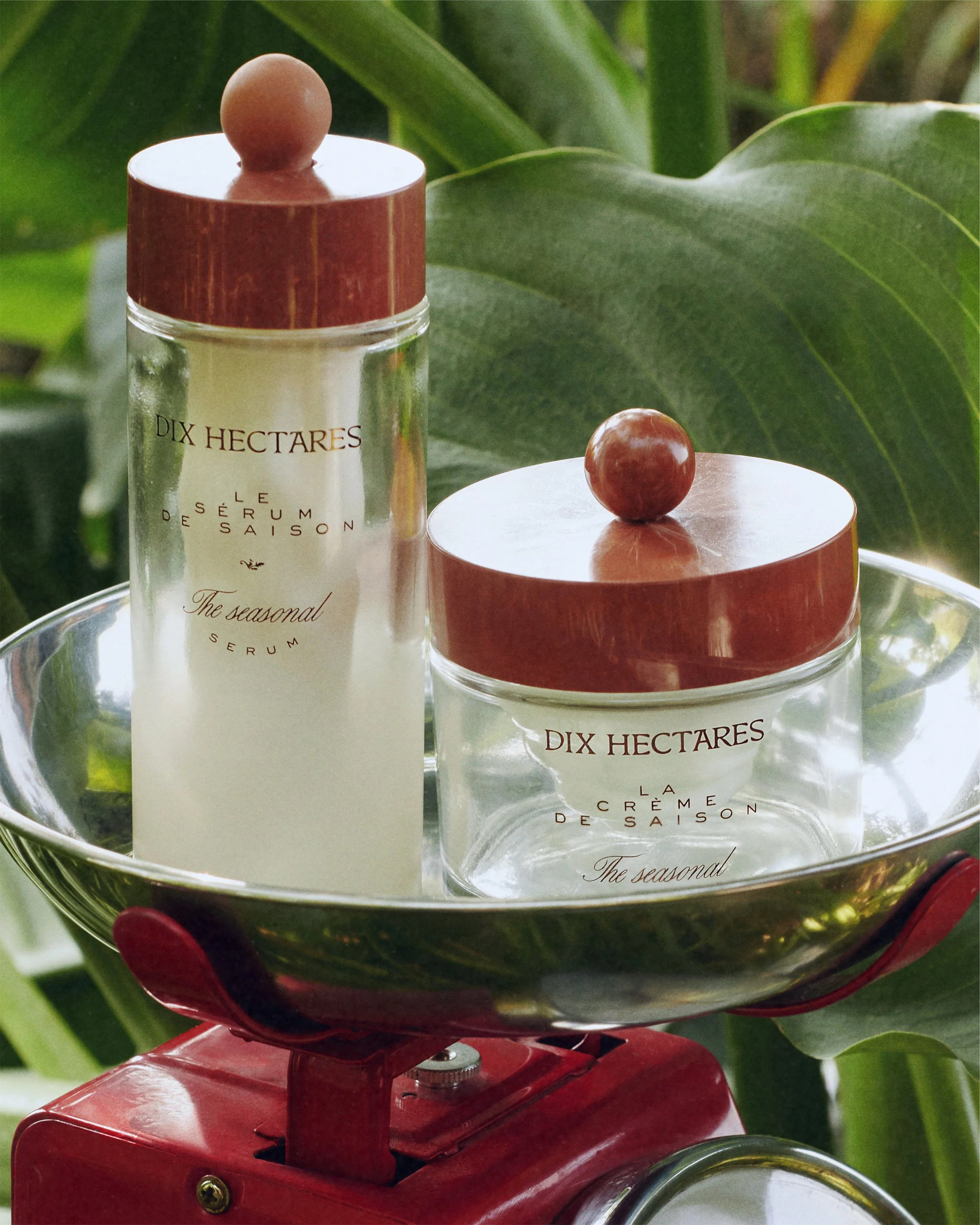
credit: Dix Hectares
You studied management in the United States, spent 3 years at L'Oréal New York, then moved to TF1. None of that pointed toward formulating skincare from plants grown in the Bordelais. What happened, what moment, what intuition brought you here?
L'Oréal was my first professional adventure, and it deeply shaped me in many ways. It made me realize the power of beauty, and the role it plays in our everyday lives, enhancing self-confidence, empowering men and women.
During that time, I came across an article on Lady Bamford, a pioneer in organic food and beauty portrayed in a tasteful English countryside aesthetic. This was my "aha" moment: one day, I was going to rethink the high-end skincare segment by making it virtuous and instilling a French art-de-vivre DNA. Immediately, I thought of linking it to Château Montrose, which always held a special place in my heart, governed by an incredible biosphere and very demanding practices.
I never forgot this North Star during my six years working at TF1, and the year I turned 30, the entrepreneurial itch became impossible to ignore. So I decided it was time to give it a shot.
At the heart of Dix Hectares is Géodermie, the idea that skin and soil are two multilayered ecosystems governed by comparable biological logics. When did you first articulate that, and what led you to it scientifically?
Every time I came to Montrose, I would hear the teams speaking of the soil as Earth's greatest treasure. They care for it with so much respect and intention. In a way, it reminded me of how I viewed skin. The parallel of them being two living envelopes was not hard to draw. I decided to dig deeper into the meaning of terroir and came across a documentary on regenerative agriculture. That is when it became clear to me that we would harness the magic of Montrose's terroir to birth our actives, and even better, that given the right care, soil could self-regenerate.
I then researched the structure of both soil and skin and discovered they each have three layers with strikingly similar functions. Both outer layers host a microbiome that acts as the first line of defense against external aggressors. Both middle layers are dense, structural zones responsible for water retention and nutrient transfer — the dermis in skin, the subsoil in earth. And both inner layers serve as the deep reservoir of renewal: the hypodermis stores energy and signals regeneration, just as the bedrock layer anchors the ecosystem and feeds long-term biological cycles above it.
This is when it became clear to me that bringing ancient soil wisdom to skincare was not poetic license. It was biologically coherent.
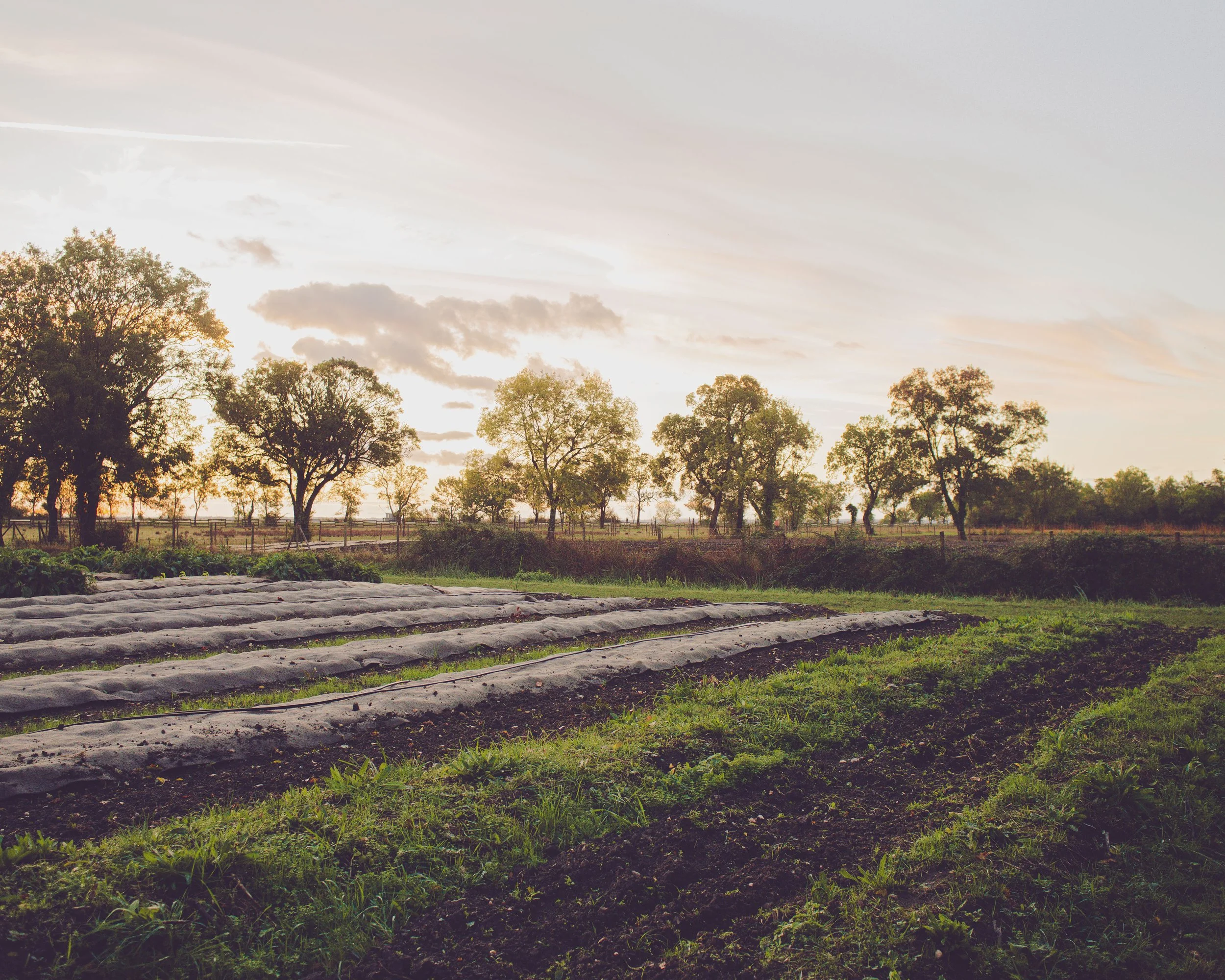
credit: Dix Hectares
You use proteomic science to validate each botanical assembly, mapping the impact of every extract across 6,500 key human proteins. For someone without a biology background, can you concretely explain how that approach differs from conventional clinical studies?
I view proteomic science as a game changer for the beauty industry and beyond. The best way I can explain the difference is through an analogy.
A conventional clinical study is like testing whether a single key opens a single door. It tells you if one ingredient works on one targeted outcome. Proteomic science, by contrast, shows you every lock that key touches across an entire building. It maps the full cascade of biological effects an active can trigger — not just the one you were looking for, but every interaction across the 6,500 key human proteins that govern skin function.
This means we don't formulate by assumption. We have a precise, comprehensive picture of what each plant extract is capable of before we ever combine it with another. And it is precisely this depth of knowledge that allows us to build our synergistic seasonal botanical blends with real scientific confidence, rather than relying on historical use or single-marker testing.
You harvest at the exact moment of solstices and equinoxes, extract through low-temperature ultrasound with birch-derived solvents, and your R&D lab sits steps from the plots. That's total vertical integration. What does that proximity between cultivation and formulation make possible that a conventional brand simply can't do?
Cultivating our own active ingredients was the initial idea, but it quickly became the very foundation of the entire project.
A conventional brand sources its extracts from intermediary suppliers. By the time an active reaches the formulation lab, weeks or months may have passed since harvest, and the biological richness of the plant has already begun to degrade.
Because our lab sits steps from the plots, we harvest at the precise moment of peak bioactivity, at the solstices and equinoxes when the plants have reached their fullest biological expression. We dry-freeze and we send to our biotech partner who extracts using our own custom low-temperature ultrasound process that preserves the integrity of every compound.
Not only do we have granular knowledge on our plants' potency, we also have full traceability: we know exactly which plot, which harvest, which batch went into every formula.
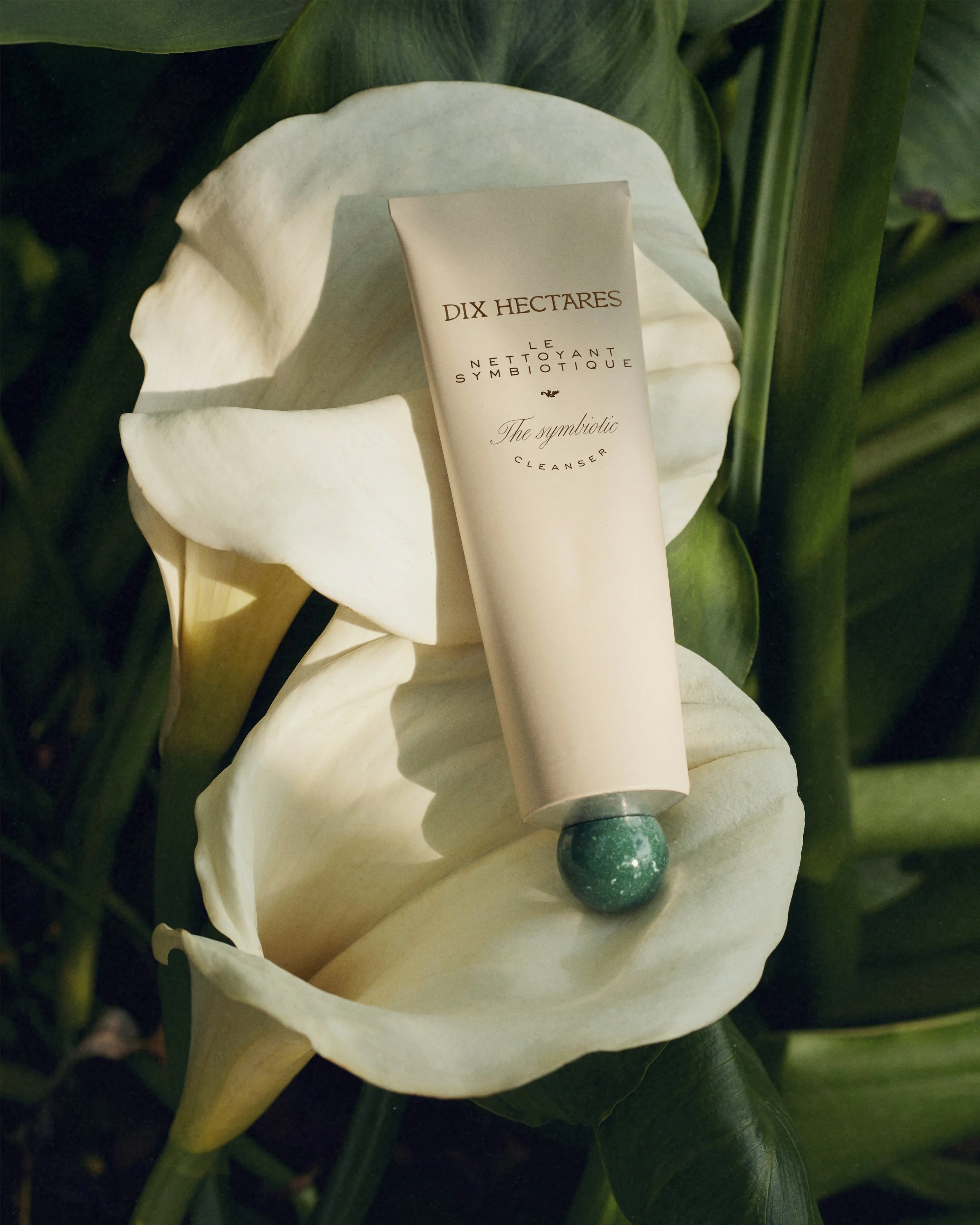
credit: Dix Hectares
The proprietary GEO3Active matrix is built around three types of actives, seasonal botanical assembly, microbiotic complex, phytopeptides, each targeting a different biological layer of the skin. How did that layered architecture come to be? Was it in the project from the beginning?
Our skincare philosophy is rooted in recreating the self-regenerating synergies found in soil and applying that wisdom to skin. The GEO3Active matrix emerged very naturally from that thinking.
First, we use proteomically validated plants to bring targeted seasonal care to the skin's surface, the epidermis. These plants grow in soil which holds a microbiome, and that microbiome must be balanced and enriched for the plants to thrive. The same logic applies to skin: hence our microbiotic complex, which works at the level of the skin barrier to balance the microbiome and enhance the absorption of our home-grown botanicals.
Finally, in soil, it is the root system that allows decompaction and deeper water absorption, reaching down into the structural layers beneath. We view our plant-derived peptides as the analogy of that: highly biocompatible, able to penetrate deeply, and working to redensify the dermal matrix from within.
Three layers of soil. Three layers of skin. Three families of actives. It was always going to be this way.
You launched three AW products and two SS products within a single year. That's not the pace of a quiet brand testing its market. Where are you in developing the range, and how do you decide what comes next?
It can seem fast-paced, yet we actually launched with just two products, something I was very much challenged on at the time.
Our vision is to cover the essentials of a skincare routine in a very French "less is more" manner. We want to stay far away from overcomplicated, overstimulating layering techniques. Serum, cream, cleanser, exfoliant: these are the pillars.
Every launch is thoughtfully crafted in tune with our seasonal harvests, matched with precise plant benefits, and formulated to address the skin's most essential needs. The rhythm is not set by commercial pressure. It is set by the land.
credit: Dix Hectares
The Montrose estate produces a Grand Cru, an object with enormous cultural weight in France. How does Dix Hectares negotiate its relationship to that heritage, without depending on it, without distancing itself from it either?
That is such a great question, and it points to a real tension we think about consciously.
The temptation with a name like Montrose behind you is to let the heritage carry the brand, to lean on the château's two centuries of history and let it do the heavy lifting. We have been deliberate about not doing that.
Montrose gave us the terroir, the biosphere, the agricultural philosophy, and the commitment to sustainable innovation my family instilled in the estate from 2006 onwards. That is our birthplace, and we are proud of it. But Dix Hectares must stand on its own science, its own formulation rigor, its own results.
The relationship is symbiotic. Montrose enriches us, and we hope that what we are building adds a new dimension to its legacy. But the two must be able to stand independently.
The brand is deliberately niche, available in very few retail points. That's a strong editorial choice. At what point does rarity become a constraint rather than a strategy?
At Dix Hectares, our approach is intentionally selective, because we believe our products are best expressed in environments that can truly elevate them. We partner with retailers who place experience, education, and excellence at the core of their proposition — where the level of client advisory, the quality of the retail environment, and the investment in team training create something truly distinctive. These are spaces that build lasting relationships with their clients and are able to translate the depth and uniqueness of our formulations into a meaningful, memorable experience.
We have made no compromises on product quality — from our ingredients to our scientific validation — and it is essential for us to work with partners who can not only present the products, but truly bring them to life and communicate their value with precision and conviction.
Ultimately, we are looking for partners who believe, as we do, that a new model of skincare can exist. One that is both natural, highly effective, and deeply respectful of the skin. Our selectivity reflects this ambition. But when we do partner, we are fully committed to building long-term, supportive relationships. True partnerships that are both sincere and mutually beneficial.
credit: Dix Hectares
Walk me through what you actually use on your own skin right now. What does your protocol look like, and what has working this closely with these formulas taught you about your own skin?
I have a fairly simple regimen, and the first step happens before any product: eight hours of sleep. After waking up, I wash my face with cool water and press a few drops of our Spring Summer serum onto my skin, then gently massage a dollop of Seasonal Cream over my face and finish with an SPF.
At night, I love removing my makeup with our Fertile Balm. It melts away even my most heavily-coated mascara. Every two nights I gently pat on a few drops of our Spring Skin exfoliant, and I literally see the glow set in. I finish with a little Seasonal Cream, or a few drops of our Autumn Winter serum-in-oil if my skin is feeling particularly in need of nourishment.
What working with these formulas has taught me, above all, is to stop second-guessing my skin. The eternal guessing game — "it's hot outside, I feel oily, should I change my cream?" — is over. And I've completely gotten rid of ingredient fatigue. My skin receives the right textures and actives at the right time of year, and it has simply settled into itself.
Ten years from now, where do you see Dix Hectares, and what do you think will have been the turning point for the kind of science-led, terroir-rooted approach to skincare you're building? What will we look back on as having mattered?
I have many dreams for Dix Hectares.
The first is that we will have helped create, and will be recognized as a leader of, an entirely new category: adaptive skincare. Our aim is to become an international reference point where scientific rigor and agricultural knowledge converge, using proteomic science to map the long-term skin benefits of working in sync with nature's cycles.
The second is that we will have continued to push the boundaries of sustainable luxury, from packaging materials and refill systems to new extraction methods, proving that the greenest choice and the most efficacious choice are one and the same.
And the third dream is the one closest to my heart. I want Dix Hectares to grow into a real Maison, one that extends well beyond beauty. I can imagine it touching other categories of craft and savoir-faire, all held together by the same values: scientific integrity, connection to the land, and a commitment to positive impact. A Maison, in the truest sense, is also something you pass on. And I hope that one day I will be able to hand this to my children, not just as a business, but as a living philosophy. Something rooted, something that lasts.
That is what I think will have mattered most when we look back. Not a product, not a launch, but the idea that beauty could be held to the same standards of terroir and traceability as a great wine, and that it could grow from there into something even larger. That felt radical ten years ago. I hope it will feel obvious.
