

Before Scalp Care Had a Category: Caroline Greyl on Fifty Years of Leonor Greyl
The current conversation around scalp care often presents itself as a recent discovery: a category formed through dermatological language, consumer education, and a new willingness to treat hair health as biology rather than finish. The story is not entirely wrong. It is simply incomplete.
Leonor Greyl was founded in Paris in 1968 on a principle that now sounds obvious because the industry has finally caught up to it: there is no beautiful hair without a healthy scalp. Long before scalp care became a commercial category, the maison had already built a method around analysis, tailored treatment, massage, botanical oils, and the idea that hair should be treated from its source rather than corrected at the surface.
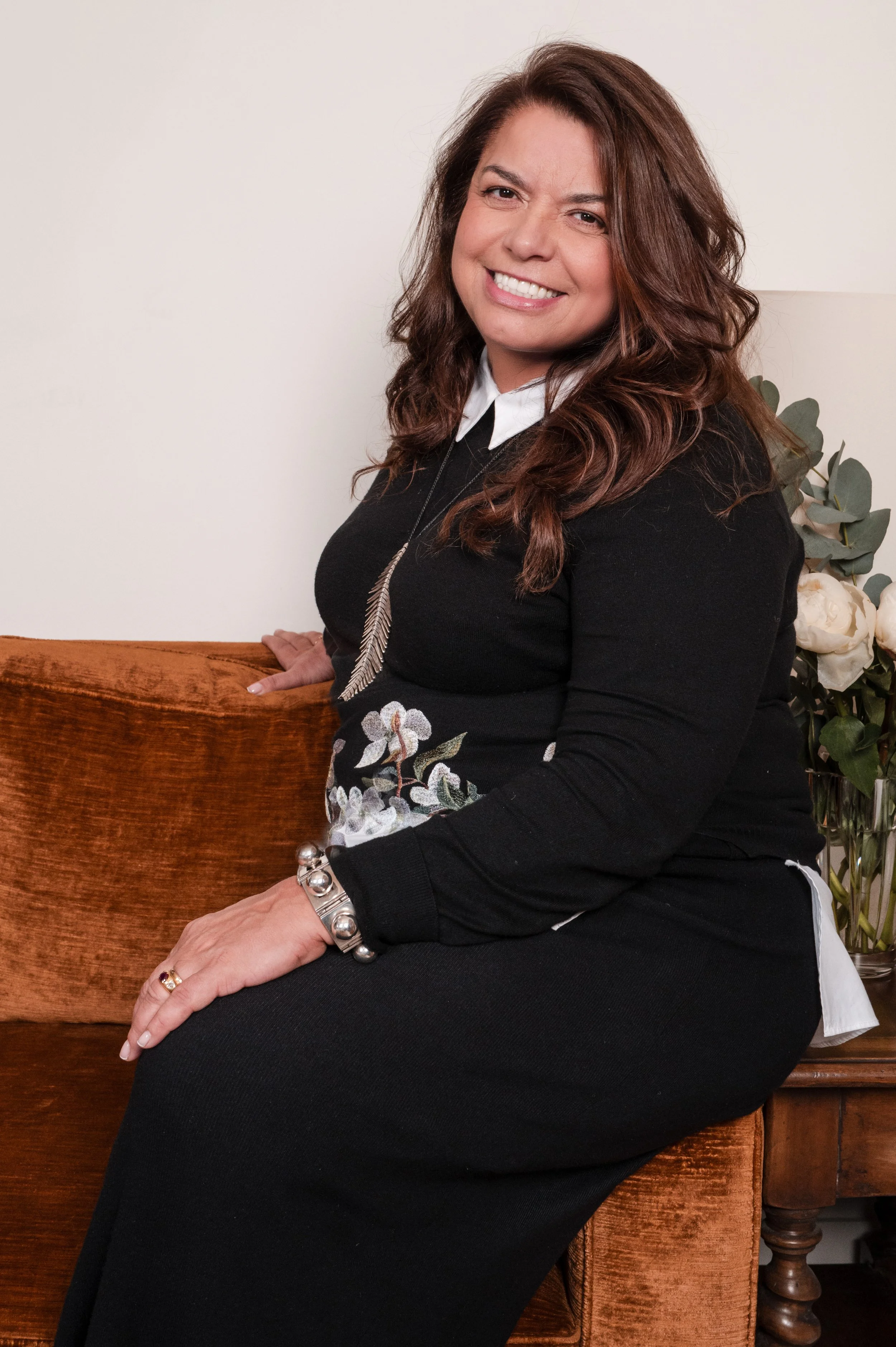
Caroline Greyl leads that legacy today with a specific kind of responsibility. The brand’s history with essential oils and plant-based botanicals predates clean beauty by decades, but she is careful not to reduce that history to a claim of precedence. For Leonor Greyl, natural formulation was never simply about exclusion. It was about selection, balance, sensoriality, and performance,, choosing the right ingredients, in the right proportions, for the hair and scalp in front of you.
That nuance matters in a market that often prefers binaries: clean or not clean, natural or clinical, heritage or modern. Leonor Greyl sits elsewhere. Its longevity comes from a discipline Caroline Greyl describes clearly: knowing what must never change, and being equally precise about what must evolve.
As Huile de Leonor Greyl approaches its 55th anniversary, the brand is not treating its icons as monuments. It treats them as entry points into a broader ritual, one in which scalp, fiber, oil, treatment, and method remain inseparable. In this conversation, Caroline Greyl reflects on legacy, botanical formulation, the rise of scalp care, and what it means to lead a maison whose founding argument has become newly contemporary.
Read the full interview below.
If this article resonated, come inside the Future of Skincare newsletter on Substack. Beauty Signals is the deeper layer within it, weekly patterns where skincare meets culture, for skin intellectuals, beauty anthropologists, and the cosmetics curious. Read the opening free, full access at latte with me level.
Your mother Leonor founded the brand in 1968. A woman launching a luxury haircare company in Paris in the 1960s was genuinely extraordinary. What does that founding act mean to you now, as the person leading the brand?
My mother founded the brand in 1968, at a time when women were only beginning to claim their place in public and entrepreneurial life. There was already a movement of emancipation in the 1960s, but building a luxury company as a woman on her own vision remained highly uncommon. What I find particularly meaningful is that she did not position herself in opposition to femininity. On the contrary, she embraced it fully. She believed that caring for oneself, cultivating beauty, and expressing glamour were not superficial, but a form of strength and confidence. That philosophy still defines the brand today.
Over the years, women have gained visibility, influence, and independence, but the balance between strength and elegance, between ambition and self-care, remains something we continue to navigate. In that sense, her vision feels extremely modern. Personally, leading the brand today is about carrying that legacy forward. Like my mother, I believe that beauty is not a constraint — it is a choice, and even a form of empowerment. Every day, I continue that commitment: to create products that respect women, their individuality, and their desire to feel both confident and glamorous. More than a heritage, it is a responsibility to preserve her pioneering spirit while ensuring the brand continues to evolve with the women of today.
Leonor Greyl has worked with essential oils and plant-based botanicals since the beginning, long before clean beauty became a category. Does that history feel like an advantage, or does it create a tension with the way the industry currently narrates the "clean" story?
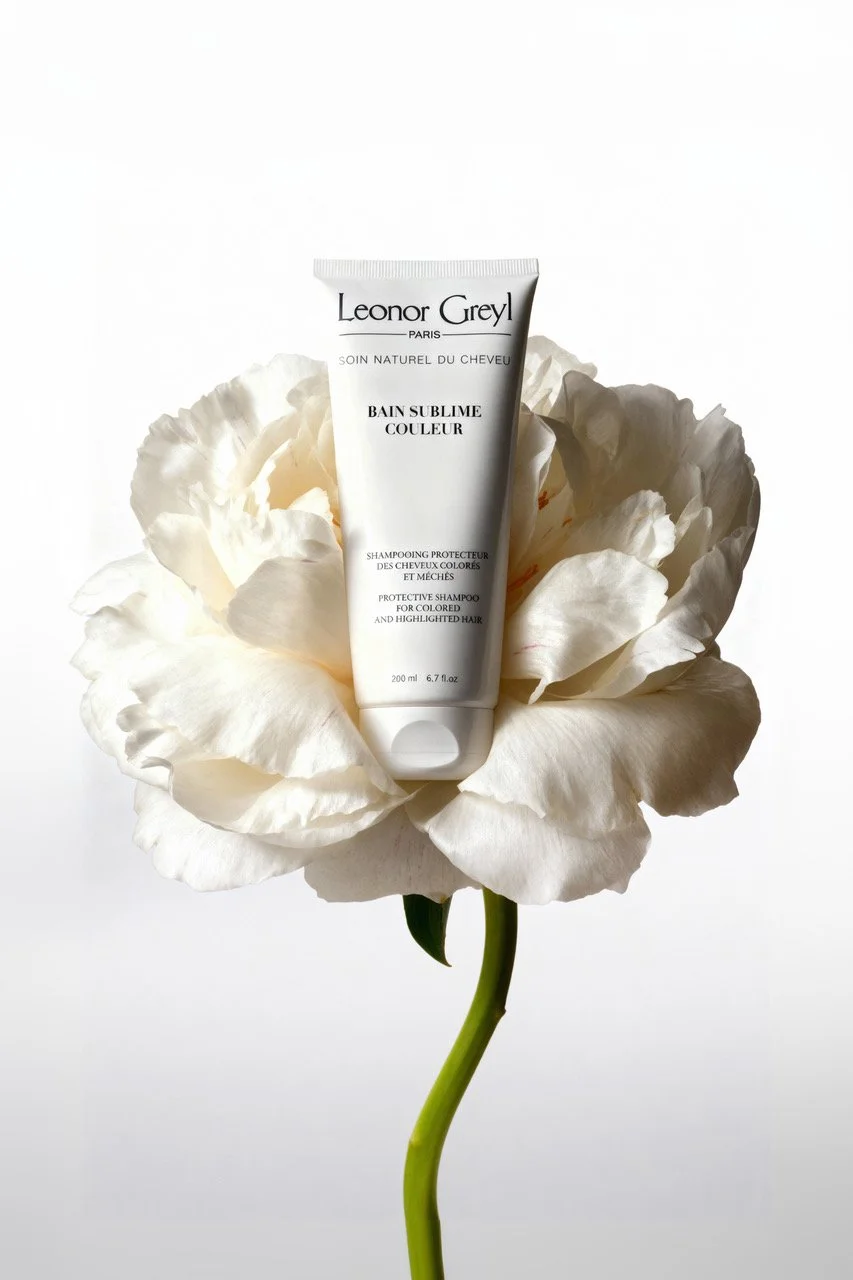
I believe that, fundamentally, it is important to offer products that are as natural and as clean as possible without ever compromising on performance or sensoriality. That has always been our approach, long before "clean beauty" became a defined category. In that sense, our history is clearly an advantage. We did not adapt to a trend; we helped shape a philosophy. Working with essential oils and botanical ingredients from the very beginning gave us a depth of expertise and a level of formulation maturity that cannot be improvised. At the same time, the way the industry speaks about "clean" today can sometimes create a certain tension. The narrative is often simplified, or even reduced to marketing claims, whereas true formulation work is far more nuanced. For us, it has never been about excluding ingredients for the sake of it, but about selecting the right ones, in the right balance, to respect both the hair and the scalp.
If anything, I see it as something positive. The fact that more brands are now engaging with cleaner, more conscious formulations means that consumer expectations are evolving. It raises the overall standard of the industry. And perhaps, in our own way, we have helped inspire some of these vocations. The more voices there are advocating for a more responsible, high-quality approach to beauty, the stronger and more credible that movement becomes.
Leonor Greyl built its identity around the scalp — treating hair health from the root, not just the surface. Long before scalp care became a trend, this was simply the brand's methodology. How do you feel watching a category you've inhabited for decades suddenly become fashionable?
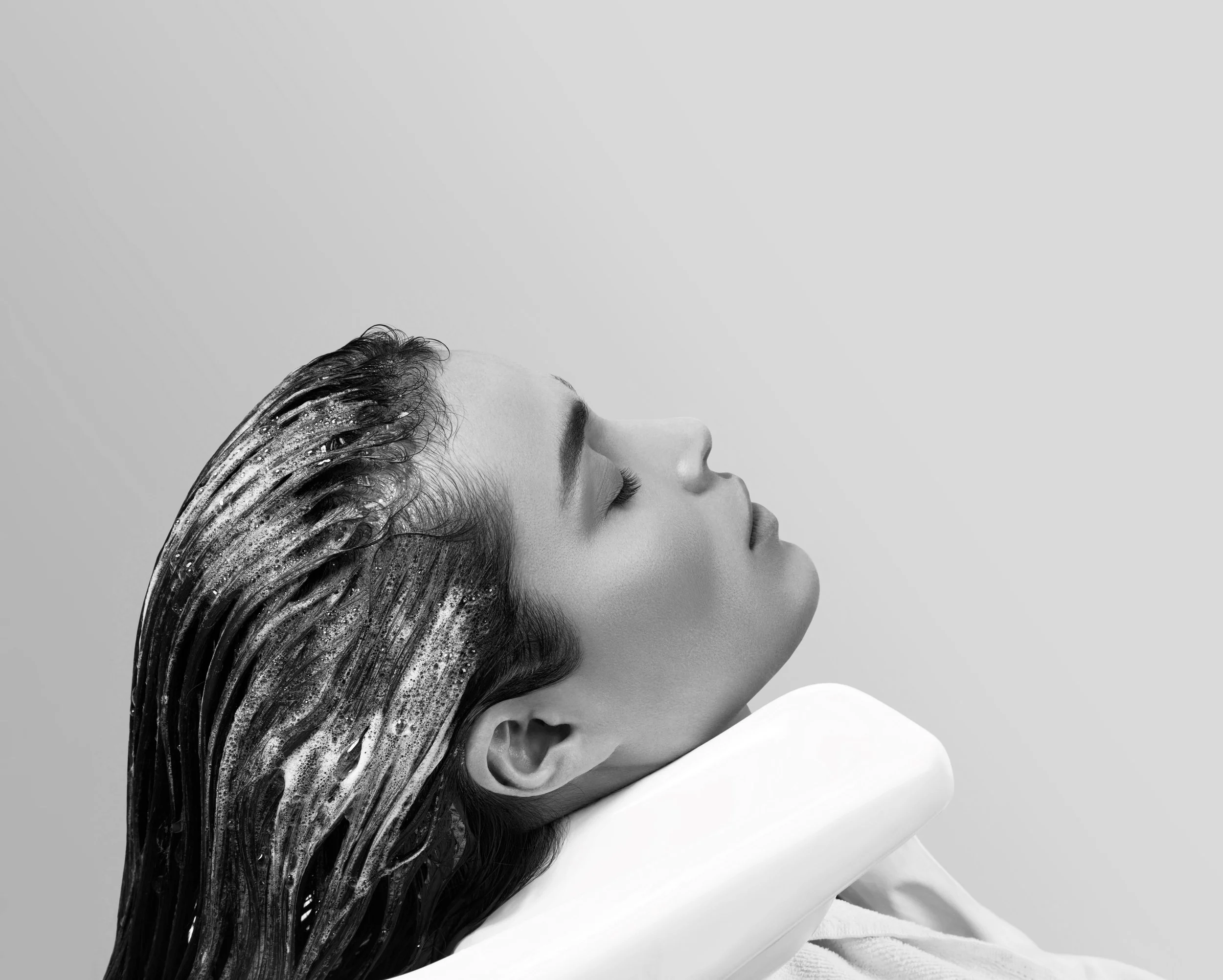
I see it as a very positive evolution. For a long time, haircare was primarily focused on the visible, cut, color, styling, while the scalp, which is the foundation of healthy hair, was often overlooked. At Léonor Greyl, this has always been central to our approach. My mother used to say it constantly: there can be no beautiful hair without a healthy scalp. It became one of the fundamental principles of the brand, almost instinctively. So watching scalp care finally take its rightful place in daily routines is something I truly welcome. It confirms that the conversation around hair is becoming more informed, more holistic, and ultimately more aligned with reality.
Of course, for us, it is not a trend, it is a long-standing methodology. But if it becoming fashionable helps more women understand the importance of caring for the scalp, then it is an excellent thing. In a way, it also validates the vision we have carried for decades. What was once considered niche or ahead of its time is now widely recognized.
What's a product in the range that you think deserves far more attention than it gets?
Rather than highlighting a single product, I would naturally point to our oils as a category. They are, in many ways, the most essential yet often underestimated part of a haircare routine. Oils have the ability to respond to a wide range of hair concerns, whether it's nourishing dry lengths, protecting the fiber, enhancing shine, or supporting scalp balance. They are incredibly versatile, and when used correctly, they can truly transform the quality of the hair over time.
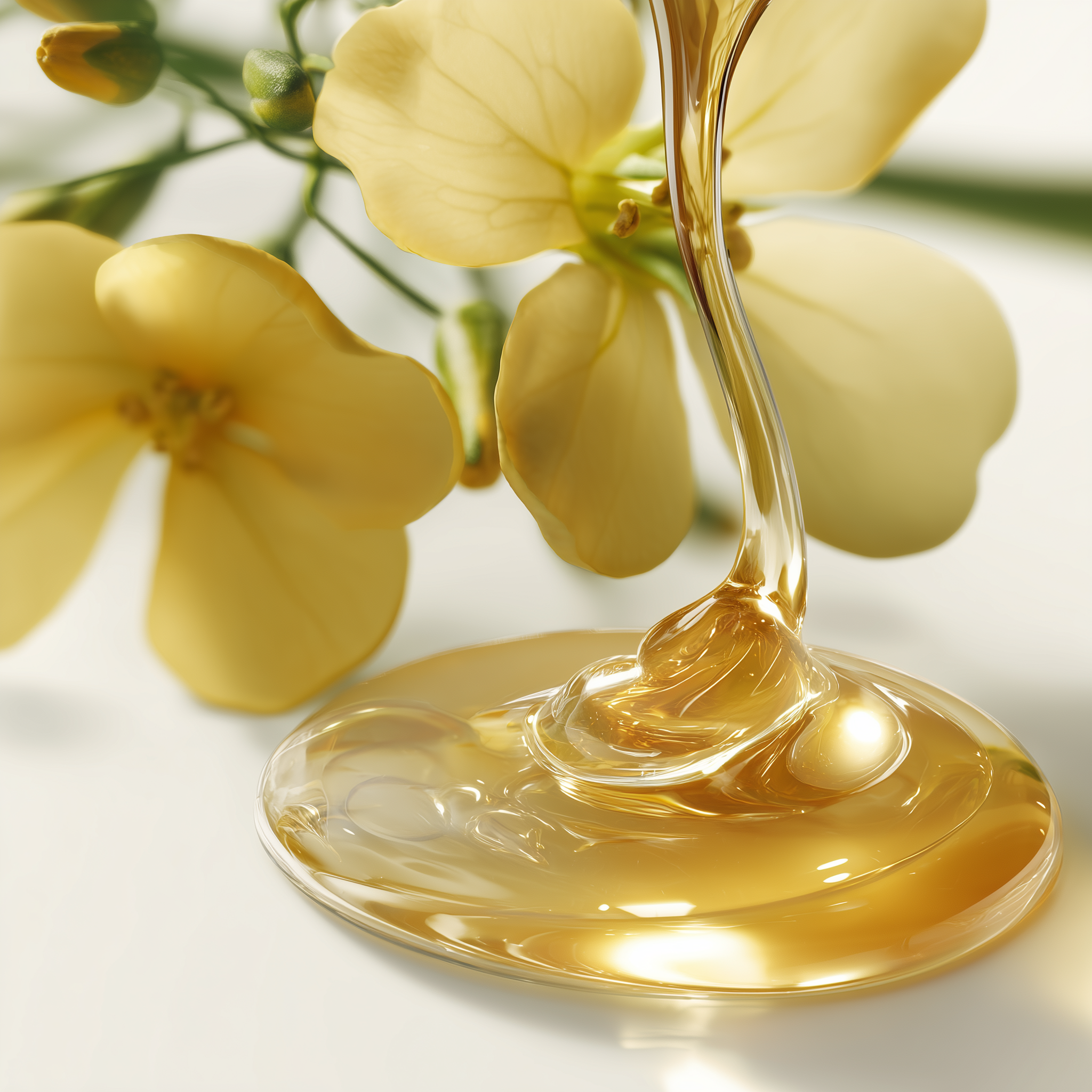
At Leonor Greyl, oils have always been fundamental. They are at the heart of our philosophy and have consistently played a central role in our formulations. Long before it became more widely understood, we believed that botanical oils were key to maintaining both the health of the scalp and the beauty of the hair. I think there is still more education to be done around how to integrate oils into daily or weekly routines,, whether applied to the scalp, the lengths, or as a pre-shampoo treatment. Once that becomes a habit, it often changes everything. In that sense, oils may not always be the most visible products, but they are certainly among the most transformative.
Walk me through your own hair ritual — what you actually use every morning, what you've changed or abandoned over the years of leading this brand, and what working this closely with these formulas has taught you about your own hair.
My routine is actually quite simple and consistent. Every morning, I apply a leave-in treatment — either a cream or a serum, through the length and ends. It allows me to redefine my natural texture, sometimes encouraging a soft wave, but more importantly, it helps keep the hair hydrated and protected from external aggressions throughout the day. I haven't really abandoned products over time, but I have definitely simplified my routines. Like many women, time is a factor, so I've learned to be more efficient, shortening application times or favoring products that deliver results more quickly. In fact, this has also influenced the way we develop certain formulas, making them more adapted to modern lifestyles without compromising performance.
What working so closely with these formulas has taught me is that hair — especially dry hair — is never static. It reacts constantly to its environment: climate, humidity, water quality. As a result, no routine should be completely fixed. You have to listen to your hair and adjust accordingly. Ultimately, I've learned that consistency matters more than complexity. A few well-chosen, high-quality products used regularly and adapted when needed are far more effective than an overly complicated routine.
Leonor Greyl was offering something close to a "hair spa" ritual decades before the term existed. If you had to describe the original in-salon/at-home protocol as it was conceived then, what were the non-negotiables, and what has stayed surprisingly unchanged?
Our in-salon protocol at the Institute has remained remarkably consistent since its creation. It has always been built on a few essential, non-negotiable steps: first, a precise hair and scalp analysis; then the application of a fully tailored treatment; followed by a dedicated massage to stimulate and support the scalp. A complete method that combined expertise, technique, and sensorial experience. At home, we have always encouraged a ritual that mirrors this philosophy, but in a simplified way. Preparing the hair before shampooing, taking the time to cleanse properly, and then applying a treatment mask are the key steps. It's a disciplined yet intuitive routine.
What has remained unchanged is this idea that consistency and method matter. When these fundamentals are respected, the hair can only improve over time. It's not about complexity, but about doing the right things, in the right order, with the right products. In many ways, what people now call a "hair spa" is simply what we have always believed in: a holistic approach that treats the scalp and hair with care, precision, and intention.
When you formulate with botanicals and essential oils, consistency can be a challenge (harvests, terroirs, natural variation). What does it take, behind the scenes, to keep a formula stable and recognizable year after year without losing what makes it alive?
Twenty years ago, working with botanicals and essential oils did present a real challenge in terms of consistency. Natural variation, harvest conditions, climate, terroir, can all impact the quality and profile of raw materials. Today, the landscape has evolved significantly. Our suppliers are held to extremely rigorous standards, both in terms of cultivation and extraction methods. Whether it is the way plants are grown, harvested, or processed, every step is controlled through very precise specifications. This level of discipline allows us to maintain consistency without stripping away the natural integrity of the ingredients.
Behind the scenes, it requires long-term partnerships with trusted suppliers, strict quality control, and a deep understanding of each raw material. We are constantly evaluating batches to ensure that they meet our standards, while preserving the sensory and functional qualities that make the formulas "alive." Of course, nature still has its own rhythm. Climate variations can affect availability and, at times, significantly impact the cost of certain raw materials. But for us, maintaining quality always comes first. Ultimately, it is about finding the right balance — ensuring stability and reproducibility, while respecting the richness and variability that are inherent to natural ingredients.
Longevity is rare in beauty. What do you think a brand must protect at all costs to last, and what must it be willing to reinvent? If you look back at the last 10–15 years, what was the hardest reinvention for Leonor Greyl?
Longevity in beauty comes from a very clear discipline: knowing exactly what must never change, and being equally clear about what must evolve. What a brand must protect at all costs is its DNA — its founding principles, its values, and above all, its uncompromising commitment to quality. These are the elements that build trust over time and create a true identity. Without them, longevity is not possible.
At the same time, a brand must be willing to continuously reinvent how it expresses itself. Not the essence, but the form. Over the past 10 to 15 years, the most significant shift for us has been adapting to a much more immediate, digital world. Social media, for example, simply did not exist in the way it does today, and it has become an essential channel to connect, educate, and remain relevant. That transition was probably one of the most challenging. Moving from a more discreet, heritage-driven communication style to a more direct, consistent, and visible presence requires not only new tools, but a different mindset. Ultimately, it is about finding the right balance: staying deeply rooted in who you are, while evolving in how you engage with the world around you.
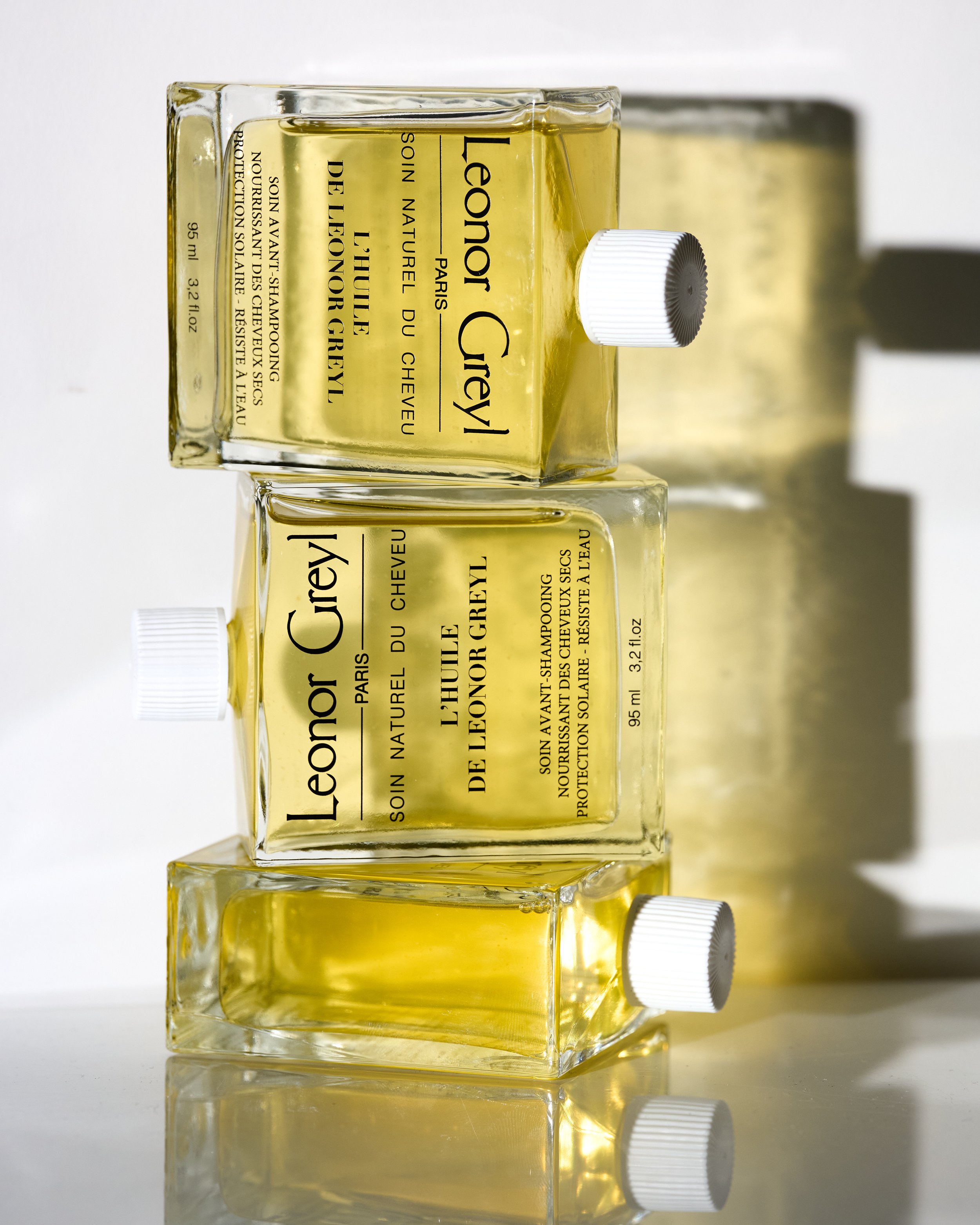
Huile de Leonor Greyl is reaching its 55th anniversary. If you could tell the story of that oil as a cultural object — not just a product — what would you say it represented at launch, and what does it represent now?
The story of L'Huile de Leonor Greyl is, of course, rooted in a very vivid moment, when Jean-Marie Greyl, during a trip to the French West Indies in the 1970s, observed how rain would run off palm leaves during a hurricane without ever truly penetrating them. That observation led to the creation of a pre-shampoo oil designed to protect the hair fiber in a similar way. But beyond its origin, what makes this oil truly special is what it has come to represent over time.
At launch, it embodied a very forward-thinking idea: that hair should be protected before it is cleansed, and that botanical oils could play a central role in preserving its integrity. It was both intuitive and ahead of its time — a different way of approaching haircare. Today, it has become much more than a product. It is an icon. It represents transmission, something that is passed down from mother to daughter. It is also defined by its immediacy: the visible transformation it brings to the hair from the very first use. In that sense, it sits at the intersection of efficacy and emotion. It is a ritual, a memory, and a symbol of continuity within the brand.
What I find most remarkable is that, while the industry has evolved, the essence of this oil has remained unchanged. It still delivers the same results, the same sensorial experience, and carries the same philosophy it did at the beginning — proving that true innovation can, in fact, stand the test of time.
People often talk about "iconic" products, but icons can become cages. How do you keep celebrating a hero product while still giving oxygen to the rest of the range?
We are fortunate to have several iconic products within the range, not just one. But what is important is that none of them are meant to stand alone, they are designed to work in synergy with others, as part of a complete ritual. At Leonor Greyl, we have always approached haircare holistically. An iconic product often answers a very visible or immediate need, or speaks to a broader audience, which naturally gives it more prominence. But haircare is not built on a single gesture. It is the combination of steps, used consistently, that delivers real, lasting results.
So rather than seeing iconic products as taking space away from the rest of the range, we see them as entry points. They bring people into the brand, and from there, we can introduce a more complete routine — products that may be less visible, but are just as essential. In that sense, icons should not become cages, but rather gateways. They highlight the brand, while the depth and coherence of the full range are what truly sustain it over time.
