

How goop Made the Body Beauty's Territory: A Conversation with Gina Lucania

The face has always had the best publicist. It is the part of our skin that meets the world first, the part we photograph, angle, and optimize. So skincare, as an industry and as a culture, organized itself around it. The body came second. An afterthought, a lotion kept by the bed, applied when remembered.
That hierarchy is dissolving. Body care is one of the fastest-moving conversations in beauty right now, but the category growth is the least interesting part of the story. What matters is what the growth reveals. The face is the part of our skin we manage for other people; the body is the part we still get to keep for ourselves. In lives increasingly conducted through screens and front-facing cameras, caring for the skin nobody else sees starts to look less like maintenance and more like reclamation.
Few brands are better positioned to read this shift than goop Beauty. Long before body care had market projections attached to it, goop was talking about dry brushing, bathing rituals, and recovery, treating the body with the same intention the industry reserved for the face. What once read as eccentric now reads as early. And the timing is structural: beauty has become goop's largest and most profitable business, expanding across 800 Ulta doors and into new markets, with body rituals sitting at the center of the brand's identity rather than at its margins.
When Gina Lucania and I first spoke for Future of Skincare last year, the conversation was about growth, about building retail programs that carry meaning across borders. This time, picking up a thread we started in Paris, we moved below the neck. Gina is Vice President of Sales and Marketing for Wholesale at goop, but she is also a yoga teacher and a Reiki practitioner, and that combination matters for this subject. She thinks about the body from both sides of the counter: as a market she helps build, and as a place she actually lives.
There is a larger signal here. If the last decade of skincare taught us to read ingredient lists, the next one may teach us to read sensation, to treat the few minutes of applying body oil as information about how we are, not just how we look. Gina calls it reconnection. I would call it the moment the body stopped being skincare's periphery and became its territory.
Here is our conversation.
If this article resonated, come inside the Future of Skincare newsletter on Substack. Beauty Signals is the deeper layer within it, weekly patterns where skincare meets culture, for skin intellectuals, beauty anthropologists, and the cosmetics curious. Read the opening free, full access at latte with me level.
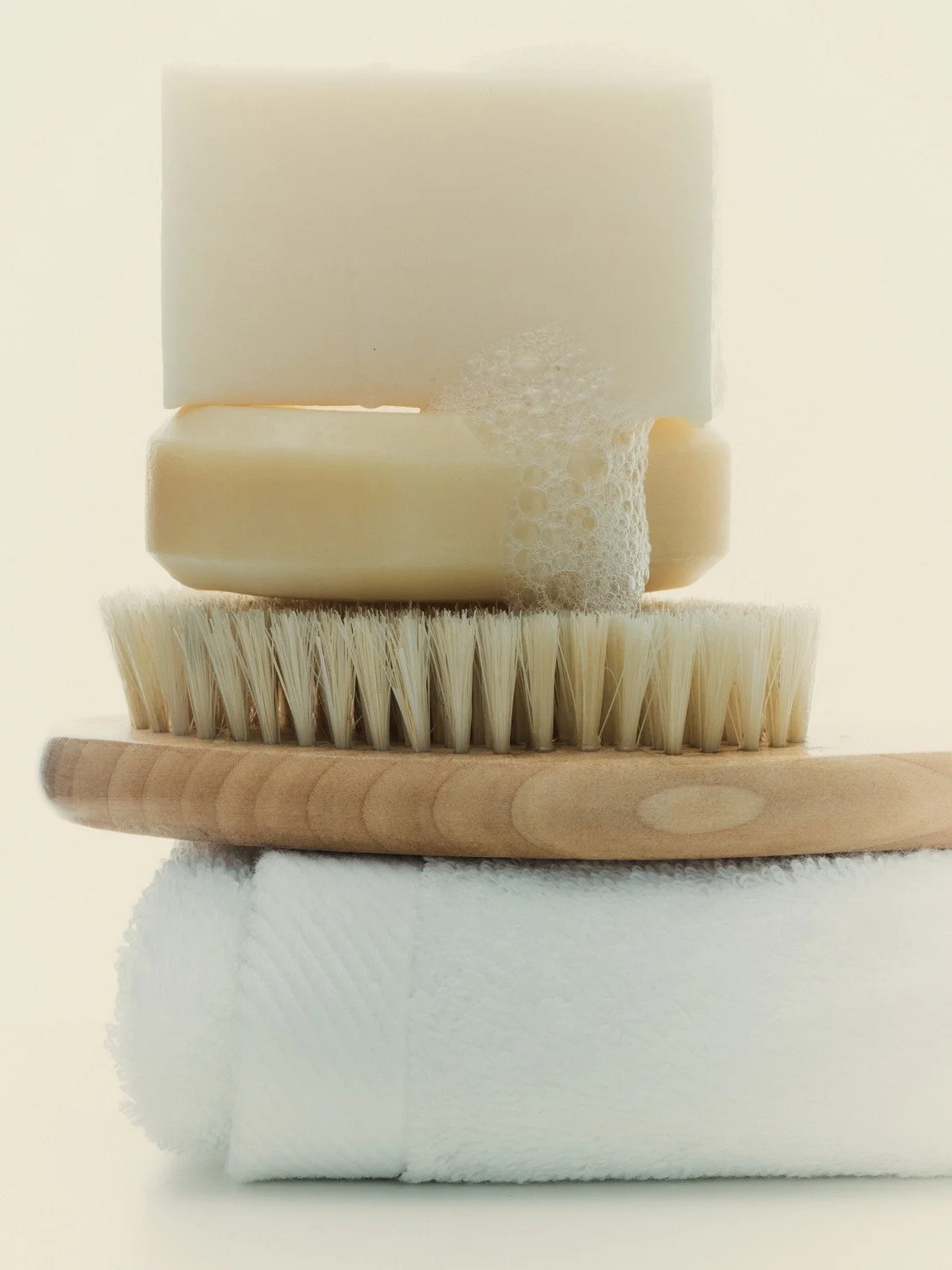
For a long time, skincare has been almost entirely face-led. Why do you think body care is becoming more central now, not just as a category, but as a way of thinking about beauty and wellness?
For years, beauty focused almost exclusively on the face, but consumers have become much more holistic in how they think about wellbeing. There's a growing understanding that caring for ourselves isn't isolated to one area of the body. People want their routines to feel more integrated, intentional, and supportive of overall wellness.
As someone who teaches yoga, practices Reiki, and spends a significant amount of time traveling globally, I've seen firsthand how people are increasingly seeking rituals that help them reconnect with themselves. Body care has evolved beyond a functional category and become part of a larger wellness conversation—one that recognizes beauty isn't just about how we look, but how we feel in our bodies.
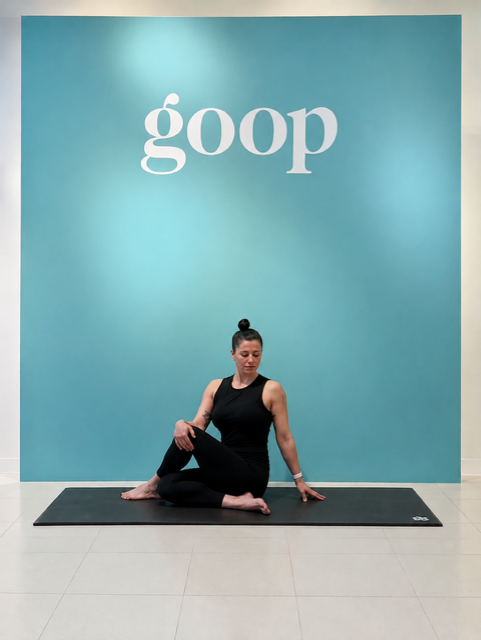
At goop Beauty, body care often feels connected to ritual rather than just product use. How do you think about the difference between treating the body as skin, and caring for the body as part of a larger wellbeing practice?
Treating the body as skin focuses on the physical outcome—hydration, exfoliation, firmness, smoothness. Those benefits matter, but at goop Beauty we've always believed the experience is equally important.
As a yoga teacher and Reiki practitioner, I think a lot about the relationship we have with our bodies. Body care becomes something different when it's approached as a ritual rather than a task. A few intentional minutes spent dry brushing, showering, or applying body oil can create a moment of presence in an otherwise busy day. The products deliver results, but the ritual creates connection. That's where beauty and wellbeing intersect.
Many people first discovered goop Beauty through body rituals like dry brushing, exfoliation, glow products, or sensorial shower routines. What role has the body played in shaping the identity of goop Beauty from the beginning?
Body care has been part of the goop conversation from the very beginning. Long before body care became a major category, Gwyneth was talking about dry brushing, bathing rituals, movement, recovery, and the importance of caring for the body with the same intention people brought to facial skincare.
That philosophy helped define the brand. We've always approached beauty through the lens of wellness, and body care naturally sits at that intersection. It reflects our belief that self-care should be both effective and restorative, delivering visible results while creating moments of connection and balance.

As we move into summer, what body care routine would you recommend for skin that feels smoother, more nourished, and more luminous, without overcomplicating the ritual? Are there specific goop Beauty products or gestures you would prioritize?
I'm a big believer that consistency matters more than complexity. My ideal summer routine starts with dry brushing before showering, followed by gentle exfoliation a few times a week and daily hydration to support the skin barrier and maintain glow.
Because I travel frequently, I'm always looking for routines that are effective but realistic. The best body rituals don't require ten steps. They require intention. A few minutes spent caring for your skin each day can make a meaningful difference in how your skin looks and how you feel. My focus is always smooth, nourished, luminous skin that feels healthy rather than overly perfected.

Body care today is becoming more sophisticated, with textures, actives, exfoliation, barrier support, oils, and sensoriality. What does innovation in body care mean to you, beyond simply bringing facial skincare ingredients to the body?
True innovation goes beyond taking facial skincare ingredients and applying them below the neck. The body has different needs, different challenges, and different opportunities.
For me, innovation means creating products that deliver meaningful results while also enhancing the experience of using them. Texture, absorption, scent, sensoriality, and ritual all matter. The most exciting body care products today recognize that consumers want efficacy, but they also want products that encourage them to slow down and engage with the routine itself.

Do you think the rise of body care also speaks to a deeper cultural need to reconnect with the body in a moment where so much of life is lived through screens, faces, and performance?
Absolutely. We spend so much of our lives looking at screens, participating in virtual conversations, and viewing ourselves through a camera lens. It's easy to become disconnected from the physical experience of being in our bodies.
As a yoga teacher, that's something I see regularly. People are craving practices that bring them back into their bodies and into the present moment. Body care can be surprisingly powerful in that way. Whether it's dry brushing, applying body oil, or simply taking a few intentional moments in the shower, these rituals encourage awareness and presence. I think that's one of the reasons body care is resonating so strongly right now—it offers a simple, accessible way to reconnect with ourselves.
