

Inside Adipeau: Rebuilding Skin from Its Structural Core: A Conversation with Yvan Galanin

*ADIPEAU
*ADIPEAU
In an industry fixated on collagen and glow, Yvan Galanin asks a different question: what holds the face together?
Coming from biotech, where protocols are registered, endpoints are defined in advance, and results face external scrutiny, he was startled by what passed for science in beauty. Studies went unpublished. Methods stayed vague. Data was shaped to fit the narrative. He couldn't build on that foundation.
His entry into skincare was accidental but revealing. Treating severe dermatitis with a cottonseed oil cream healed the inflammation but visibly altered his facial contours. That shift pointed him toward an underexplored layer: dermal fat. Not filler. Not volume for its own sake. But the structural cells (adipocytes) that scaffold the face from within.
Adipeau doesn't chase surface renewal. It works at the level of architecture: supporting fat cell regeneration with Kaempferia parviflora extract, validated through registered clinical trials and reviewed by the Karolinska Institute. The approach is slow, deliberate, and unapologetic about complexity.
What Yvan proposes isn't just a product; it's a reframe. Aging isn't only about what we see on the surface. It's about what weakens beneath it.
If this article resonated, come inside the Future of Skincare newsletter on Substack. Beauty Signals is the deeper layer within it, weekly patterns where skincare meets culture, for skin intellectuals, beauty anthropologists, and the cosmetics curious. Read the opening free, full access at latte with me level.
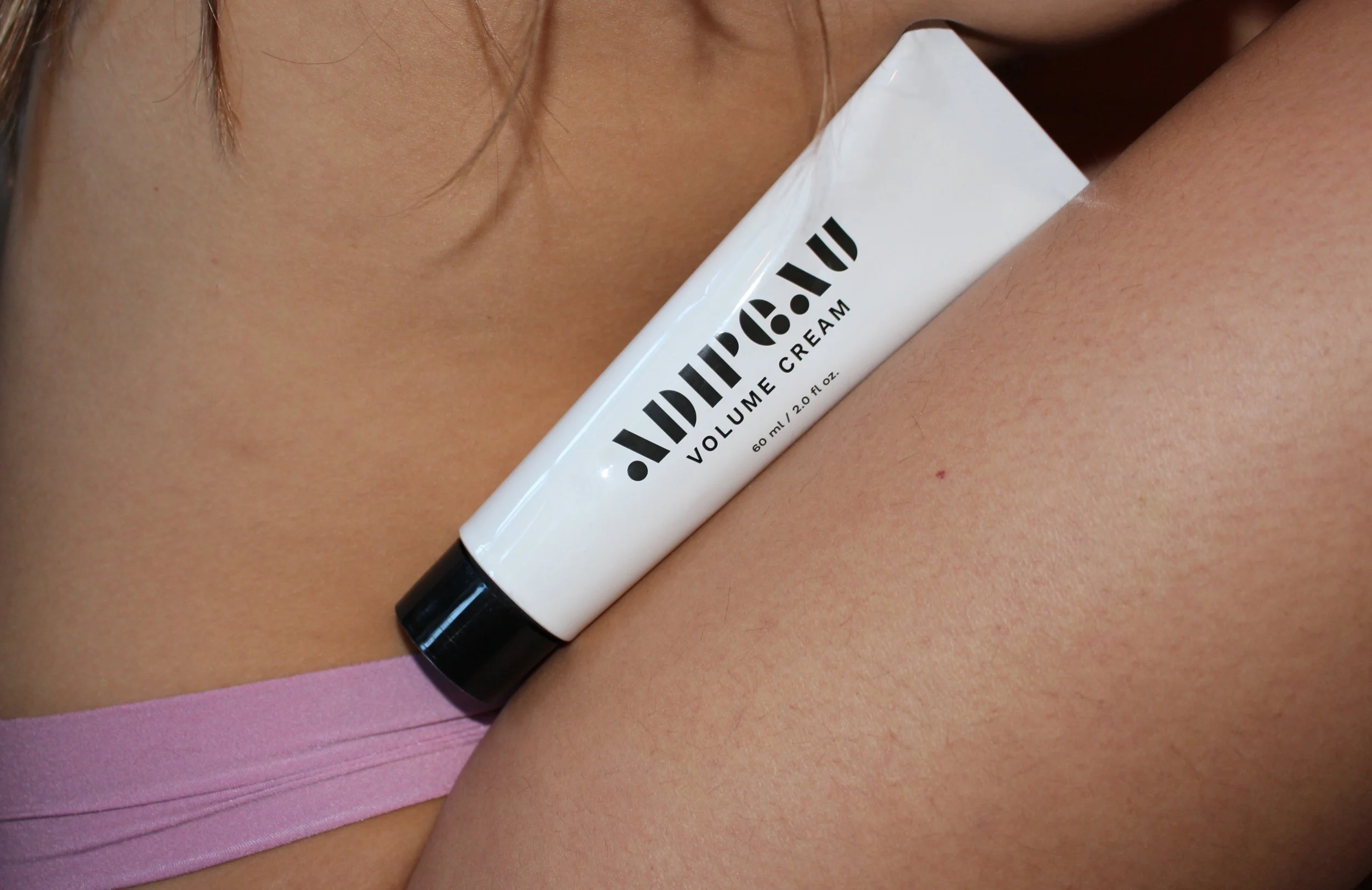
Can you walk us through your background and the path that led you into skincare research? What were you doing before Adipeau?
Before Adipeau, I had been the founder of a biotech company that developed a treatment for a rare genetic disease. When I sold that company, I had the resources to do something truly innovative. The inspiration for Adipeau came from my own case of severe dermatitis, which I was able to heal with a simple cotton seed oil cream. I tried the cotton seed oil cream on my face, but it made my face look saggy and fat. My daughter asked me: “Daddy, what did you do to your face?” The solution to the cotton seed oil induced sagging was Kaempferia Parviflora Extract, which could reduce the size of the fat cells and support new fat cell formation.
You've been outspoken about "fake science" in skincare. What events or experiences led you to that conclusion, and how did they shape the founding of Adipeau?
I was really shocked by how widespread this “fake science” is. Almost every “science-backed” brand cheats by not listing their protocol with a clinical trials repository. That way you can cherry pick the good data and ignore the bad. The cheating goes all the way back to the scientists that were sponsored by Johnson & Johnson when it was getting tretinoin approved. They published papers that were deeply unscientific, almost to the point of being fraudulent. Seeing all of this fake science or “marketing science’ as I call it, has made me determined to do things the right way. That's why we work with the Karolinska Institute. Their reputation is so strong that they would never be tempted to “adjust” things to make us look better. It's also why we register our studies with clinical trial repositories. That makes it a lot harder for us to cherry pick data after the fact.
Most skincare focuses on collagen or the epidermis. Why did you choose to target dermal fat cells?
I saw firsthand how much impact the dermal fat cells have on the entire structure of the skin. That was incredibly motivating, especially when you see how neglected this area is — only Shiseido was actively doing research in the field. So, it doesn't take a genius to say “Yes, let's focus on these powerful, neglected cells.”
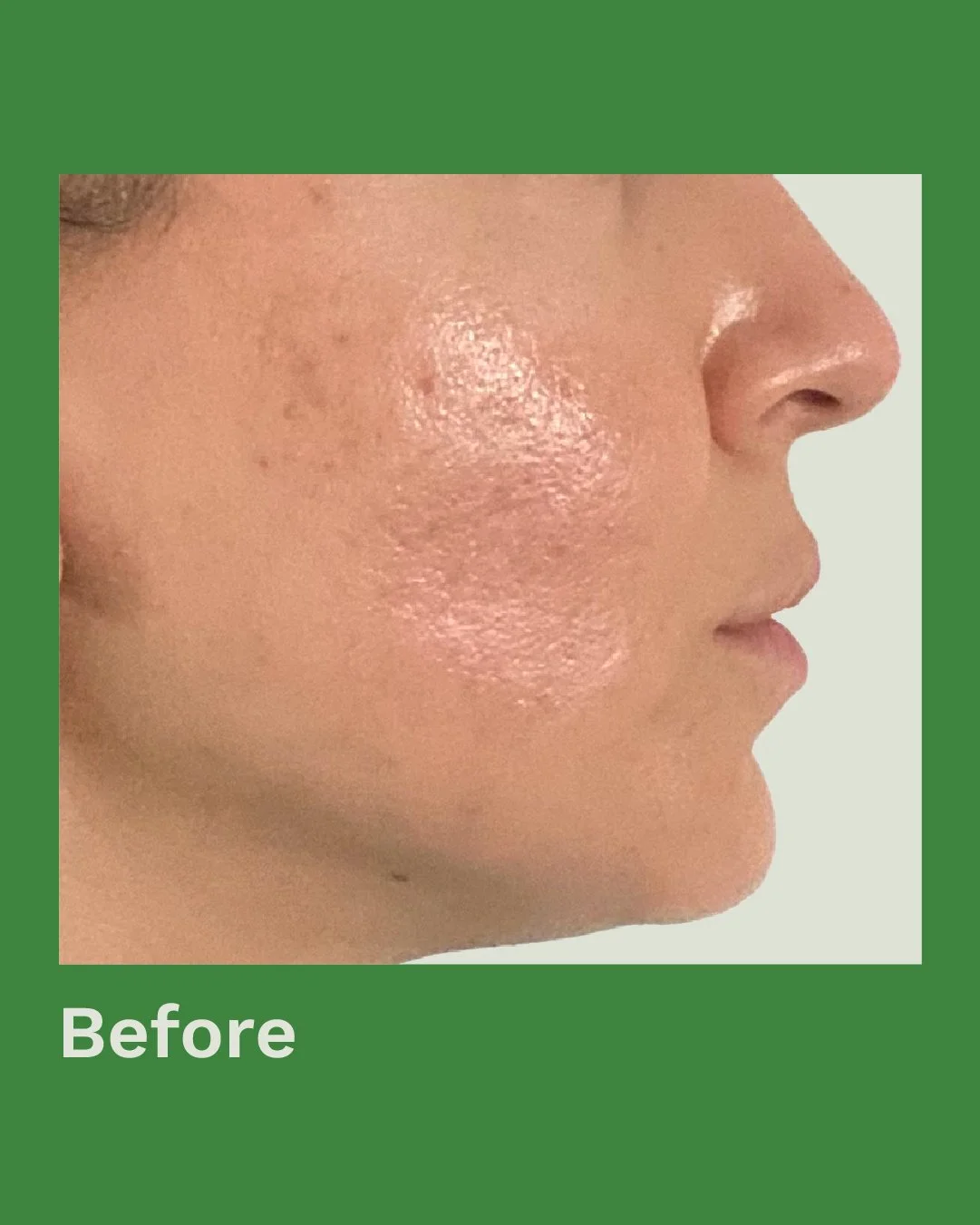
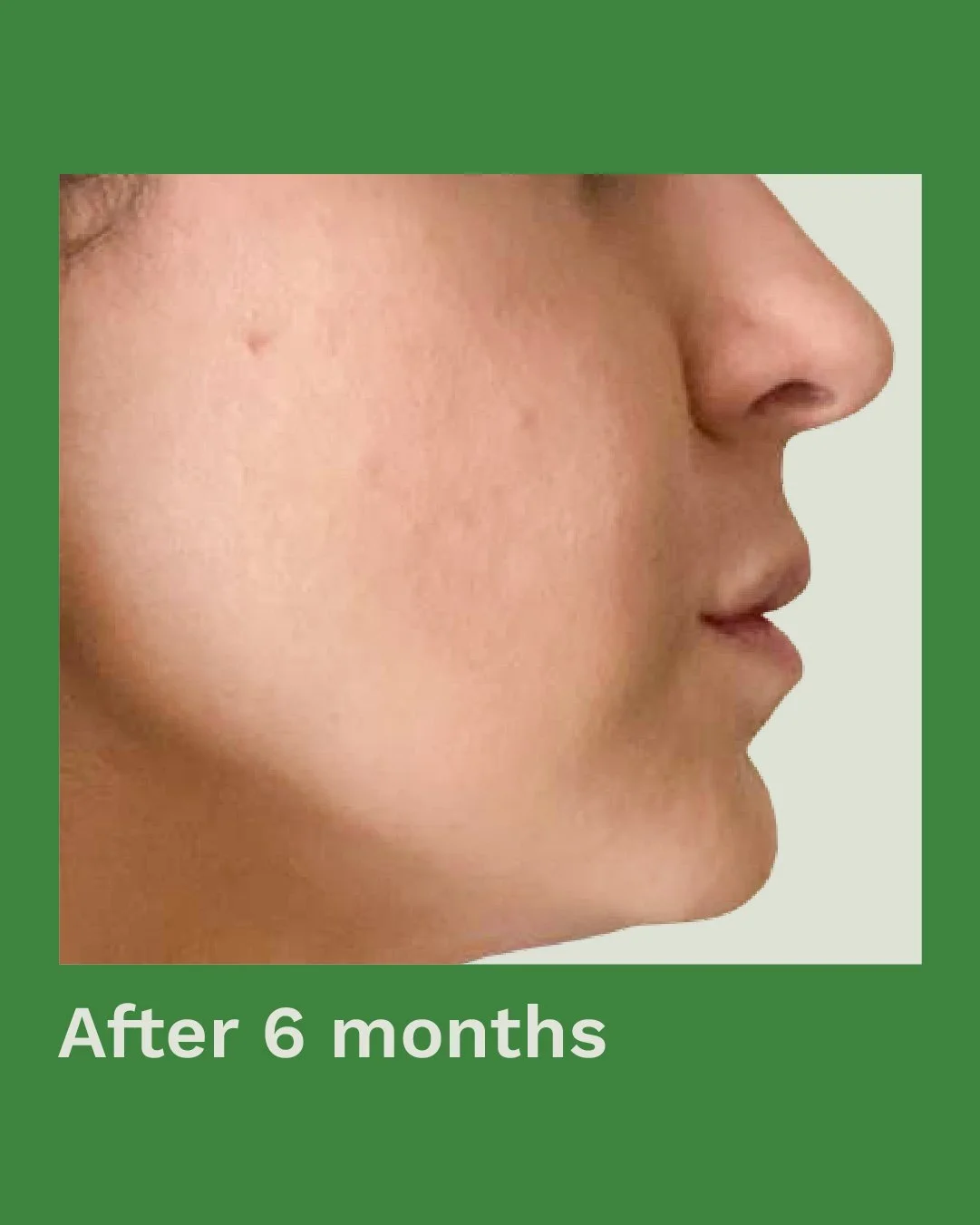
Your formulas center on Kaempferia parviflora extract. How does it work mechanistically, and what other botanicals or molecules are you exploring to complement it?
KPE is very rare, thanks to its dual effects. It reduces fat cell size, but unlike most other molecules that do this — caffeine is the best example — KPE also stimulates proliferation of immature cells. It's the perfect ingredient. With the gel, we really focused on creating a formulation that can deliver KPE effectively into the hair follicles. In terms of complementing KPE, we are looking at something very cool and quite a bit different from where we've been so far.
You insist on registering study protocols and having them externally validated. Can you walk us through one of Adipeau's trials: its hypothesis, endpoints, and findings, and explain why registration matters?
If you look at our current cellulite clinical study registered with the UK clinical trials repository, you will see that we have a well-defined and challenging primary endpoint. We are comparing the improvement in the treated leg at three months to the improvement in the untreated leg after three months. This approach effectively removes global changes — weight gain or loss, new stressors or resolution of stress — from influencing the “improvement”, because these global changes affect both legs. We've specified the endpoint, how it's going to be measured, and how it's going to be evaluated. Before we close the study, we will also specify how the statistical analysis will be done. This way we don't have any room to fudge the results. This rigorous, committed approach is how you build confidence in clinical data.
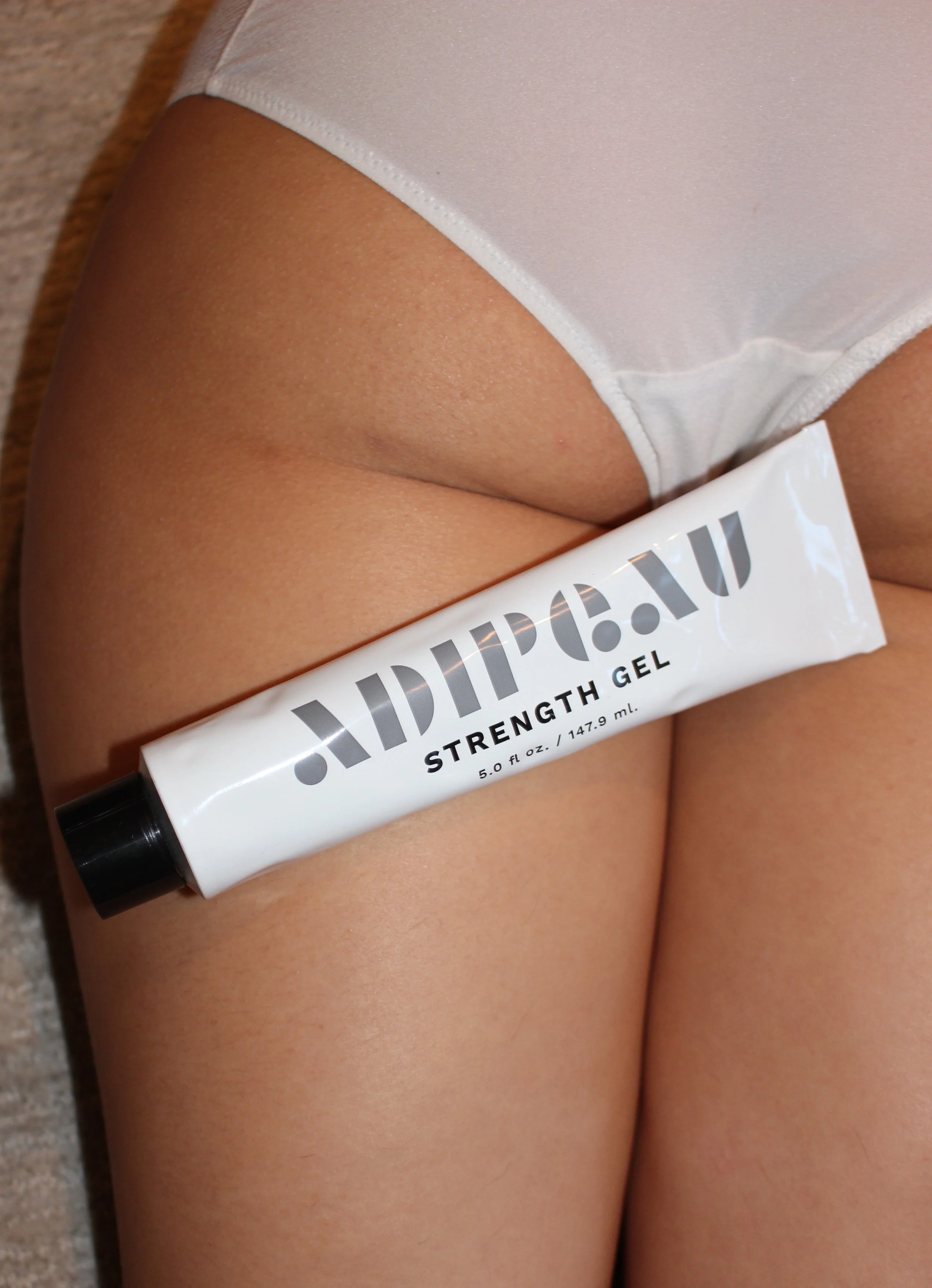
How do you communicate complex science to consumers without oversimplifying or drifting into hype, especially when discussing cellular processes like adipocyte shrinkage and inflammation?
No science is really too complicated to explain to people. The process of communicating science only becomes difficult when you don't understand it yourself or you don't want someone else to really understand it. For example, take the case of a question that we get from our consumers: “Will this grow fat cells where they are not needed?” The answer: “No, because the skin is too smart and because our active ingredients are too weak. An immature fat cell will assess dozens of signals before deciding whether to become a mature fat cell. It will consider whether there is inflammation, whether there is physical stress, whether it has enough growth factors, and so on. The signal provided by our products is a weak one. Unlike a drug, it's not strong enough to override other signals telling the immature fat cell not to mature. Only in the context where there are other signals telling the fat cell to mature, will our product make a difference. And that will only be in the context where new cells are needed.”
Walk us through your personal routine with Adipeau. How much do you use, when, and what do you pair it with? Are there common mistakes people make in application or frequency?
I am a minimalist. I only use the gel. I use it on my face, neck and nose. I don't use it every day. Probably three or four days per week. It's very hard to make a mistake in using the products.
The only small mistake that people make is to rub it into the skin. Rubbing in doesn't give it a chance to go down the pores. Instead, we recommend “painting it on.”
What should someone realistically expect to see in two weeks, six weeks, and three months?
With the cream, your skin will glow after the first use. That “glow” is not from the fat cells but from the keratinocytes in the stratum corneum. With the gel, it takes about 3-4 weeks to see signs of the skin strengthening. When you combine the gel with a bolus of growth factors that the skin would get from microneedling or from gua sha, the results are faster.
Is there a particular skin profile or life stage where targeting dermal fat makes the most dramatic difference?
When someone is in their late 20s, the main use case is puffy & weak eye-skin. By the mid thirties, mouth lines start to develop. That's another form of skin weakness. Then post-menopause is where you have more widespread skin weakness, extending to the jawline and nasolabial folds.
How does Adipeau interact with retinoids, acids, or prescription treatments? Are there ingredients or protocols you recommend pairing with it, or avoiding?
Mild retinols that don't cause inflammation are OK. When the skin becomes inflamed — as in response to Tretinoin — then that inflammation suppresses natural fat cell regeneration. Also, products with high levels of hyaluronic acid — if the hyaluronic is within the first 5-7 ingredients — can be disruptive. High levels of hyaluronic acid destablize the skin barrier.
Beyond clinical endpoints, what have users told you about how Adipeau feels to use and how their relationship with their skin has shifted?
Below is a quote from a person who wrote me today. This shows the intimate relationship we have with some of our customers.
“Thanks for the email. Yeah, no need to remind for buying products, because the products talk by itself. It works a little bit and a little bit day by day, a little bit filling up the gaps, and firming and lifting bit by bit. I checked in front of the mirror every day until to the fullest and firmest!
Even after the fullest, l still keep using it to maintain the best. I also got my own little client to use the strong gel, because she has the whole face and neck sagging skin, l am waiting for her feedback, l know it must be a bit firmer.”
Beyond the Active Face Cream and Body Gel, what other products are in development? Are there applications of your fat-cell research beyond aesthetics (e.g., wound healing, metabolism)?
I can't talk about the products in development, because they may not work and then I will look foolish. But there are applications of the current products beyond aesthetics. There is a class of cancer drugs called EGFR inhibitors that cause a very unpleasant rash. The rash is caused by blocking new fat cell formation. We would like to explore that application. More broadly, as people get very old, they lose dermal and subcutaneous fat and develop visceral fat. The visceral fat is not bad per se, it's just not as good as more superficial fat. At some point, I would like to explore whether the products can be used to maintain or restore superficial fat in much older subjects.
Adipeau is direct-to-consumer, but are you exploring selective retail partnerships in Europe or France? What criteria would a stockist need to meet to align with your transparency and education mission?
For now, our retail partners are aestheticians. They can explain the product utility to their customers. The traditional skincare stores like Sephora and Ulta don't have that ability to educate. I am hopeful that we can find pharmacies in Europe that can play that educational role.
