

Inside iS Clinical: Aura Serras on Science, Sun Culture, and Skin Longevity
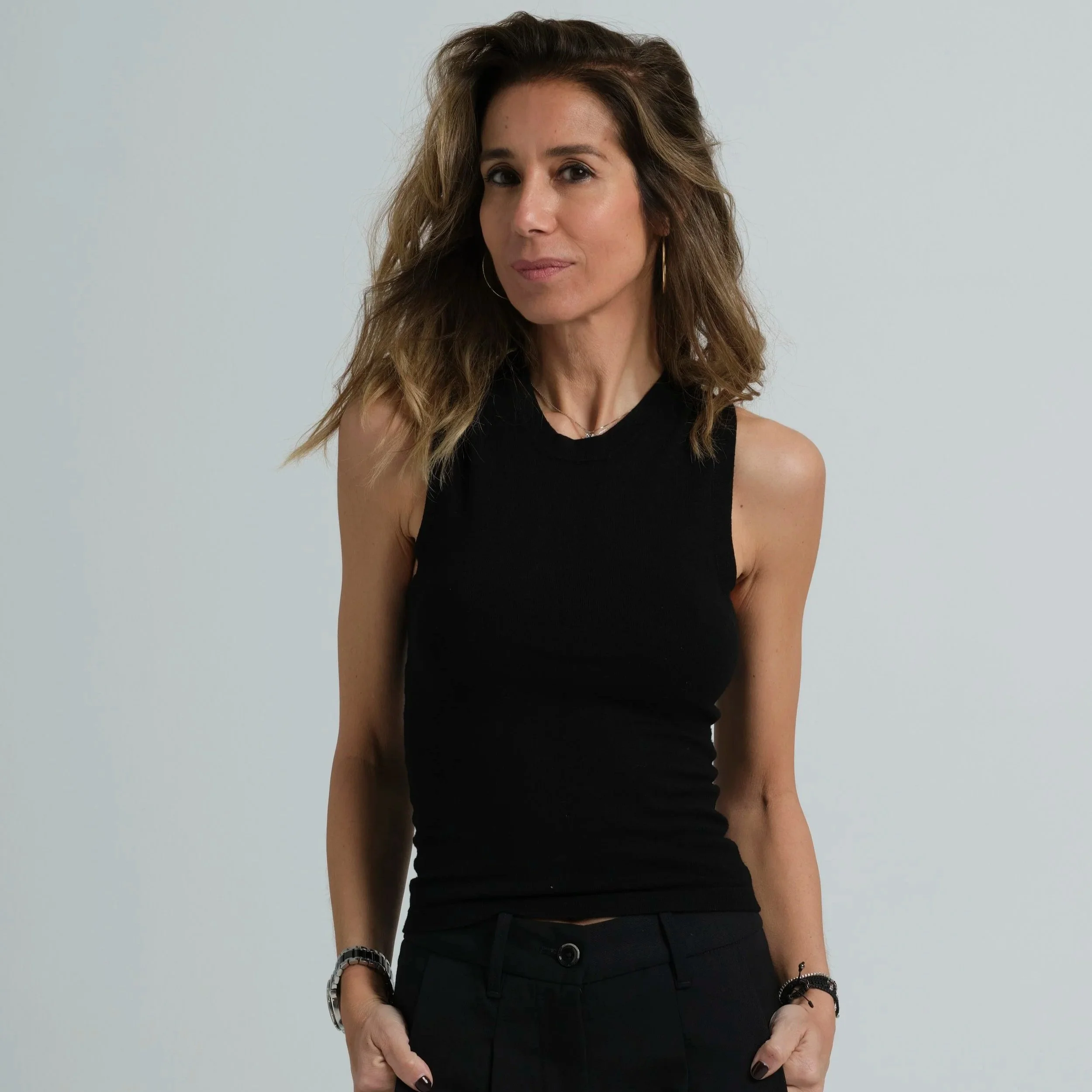
Some authority in beauty cannot be bought. It belongs to the people who put their hands on skin every day, who see the same face come back three weeks later and know exactly what worked. In a market where brands launch faster than they can be evaluated, the professional cabin is the most honest testing ground there is. The brands that still matter in ten years will be the ones a practitioner was willing to put her own reputation behind.
Aura Serras made that bet in 2008. She was running her aesthetics clinic in Barcelona when she started working with iS Clinical, a cosmeceutical brand founded in 2000 on pharmaceutical-grade actives, clinical validation, and formulas built by research scientists with specific biological targets in mind. The results came fast. Her clients came back. Rather than simply reorder, she flew to Los Angeles to meet the founders, because she wanted to know who was behind the formulas she was putting on people's faces. What she brought home was a conviction that the Spanish market was ready for a different vocabulary. Not dry skin and oily skin, but active ingredients, treatment protocols, and results that could be measured.
She came to this work by an unusual route. Psychology first, aesthetics after, and the two disciplines have never been separate in her hands. Skin has a profound impact on how people feel about themselves. That happens to be the register iS Clinical was built in: its founding mission, articulated in 2000, was to improve physical and emotional well-being through healthier skin.
Almost two decades later, in 2026, iS Clinical enters France, including at Le Bon Marché, and Aura Serras is overseeing the launch. She has done it in the same order every time. Results first, vocabulary second, market third.
The conversation covers the science behind the formulas, the Fire & Ice Facial as a clinical and sensorial object, and the question a sun culture like Spain forces into the open.
If this article resonated, come inside the Future of Skincare newsletter on Substack. Beauty Signals is the deeper layer within it, weekly patterns where skincare meets culture, for skin intellectuals, beauty anthropologists, and the cosmetics curious. Read the opening free, full access at latte with me level.
You studied psychology before training as an aesthetician. That's an unusual combination. How does it shape the way you speak with clients about their skin?
It was actually a very organic journey. I studied psychology because I was always interested in understanding people and helping them feel better. Over time, I realized that my professional path was really in the world of aesthetics and skincare, but interestingly, both disciplines are much more connected than people might think. At the end of the day, when you work with skin, you're not only treating an aesthetic concern. Very often, you're helping someone regain confidence, self-esteem, and emotional wellbeing. Skin has a huge impact on how we feel about ourselves. My psychology background taught me how to listen more carefully, understand what's behind each concern, and approach every client with much more empathy and a more human perspective. I still believe our work goes far beyond improving someone's skin — we help people feel better about themselves.
You discovered iS Clinical in 2008 and flew to Los Angeles to meet the founders. What made you willing to bet your career on a brand that was almost unknown in Spain at the time?
I discovered iS Clinical in my aesthetics clinic in 2008, and I immediately realized it was something completely revolutionary for that time. The results were incredibly fast. After just a few days of using the products, patients were already seeing real changes in their skin and giving us amazing feedback. What impressed me the most was that once they tried the brand, nobody wanted to go back to their previous skincare. That's when I realized we were looking at something truly advanced, innovative, and far ahead of what existed in Spain at the time. That's why I decided to travel to Los Angeles with my husband to meet the founders in person and better understand the vision behind the brand. That trip became a turning point for us. We came back with one very clear idea: we wanted to bring iS Clinical to Spain. That's how we founded Aura Cosmetics as a family business, starting from zero, with a lot of hard work but also with the strong belief that we were bringing something that would change the market.
Building exclusive distribution for a prestige cosmeceutical brand from scratch meant educating the market before you could sell to it. What did early education look like?
At the beginning, it was honestly very challenging. There were moments when I felt we were taking on a huge challenge, because we were trying to introduce a brand that nobody knew in Spain and completely change the way many professionals understood skincare. At that time, a large part of the industry was still working in a very traditional way, with products simply categorized as cream for oily skin or cream for dry skin. We started educating professionals in a completely different way, talking about active ingredients, formulations, treatment protocols, and real skin results. We organized live demonstrations of our signature Fire & Ice Facial and introduced something that felt very innovative at the time: combining in-clinic treatments with the right homecare prescription to extend and maximize results. For me, the real luxury of this profession is being able to deliver visible and real results to people who trust you with their skin. I've always believed that beyond trends, marketing, or noise, the most important thing is results. When clients see real improvement in their skin, everything changes. That's how we built the brand in the early years: with a lot of education, consistency, and by never giving up.
iS Clinical is built around pharmaceutical-grade botanical actives. When communicating the science to clinics, aestheticians, and consumers in Spain, how do you translate clinical rigor into something that resonates emotionally?
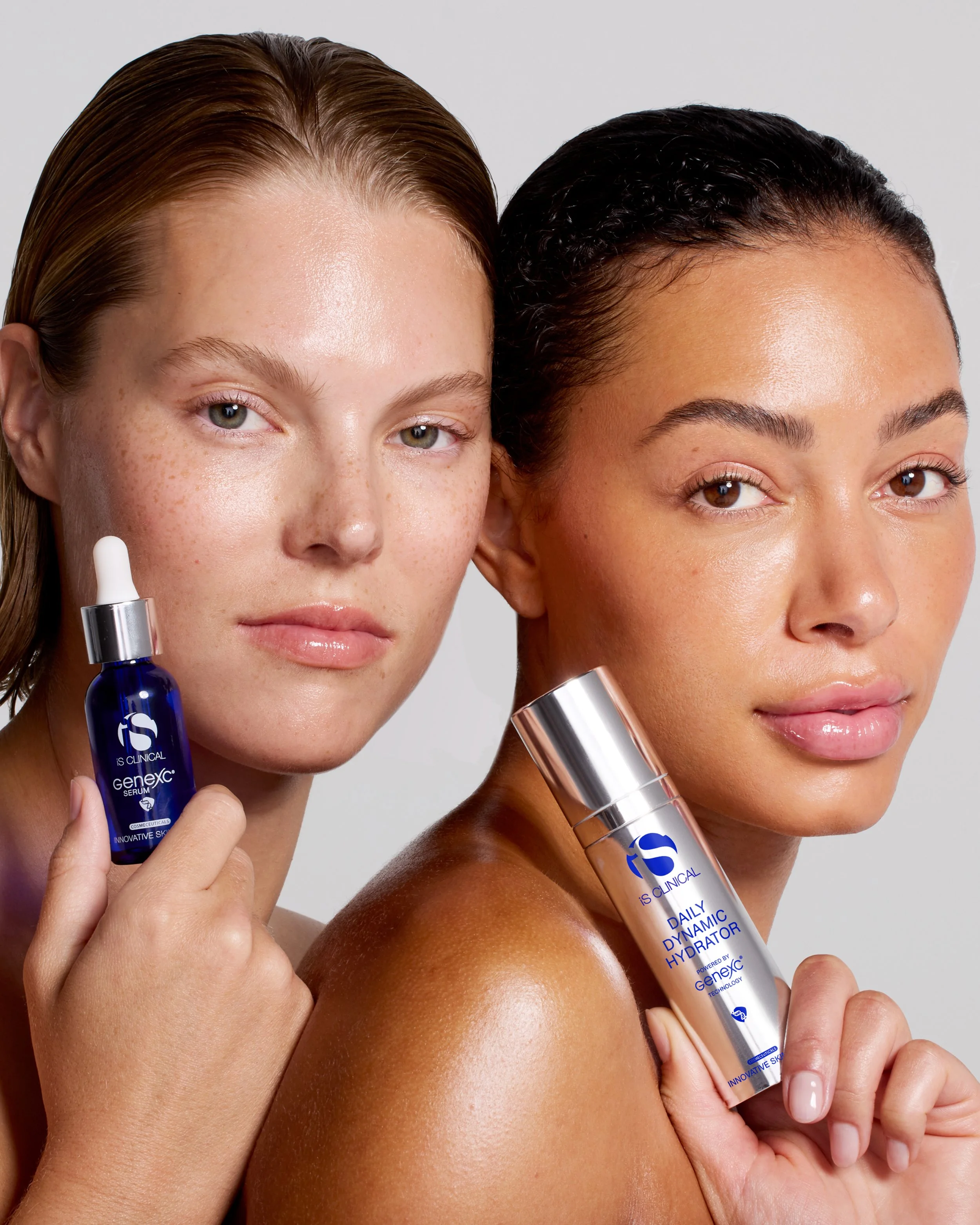
Science creates credibility, but what truly connects emotionally with people is the impact it has on their lives. Since its beginnings in 2000, iS Clinical was created with a very clear mission from its founders: to improve people's physical and emotional well-being through healthier skin. That vision has always stayed at the heart of the brand. I think that was incredibly ahead of its time, because today everyone talks about wellness, self-confidence, and emotional well-being, but iS Clinical understood more than two decades ago that skin has a huge impact on how you feel about yourself. When I speak with clinics, aestheticians, or consumers, of course we explain the science, the active ingredients, and the innovation behind the formulas. But what truly connects is when someone sees their acne improve, their rosacea calm down, their pigmentation fade, or their sensitivity improve — and they regain confidence in themselves. That's when science becomes emotional: when it transforms not only your skin, but also how you feel.
The Fire & Ice Facial has become a signature treatment at Aura Institut. Beyond the marketing, can you explain what actually happens in the skin during that protocol?
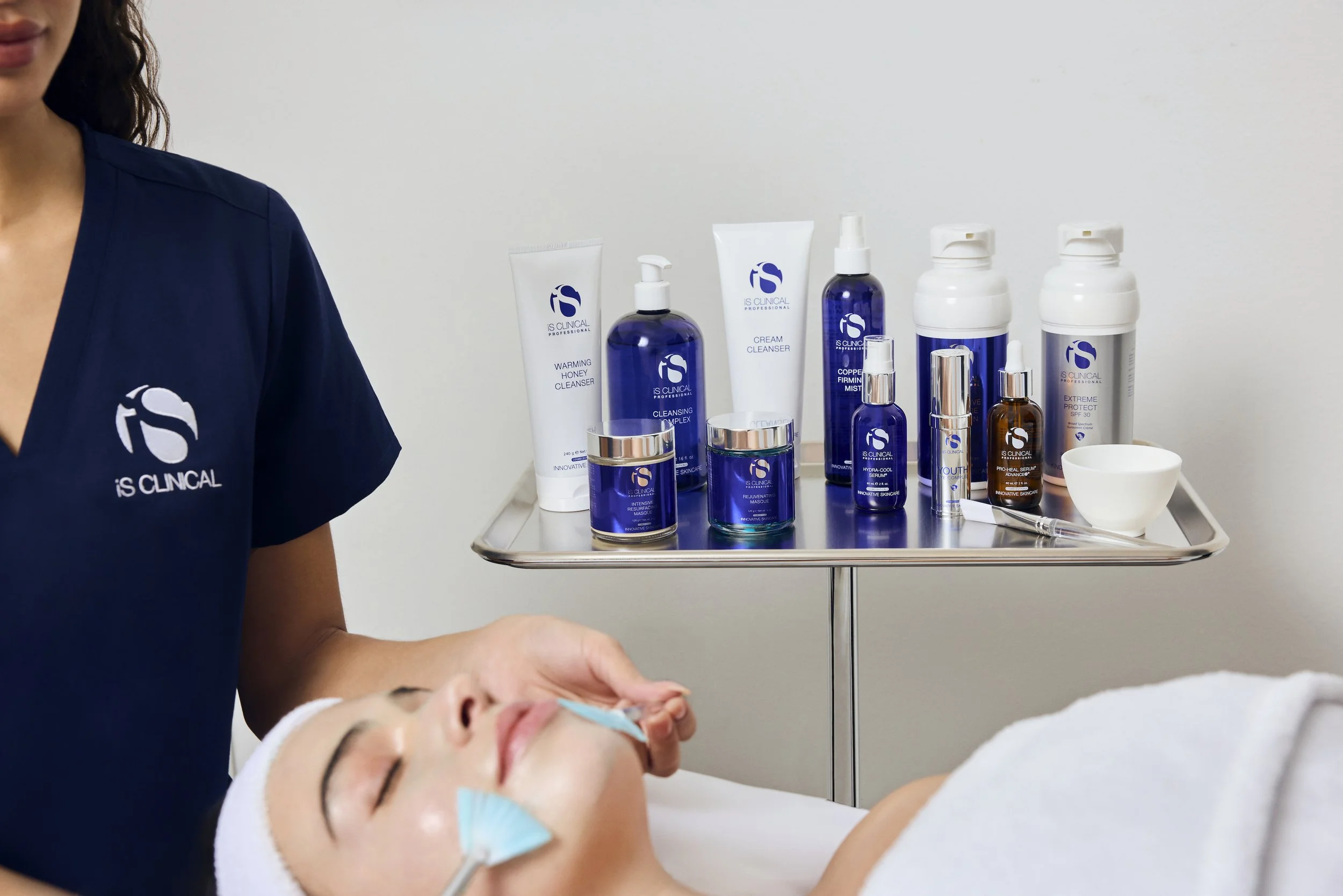
Fire & Ice Facial is one of iS Clinical's most iconic treatments globally and is performed in clinics and aesthetic centers in more than 125 countries. The treatment starts with a deep cleanse adapted to each skin type. Then comes the Fire phase, a powerful but very controlled exfoliation that accelerates cell turnover, improves texture, brightness, and pores, without causing downtime. Then comes the Ice phase, a cooling and soothing mask that reduces inflammation, calms the skin, and restores balance. The treatment finishes with a personalized combination of serums, creams, and sun protection, using ingredients such as hyaluronic acid, vitamin C, olive leaf extract, and the patented Extremozymes technology, which help hydrate, protect, and enhance the final results. We also incorporate specific massage techniques during each phase, so the treatment combines wellness with real clinical efficacy. I think that's the secret of its success: immediate results without sacrificing the experience or the health of the skin.
You opened El Salón by Aura Institut in Barcelona in 2019. What does having a physical space add to the work of building brands in a market?
El Salón by Aura Institut came as an opportunity in 2019, and I decided to take it because it was very important for me to never lose contact with the reality of the market. As a company grows and you become more focused on strategy and distribution, it's very easy to lose touch with the real day-to-day needs of consumers and skin professionals. Having a physical space gives me a very complete view. On one side, I stay connected to the final client — listening to their needs, seeing how their skin evolves, and understanding what truly concerns them. At the same time, it also helps me better understand our professional clients — clinics and aesthetic centers — because we experience many of the same operational, commercial, and treatment challenges they do. It helps us make much smarter decisions as a company because we don't work from theory — we work from real experience. And skin also needs physical experience: people want to touch, feel, try treatments, and see real results. I believe that helps you build brands in a much more authentic way.
Spain has a strong sun culture. How does that change the conversation around photoprotection, photodamage, and longevity compared with Northern Europe?
Yes, absolutely. In Spain, the sun is part of our lifestyle and culture. We spend much more time outdoors, we have beaches, terraces, and holidays that are very connected to the sun. For many years, tanning has also been associated with beauty and a healthy image. And I think that's the biggest challenge. In Spain, we still see many people who only use sun protection during summer or when they go to the beach, but they don't realize that daily and cumulative sun exposure has the biggest impact on premature aging, pigmentation, and overall skin quality. Today we talk much more about longevity, and for me that also means protecting your skin in the long term. That's why a big part of our work is still education: repeating the message again and again, creating awareness, and helping people understand that sun protection is not seasonal — it should be a daily habit.
If you had to pick three hero iS Clinical products — one for prevention, one for correction, one for maintenance — which would you choose, and why?
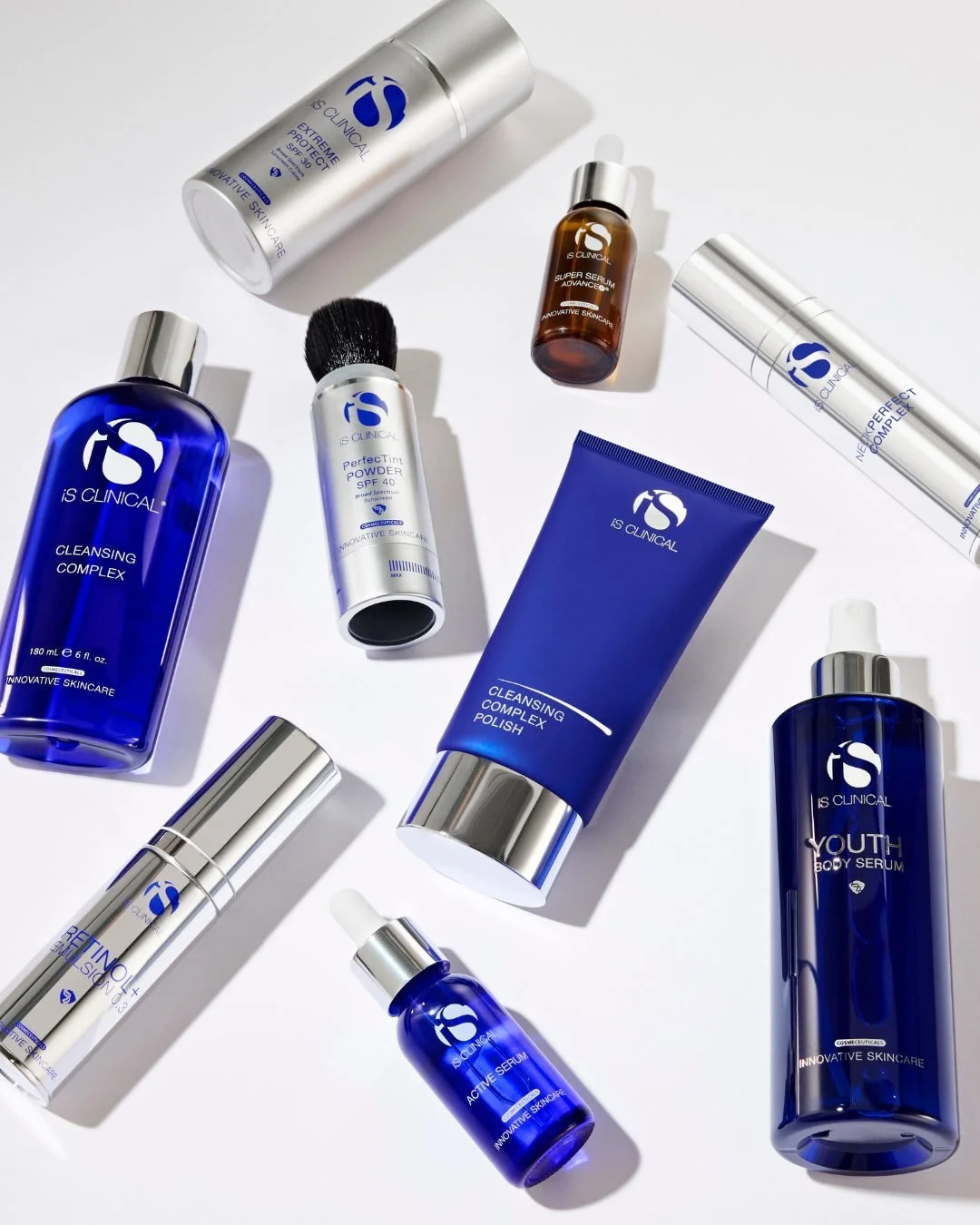
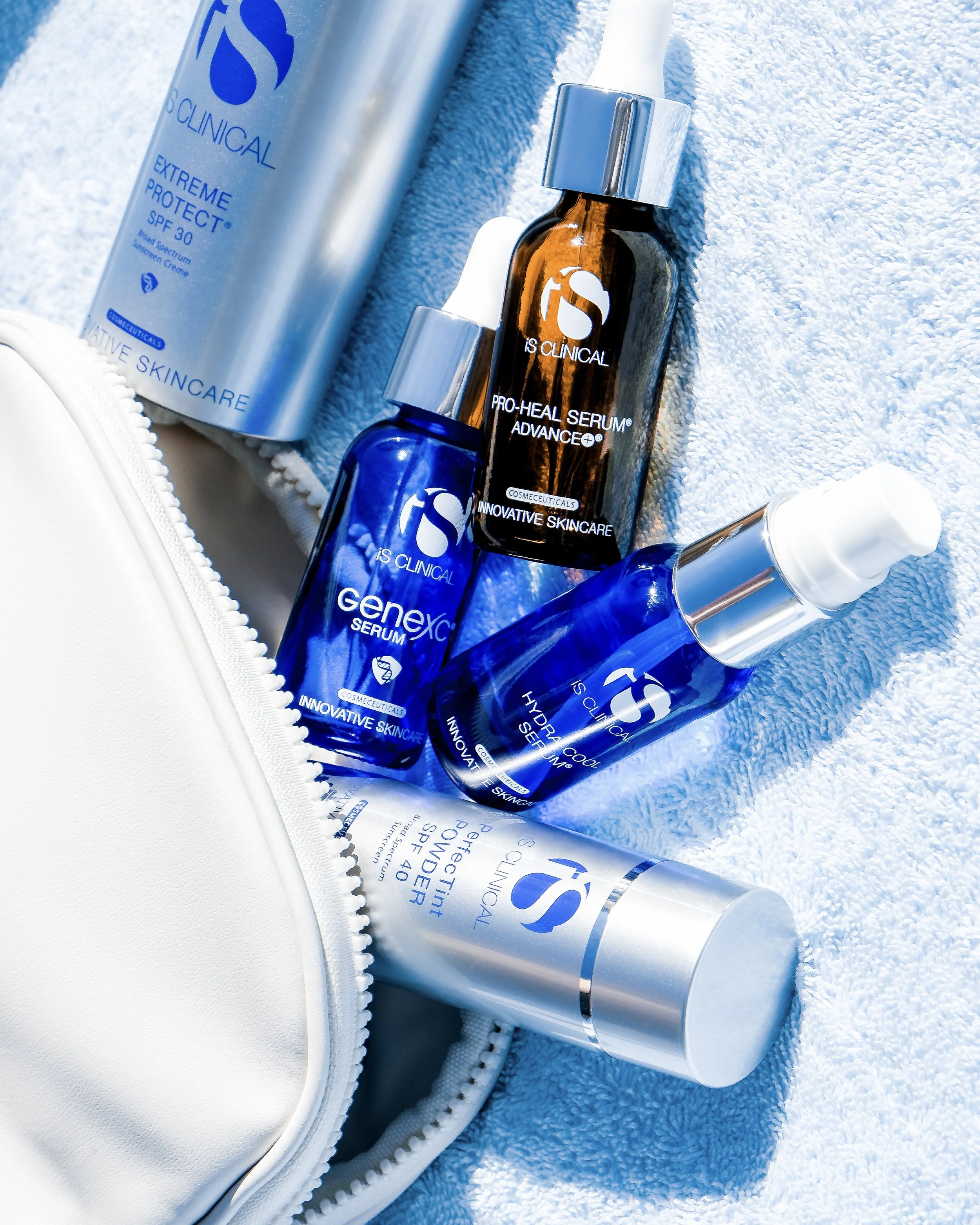
If I had to summarize iS Clinical's approach in three pillars — prevention, correction, and maintenance — I would see it more as a system rather than a selection of individual products. For prevention, I would choose the Genexc line, because it really represents the philosophy of the brand: protecting the skin from environmental damage, strengthening its ability to respond, and working from a cellular level. For correction, Active Serum is probably the most iconic product from iS Clinical. It stands out for its ability to improve texture, brightness, imperfections, and signs of aging. When it comes to maintenance, I wouldn't link it to a single product, but to consistency and the ability to adapt the protocol to what the skin needs at any given time.
For someone discovering iS Clinical for the first time, what is the smartest beginner protocol you recommend?
If someone is discovering iS Clinical for the first time, the smartest way to start is with a simple protocol built around products that work well across a wide range of skin states. Cleansing Complex morning and evening, an antioxidant in the morning like Pro-Heal, Active Serum at night, and Reparative Moisture Emulsion for hydration.
In your practice, which concerns respond fastest and which require the most patience?
In my experience, how the skin responds always depends on the starting point. Texture, radiance, and fine lines improve quickly, while pigmentation and deeper aging require more time and consistency.
What is one thing the professional skincare industry consistently gets wrong?
I believe one of the most common mistakes in the professional skincare industry is the pursuit of fast results without taking into account the overall health of the skin. Often, a specific concern is treated in isolation, without understanding that the skin is dynamic and needs balance in order to respond properly. Not everything that delivers an immediate result is necessarily the most appropriate approach in the long term. The real work is not just about correcting, but about knowing how and when to do it — respecting the skin's timing and building results that last.
What excites you most about launching iS Clinical in France?
What excites me most is the trust the founders have placed in Aura Cosmetics to develop the brand in a market like France. It's a significant challenge, but also a privilege to approach it with care, responsibility, and a strong sense of direction. I'm especially motivated by working with a brand that has such a solid foundation in science and innovation, and by doing so in a way that respects both its identity and the expectations of such a demanding audience. On a personal level, this launch in Paris feels very special. In a way, it's a small dream come true — one that I approach with great enthusiasm, but also with a lot of respect.
Walk me through your own skincare protocol, morning and evening. After nearly twenty years working with some of the most clinically rigorous formulas on the market, what have you kept, and what have you stopped doing?
After nearly twenty years knowing and working with iS Clinical, my protocol today is more complete, but also much more precise. When I first started with the brand, the range was more limited, and my protocol was simple: cleansing with Cleansing Complex, antioxidants and sun protection in the morning, and in the evening cleansing and treatment, always paired with the same moisturizer, which at the time was Moisturizing Complex. Today, I still keep that foundation: Cleansing Complex and sun protection remain essential for me. From there, I've evolved my protocol. I've moved from Pro-Heal to Super Serum, which maintains the antioxidant base but brings a more refining and firming effect. I also alternate it with more advanced formulas such as Genexc Serum or the Brightening line, more focused on long-term skin health and pigmentation. At night, I no longer follow a fixed protocol, but adapt it — alternating between retinol with hydration, more intensive exfoliating treatments like Active Peel System, or formulas that improve overall skin quality and radiance. After nearly twenty years, what I have kept is consistency and respect for the skin. And what I've stopped doing is over-treating it — thinking that more is better or combining too many actives at once. What really matters is not using many products, but knowing how to choose them and use them at the right time.
