

SUNLUTION: Thierry Passeron on Light, Skin, and the Future Beyond SPF
SPF literacy is one of beauty’s genuine public health victories. The message landed: sunscreen matters. The category expanded. Daily protection became, for many people, a non-negotiable step. But the success of that message has also hidden its limits. SPF was built to measure protection against sunburn. Skin damage is not limited to sunburn.
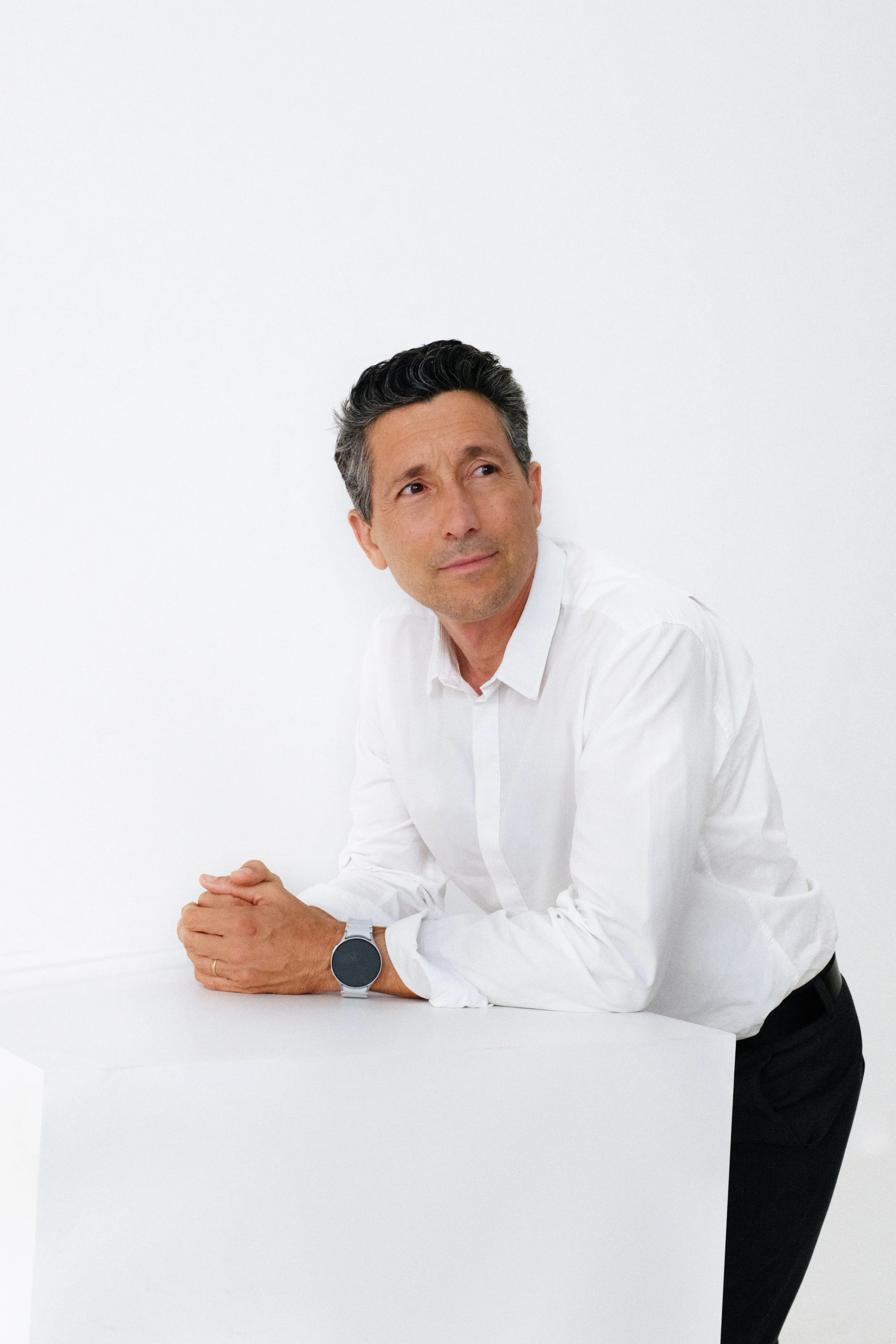
Professor Thierry Passeron has spent more than twenty years studying what light does to skin: pigmentation, photoaging, mitochondrial stress, melanoma, visible light, UVA exposure, dark CPDs, and the forms of damage that continue after the sun has gone. His work sits inside a gap the beauty industry rarely explains clearly: the gap between what research now understands about chronic light exposure and what most products are still designed to communicate.
SUNLUTION was created to close that gap. Its premise is not that light is the enemy. Passeron lives in the south of France and is explicit about the benefits of sun exposure. The question is not how to eliminate the skin’s relationship with light, but how to manage it intelligently. That distinction changes the category. Photoprotection becomes less about a seasonal anti-burn reflex and more about a daily biological strategy.
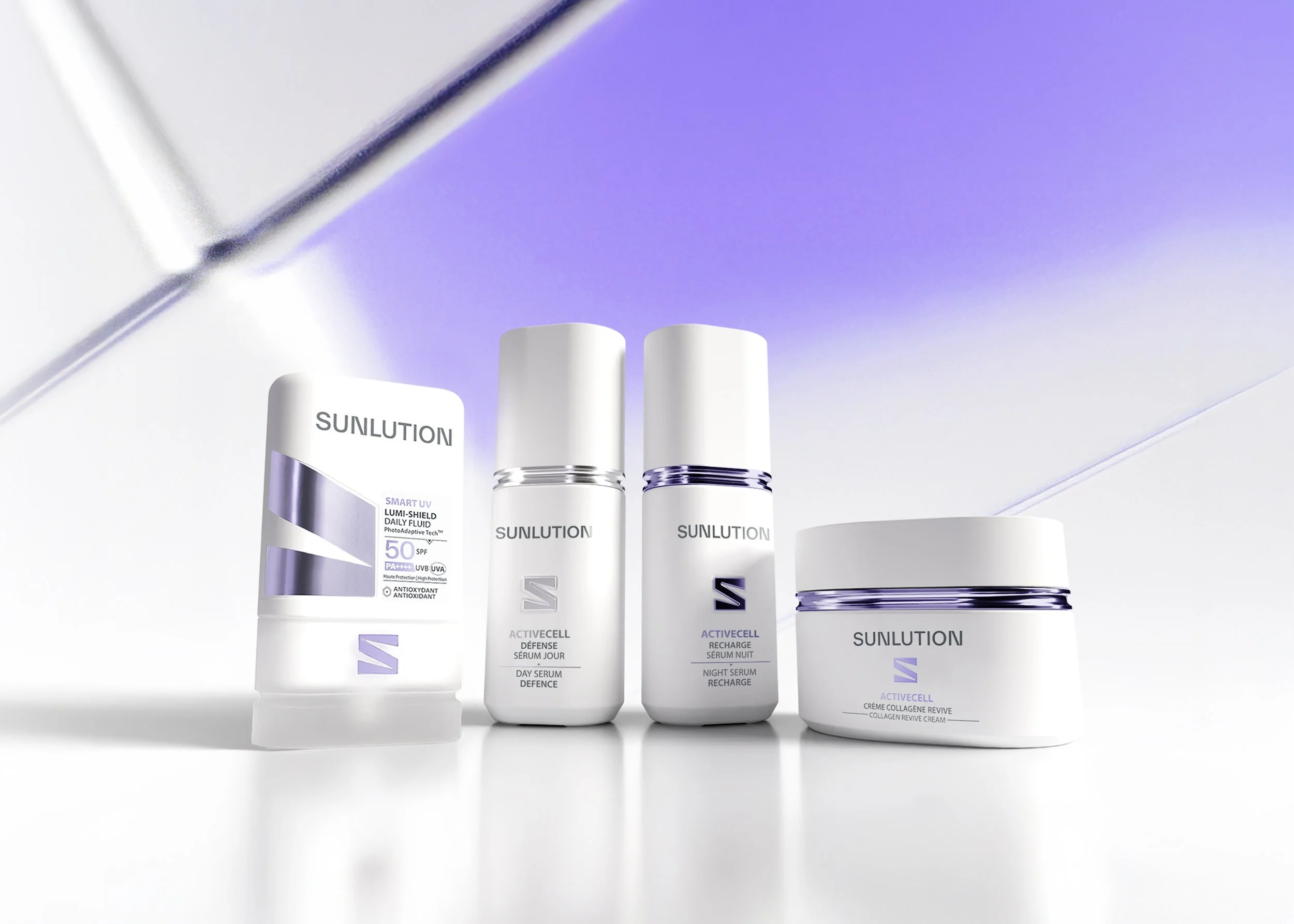
The brand’s PhotoAdaptive Technology is built around UV filters encapsulated in smart capsules that release under UV exposure, reinforcing UVA protection when light is present rather than simply degrading over time. The four-product protocol follows the skin’s chronobiology: defense during the day, repair at night, long-term support over time. It is an architecture, not a marketing routine.
In this conversation, Thierry Passeron reflects on the limits of the SPF paradigm, the role of mitochondria in light-induced aging, why visible light matters for pigmentation, what dark CPDs reveal about nighttime repair, and why the future of photoprotection will depend on products that are both scientifically relevant and pleasant enough to be used every day.
Read the full interview below.
If this article resonated, come inside the Future of Skincare newsletter on Substack. Beauty Signals is the deeper layer within it, weekly patterns where skincare meets culture, for skin intellectuals, beauty anthropologists, and the cosmetics curious. Read the opening free, full access at latte with me level.
You have studied light's impact on the skin for over twenty years — pigmentation, photoaging, mitochondrial stress, melanoma. At what point in that research did you understand that the photoprotection category, as it existed commercially, was answering the wrong question?
There have been tremendous advances in our understanding of these biological processes over the past two decades. What has become increasingly frustrating for me is that, although some excellent compounds have been developed, most products tend to follow marketing trends rather than offering what is scientifically most relevant. Even when truly effective ingredients are introduced, the entire product often focuses on that single aspect. This is disappointing, because we know these processes are complex and cannot be addressed efficiently by targeting only one pathway. That is why I was very excited when I had the opportunity, with SUNLUTION, to develop products from scratch, without limitations, and guided by only two main goals: to create a product aligned with the latest scientific knowledge; and to achieve excellent cosmetic elegance, because as a dermatologist I know that even the best product, if it is not pleasant to apply, will not be used consistently.
The founding thesis of SUNLUTION is that chronic, daily light exposure — the light that comes through a window, the overcast afternoon, the screen in front of you — is the primary driver of skin aging. How do you make that argument land without the listener simply switching off?
Clearly not by telling people to avoid the sun. I live in the south of France, and I love the sun. It has many beneficial effects, including warming our joints, lowering blood pressure, producing vitamin D, and improving our mood. The idea is not to avoid the sun, but to live with it. Many people also think only about SPF when talking about sun protection. But SPF mainly reflects protection against UVB; it says nothing about UVA. While UVB causes sunburn and is mostly received around midday and during the summer, UVA exposure is much more constant throughout the day and the year, and it passes through clouds and windows. My patients with lupus can look 20 years younger than their age — because they have always needed potent UVB/UVA protection. The challenge is to offer products that are both effective and pleasant to use, so people see them not as a constraint, but as a daily pleasure.
PhotoAdaptive Technology — the capacity to reinforce UVA protection in response to light rather than degrade under it — is an inversion of how we have understood UV filters for decades. Walk me through what that mechanism actually does at the formulation level.
In our often very busy lives, it is difficult to reapply a product during the day. Our technology protects the UV filters by encapsulating them in smart capsules that release them only when the skin is exposed to UV. This approach has several advantages. First, it releases the filters only when they are needed, which means significantly fewer compounds are released into the environment. And while protection from other products may progressively decrease over the course of the day, this technology can increase UVA protection when the skin is exposed to the sun, providing up to 8 hours of protection over a typical working day. Moreover, SUNLUTION Lumi-Shield Daily Fluid forms an invisible shield that also protects the skin from external pollutants, while allowing makeup to be applied on top.

Mitochondria are not a concept most people connect to their morning skincare. What is it about mitochondrial damage from light that the conventional SPF paradigm completely fails to address?
There are very solid data showing that mitochondria play a key role in aging in general, and in skin aging in particular. Mitochondria are like small factories within our cells: they help defend against oxidative stress and they produce ATP, the cell's energy currency. When fibroblasts have impaired mitochondrial function, oxidative stress increases, which promotes the production of metalloproteinases that degrade the extracellular matrix. At the same time, reduced ATP leads to decreased collagen production. Less collagen production plus increased matrix degradation equals wrinkle formation. We now know that mitochondria also contribute to inflammation and can modulate pigmentation. Targeting these critical organelles is essential if we want to effectively address skin aging.
There is an interesting distinction between protection and adaptation running through everything SUNLUTION does. The 24-hour protocol — protect, recharge, rebuild — seems to propose that the skin's relationship with light is not a problem to solve but a dynamic to manage. Is that a scientific position, a philosophical one, or both?
I would say both. Nothing in nature is entirely good or bad, and the same is true for the sun. Philosophically, it is more effective to understand how things work and to adopt the best strategy to align with natural processes, rather than trying to block them completely. One example is chronobiology: during the day, the skin primarily activates defensive processes, whereas at night it favors repair. Trying to stimulate repair during the day can be counterproductive. This is SUNLUTION's philosophy, and it is built on solid scientific foundations.
You collaborated with NAOS and ISDIN as a consultant before building your own brand. What did working inside those structures teach you about what the industry was structurally unable to do?
They are all great companies making good products. It can nevertheless be frustrating to see major scientific advances without seeing them implemented in commercial products. There are many reasons for this: increased cost, formulation challenges, the need to follow marketing trends, and the desire to promote a single hero ingredient with one simple message. But biology is anything but simple. This is why I declined several offers to be associated with pre-designed products. With SUNLUTION, I was able to design the products from scratch I have always wanted to offer my patients.

Visible light — the spectrum beyond UV — barely registers in standard SPF labeling. You have published on its impact on melasma and post-inflammatory hyperpigmentation. How significant is the gap between what the regulatory framework measures and what the skin is actually experiencing?
Visible light clearly affects skin pigmentation and hyperpigmentary disorders. In my lab, we showed that melanocytes quite literally see visible light, because they express the same sensor — opsin 3 — that we have in the eyes. However, only visible light from the sun has a meaningful impact on skin. Blue light from devices may affect our eyes, but it is far too weak to affect the skin. For skin aging, we can rely on powerful antioxidants. For preventing visible-light-induced pigmentation, only tinted products that reflect visible light are effective.
SUNLUTION is positioned as a brand that reconciles skin with light rather than defending it from light. How do you hold both — the rigor of the science and the warmth of that invitation?
The two are not opposed at all. Science shows us that light can benefit our health, but it also clearly defines its harmful effects. Thanks to science, we can design products that let us enjoy the sun without fearing its damaging impact on the skin.
Four products for a 24-hour protocol — Lumi-Shield Daily Fluid in the morning, Sérum Jour Défense as an antioxidant layer, Sérum Nuit Recharge, Crème Collagène Revive for the long term. This is not a range built through commercial extension, it is an architecture. What was the scientific constraint that imposed this precise sequencing?
We designed these products with the skin's chronobiology in mind. The most important step is daily photoprotection, because protection against sunlight and pollution is critical to preventing skin aging. If we truly want to be effective, we must act on all the biological pathways involved and target the right pathways at the right time of day. This is why we developed the day serum, the night serum, and the Revive cream — to provide the skin with the ingredients it needs when they are most effective.
The Sérum Nuit Recharge is shown to reduce by 32% the cumulative damage from daily exposure. What have 20 years of research taught you about what the skin is genuinely capable of between midnight and 6am?
At night, the biological clock switches to a repair program. This is the best window to deliver ingredients that help the skin repair daily damage. But we are still learning. Melanin can store the energy absorbed from sunlight during the day. After sun exposure, this energy can be transferred back to the melanin-containing cells, triggering additional oxidative stress and causing further cellular damage. This phenomenon is called dark CPDs, because these lesions form during the night. Their peak occurs about 2 hours after sun exposure, but they can continue for up to 24 hours. This is why we include powerful antioxidants in our night protocol.
As photoprotection expands to address not just UV but pollution, infrared, stress, glycation, does the category risk becoming too complex for the person applying one product in the morning?
Skin aging driven by exposomal factors is highly complex. I understand that, from a marketing perspective, it may be tempting to simplify. But human biology is complex, and simple answers may sound appealing yet do not deliver effective results. I believe people are willing to understand how their skin works. It is our job to explain it clearly so they can choose products not because they are trending, but because they provide effective solutions.
Walk me through your actual morning — not the SUNLUTION protocol, the real sequence. What you use, what you have stopped using, and what you have never found a reason to change.
First, avoid harsh cleansers, as they strip the skin's natural barrier. This applies to all skin states. Then apply the day serum to strengthen your defenses and hydrate your skin. Finally, apply a generous amount of photoprotection — about half a teaspoon for the face — to all exposed areas. One additional point for the evening: the first step, every single night, is to cleanse the exposed areas to remove pollutants that have accumulated throughout the day. Then, and only then, apply the night serum and the cream.
In ten years, what does it look like when the field has genuinely moved forward — and what will we recognize, looking back, as having been the turning point?
In my opinion, the problem is that the messaging is not clear enough. Most people think about photoprotection only in the summer. But if we also want to protect our skin from aging or pigmentation, daily photoprotection is necessary. In Asia, most men and women have integrated photoprotection into their daily protocol — and they are right. But it is also crucial to provide products that are truly effective and pleasant to use. Practicality — such as being able to apply makeup over it, and not having to reapply every two hours — is also critical.
