The Architecture of Regenerative Skincare at Laboratoires Botanique Avancée: a Conversation with Nathalie Cantagrel

Regenerative skincare is becoming one of beauty’s defining ideas. The term now appears across biotechnology, longevity and luxury, often used to describe products that support repair, renewal or resilience. But regeneration is not a single mechanism, and it cannot be reduced to one active ingredient or one cellular claim. Skin renews itself through a complex dialogue between molecules, cells and tissues. A credible regenerative approach must therefore consider the system as a whole.
This is the foundation of Laboratoires Botanique Avancée, the skincare house launched in December 2025 by Nathalie Cantagrel. Rather than beginning with a category story, LBA was built around a scientific question: how can skincare help preserve the skin’s own regenerative capacities over time?
Its NEO-REGEN technology, developed in collaboration with Dr Jean-Marc Lemaître, acts across three levels of skin biology: molecular, cellular and tissular. It was evaluated using 3D skin organoids, functional models of human skin more commonly used in medical research, and shown to modulate 136 genes involved in skin-aging mechanisms. This multi-level approach matters. Visible aging is not produced by one isolated process. It emerges as cellular communication slows, the skin’s micro-environment becomes less balanced and tissue architecture gradually weakens.
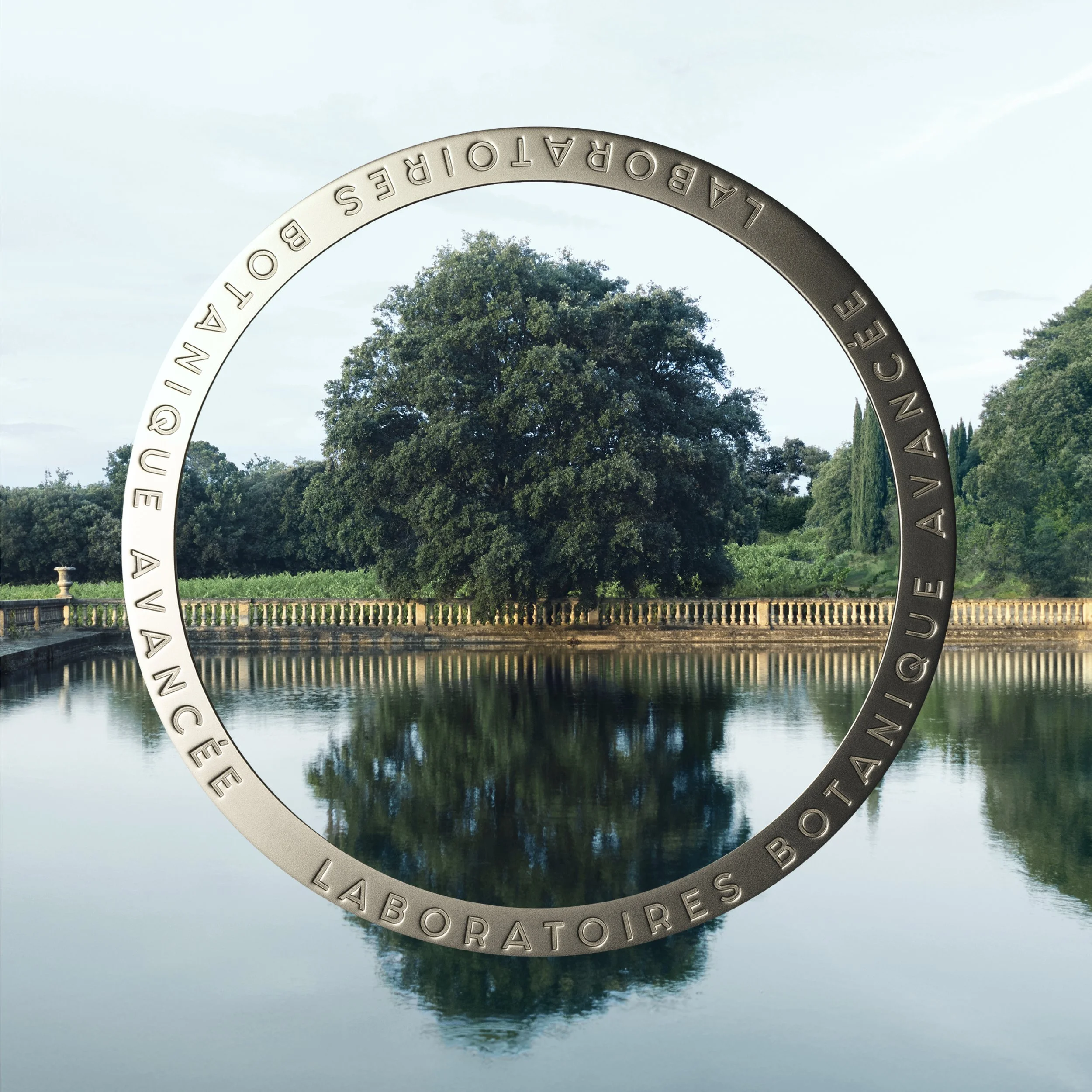
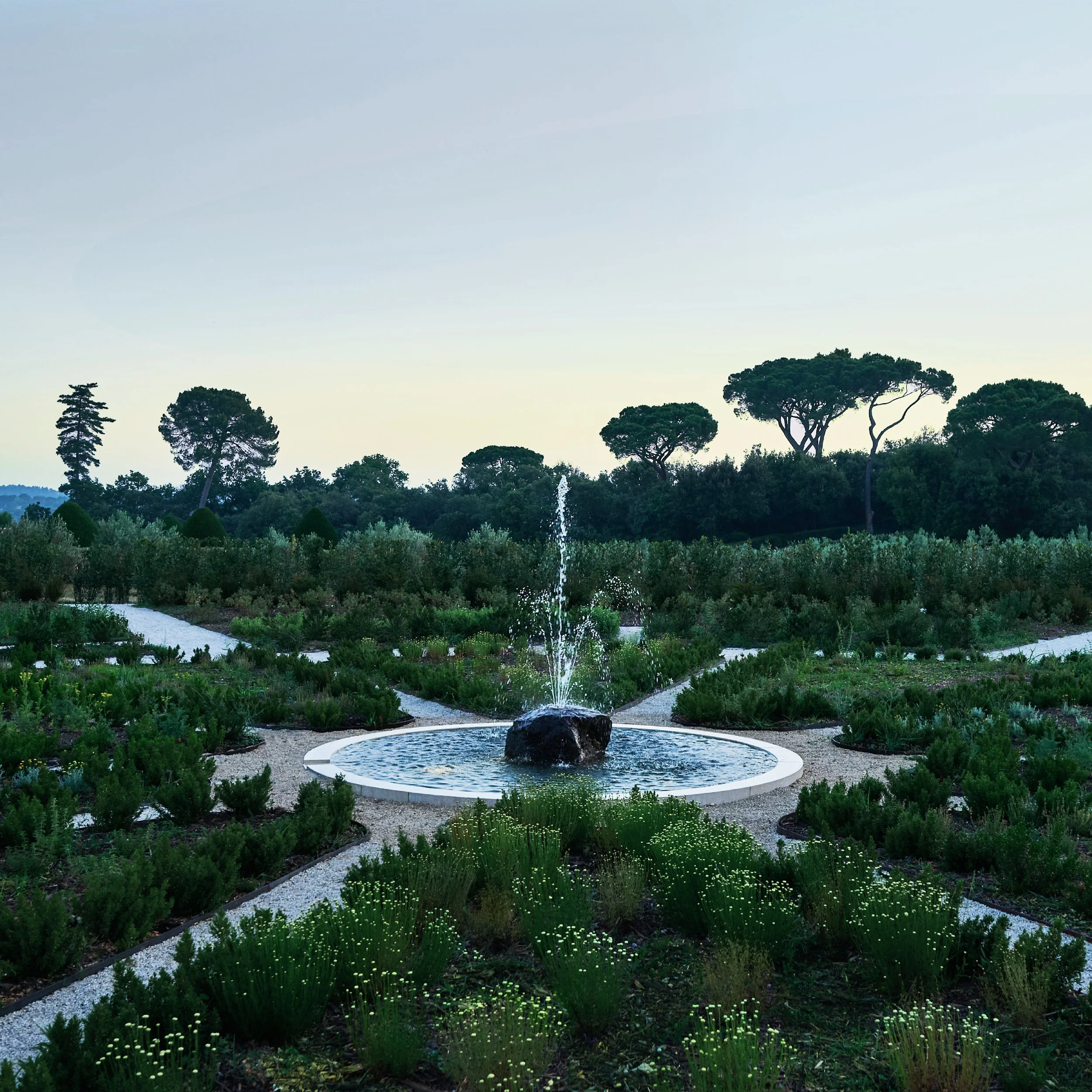
The brand’s botanical dimension follows the same logic. LBA is rooted in the Domaine de Baulieu, a 300-hectare estate in Provence where plants are grown and studied within two research gardens. Its relationship to botany is inspired by Joseph Pitton de Tournefort, the botanist of Louis XIV who once stayed at the Domaine. But the historical reference is less important than the method it represents: observe, classify, test and transmit.
Plant stem cells, highly concentrated formulas and regenerative science are combined with another form of research: the study of texture, touch and ritual. The formulas contain close to 30% active ingredients and up to 95% ingredients of natural origin. The spa protocols work on the fascia, muscles and circulation of the face. Even the galenic forms are designed to improve the relationship between the formula and the skin.
This is perhaps what makes LBA most interesting. It does not treat science, botany, sensoriality and luxury as separate layers added to a product. It attempts to build them together as one coherent system.
In this conversation, Nathalie Cantagrel explains why regenerative skincare must address the full architecture of the skin, what it takes to formulate without technical shortcuts, and how to create a beauty house rooted in the living without turning nature into a marketing device.
If this article resonated, come inside the Future of Skincare newsletter on Substack. Beauty Signals is the deeper layer within it, weekly patterns where skincare meets culture, for skin intellectuals, beauty anthropologists, and the cosmetics curious. Read the opening free, full access at latte with me level.
Before LBA, you worked in international luxury and skincare. What were you looking for that the market wasn't offering, scientifically, creatively, or philosophically?
Today, the luxury skincare market is fragmented. On one side, brands whose scientific efficacy is indisputable, where performance takes precedence over sensory experience. On the other, holistic and sensory houses. And then the great institutions of luxury skincare, anchored in the collective imagination as part of a dream. With Laboratoires Botanique Avancée, we did not want to choose between these worlds. We wanted to unite them. We created a brand rooted in the living, one capable of combining botanical intelligence and regenerative science with a genuinely crafted sensoriality. For us, galenic form is an art: a texture must transform the skin as much as it transforms the experience. We also wanted our luxury to be not merely a discourse, but a language carried by the words and gestures of experts, rooted in a French culture that holds both tradition and modernity, heritage and innovation in conversation. Our facialists are trained in a precise touch: a touch that reads the skin, understands it, respects it. We believe in the intelligence of the living, of the hand as much as of the science. We made the commitment to be entirely eco-responsible, without compromise. Our presence in heritage locations such as Airelles or Le Bon Marché reflects this coherence: we engage with houses that carry a history, a culture, an exigency. Laboratoires Botanique Avancée was born of this global vision: to reconcile science, sensoriality, luxury, and conscience. A complete brand. A coherent brand. A committed brand.
How does belonging to LOV Group shape LBA’s identity, and what does the group’s hospitality culture bring to the brand while preserving its scientific and operational independence?
LOV Group brings together complementary areas of expertise: Entertainment, Hospitality, Food, Cosmetics, Wine & Oil. Within that ecosystem, Laboratoires Botanique Avancée is an independent brand — with its own general management, its own scientific direction, its own vision, and its own R&D dynamic. The culture of hospitality, embodied particularly by the spa programs at the Airelles houses, nonetheless represents a valuable contribution. It transmits a savoir, a savoir-être, and a savoir-faire in matters of service, attention to detail, and deep understanding of client experience. This demand for the right gesture, the right rhythm, the right listening — it nourishes our teams. LBA is deeply rooted in the intelligence of the living, in all its forms: skin, plant, hand, environment. Hospitality, in its most noble dimension, belongs to that same intelligence: to understand, to anticipate, to respect, to serve. If there is a point of convergence, it is exigency. Scientific exigency on one side. Exigency of hospitality on the other.
NEO-REGEN technology works on three levels at once: molecular, cellular, and tissular. Most brands pick one story and amplify it. Why did you insist on the full architecture, and how do you communicate that complexity without losing people?
We could not dissociate these three levels, because the skin itself functions across all three. The skin is a fascinating organ, endowed with an exceptional regenerative capacity. This permanent capacity for renewal and repair rests on a biological architecture and a communication between the molecular, cellular, and tissular levels. To act only at the molecular level, or only at the cellular level, would be to intervene on part of the system without supporting the whole. Yet aging alters all three levels simultaneously: the micro-environment becomes imbalanced, cells lose in efficiency, tissues weaken. The visible signs appear at the surface, but their origin is deep. We therefore held firmly to preserving this complete architecture, because it reflects biological reality. To communicate this complexity, we always return to one simple principle: regeneration is a system. Our role is not to oversimplify, but to make it intelligible. We explain with pedagogy — showing that preserving the skin’s regenerative capacities is the key to its longevity.
LBA is the first cosmetics brand to test actives on 3D skin organoids, a model normally reserved for medicine. How did that conversation with Dr Lemaître begin, and what did it cost to build that level of scientific infrastructure for a beauty brand?
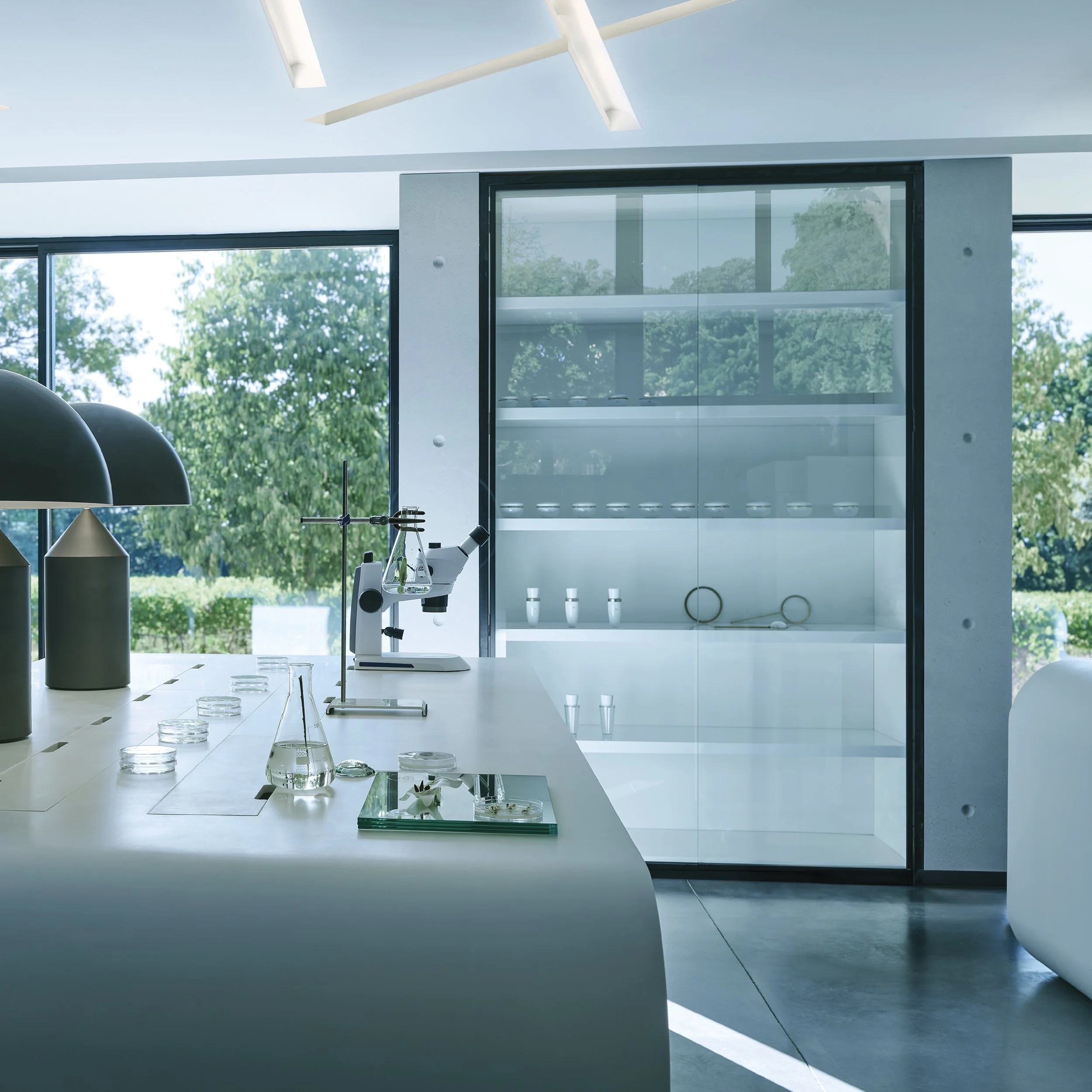
We chose the best. The collaboration with Dr Jean-Marc Lemaître came naturally — his expertise in cellular aging and regenerative medicine is recognized at the highest scientific level. A world expert in cellular aging, co-director of the Institute for Regenerative Medicine in Montpellier, and a doctor at INSERM, he had access to an exceptional technology: the 3D skin organoid — a miniature, functional reproduction of human skin normally reserved for medical research. We are the first cosmetics brand to use this model. It allows us to evaluate our actives in conditions extremely close to the living, and to provide unprecedented scientific proof: NEO-REGEN technology modulates 136 genes involved in the mechanisms of skin aging. Such a level of infrastructure represents a considerable investment — but for us, it was not a cost. It was a requirement.
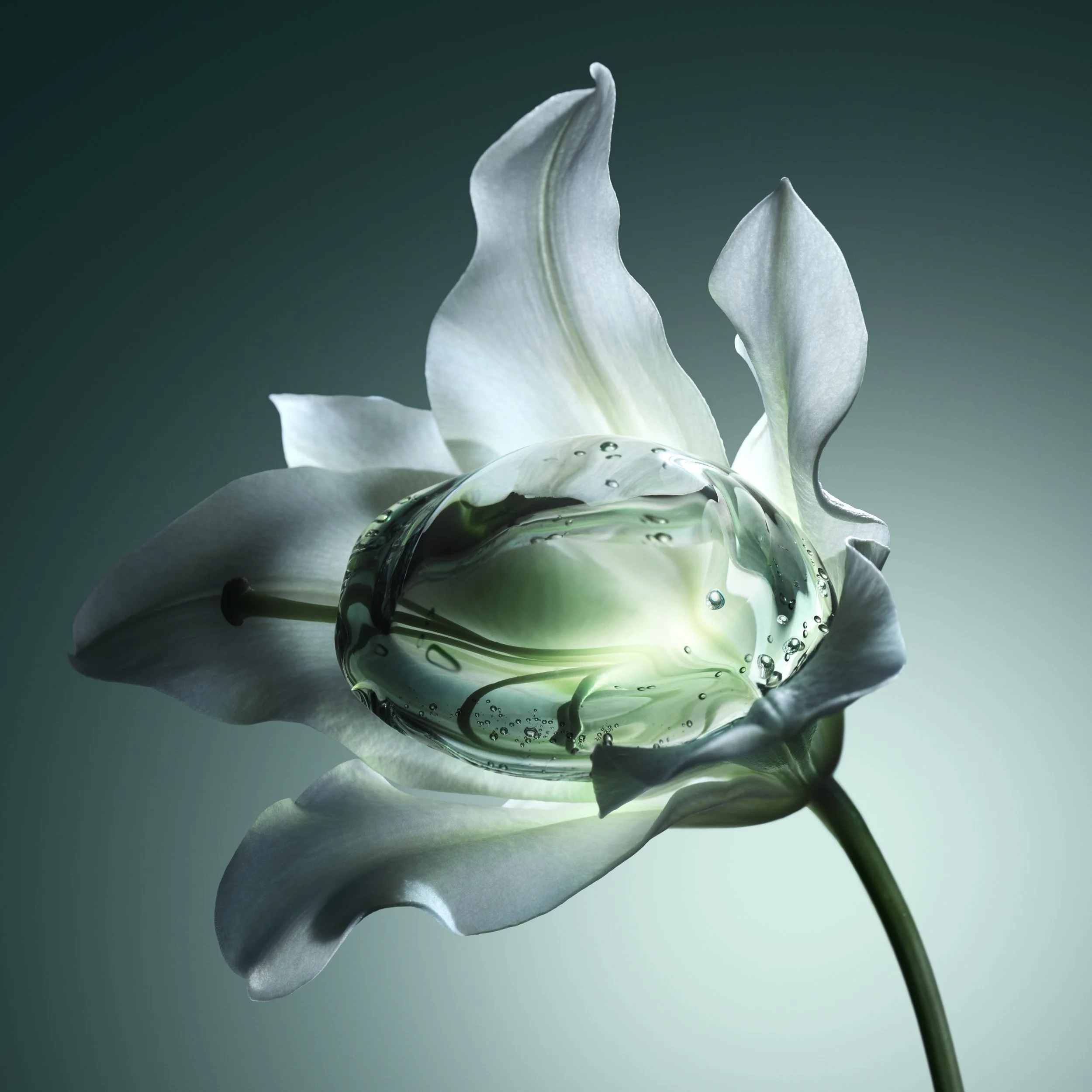
Your biotheca is built around lily, peony, iris, and tuberose, species selected through Joseph Pitton de Tournefort’s 9,000-species herbarium. What does it look like in practice to bring a 17th-century botanical legacy into a contemporary biotech lab?
This is not quite accurate. We inscribe ourselves within the legacy of Joseph Pitton de Tournefort — the botanist of King Louis XIV who stayed at the Domaine de Baulieu and assembled, in his time, a herbarium of more than 9,000 species, along with the first great modern botanical classification. It is his scientific spirit that inspires us. However, the plant stem cells we use do not come from that historic herbarium: they are derived from species cultivated today, within our own Jardin du Laboratoire. To bring a 17th-century heritage into a contemporary biotechnology laboratory is to extend a method and an exigency. Where the art of botany once lay in observation and classification, we now explore botanical intelligence scientifically — through plant stem cells, in service of regenerative science. Four centuries after Tournefort passed through the Domaine, it has once again become a place of research. We established our R&D Laboratory there, in direct immersion with nature, surrounded by two study gardens: the Jardin des Simples, a tribute to medicinal traditions, and the Jardin du Laboratoire, where indigenous and exotic species coexist in an experimental logic. We are also a patron of the Muséum National d’Histoire Naturelle — where Tournefort’s historical herbarium is preserved — and we actively support its restoration and digitization, to transmit this scientific heritage to future generations.
Regenerative skincare is becoming a category signal. LBA was built with the science before the story. How do you hold that distinction as the category grows noisier?
It is natural that an emerging category generates enthusiasm and that its vocabulary spreads. Biotechnology applied to cosmetics is not a trend. It responds to a current need: to combine proven efficacy, biological safety, and ecological responsibility. At Laboratoires Botanique Avancée, we built the brand from Regenerative Science. Plant biotechnology research, collaboration with Dr Jean-Marc Lemaître, testing on 3D skin organoids, validation of our actives — this scientific foundation preceded the narrative and continues to structure it. Regenerative Science invites a more conscious approach to beauty — one that values vitality, the natural radiance of the skin, and moves away from unrealistic promises and instant solutions in favor of an approach that respects the living.
The formulas have ~30% actives and are 95% natural origin. What does that constraint force you to do differently, and what has it made you give up?
This exigency forces us, first of all, to formulate with extreme discipline. To reach nearly 30% actives while maintaining nearly 95% natural-origin ingredients means every component must have a precise function. There is no room for so-called “comfort” ingredients or purely marketing ones. Naturality and eco-responsibility impose constraints of stability, preservation, and galenic compatibility: we must invest more in research, testing, and development time. This pushes us to work differently — selecting raw materials of irreproachable quality, optimizing synergies between actives, and accepting longer, more demanding formulation cycles. What did we give up? The easy way out. We gave up certain simple synthetic solutions, controversial ingredients, artificially “spectacular” textures, and technical shortcuts. But what we gained is more important: coherence, demonstrated efficacy, respect for the living, and a formula that remains faithful to our values, our commitments, and our vision of regenerative science.
The packaging is refillable, made by Entreprises du Patrimoine Vivant, with 15 days of artisan work per cap. Who pushes back on these choices inside the company, and how do you navigate it?
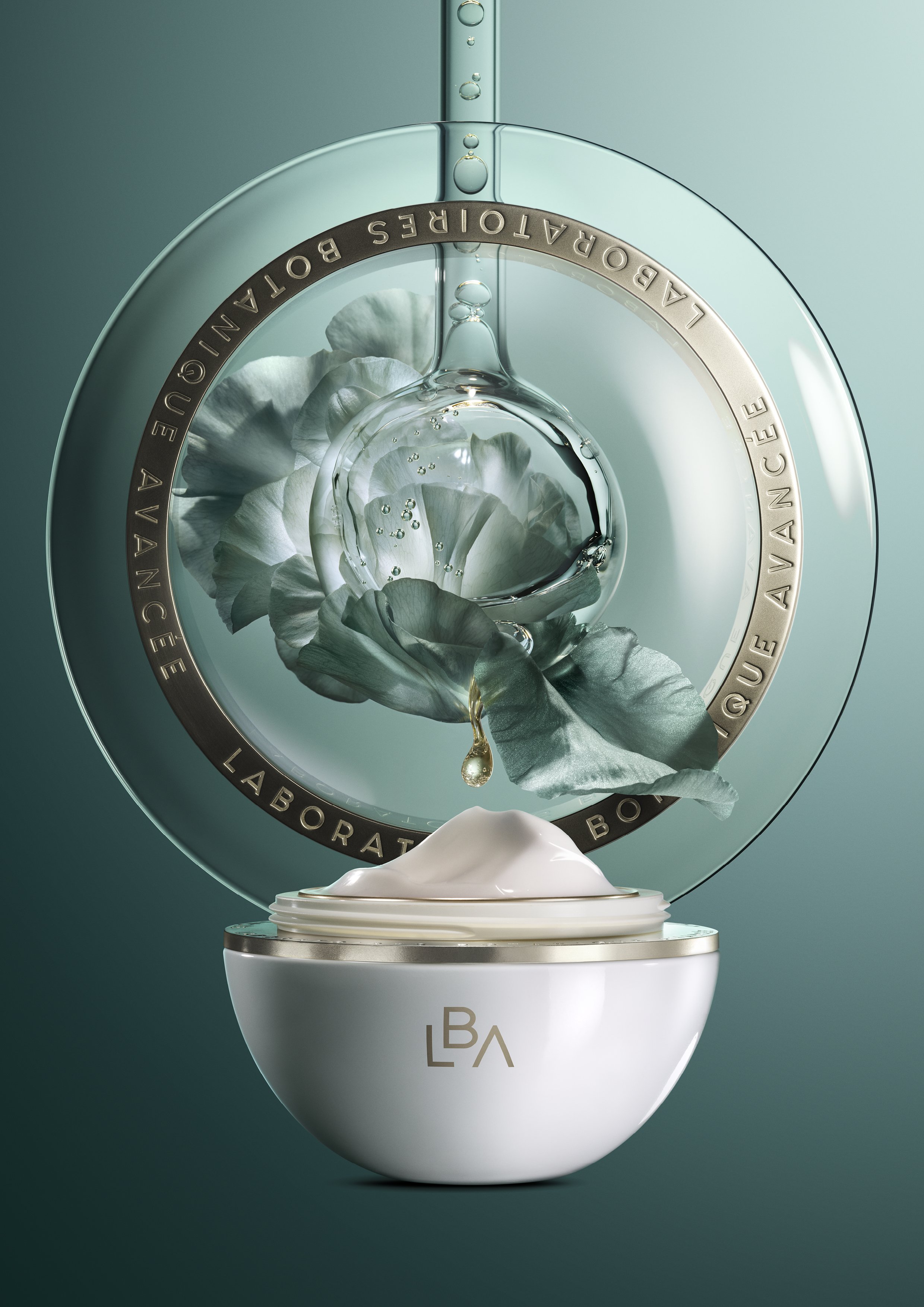
For us, this is not a question of theater — it is a question of coherence. The refillable cases of Laboratoires Botanique Avancée were conceived as artisanal, design-conscious, and durable objects — almost heritage objects. They are protected by two patents and receive an aluminum refill, nomadic and infinitely recyclable. To make them, we chose to work with French artisans labeled Entreprise du Patrimoine Vivant — a national label that distinguishes rare and excellent craftsmanship. Each cap requires approximately fifteen days of work. Of course, this type of choice generates internal discussions, particularly around timelines, costs, or production complexity. The notion of the long view is at the heart of our brand — in the manner of a French luxury house that establishes itself over decades. Ultimately, the arbitration is simple: if an object must accompany a promise designed to regenerate skin — and therefore to endure — it must itself inscribe itself in time. It is a question of commitment and respect: toward craftsmanship, toward the environment, and toward brand coherence.
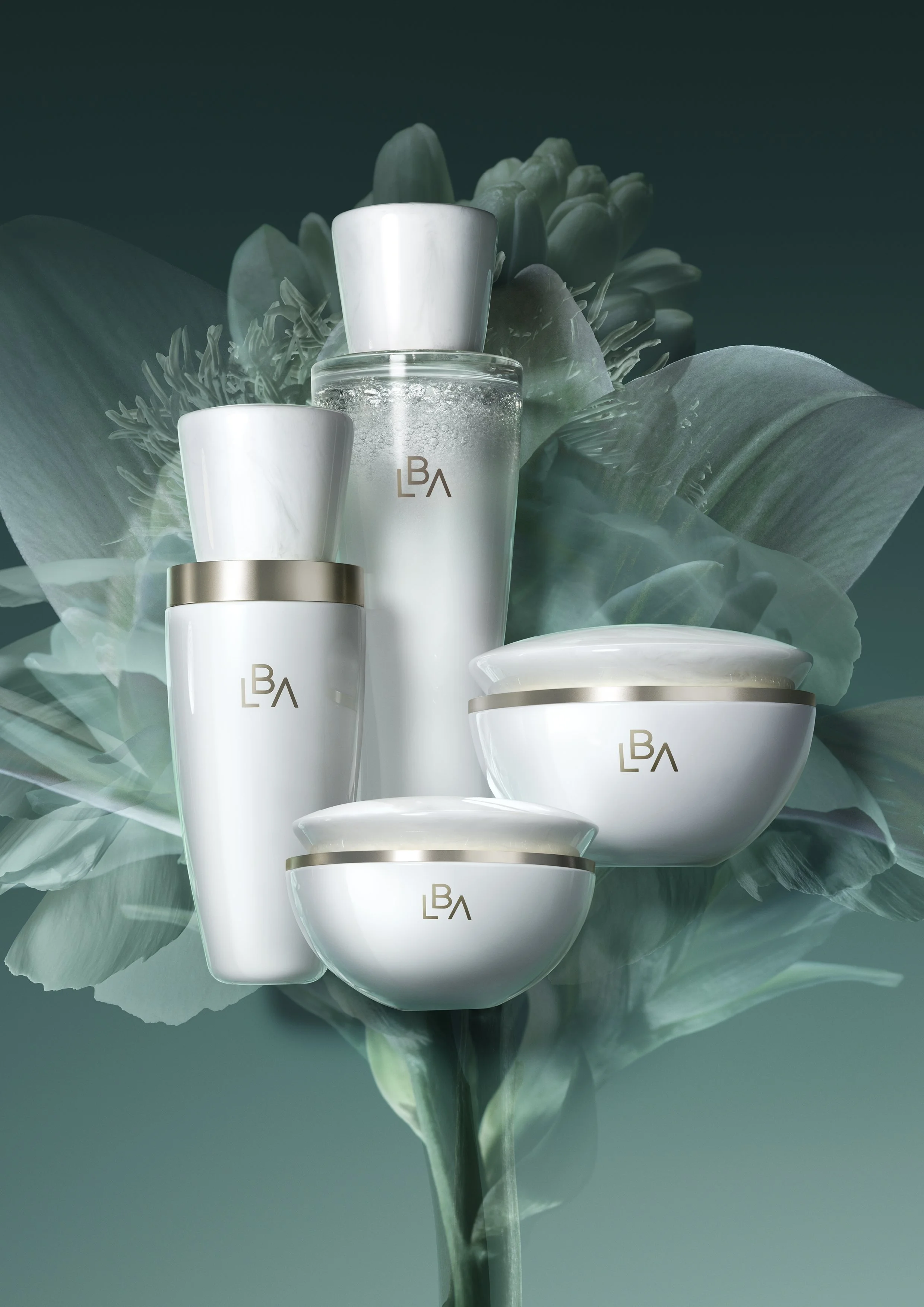
The line opens with the Hydration Infusion Lotion and builds to the Regenerative Melting Cream. How did you decide on that architecture?
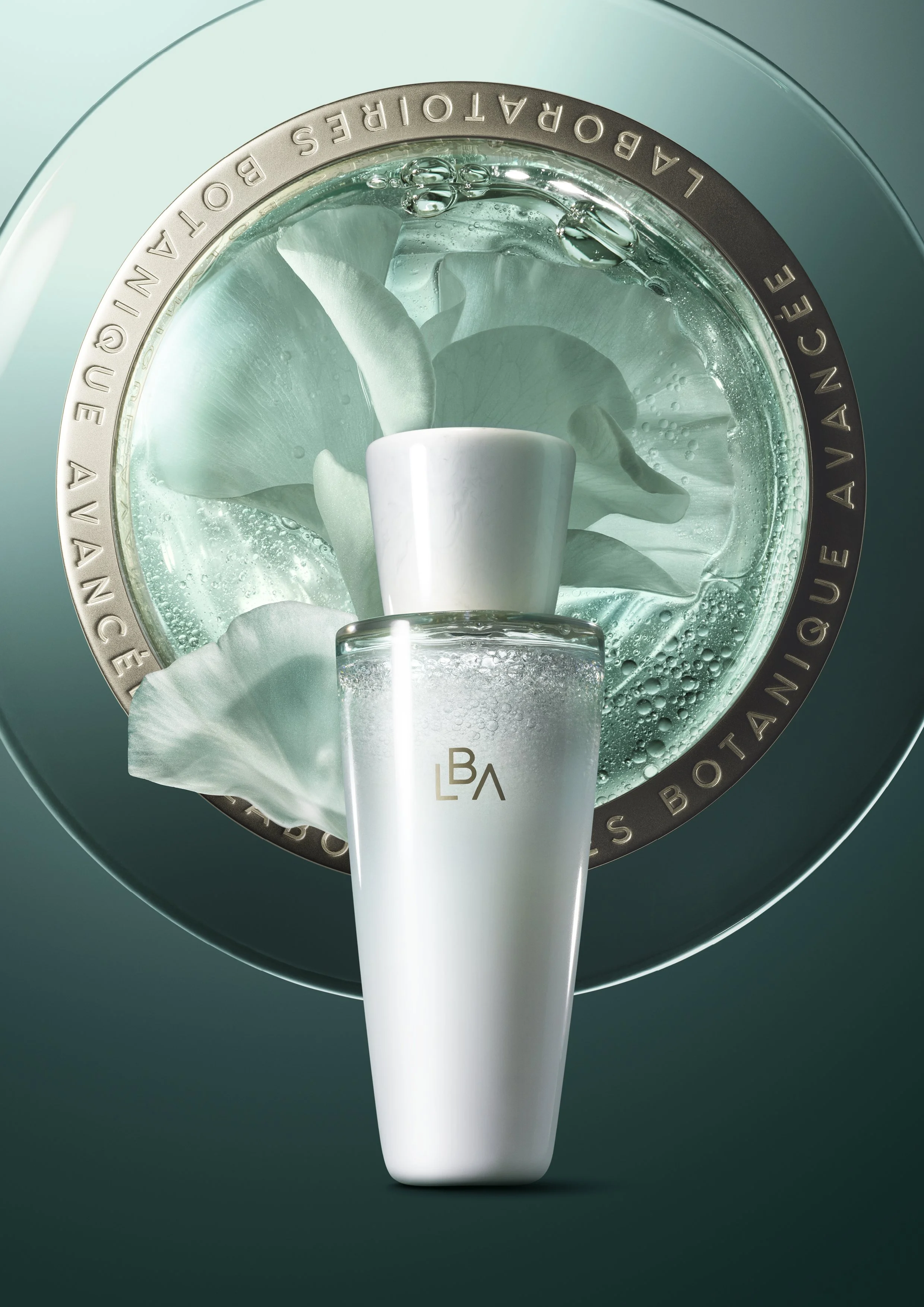
Our skincare range was born from a simple principle: regenerative science must express itself through four essential foundational gestures. At launch, we deliberately designed a short range. The Hydration Infusion Lotion is the first gesture — this bi-phase lotion-serum prepares the skin. The Regenerative Cream-Serum then acts more deeply on cellular dynamics. The Silky Regenerative Eye Cream targets the most fragile zone of the face, where signs of fatigue and aging appear first. Finally, the Regenerative Melting Cream seals and amplifies the whole. Each step prepares the next. The idea was not to multiply products, but to reconnect with an essential gestuality — where each treatment has a precise function in service of a single ambition: to support the vitality and natural regeneration of the skin.
The signature fragrance was composed by Céline Barel at IFF. In a brand this grounded in science, how do you think about the sensory dimension? Is scent a deliberate creative layer, or does it follow from the formula?
At Laboratoires Botanique Avancée, the sensory dimension is not secondary to science — it is its natural extension. The heart of our formulas rests on the use of stem cells from fragrance plants. It was therefore natural that the olfactory signature would dialogue with this botanical universe. The fragrance is not conceived as a simple dressing: it accompanies the formula and extends its living identity. We entrusted this creation to Céline Barel, perfumer at IFF. The brief was very clear: to imagine a care trail — not a fragrance in the traditional sense. It is a caress on the skin, almost a sensation. A light emotion, like the atmosphere of a moment of beauty when you look at your face in the light of a luminous Provençal morning. Science structures our formulas, but sensoriality gives them a soul. It is this balance that transforms a skincare gesture into a genuine experience.
The Eye Cream uses tuberose stem cells for extracellular matrix remodeling. How do you select which plant stem cell goes where?
The choice of a plant stem cell is, first of all, a scientific choice. Each plant possesses specific biological properties that we study in the laboratory. In the case of tuberose, our research showed that its dedifferentiated plant cells have a remarkable capacity to stimulate the remodeling of the extracellular matrix — the structural architecture of the skin. They promote in particular the synthesis of collagen, elastin, and glycosaminoglycans — elements essential to the firmness and elasticity of the dermis. This is precisely why we chose it for the eye contour, an area where the skin is particularly fine and where the dermal structure weakens rapidly. Around this botanical foundation, we built a synergy of targeted actives: tetrapeptide-5 and caffeine to act on microcirculation and puffiness, D-Panthenol and ectoine to hydrate, soothe, and protect the skin’s regenerative capacities.
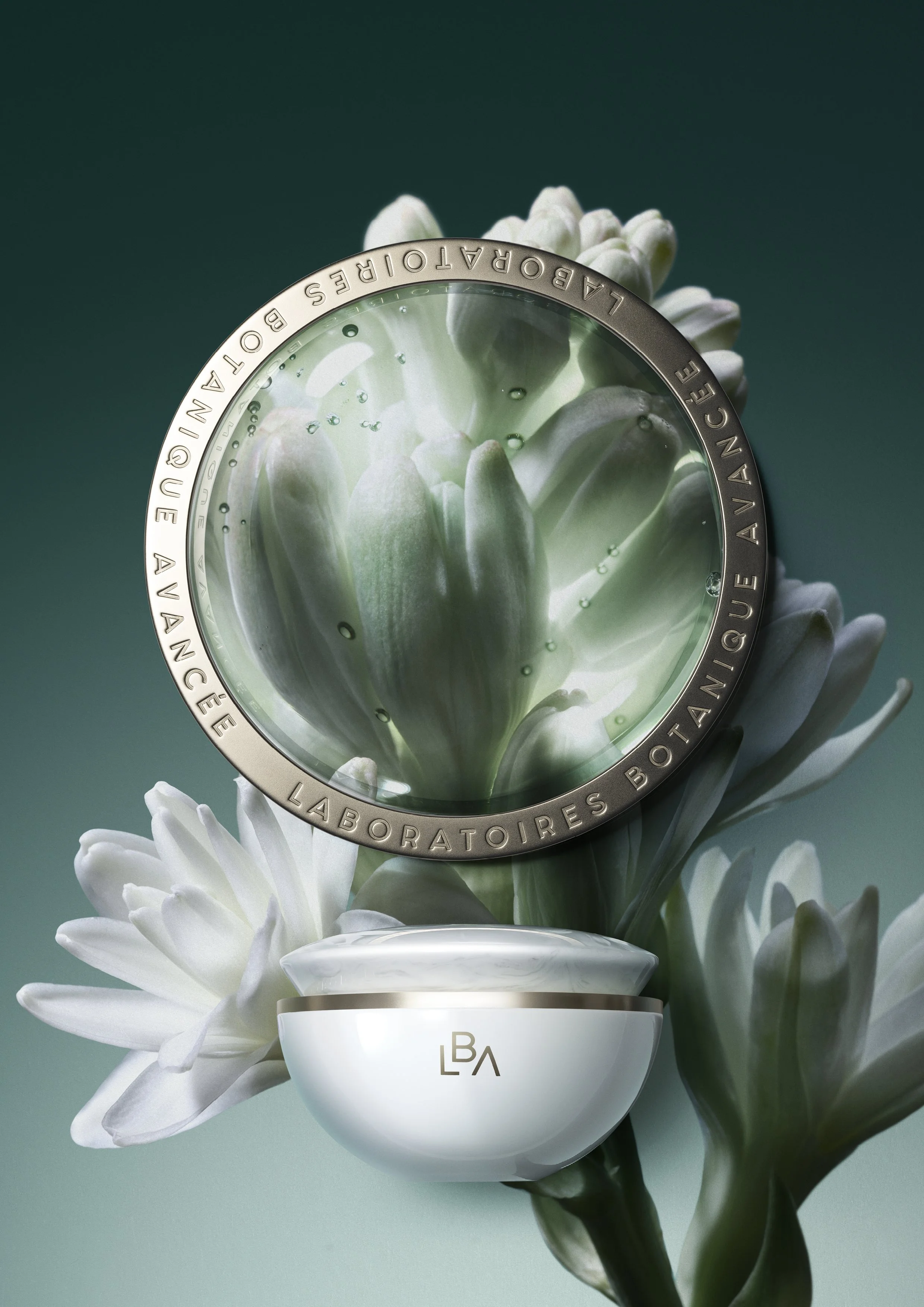
What’s the product you’re most proud of from a pure formulation standpoint, and why?
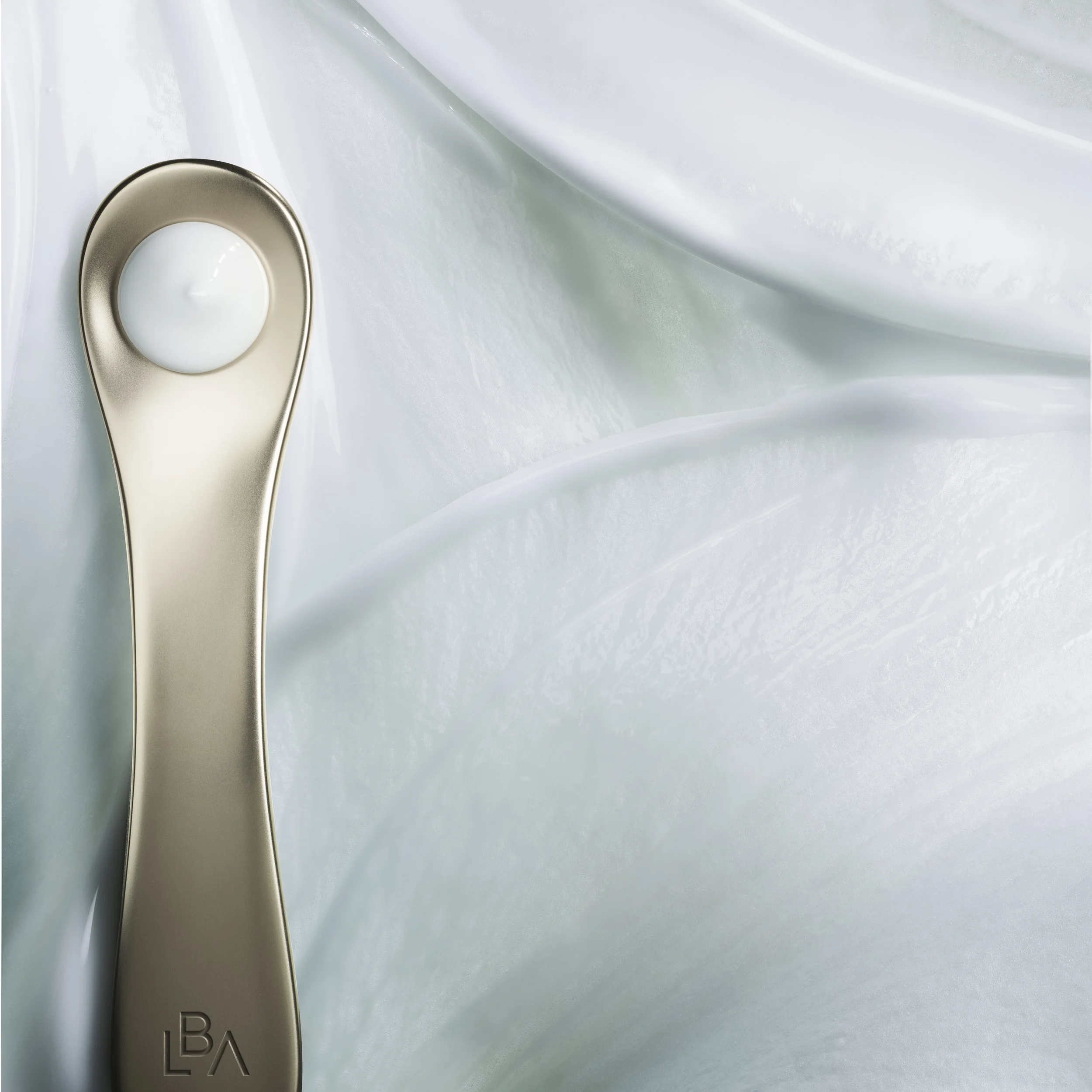
The product we are most proud of, in terms of formulation and galenic form, is the Regenerative Melting Cream. It concentrates everything of our scientific approach: more than 20 million plant stem cells combined with NEO-REGEN technology, doubly concentrated, in a formula composed of 30% actives — without silicones or PEGs. The true achievement was reaching this level of performance while developing a biomimetic lamellar texture. Inspired by the natural architecture of the stratum corneum, this structure reproduces the organization of skin lipids in bilayers — enabling optimal affinity with the skin and better bioavailability of actives. The challenge was threefold: maintain an extremely high concentration of actives, respect a clean and eco-responsible formulation, and create an exceptional sensoriality. Bringing these three dimensions together in a single formula demanded considerable research and precision. This cream represents for us a form of quintessence: that of an exacting regenerative science, placed in service of a deeply sensory gesture of care — which we consider the most achieved expression of luxury in cosmetics.
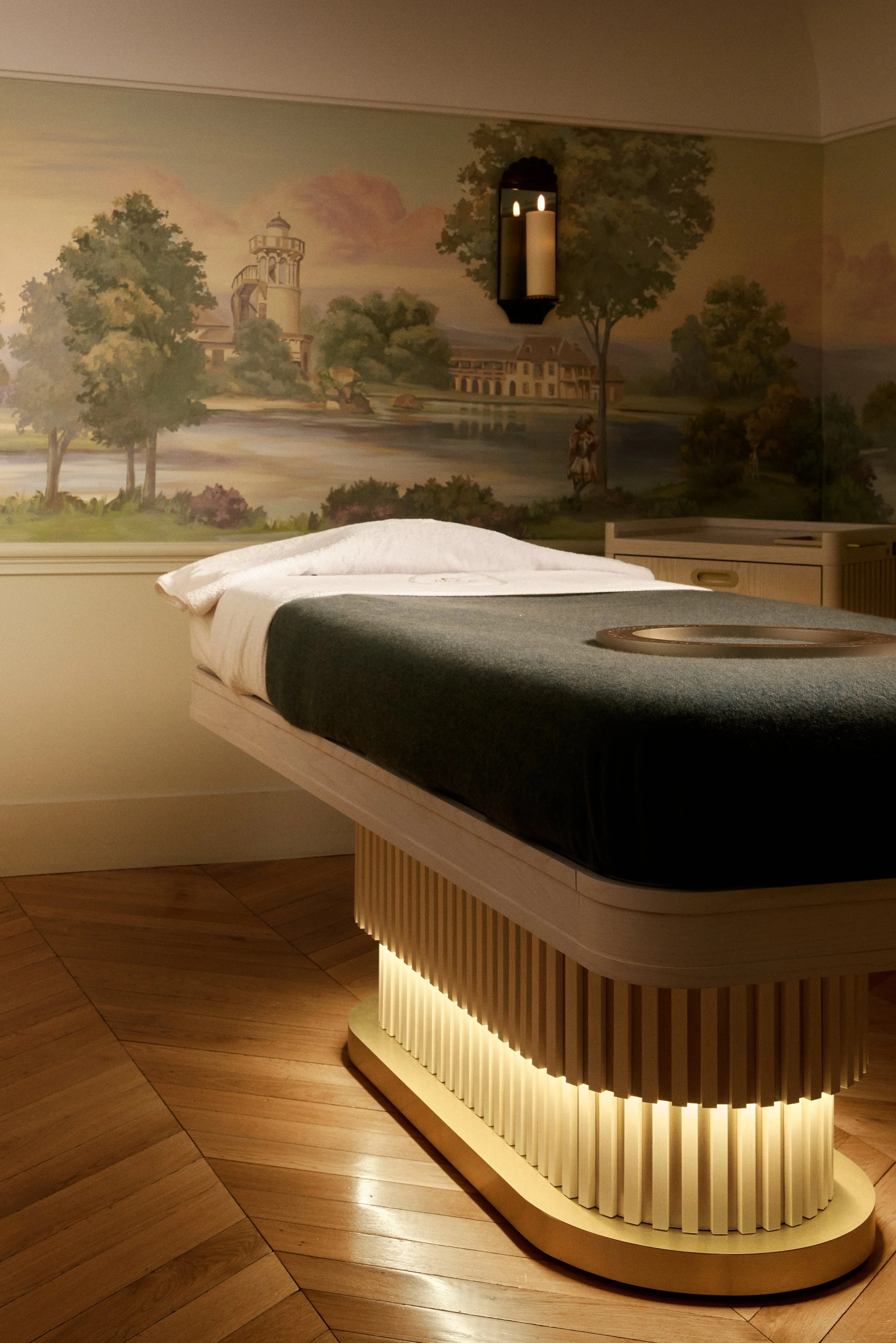
How do the spa protocols connect to the product formulas? Can the full benefit of the products only be accessed through the ritual?
The care protocols practiced by our facialists and the formulas in our products were conceived in parallel, moving in the same direction. The formulas embody regenerative science and deliver results through plant biotechnology and NEO-REGEN technology. The protocols embody regenerative aesthetics — working on the physiology of the face: the fascia, the supporting muscles, as well as blood, lymphatic, and interstitial circulation. Through movement, the gesture prepares the tissues, revives their mobility, and creates the ideal conditions for actives to be fully received by the skin. That said, the products were designed to be fully effective in daily home use. The LBA spa ritual is not a requirement for benefiting from their effects — but it acts as an amplifier.
Are you learning from clients who go through the rituals — data, feedback, insights — that feeds back into R&D?
Yes, absolutely. The Domaine de Baulieu is for us a genuine living laboratory. By observing clients’ skin in the Spa, listening to their feedback, analyzing insights from rituals and protocols, we learn constantly. The skin is a living, dynamic system that reacts, adapts, transforms. Each treatment becomes a precious source of observation. These observations feed our reflection and enrich our research. They allow us to refine gestures, better understand tissue response, and sometimes orient new avenues of formulation or application. We learn by observing everything the living shows us: skin, plants, natural cycles. This attention to the living is part of the DNA of Laboratoires Botanique Avancée.
What does your own morning ritual look like, and has building LBA changed the way you relate to your own skin?
I am passionate about the science of the living, so my skin is often my first testing ground: I test many formulas, textures, and protocols. But day to day, I always return to the essentials: the ritual of the four LBA gestures. Creating the brand changed my way of looking at my skin. I observe it more, listen to it, understand it better.