

The Abel Thesis: Artistry, Biochemistry, Radical Fragrance. A Conversation with Frances Shoemack
*ABEL FRAGRANCE
*ABEL FRAGRANCE
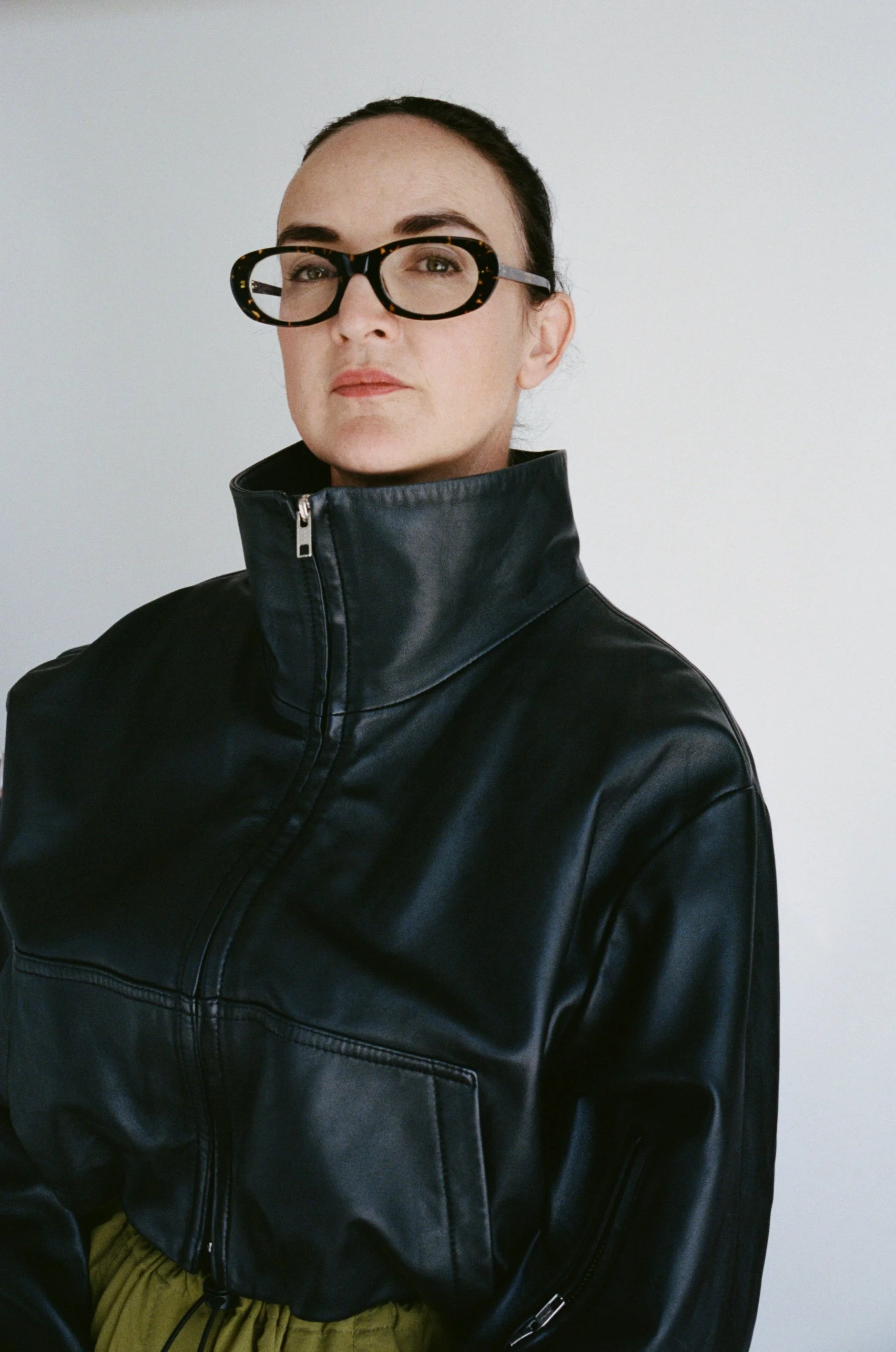
Frances Shoemack came to scent with a winemaker's patience and a scientist's curiosity. Abel began as a refusal to compromise: if modern, fully natural fragrance didn't exist, she would build it. That discipline (trusting the nose, honoring raw materials, interrogating structure) now meets the precision of biotechnology. Fermentation, derived molecules with traceable origins. Upcycled ingredients that perform on skin. High concentrations rebuilt from the ground up. The result: longevity without compromise.
Working with Master Perfumer Isaac Sinclair and biochemist Dr. Fanny Grau, Frances Shoemack treats each formula with architectural precision. Every material earns its place. Seaweed absolute for saline lift. Upcycled cherry for tart brightness without synthetic sweetness. A biotech aldehyde for clarity and lift. Even the packaging reflects this discipline: home-compostable caps, lightweight glass, proof that constraint sharpens design.
What emerges is a radical fragrance brand: materials, methods, and meaning aligned toward a future where natural perfumery is both rigorous and human.
If this article resonated, come inside the Future of Skincare newsletter on Substack. Beauty Signals is the deeper layer within it, weekly patterns where skincare meets culture, for skin intellectuals, beauty anthropologists, and the cosmetics curious. Read the opening free, full access at latte with me level.
You were a winemaker before entering perfumery. How did your background in wine shape your appreciation for scent and lead you to create a fully natural perfume house?
Winemaking was my first education in the sensory world. It taught me to trust my nose, to understand how raw materials behave over time and how small shifts in chemistry can completely transform a final experience. When I moved from New Zealand to Amsterdam, I went searching for a fragrance that aligned with my values. I wanted something modern, elevated and fully natural. It didn’t exist, so I decided to create it. That winemaker mindset of blending intuition with technical precision still guides everything I do at Abel.
When you started Abel, industry veterans said high‑performance natural fragrance was impossible. What kept you pursuing that vision, and how did you translate "no's" into innovation?
I’m stubborn in the best possible way. Every time someone said it couldn’t be done, it clarified the path forward. Instead of compromising, we doubled down on science and opened our palette to the latest advances in biotechnology and upcycled ingredients. Those early no’s became the catalyst for our biggest breakthroughs, including our recent reformulations that prove high performance and 100 percent natural can absolutely coexist.
You work closely with Master Perfumer Isaac Sinclair and scientist Dr Fanny Grau. How does the interplay between artistry and science manifest in your creative process?
Our creative process is a conversation between art and science. Isaac brings decades of classical perfumery experience and an experimental spirit, while Fanny, who is also a biochemist, brings precision and a deep understanding of how natural molecules behave. Together, they unpick formulas to their essence, test multiple ingredient sources, rebuild structures and push performance without ever stepping outside the natural world. It gives our fragrances their confidence, structure and soul.

Your latest collection increases concentration by 37 % and lengthens wear. What research and biotechnology breakthroughs allowed this leap in longevity while maintaining natural status?
Biotechnology has transformed what is possible. We now have access to plant derived molecules with incredible purity and precision, produced through fermentation rather than petrochemicals. Combined with high concentration natural extracts and upcycled ingredients, we rebuilt every formula from the ground up. The result is more strength and longevity while remaining 100 percent natural and zero petrochemical. It’s performance that still feels alive on the skin.
Your fragrances use 100 % natural ingredients. Can you walk us through some of the key raw materials in your collection and their specific powers or properties, what makes each ingredient essential to the final composition?
Every ingredient earns its place. Natural essential oils and absolutes bring complexity, personality and a beautiful evolution on skin. The biotech molecules bring more of the precision and modern perfumery element to the fragrance.
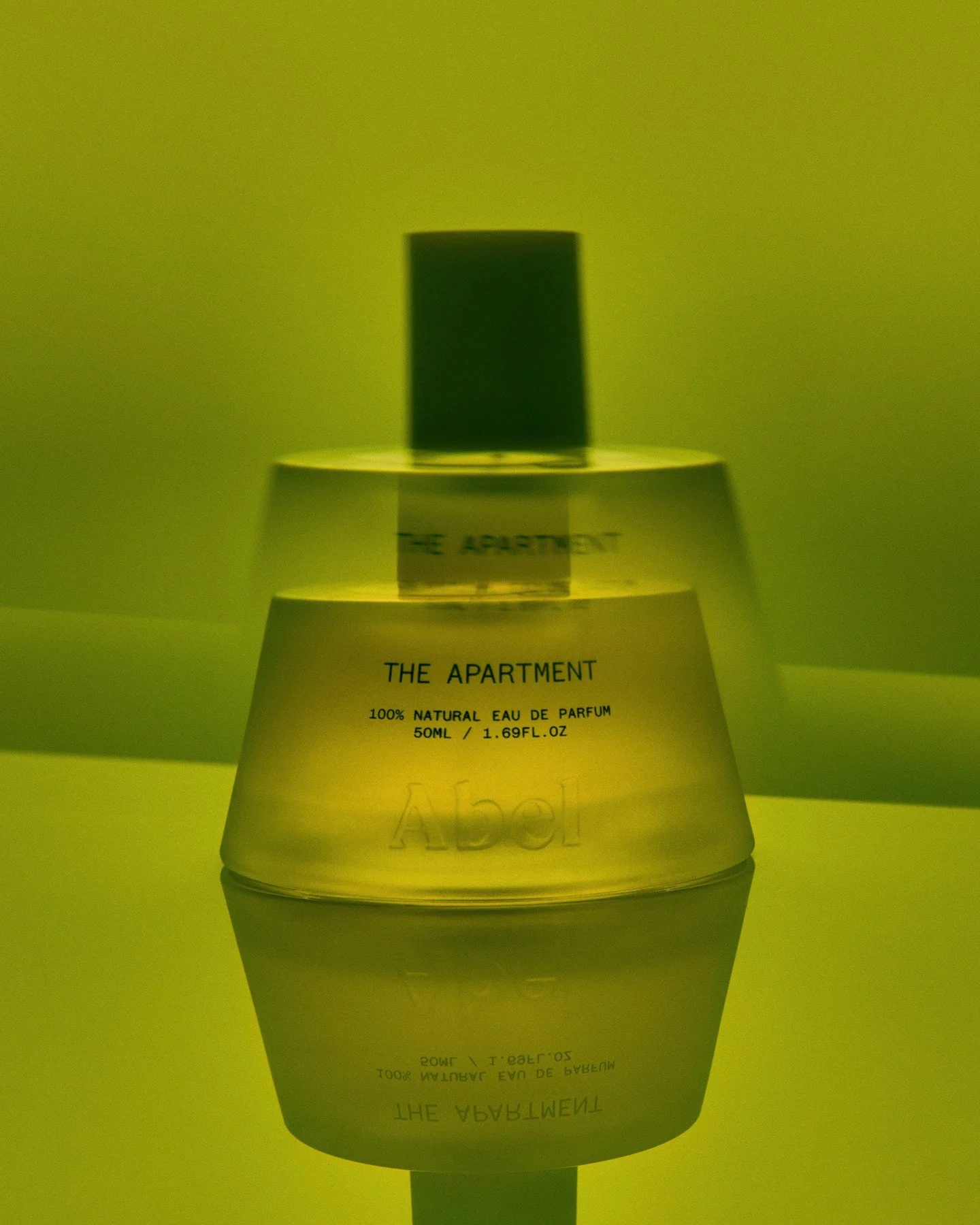
The tart upcycled cherry (a food industry by-product) in The Apartment brings a juicy, modern twist without the artificial sweetness of traditional cherry notes.
A beautifully complex seaweed absolute in Cyan Nori creates that briny oceanic salinity that is so evocative and transports you instantly.
A biotech aldehyde in Laundry Day gives that sparkling aspect that brings the fragrance to life.
Abel's fragrance names are evocative and poetic. What's the story behind each scent's name, and how do the names reflect the emotional or sensory journey you want wearers to experience?
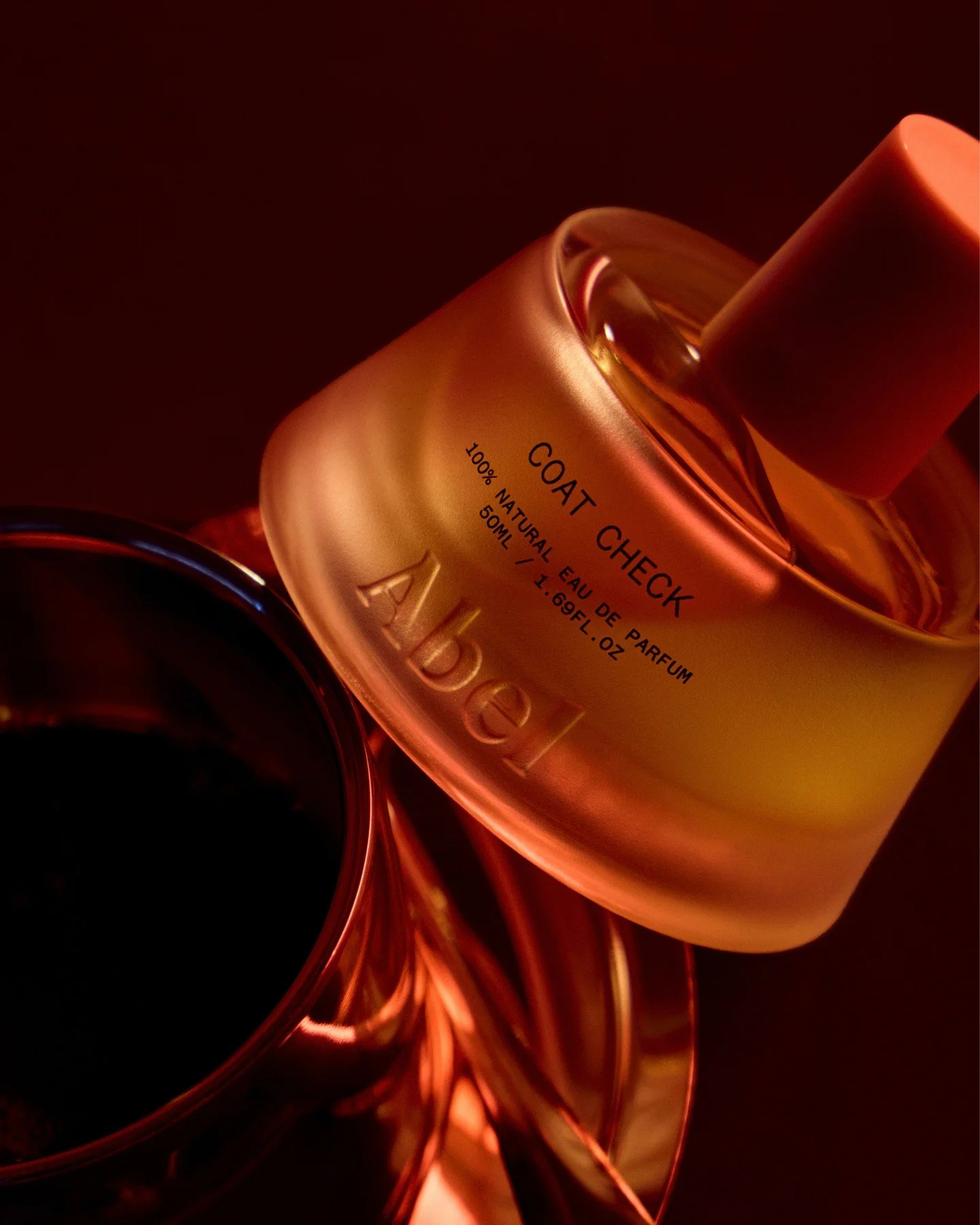
Our names anchor the story and the emotion we want to evoke with the fragrance. Coat Check captures that slightly disheveled, late night elegance. Cyan Nori is all salty, vibrant ocean energy. The Apartment feels intimate, cinematic and a little mysterious and references timeless elegance. We choose names that let the wearer step into a feeling rather than a fixed narrative. Sometime the name is the idea itself - i.e. Pause or Nurture, sometimes it’s the final brushstroke, i.e. when we renamed Black Anise to Coat Check.
Your scents are described as confident and elevated. What mood or narrative do you hope each perfume evokes, and how do you want wearers to feel when they apply Abel?
I want our fragrances to make people feel like the most grounded, expressive version of themselves. Confidence doesn’t need to be loud. Sometimes it’s quiet power, sometimes it’s joy, sometimes it’s sensuality. Each scent has a singular point of view. They don’t try to please everyone, but when a scent clicks with someone, it feels like it was made for them.
Abel's new bottles use home‑compostable caps and recycled coffee‑cup paper, and the glass is designed for curbside recycling. Can you walk us through the decisions behind each material and the trade‑offs between sustainability, aesthetics and performance?
We redesigned every component from the ground up, really using design thinking methodology to push the boundaries of sustainable luxury. The goal was high quality with minimal impact. The caps are made from a bespoke biodegradable material. The outer boxes use a custom GF Smith paper blend made from recycled coffee cups and recycled wood pulp, chosen for both structure and texture. The glass is lightweight and made close to home to reduce emissions. Interestingly, constraints made the design better. Simpler, more honest and more intentional.
Northern Europe and Japan are major markets. What cultural differences have you observed in fragrance appreciation across Amsterdam, Tokyo and New York, and how do they influence your scent development?
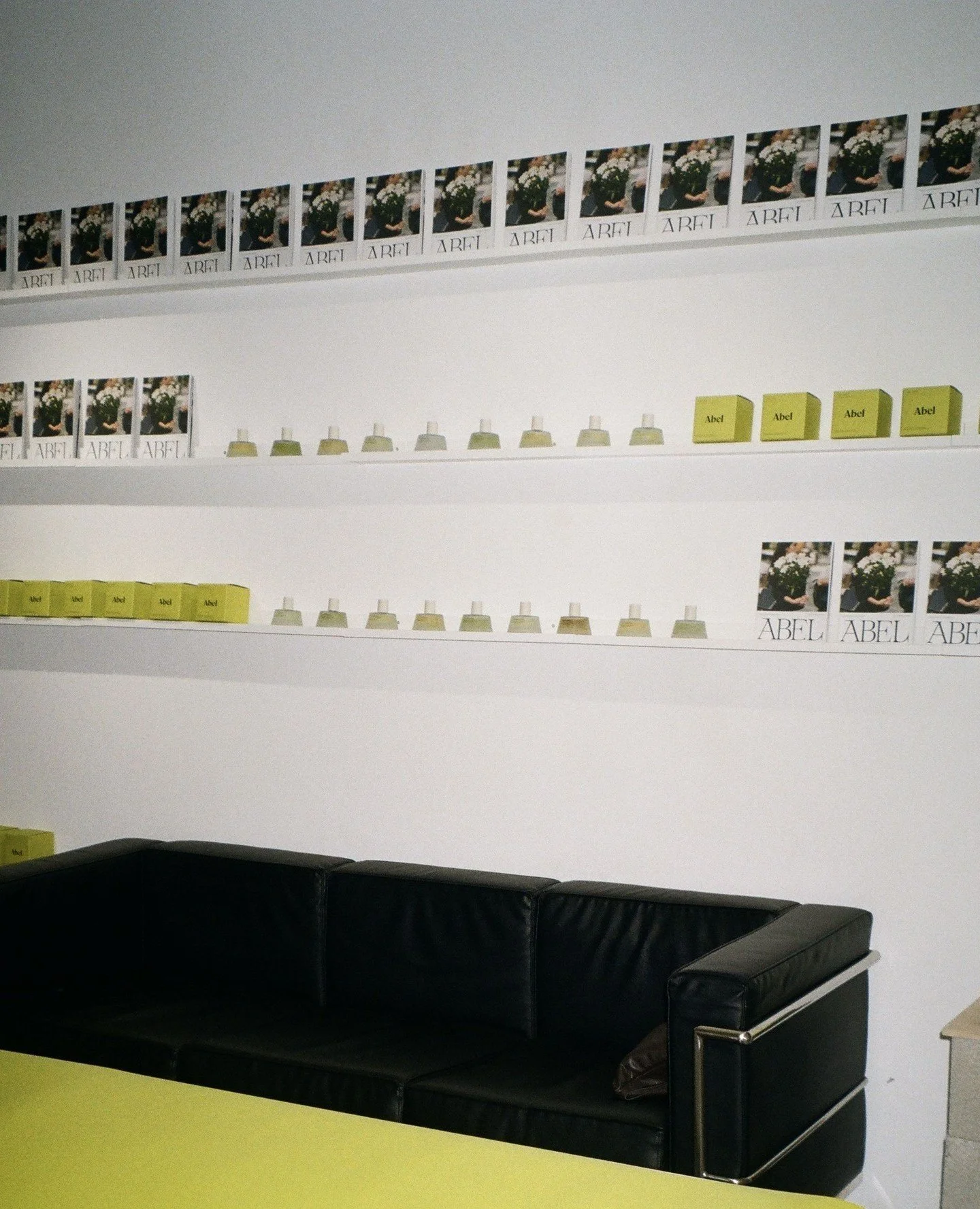
There are definitely cultural nuances that reflect in how the fragrances connect across markets, however we see a real red thread between our Abel wearer whether they’re in NYC or Tokyo. Northern Europe and Tokyo share a minimalist mentality the really connects with Abel - refinement, quality and craftsmanship are key. New York tends to embrace more boldness and personality in their choices but again, the quality and purity really connect with our audience there. When we’re creating we think about texture, structure and nuance with a localised voice, while staying true to our own voice.
Abel positions itself at the frontier of biotechnology‑enabled naturals. Are there specific biotech ingredients or processes you're excited about, and how do you balance innovation with purity?
Biotech is allowing us to reclaim scent molecules that have long been monopolised by petrochemicals. I’m especially excited about precision fermentation, which gives us consistent, traceable, plant derived molecules with a dramatically lower footprint. Innovation must serve our core promise. If it isn’t natural and future fit, we don’t use it. I’m most excited by the general momentum in this space with more and more molecules being created all the time and the fact that it’s becoming a genuine alternative to fossil fuels.
Natural perfumery is still misunderstood; some consumers think naturals lack longevity. How do you educate customers on the science behind your fragrances and manage expectations without resorting to greenwashing?
We lead with transparency. We explain why we use certain technologies, where ingredients come from and what limitations still exist. We also speak to the magic of natural whilst combined with science and the artistry of master perfumery. When people assume natural isn’t enough, it’s because they’re viewing it in isolation. People don’t expect perfection, but they appreciate honesty. We show the data, we share the research and we openly talk about challenges like sourcing and consistency. Education is part of the experience, not a marketing trick.
Running a fragrance house across continents requires creative and operational stamina. How do you stay inspired, and what keeps you grounded when the business demands intensify?
Nature is my anchor and a strong sense of purpose and need for grounding sits at the core of my personal and business philosophy. I drive myself and the team very hard, but also am a strong believer in rest, recovery and taking moments to pause. In fact this Black Friday the team and I are all taking a day off as a quiet stance against the breakneck pace of consumerism. My family - husband and sons are the best reality check when I’m losing perspective. We also have strong guiding principals in our family around time offline, time in nature, open conversations together which are crucial for staying grounded. I’m also inspired by my team and our community. There’s a sense that we’re building something meaningful and future facing. That keeps me energised, even on the demanding days.
Are there parallels between winemaking and perfumery that still guide you (perhaps in terroir, ageing or blending), and do you ever miss that world?
There are many parallels. Both rely on terroir, storytelling, chemistry and craft. Both evolve over time and connect people to place and memory. I don’t miss winemaking, but I carry it with me. It shaped how I create, how I collaborate and how I honour raw materials.
If you could design a fragrance experience beyond traditional perfume (e.g., in hospitality, wellness or technology), what would it look like?
I’m increasingly drawn to the emotional impact of scent. Fragrance has this remarkable ability to shift mood, lower stress and bring us back into ourselves in a matter of seconds. If I were to design an experience beyond traditional perfume, it would explore that relationship even more deeply. Something immersive and sensory that supports emotional wellbeing in a very real way, whether through daily rituals, spatial scent or new applications we haven’t yet imagined. There is so much uncharted potential in how scent can help us feel more grounded, connected and balanced, watch this space!
