

Fungi, Ritual, and the Body: Inside Marion Colibeau’s Vision for Fungastique
With Fungastique, the former luxury and biomaterials executive is giving functional mushrooms a new language, grounded in French production, scientific rigor, sensory ritual, and a more attentive relationship with the body.
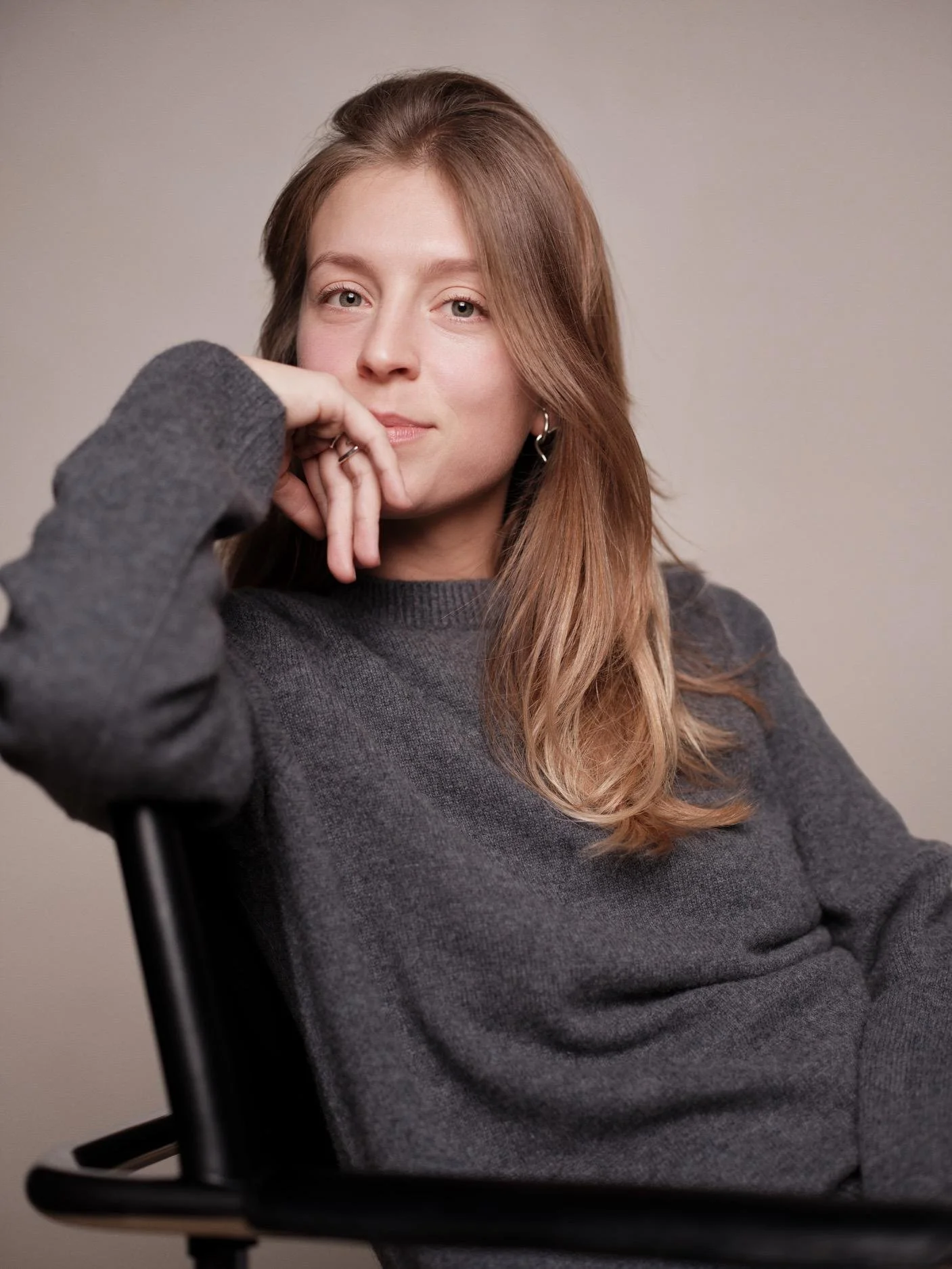
Long before functional mushrooms became wellness shorthand, Marion Colibeau encountered fungi through material science. After nearly a decade spanning LVMH and a London biomaterials startup, she learned to see the fungal kingdom not simply as an ingredient category, but as a living system: structural, regenerative, and radically interconnected.
Her relationship with fungi became more intimate after the birth of her daughter, when a difficult postpartum period led her to explore mycotherapy personally. Fungastique emerged from this convergence of industrial rigor, traditional knowledge, and embodied experience.
The brand brings unusual depth to a category often reduced to capsules and simplified promises. Its six mono-elixirs are cultivated, formulated, and double-extracted in France. Its Petit Guide de Mycothérapie examines both the existing research and its limitations. Its liquid formulas turn supplementation into something more sensory, deliberate, and personal.
For beauty, the proposition feels particularly relevant. Skin is not an isolated surface. It reflects sleep, stress, the gut, immunity, energy, and the conditions in which a body lives. Fungastique approaches these systems as interconnected, inviting us to think beyond the correction of individual symptoms and toward a more continuous relationship with our own biology.
In this conversation, Colibeau discusses the intelligence of fungal networks, the exacting choices behind her French supply chain, the dialogue between clinical biochemistry and ancestral practices, and her ambition to make mycotherapy more legible without flattening its complexity. More than a founder story, it is a compelling argument for a future of beauty built on knowledge, ritual, and a renewed capacity to listen.
If this article resonated, come inside the Future of Skincare newsletter on Substack. Beauty Signals is the deeper layer within it, weekly patterns where skincare meets culture, for skin intellectuals, beauty anthropologists, and the cosmetics curious. Read the opening free, full access at latte with me level.
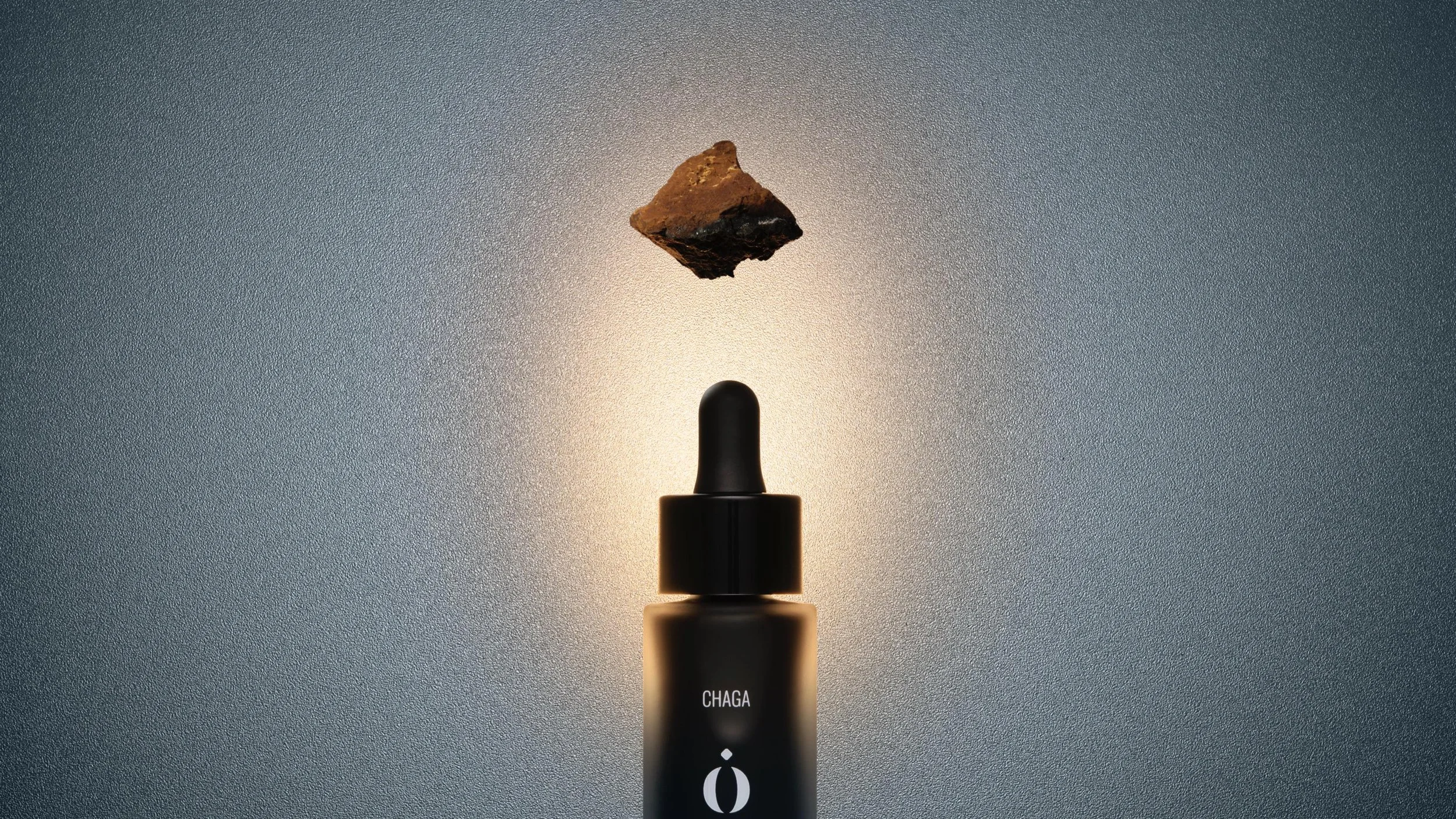
Credit photo: Fungastique
You spent nearly a decade in luxury and materials innovation — LVMH, then a London startup working with fungal mycelium to develop new materials. Most people encounter fungi through cooking or wellness. You encountered them through industrial science. What did that first contact with the mycelium teach you about the organism that most people in the therapeutic space have never had to reckon with?
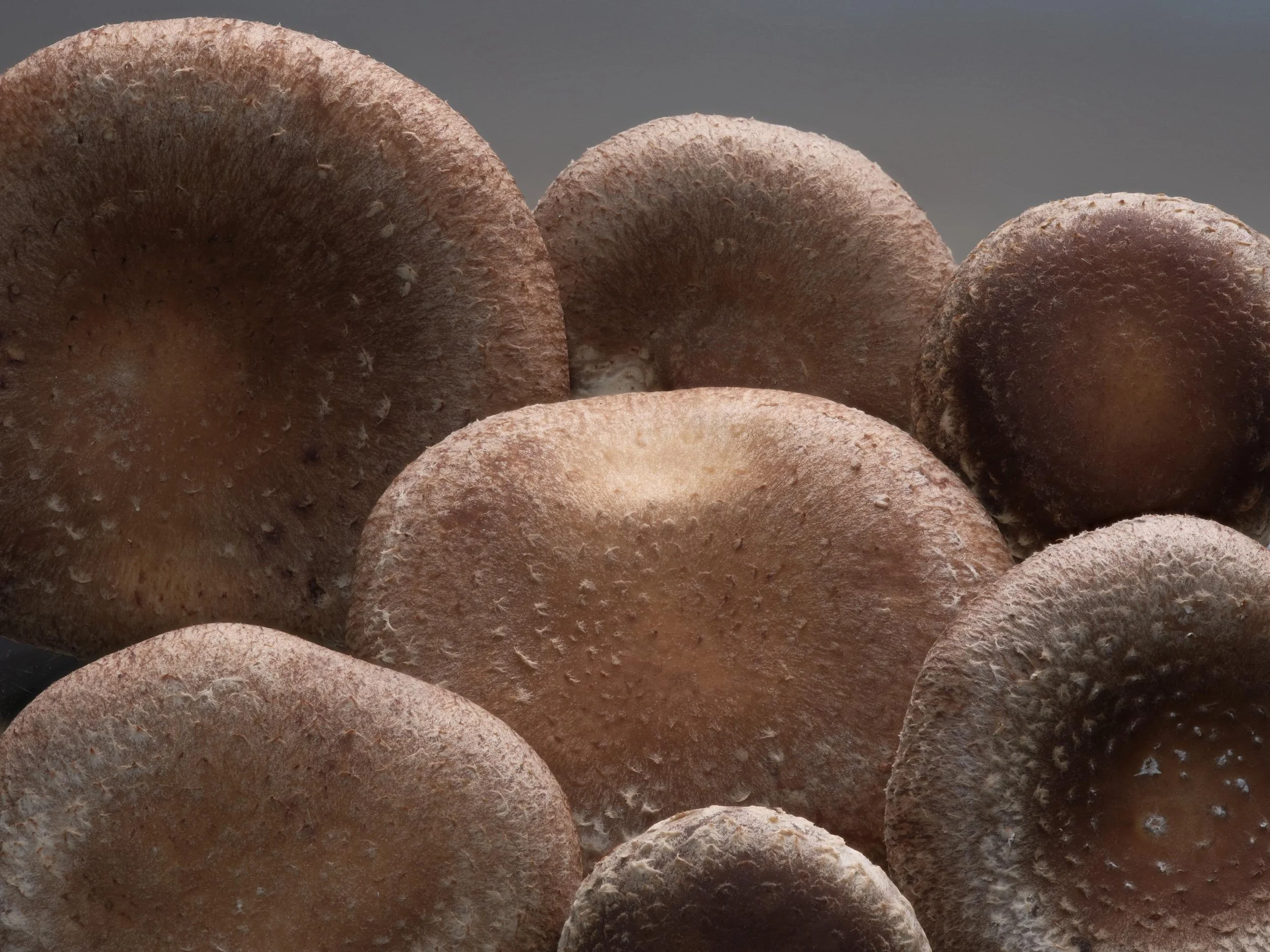
Reverence. A world opened up to me. Clearly, a light switched on. I realised there was so much more beneath the surface. An entire, living, intelligent network, fully connected. It was nothing like anything I had seen before. It was so much more than my mind could grasp, it still is. I first encountered fungi via its many applications, as an “alternative” to leather - although I do not like that word, alternative - and I realised all that could be done with both the carpophore (the fruit) and the mycelium (the roots) of fungi. We used both to create next-gen materials. The mycelium as a material on its own, although limited in use, and the fruit as pulp underneath almost always, plastic coatings. The types of finishes and the innovation with fungi was mind-blowing, with materials coming from across the globe - some very close to what we were trying to imitate, and others coming up with completely new propositions. What truly stayed with me was the role of mycelium and how crucial it is to soil fertility and regeneration. I discovered “mycoremediation” and how mycelium “cleans up” nature, how almost all plants rely on fungi. I think when you approach fungi in this way, you develop a form of reverence, of profound respect for fungi before anything else. You realise life as you know it, probably relies on fungi and you do not see things as you might have before. I know now you can also use both the fruit and mycelium of fungi for therapy. Just to bring clarity here: in Mycotherapy we prefer the carpophore, the fruit of fungi, for its purity above all and its concentration in bioactive compounds. There is quite a lot of research that document both, however the reason we tend to go towards the fruit over the mycelium is mainly because the mycelium can be polluted, can contain traces of the substrate on which it was grown (wood, grain), can have traces of petrochemicals and radioactive residue. That is its role after all, to clean up. Which is what then became the foundation of fungastique: knowing the role of mycelium and fungi, it was that more important to me to ensure product origin was at the heart of what we do. Knowing mycelium absorbs its environment at its very core, I knew that was not something I was willing to ingest and sacrifice quality on.
Your work in London involved developing innovative materials from fungi mycelium. There is a significant conceptual leap between fungi as structural material and fungi as a therapeutic protocol. How did you cross that distance — scientifically and personally?
There is indeed a leap! One I did not foresee. I never, in a million years, thought I would be doing what I am doing today. I have always been fascinated by “alternative” - here we have it again - methods of healing. I trained in Hatha Yoga, Ayurveda, I touched upon Shamanism. I would say to myself it was a hobby, a side job, something I would really get into when I would retire someday. Yet, fungi made their way to me. First in a field that I was confident in - luxury, innovation, developing a product, a business. Maybe as it was probably a less scary approach, before actually taking the leap, as you mention, and focusing on the real matter at hand, therapy. Maybe I was supposed to get there on my own, I did not. So fungi made their way to me once more. This time, with a slap in the face. In retrospect, it was probably what I needed to notice. It was only after the birth of my daughter, in the depths of postpartum, when all seemed lost - my physical body, my sense of self, my spirit - that I felt I had no other option but to turn to fungi. And there they were, arms open. And they did not disappoint. That is what they do I believe - they wait, patiently, until you are ready. It was an extremely personal experience, and the only way forward, really. So, although it did take some form of courage to jump off a cliff, without any sort of parachute, without certainty, it was the only way. And when it came to bridging the gap, between fungi as fashion versus fungi as therapy, it boiled down to science. I was at a material science company, I worked with biochemists and engineers before that at LVMH - and I still work with biochemists and engineers today. Some parts make more sense - I guess I was always quite good at mathematics and biology - and where it doesn’t yet make sense, I guess it comes down to time and determination. I read a lot, I am eager to understand, I am curious, I surround myself with experts and I hope for the best. It’s something I have come to learn over time, there is nothing you cannot do, you learn how to swim by being thrown in the deep end. Not sure if it is the healthiest way to learn, it just happens to be the way I have learnt throughout my career.
Credit photo: Fungastique
You describe your encounter with mycotherapy as happening after the birth of your daughter. Can you be specific about what changed — what you were experiencing, what you were looking for, and what you found?
Absolutely. It is true that I stay vague sometimes when I discuss this period of my life. I clearly state a before and after situation, a switch being turned on, my life radically changing. I don’t always go into the details, as it is so intimate, and I was so vulnerable. So let’s dive in together then, shall we? I have always wanted a child, since I was probably 16 years old, I was only waiting for the right partner to share this lifelong experience with (it was worth the wait). When the time came, I realised it was almost as if all my “alternative” - there it is again - studies, were to prepare me for the day I would birth a child. I always focused on pre and postpartum Yoga, Shantala Ayurvedic massages (for babies), Miranda Gray Shamanism that focuses on mothers and the moon. That spoke to me somehow and it became all the more obvious during those 9 months. I prepared for and had a natural birth, in water, without medication, or intervention. The birth was beautiful, exquisite, I would do it all again in a heartbeat. But the aftermath - there are no words. As if I was ready but my body was not. I still to this day cannot explain it fully. Neither did the doctors, if I am honest. My interpretation is, we are modern humans. So we hold the memories of childbirth within us, our body knows, how can you forget such an experience? But we are no longer ready, we do not move enough, we do not nourish ourselves well enough, we are disconnected. So maybe I put my body through what it remembered but had forgotten how to. If birth was like wild waves in a cave, my postpartum was a tsunami. It flooded, it killed, violently, definitely. Physically I had extreme infections, the irony was that they were daily infections (sinuses, ears, throat, eyes, you name it), but they turned into symptoms that frightened me. Loss of sight (temporarily of course), loss of balance and inability to walk, and the last anecdote I am willing to share as this is all getting too personal, waking up in my own blood. Words cannot describe the excruciating pain I felt that night, I will never forget. And no, I am not talking about childbirth. That was nothing compared to this. It is not the same kind of pain. I was drenched, I thought it was sweat. It was not until morning until I saw the crimson red stain my sheets. Tarantino would have been proud. Mentally, I was lost, my identity was gone, I was the bottom of the pit. I had been there before, but this time it was different, nothing was familiar. Something I had longed for, for so many years, was destroying me. I know I am not alone in this, many women go through it, but why do we have to do it alone? Uninformed? As a punishment, almost? And then fungi, a sanctuary that brought me back to my sovereignty. It took a month, a full cycle, and it. all. went. away. No more symptoms, no more pain, no more doubts, and a newfound joy for life. I was coming back to myself, I was not alone anymore, I had an ally. Bonus, I was radiating from within, and my skin and hair, again, no words! And one question: why is no one talking about fungi?
Fungastique is the only brand in France with a 100% French supply and value chain — cultivated, formulated, and double-extracted in France. That is not a marketing claim, it is a structural constraint with real cost. Why was that non-negotiable, and what did it require you to give up?
It was, without a doubt, a journey. First, I was over just “another claim”, always more marketing. It is everywhere, in our homes, on our faces, in our minds. Just to be clear, I say this with no judgement whatsoever, I participate in it too. It is just what it is. And I know I am not the only one to be over it. Enough is enough. I do not want, nor need, to be told what to do, what to think, and what to buy. Give me the facts, and I think I can still judge and feel for myself. And not only can I still do it, but I want to! It is part of what makes us human, in my eyes. So after having discovered fungi, I wanted to understand. I therefore did what I knew to be the best thing to do: I studied, I trained, I put into practice. I knew what was good and what was bad, and I wanted to share that. So I asked around, I discovered Made in Europe (I had first tried Made in China and my stomach wasn’t too happy about it, not to mention the lack of transparency). But even Made in Europe had its limits, Chernobyl, supply chain opacity. Mycelium is unforgiving, it spreads across 100 of km, it absorbs absolutely everything - it is its role after all, it recycles. Personally, I do not care to ingest nature’s (and man-made) trash. So Made in France became evident. And then, in France, I just instantly connected on a human level with my supply chain partners. Every meeting, every individual, felt orchestrated. Divine intervention? Who knows. I just consider myself to be very lucky on that front, and I am humbled by it. I respect and admire each and every person that has contributed to fungastique. Once I had the purest form of fungi I could find (in my opinion), I felt it a shame to bottle it in plastic, Made in China, brown packaging. Why hide it? Why disrespect it so? Again, this is not a judgement to others, it is just a very personal conviction. So I carried on pulling at the thread. First the bottle, it had to be glass, recycled, recyclable. No endocrine disruptors. Then the secondary packaging, to protect the elixirs from direct sources of light. All of it came together intuitively - all French, all responsible. It just made sense. And the sacrifices you mention, they were not even felt. Everything was so aligned, so obvious, I never felt like I was giving anything up. I was just getting closer and closer to what I envisioned internally. It was finally manifesting externally, in a physical form. It is, I guess, a small piece of me in the end. It all started and evolved with the product at heart. The rest was just solutions, calculations, making it fit. Details.
Credit photo: Fungastique
You chose liquid over capsule for a reason you describe as both biological and philosophical. Walk me through both arguments — what the liquid form does in the body that a capsule doesn't, and what it says about how you think people should relate to supplementation.
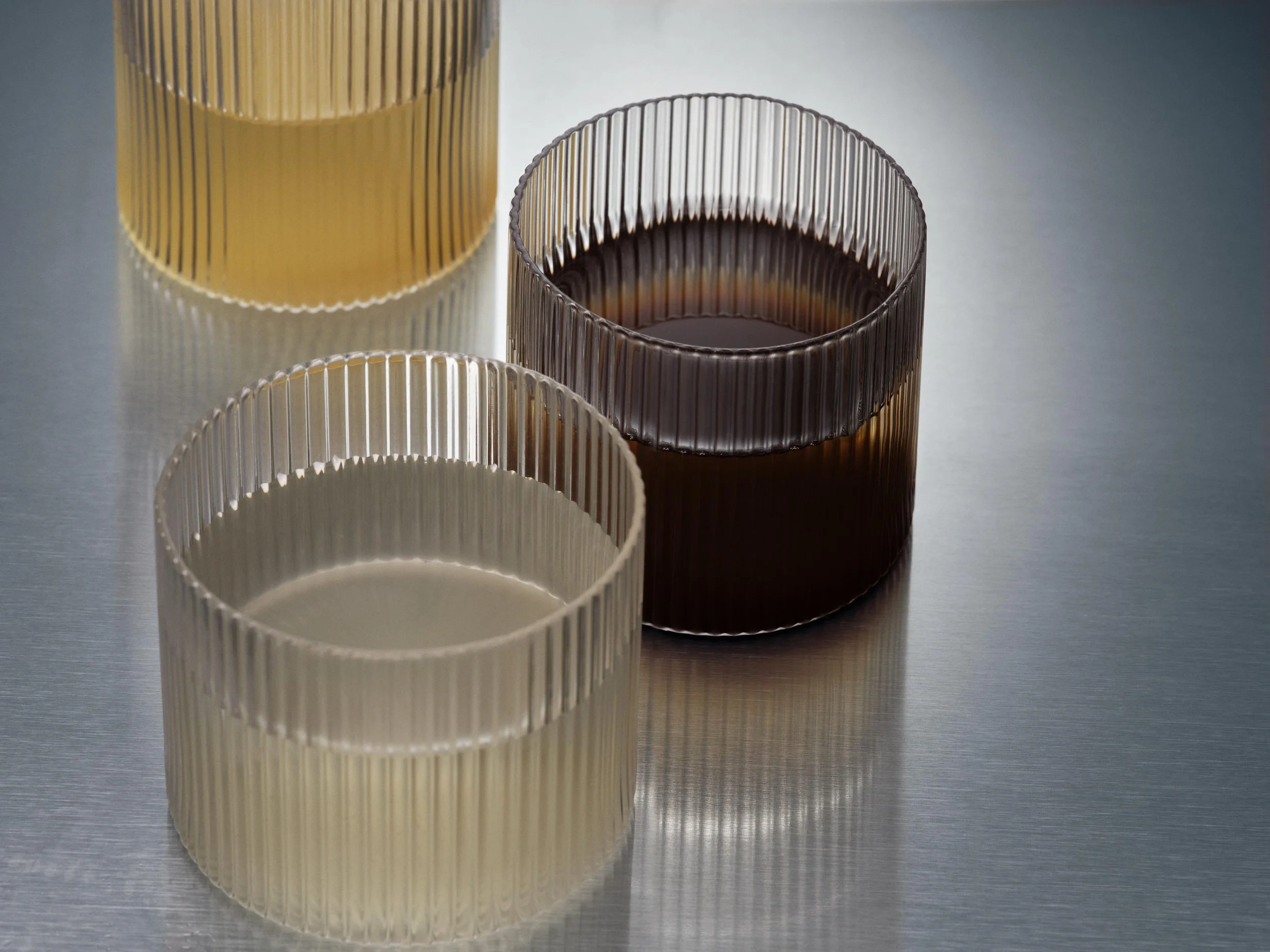
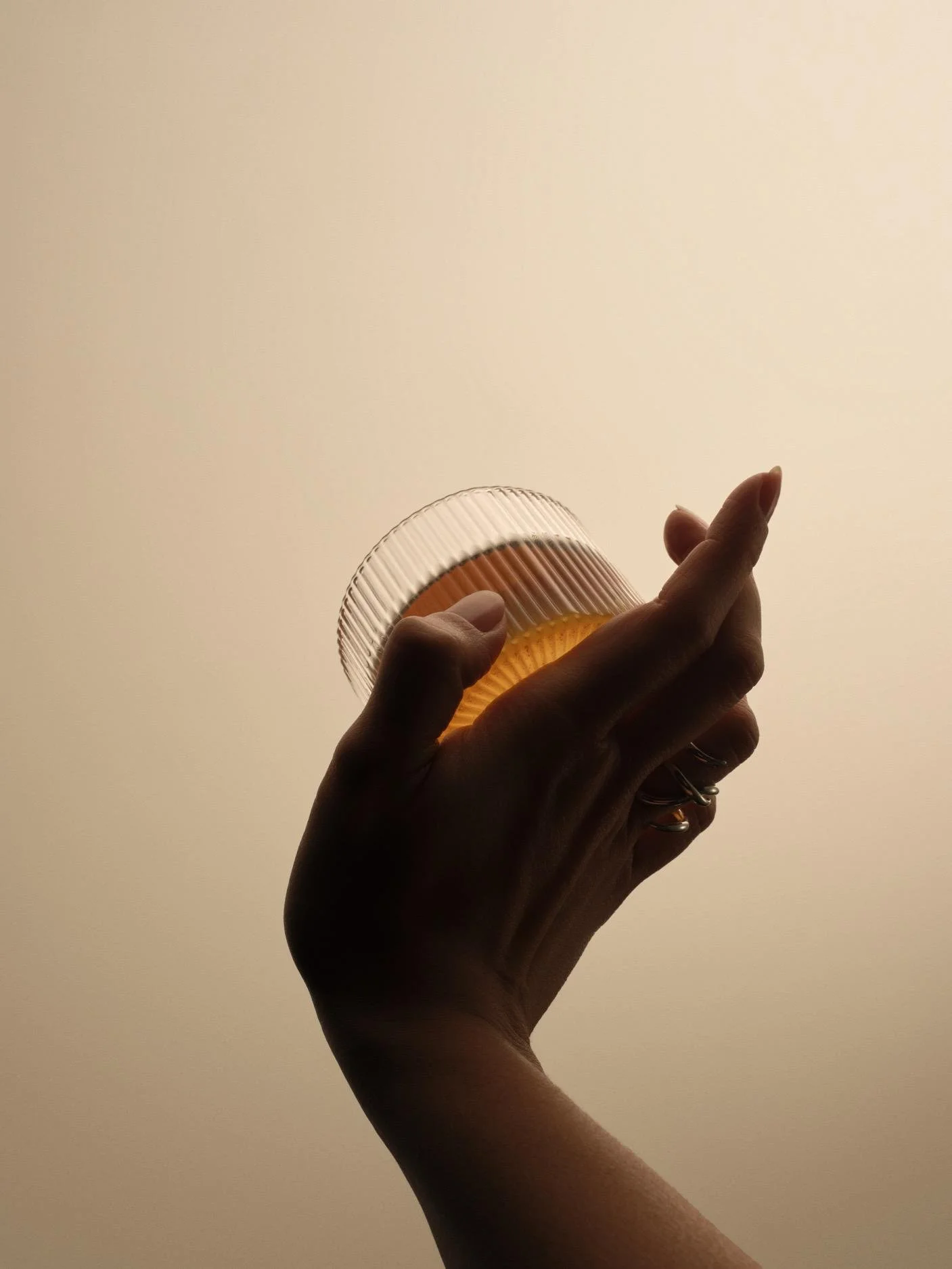
There is so much to say here. First of all, supplementation. I believe, and it is just my opinion, that marketing loves supplements. It is recurrent, you can subscribe, we can make it so we believe in a magic pill, and we can pile the pills up, it literally is the perfect product. But, and it is a big but, it touches people’s health and livelihoods. Biologically, economically, mentally. We have created the stress of going on holiday and not having all of our supplements, forgetting one, the imperfect balance of taking 15 pills of all sizes and shapes and praying for the best. Now, of course, I am sure effects are felt. I did it too, and some really work! Some are vital, foundational. If you do the proper blood tests, and you are followed by a proper practitioner, it can work for you, and that is great. All of this is an occidental approach to supplementation. And, again, that is perfectly fine. But what if we were to try something different? Something more intuitive, preventive? Something that has proved to work for millennia. You do not pass something down generation after generation if it does not work. And the key? Consistency. No magic formula, no empty promise. Just pure extracts of nature’s biological intelligence, and what nature does best, consistency over time. It seems obvious, does it not? It makes me smile that this is the “alternative” and not the norm. To touch upon the philosophical before talking about the biological aspect to your question - taking care of yourself should be intuitive. You are the only person that intrinsically knows what you need, on all levels. It always has and always will, start with you. That is what I try to call Biological Intelligence. Your body knows, all you need to do is listen. The body speaks so loudly! Psoriasis, headaches, gut inflammation, white tongue, you name it. Chinese Traditional Medicine looks at this, and so can you. We have been taught to ignore, to take beautifully bleached pills or synthetic yellow, red and blue capsules, to cut off feeling symptoms, to turn off the noise. That noise is the sound of your body. That is why I would like to propose another approach. Let us turn the sound up. Let us tune in. In all honesty, yes, it is hard at first. We hear nothing. We are not even sure we are doing it right. I have been at this for almost 15 years and I still have a long way to go. That is where fungi come in. Fungi are allies, catalysts, they help us remember. How to listen, how to come back to ourselves, to balance. Fungi are supplements, thought differently. And whilst we are at it, not only is the supplement important, but its form. Capsules, pills, in optic white, of all colours, none of it natural. Liquid is the purest form. No extra useless ingredients or steps. It is easier to take, to drink. More sensory - and that is where the ritual starts.
The Petit Guide de Mycóthérapie is unusually rigorous for a brand document — it cites clinical studies, distinguishes between preclinical and human evidence, and flags the limits of what is currently known. That level of epistemic honesty is rare in the supplement category. Where does it come from, and was there ever a temptation to simplify?
Oh god yes! But never from me. How many times, did my legal team, freelance graphic designers, entrepreneur friends, or just family, would say: “this is a bit too dense, who cares? who has the time?”. I do, and so do my people. We will find eachother, of that I am certain. There were probably a dozen “final iterations” and backs and forth. This guide is a distillation of all of the knowledge I have accumulated over the years, and that I continue to accumulate and update. My big black leather-bound books of notes, from studies, readings, documented experience. It was very hard to condense. How to give easy access to information, knowledge, to all, in a simpler, digestible form? I was also warned about certain topics: you are not allowed to say certain things (I still do not understand why, but things are starting to change). So yes, I had to nuance, I had to back up, but never at the disservice of knowledge. My north star is for every modern human to have their fungi elixirs and guide in their homes, as a daily go to. It was something I would not sacrifice. So I listened, I took the advice given and ultimately did what felt like the right thing to do. Even if we might not be ready yet, even if it might still be a little early. I did what I put forward constantly with fungastique, I listened to my intuition. In the future, I see a much larger version, a coffee table staple. But one step at a time.
Credit photo: Fungastique
Fungastique advocates for what you call the democratization of mycotherapy through the transmission of knowledge. That is a specific cultural project, not just a product philosophy. What does it look like in practice — and who do you imagine becoming their own mycotherapist?
A simple answer would be, everyone and anyone. What we need to understand is that humans have always been mycotherapists - under a different name, in varying forms, dating back millennia. So it is not a question of becoming, but remembering. And if it is happening at this point in time, it is probably because it is we need it the most. We live in boxes, we take boxes (or tubes) to go spend our days in boxes. We consume screens - small, medium, large - sometimes all at once. Colour is synthetic, textiles are lifeless, smell is intoxicating. Yes, this is radical, controversial, “alternative” thinking - I won’t say it, but I know you know, we are entering a love/hate relationship with the word now. Beyond the thoughts, the words, don’t we all feel it? Something is off. We are not 100% in our bodies, in our minds. We are running after something, what? Even longevity, is not about the quality of living longer, but the quantity of years to add on. Where is the joy? The pleasure? Real pleasure. Do you remember when you were a child (if you have positive childhood memories), the wonder and whimsy of the simple things? Personally, I realise I have lost most of it. So to be specific, and this is not an easy task, I envision everyone to come back to themselves, to balance. A true, enduring, native, balance. No more feeling the weight of our society on our bodies and minds. It is idealistic, I know. But with fungi, you can almost catch a glimpse of it. To give you, that is reading this, a glimpse too, so that you may touch upon it and imagine it for yourself, let me speak of my own experience. I have been taking fungi for 3 years. The foundation has been healed. It no longer moves with the waves, no more tsunami. It is there, like a rock, a boulder. Not as a weight, but in stability. Physically, mentally, spiritually, it is in balance. A permeative balance, it goes with the flow, no more upheavals. And it shows. Life just becomes simple, really. Yes, of course, there are ups and downs, but the foundation is strong. I cannot explain it further I am afraid, as it is something that is only felt and cannot be fully condensed into words. I invite you to try it for yourself, and you will see.
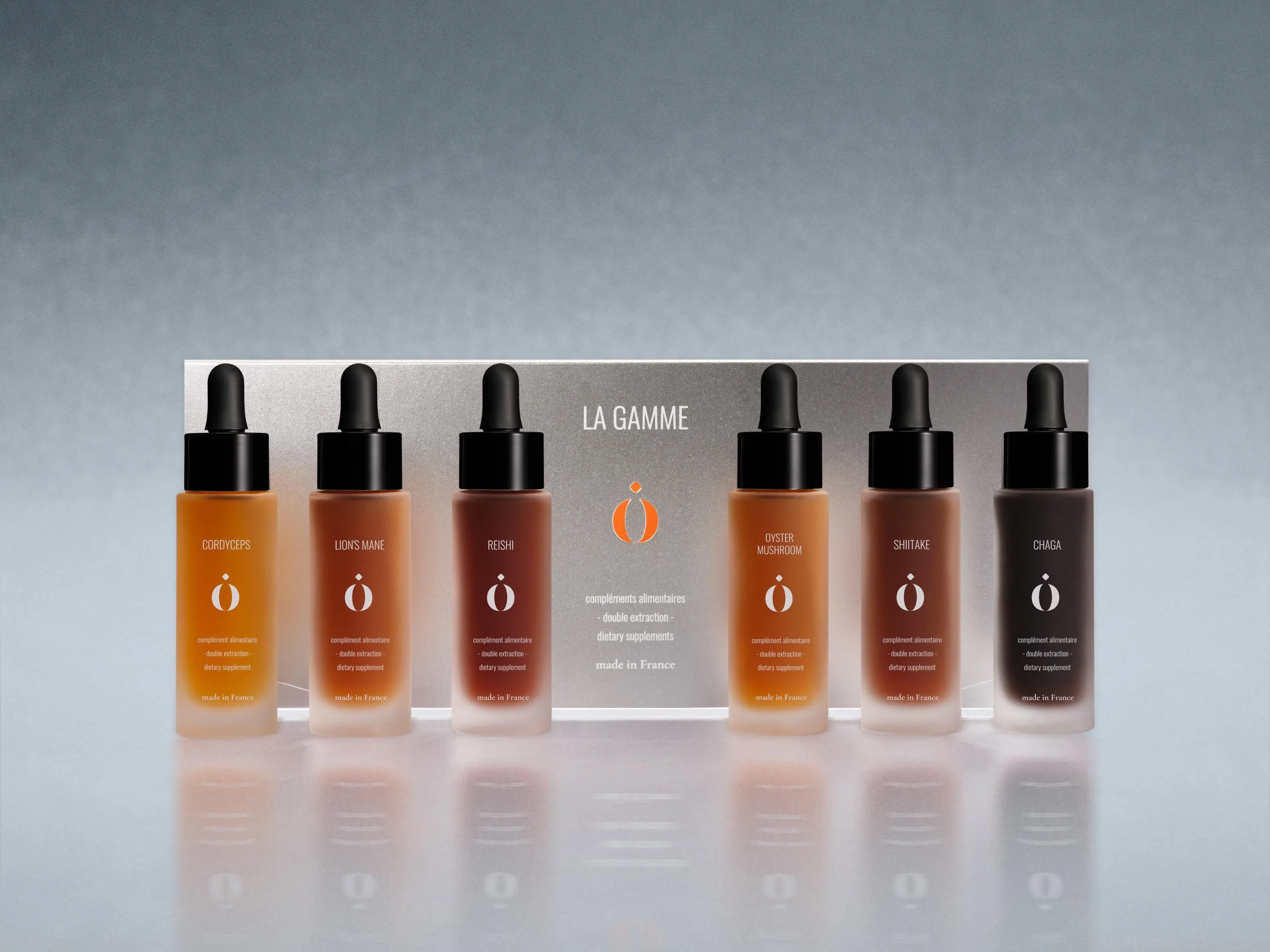
You launched with six mono-elixirs — Reishi, Lion's Mane, Cordyceps, Chaga, Oyster Mushroom, Shiitake — plus two coffrets. Why those six, in that order? What was the editorial logic of the range, and which mushroom did you have to fight hardest to include?
It all came quite naturally, again. It was a discussion with my supply chain partners, what was ready, what made sense, what I knew I had to have. That was gut feeling mostly. I lost one or two along the way, but only to better find them later on (stay tuned). Some I will not give up, that is not my nature, but I am OK with being patient and waiting for the right time. There was and never will be a power struggle with my supply chain partners. I trust unconditionally, the experts and the timing. To have quality, purity, above all, I selected what was already at that level. The rest will come in due time. The non-negotiable for me was Chaga, and I was lucky it was ready. If I were to go on a desert island it is the only one I would take. And then, why 6 mono-elixirs, I did toy with the idea of mixing them. To have a product that is “one for all”, marketing would go crazy. But it defeated the point. Purity above all else. Knowledge above all else. So no denaturing fungi, I wanted to propose them as they were and deliver the information needed to mix them if that is what is needed. Together, all 6 cover the foundation and form a good opening movement to the score of fungi.
Credit photo: Fungastique
Are there species you deliberately left out of the range — and what would it take for you to add a seventh? Is the Fungastique range designed to expand, or to remain a closed alphabet?
It will inevitably expand. There are 3 more already in the works. I was drawn to the numbers 3, 6, 9. So I will probably follow that intuition. And then, the sky is the limit, fungi know no limits to applications. I know that from experience. Once you are initiated to fungi, you just know the future is fungi. But to start, I wanted something simple enough to be understood yet not restricted to sell fungi short. I wanted something that paid the proper respect to fungi and their expression. The concept of fungi is still embryonic, it is nascent, niche, to the modern human. I did not want to pollute the message, to overload the transmission of knowledge with too much information. It is already complex, but just the right amount. Enough to spark curiosity without creating confusion.
For someone who has never taken a fungal supplement, walk me through the actual benefits they can expect from each elixir — not the marketing claims, but what the clinical and traditional literature actually supports, and on what timeline.
Again, it is very hard to concentrate everything into one answer. The Petit Guide de Mycothérapie does it best. But if you were to remember just a few things:
1. Fungi are nutraceuticals, they do not merely provide micronutrients (iron, magnesium, vitamins) they work with the body’s own mechanisms as catalysts.
2. Take them in the morning on an empty stomach, fungi do not like to interact with food. 3. Take them with room temperature water, fungi are less effective when heated.
3. Clinical studies show results from 8 weeks. Each metabolism is different, sometimes it is 6, sometimes 10-12. Results can be felt from 1 week based on client feedback.
4. Fungi synergy is really a thing, clinical studies demonstrate it, they recommend up to 3 fungi
although preclinical studies go up to 6.
5. If you have any doubts, of course we encourage you to ask medical advice. Fungi do not interact with other forms of therapy, there are no counter indications, but we will always err on the side of caution.
6. Now for reach fungi:
Reishi: for those who have trouble sleeping, who are anxious, who’s mind is always “on”, those who have migraines, allergies, hay fever. Reishi is a natural anxiolytic.
Lion’s Mane: for those who are after brain-gut support. Those who need an ally to help concentrate, get things done, remember things. Those who have gut inflammation, and are bloated. Lion’s Mane regenerates the intestinal epithelium and works on intestinal hyperpermeability and inflammation, it is a natural prebiotic. Lion’s Mane also promotes the production of NGF (Nerve Growth Factor) and BDNF (Brain-Derived Neurotrophic Factor) for neuronal regeneration and cerebral plasticity.
Cordyceps: for those who run marathons, do sports of all kinds, had long Covid, are burnt out, for women of all ages (in their fertile phase, in menopause). Cordyceps is a natural stimulant, including immunostimulant (it is great paired with Reishi for immunity and allergies). It supports the production of ATP (Adenosine Triphosphate), promoting cellular energy. In one word, Cordyceps is vitality: physical, sexual, mental, tissue vitality.
Chaga: for mothers. For those who need immune and sleep support, who want naturally radiant skin and long-lost hair density back. Chaga is renowned for its antioxidant properties and is rich in melanin.
Shiitake: for those who are always bloated, who want regular bowel movements, who are obsessed with the microbiome, gut and oral health, for those who want to feel lighter, and for those who want a little libido push. Shiitake contributes to a balanced microbiome and better assimilation: it regulates intestinal transit and weight management as well as supports the regeneration of digestive mucous membranes. It supports the liver’s natural detoxification and the body’s elimination mechanisms.
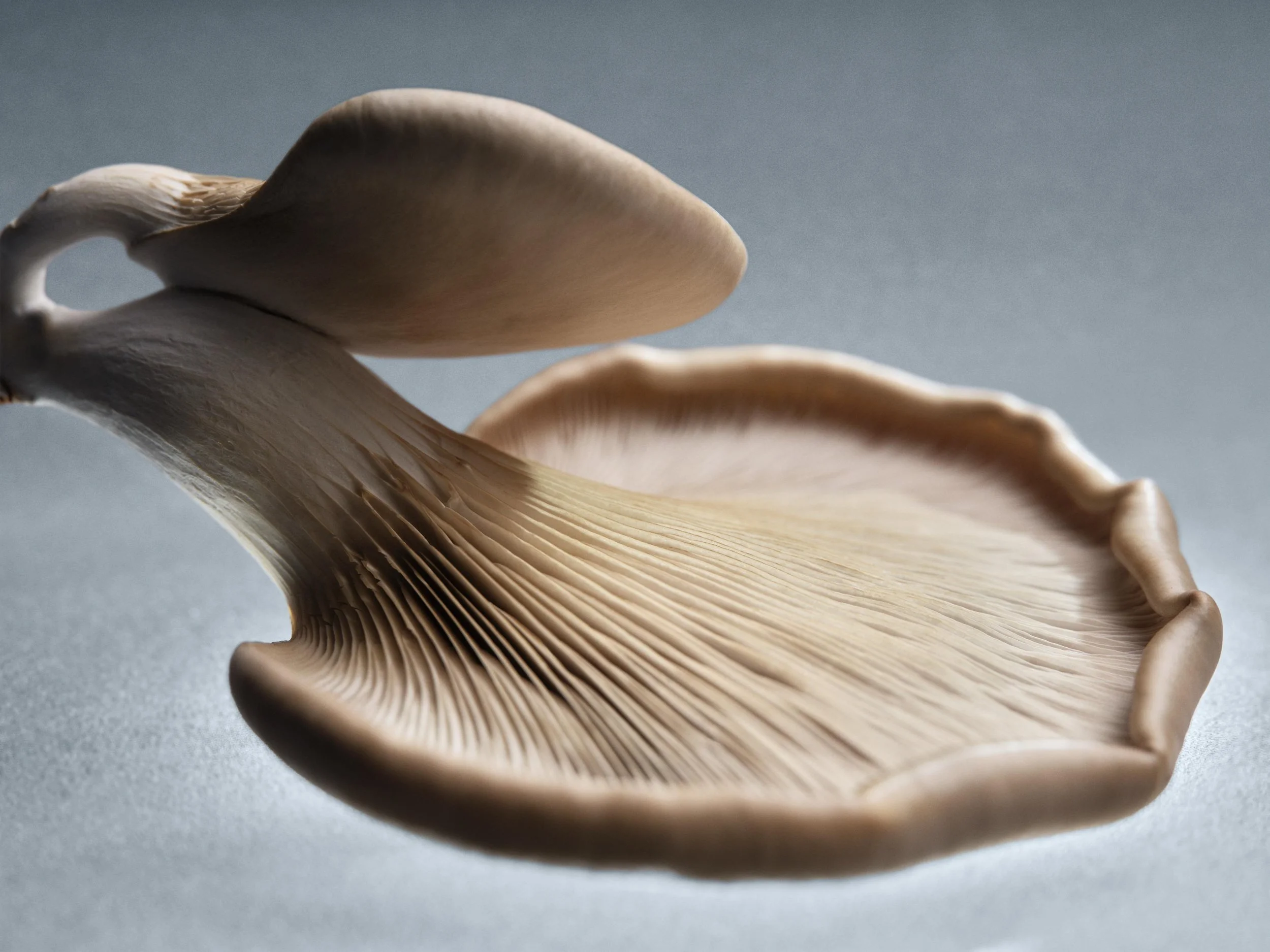
Oyster Mushroom: for vegans, for women in menopause, for those who are looking for iron, fatty acids, B-group vitamin support. For those who need an ally during seasonal flus, fatigue. Oyster Mushroom is naturally rich in iron, and helps maintain stable energy, promote cellular protection as well as hair and nail vitality. Oyster Mushroom is a natural prebiotic and contributes to gut flora and the microbiome. Lesser known, Oyster Mushroom is an ally for smokers who wish to quit.
Credit photo: Fungastique
How should someone use Fungastique in practice — single elixir or stack, morning or evening, with food or without, for how long before they should expect to feel something? What is the protocol you give to a friend who asks?
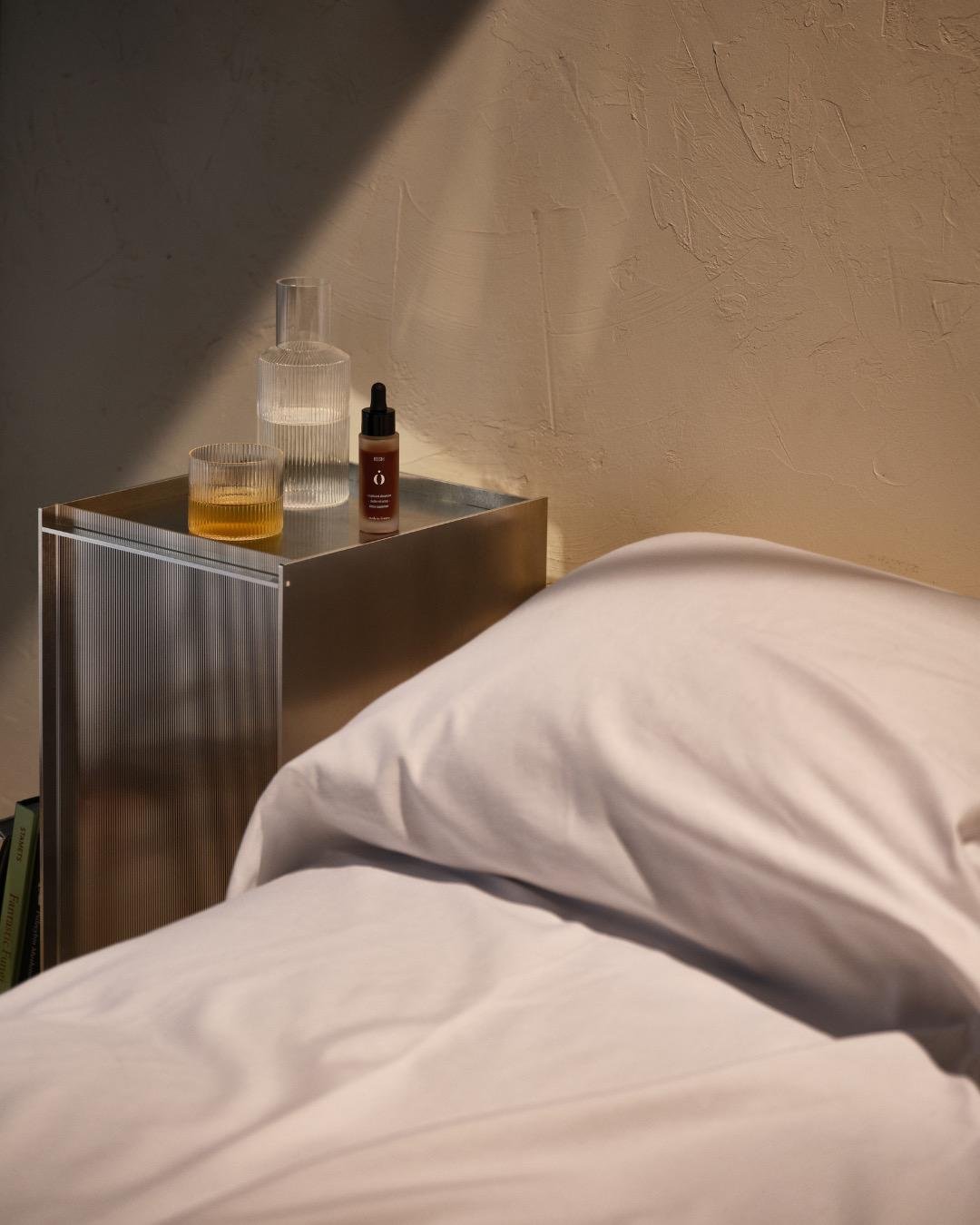
With intuition, but I understand that can take time! And that is OK, all the best things do. In the meantime, I recommend to start with L’Essentiel. As its name states, it is the essential stack. The 3 major fungi chords: Reishi, Lion’s Mane, Cordyceps. It allows you to try one, then another. See, feel, for yourself. Most of all, it invites you to try the synergy of fungi. The science is there, but the personal experience is stronger, more powerful. You can also adventure taking one for some time, then moving on to the other 2. The best pairing in my opinion is Reishi & Cordyceps, when you feel you are coming down with something, when you know hay fever season is around the corner, or simply when you need a good night’s sleep and to feel energised. Lion’s Mane can be taken on its own, even just before sitting down to finish a project or when you need to really focus. With regards to timing, the reason why I say morning is to have an empty stomach but also to put a ritual in place. To take a moment each day to breathe, to listen, to connect to oneself. Then everyone has their own rhythm, you can also take it just before dinner if you had an early lunch and no snacks. Speaking of rhythm, that also refers to metabolisms. We each have a different one, and it responds at a different speed. I mentioned 8 weeks - it depends on what the focus is. Lion’s Mane, for example: feedback on mental clarity and concentration is almost immediate, anywhere from a few days to a week. Yet, Lion’s Mane’s effect on the gut and your intestines will take the full 2 months, it is not the same task. It depends where you are to start with. What is most surprising, is the feedback we get when clients take the fungi elixirs for 1 month (for chronic sleep issues, for example), some do not notice any difference during that month. Then they stop, and that is when they realise the effect. That one month mark is very interesting in how it impacts clients, who are on the edge. It is like the saying - you realise you miss something when it is no longer there.
The brand identity is built around a very specific sensory world — the smell of damp forest, micro-textures like fungi skin, the taste of something umami-adjacent and caramel-like. How did you arrive at that universe? Was it intuitive or constructed?
I feel like there is a pattern that is being woven here question after question. There is of course my experience, professional, my studies, and this all feels very constructed, and it is. I have learnt over time what works, and what does not. A part of it is meticulously thought out and based on evidence collected throughout my career. But underneath it all, the final cut, the last word, the ultimate decision, that is all intuition. I cannot explain it, I ask and I get an answer. I can feel it somehow. And the decision is razor-sharp, quick, efficient, no need to look back once it is made, never a regret. That is just how it is, what is meant to be, and I trust it fully. No questions asked. The mind wants to wander, circle back, triple check, be reassured, balance pros and cons, and so I do that sometimes, but it never has the power to take decisions. This all feels bigger than me somehow, so I listen and follow what I feel to be right.
Credit photo: Fungastique
You have studied with practitioners of Hatha Yoga, Ayurveda, and Shamanic traditions. These are frameworks that operate on very different epistemological registers from clinical biochemistry. How do you hold them together — and does that tension ever create friction in how you talk about Fungastique?
Tension, no. As it all feels the same, it is just two different ways to try to explain life, I guess. One will speak more to some, or the other. More than tension, I would say restraint, at times. Sometimes things come naturally, intuitively, and it is hard to get the science to “match”, to catch- up. Because that is what people want. They want proof, clinical studies, facts. We have lost touch somehow with intuition, ourselves, listening, the famous “woo woo” side of things. But was Einstein not “woo woo” and a great scientific mind, at the same time? It is not right brain versus left brain, it is one whole brain. It is all, one whole. So sometimes I will get carried away, like I am now and the mind steps in, discernment comes to play, and I will rephrase or remove certain things. Out of pudor, or simply to protect myself. You never know how things can be received - some people can hear things others cannot - and it is all OK. Duality, plurality, is part of life and our world. No judgement or superiority. So, to answer the question after taking a small detour, they exist together because that is how it is. I do not believe to be doing anything specific to make it so. I also think science tries to explain what traditions have known for centuries, generations, since the beginning of time. And it is getting there, and if that is the tool needed to understand it fully, then why not. In the end, one feeds the other. Especially when I talk about fungastique, it all feels quite natural. There are strategies in place of course, there is a structure, a frame - but what happens inside the frame flows freely.
Walk me through what you actually take every morning. Not the full protocol — the real sequence, the dose, the moment, what you feel afterward, and what you've changed over the years of building this.
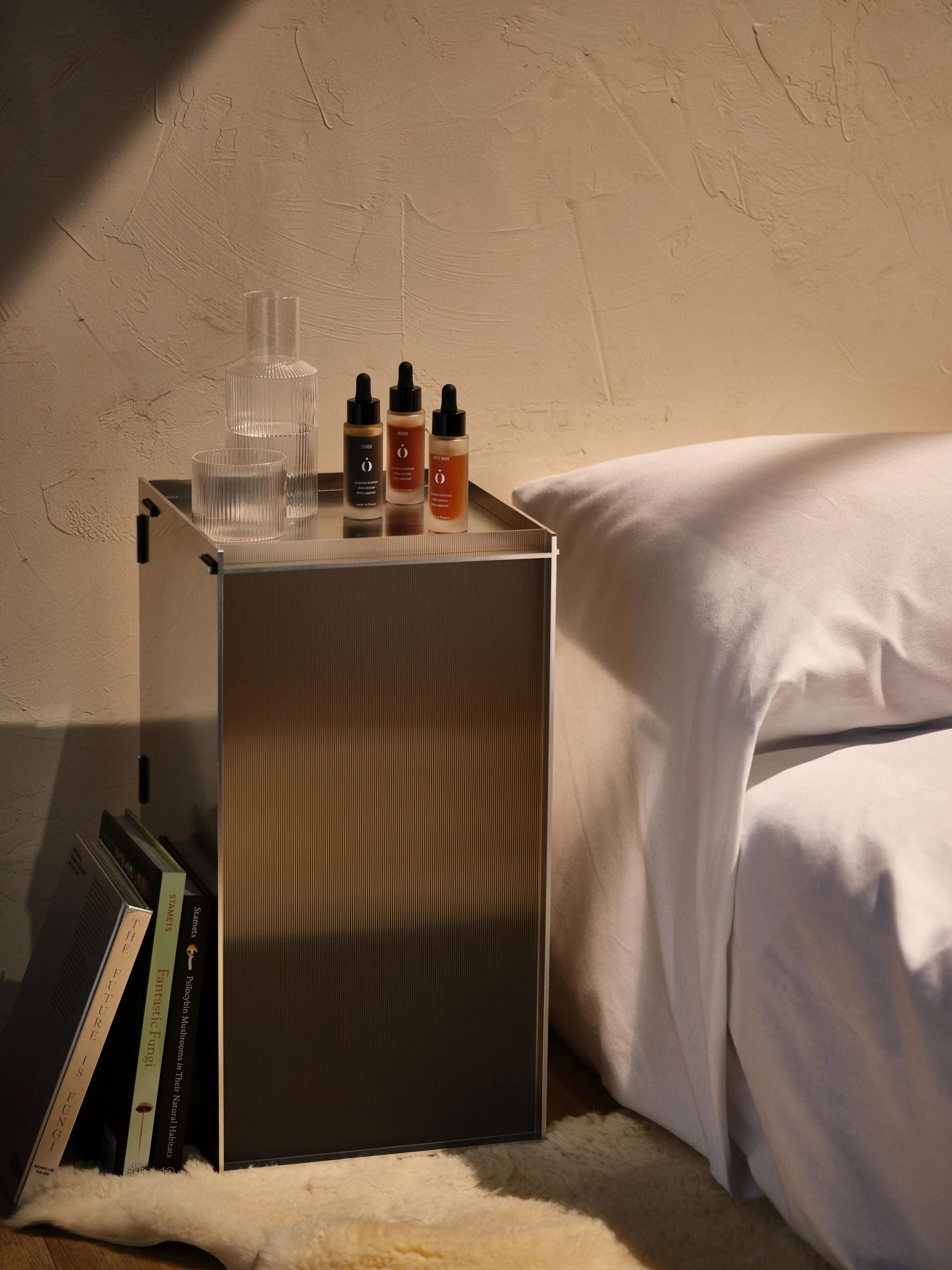
In the morning, I am either woken up by my daughter (unless she was already in our bed overnight) or I wake up before her and get ready. I grew up in Italy, so coffee is everything. It is not a need, but it is a great pleasure. Over the last 3 years, I just added a small yet very important step before the sanctity of coffee. Fungi. I go to the kitchen, I stop, I look at the elixirs, I breathe. I close my eyes if needed, but over time that has no longer been the case. I just know, somehow. I feel it in my body. My regular go tos are Reishi, Lion’s Mane, Cordyceps & Chaga. Always Chaga. and Reishi. They are my King (Reishi) and Queen (Chaga). I take two pipette pumps (one full pipette is 1 ml) of each in an empty glass. Sometimes I add a bit more Reishi or Lion’s Mane or Cordyceps based on my day, meetings, Pilates, time of the month. I then add filtered room temperature water. I usually make one for my partner, although I would prefer it if he would make his own, as he knows best! I put his aside, I stop to breathe, hold the glass with both hands as if it were an offering, as if to say thank you, it is tacit, and I drink. I enjoy the taste, there is none really. You just feel the fantastical power of fungi at work. Then, I go about my day. That is it. Over the years what has changed? I thought it would be a nightstand moment, and it was / still can be. I sometimes meditate in bed and then go to take my fungi. I tried several protocols. What I always returned to, and what clients have told me is, it is extremely personal. Whatever works for you. It has to be integrated into your routine, your daily life. We do not need an extra source of stress or something else to think about. We already have enough on our plate. We will most likely forget and the key to fungi is consistency. So, find those 5-10 minutes in your day, that non-negotiable and enhance it with fungi.
Credit photo: Fungastique
Ten years from now, what does mycotherapy look like as a category — and what will it take for it to move from the wellness fringe to the kind of clinical credibility that allows it to sit alongside other preventive health protocols?
When I imagine 2036, I see Mycotherapy as having overcome certain barriers. Social, scientific, political. It no longer lives on the outskirts of society, it is accepted. I wouldn’t say integrated as it does not play by the same rules, but it has elevated human experience somehow. It will take more than 10 years, believe you me, but a movement will already be underway. It will be fully recognised in Oncology, as a partner therapy and with more advancements to come. It will be recognised as preventive therapy. It will include all humans, children, women, men, as well as animals. Finally, 10 years from now, Mycotherapy does not solely concentrate itself on functional fungi like it does currently, but it will open doors to psychedelic fungi, as clinical studies expand their research on the mental health sphere, accompanied by spiritual experiences. I do not know what will happen tomorrow, let alone 10 years from now. I do not know if this is my vision, or my wish. But it is a start, we will just have to wait to find out.
