A window into the brands and experiences shaping the future of beauty, wellness + longevity around the world.
The Cover
-
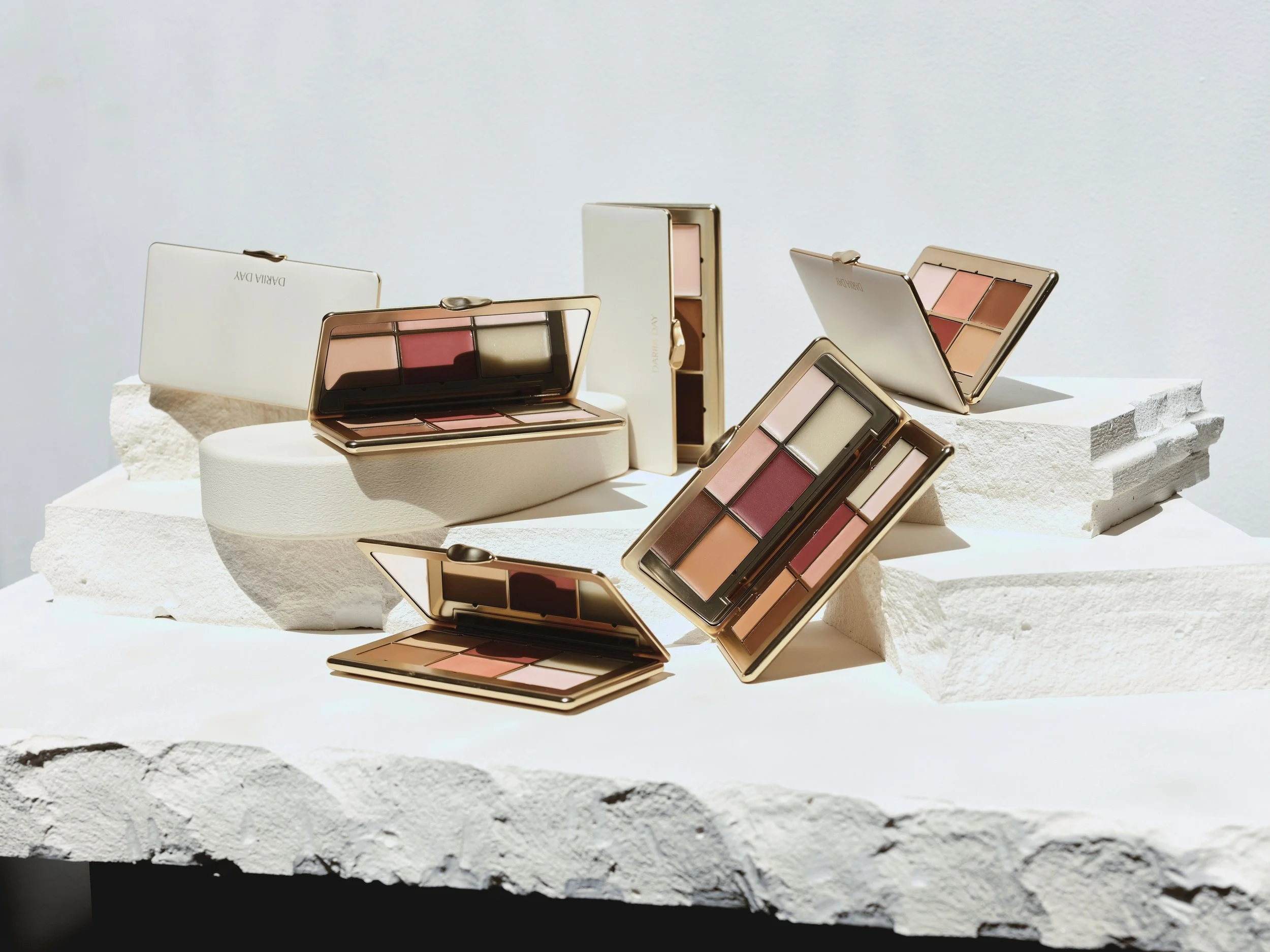
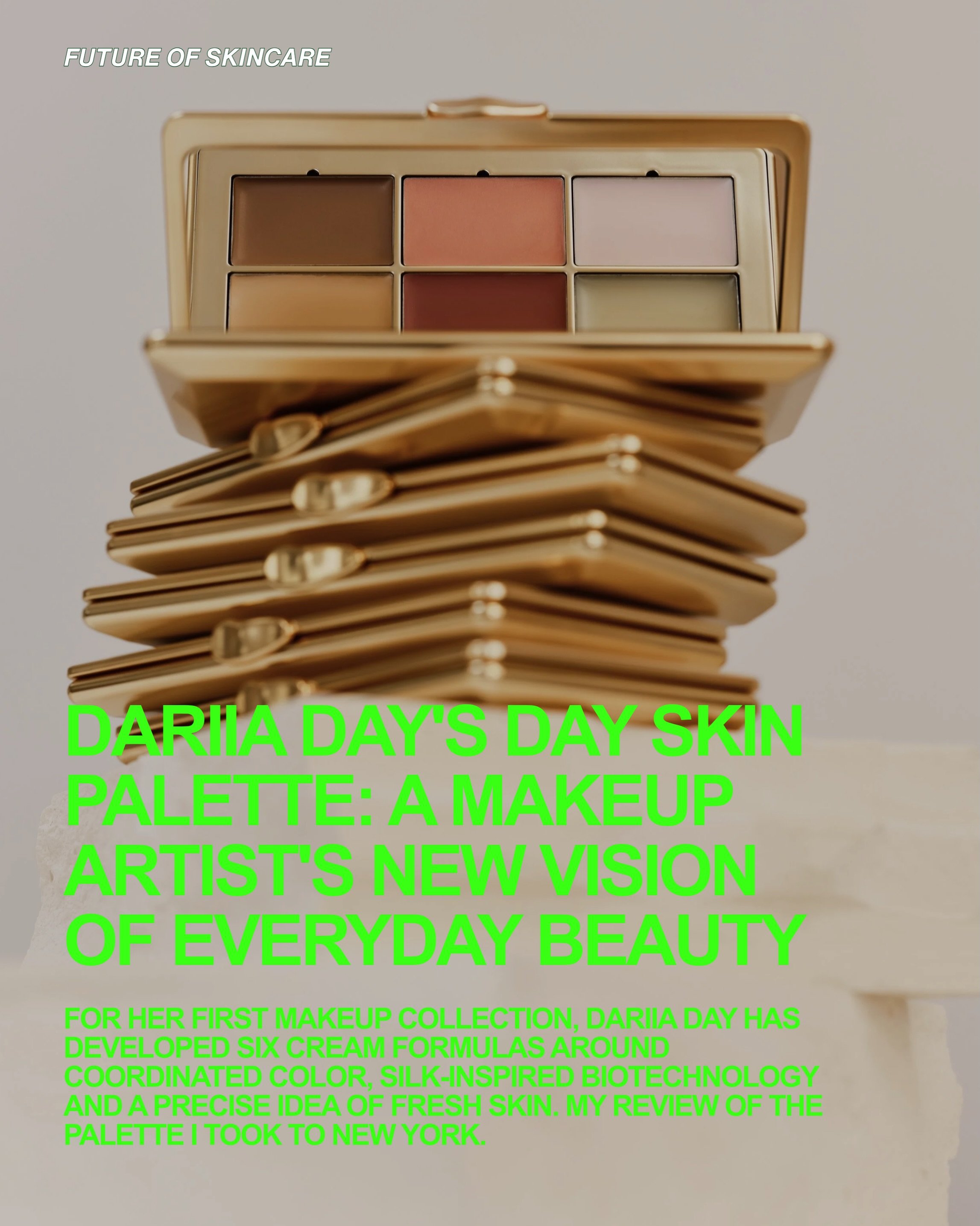
Dariia Day's Day Skin Palette: A Makeup Artist's New Vision of Everyday Beauty
Beauty · Makeup
-
Inside La French Beauty
The Conversation
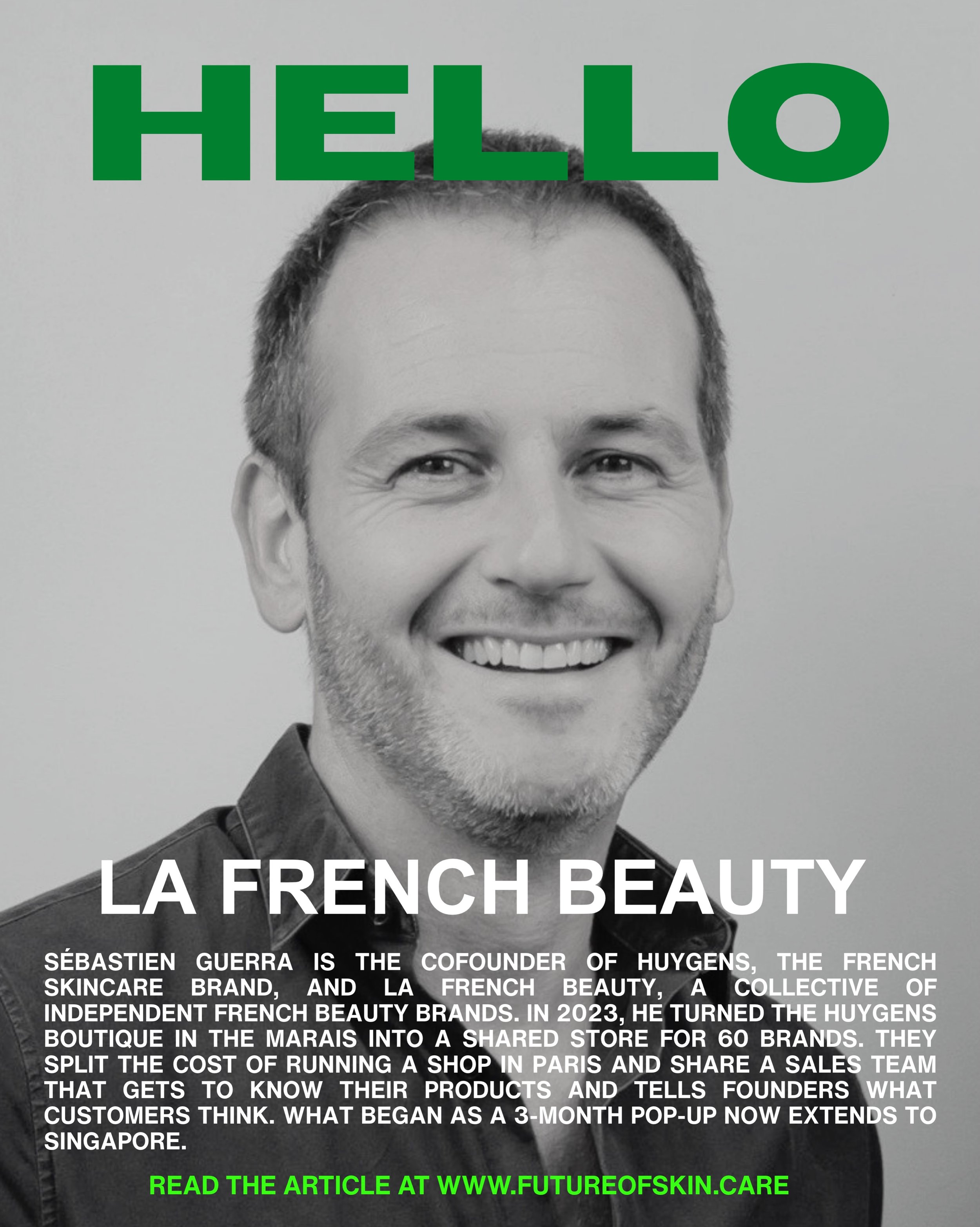
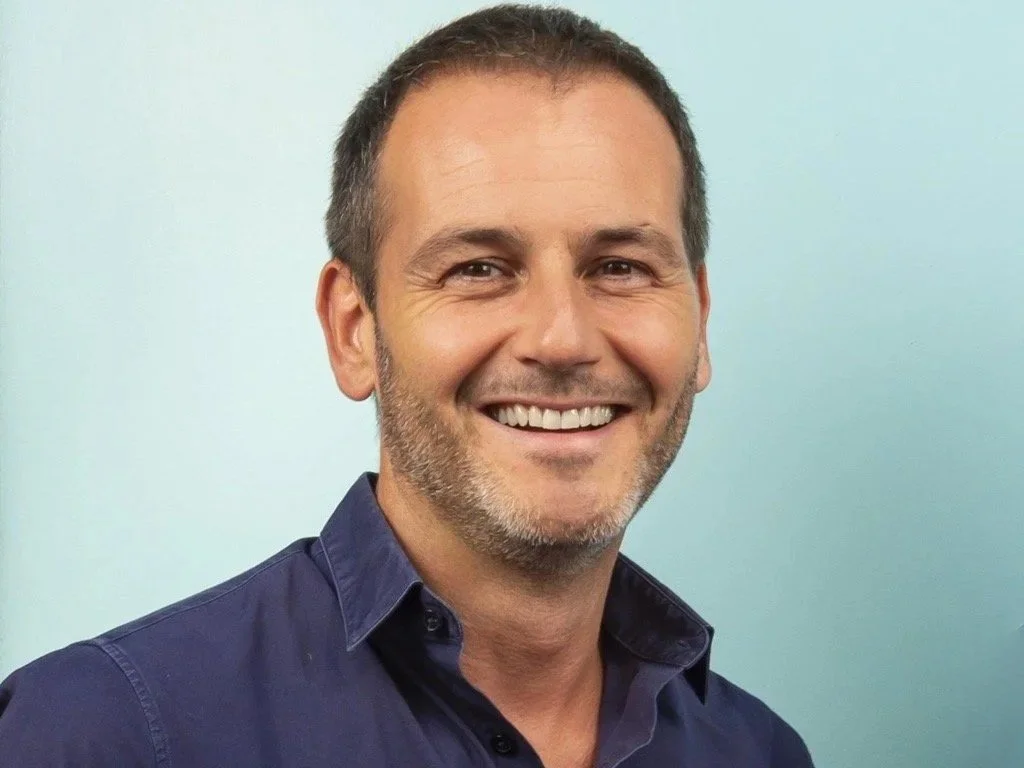
How Sébastien Guerra built a collective for independent beauty brands in Paris.
-
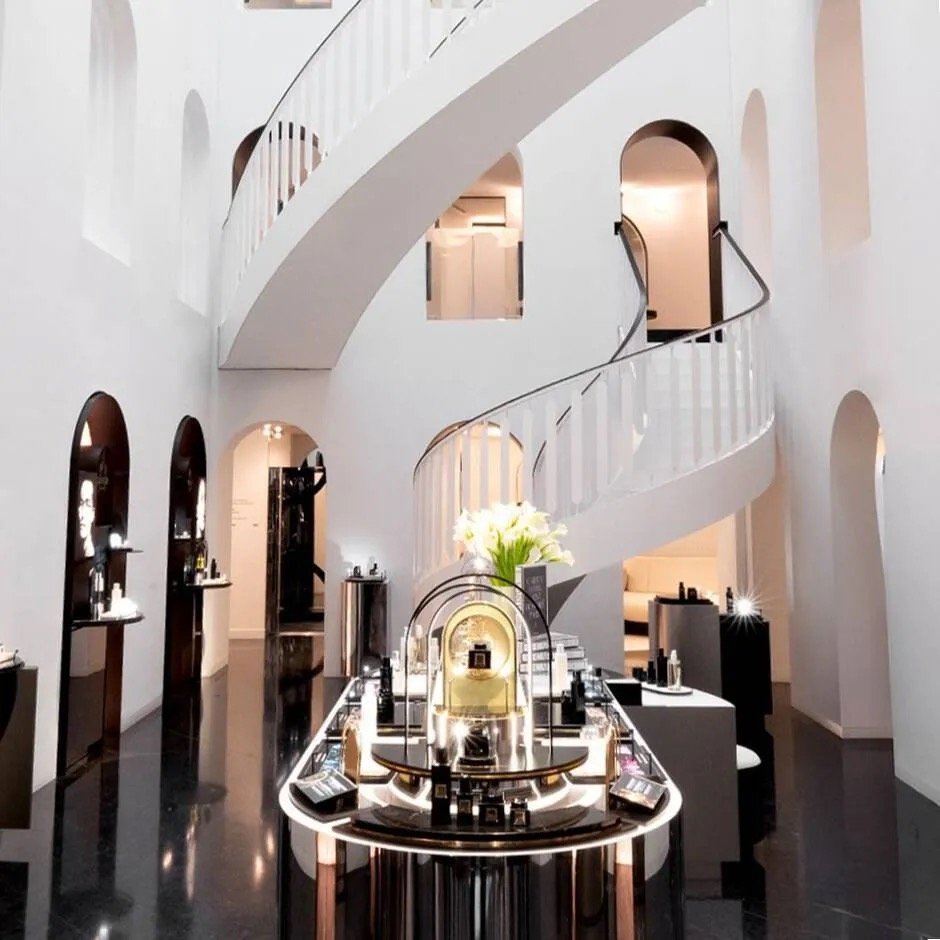
Inside Carita's Soin Régénérant Haute Brillance at 11 Faubourg Saint-Honoré
Places & Escapes
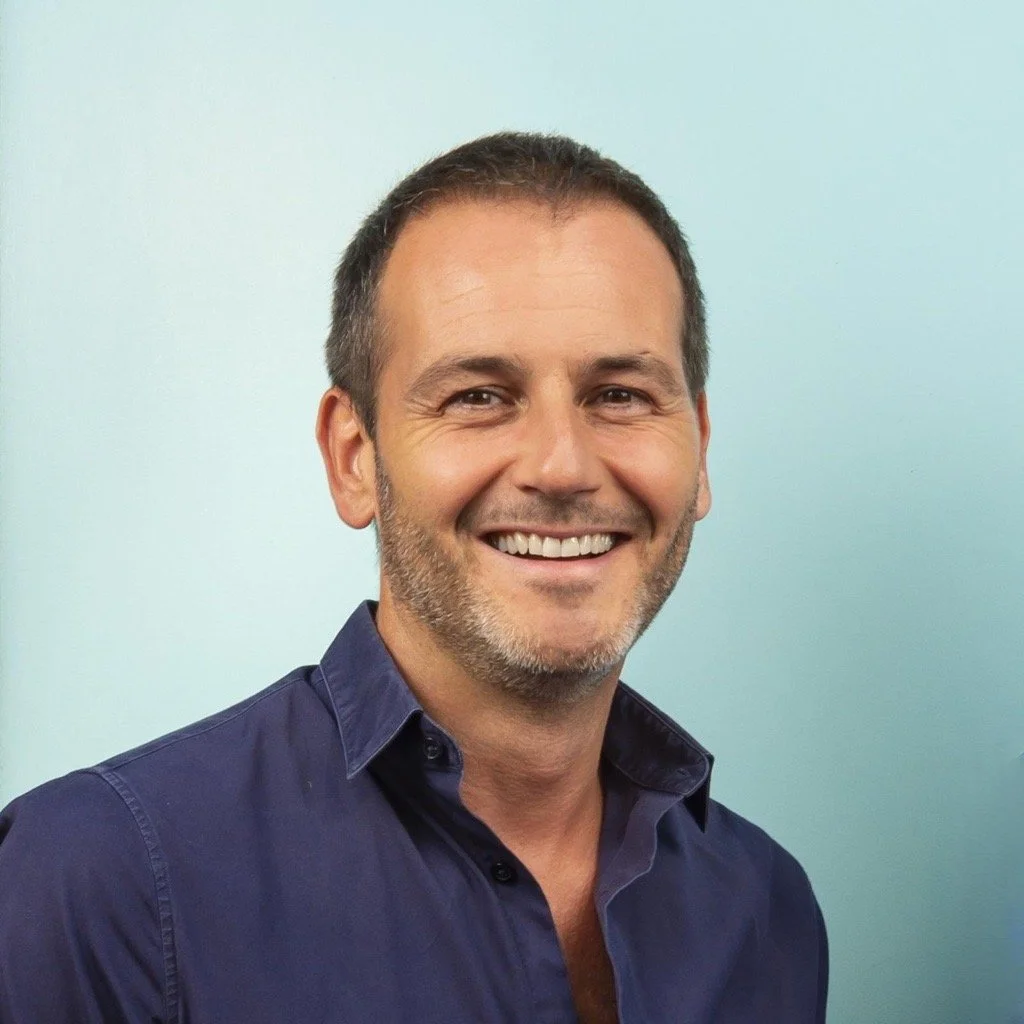
Sébastien Guerra is the cofounder of Huygens, the French skincare brand, and La French Beauty, a collective of independent French beauty brands. In 2023, he turned the Huygens boutique in the Marais into a shared store for 38 brands. They split the cost of running a shop in Paris and share a sales team that gets to know their products and tells founders what customers think. What began as a 3-month pop-up now extends to Singapore.

As AI makes it possible to preview a change to our own faces, OVME’s CEO considers the role of personal taste, a practitioner’s eye, and the freedom to feel differently about aging over time.
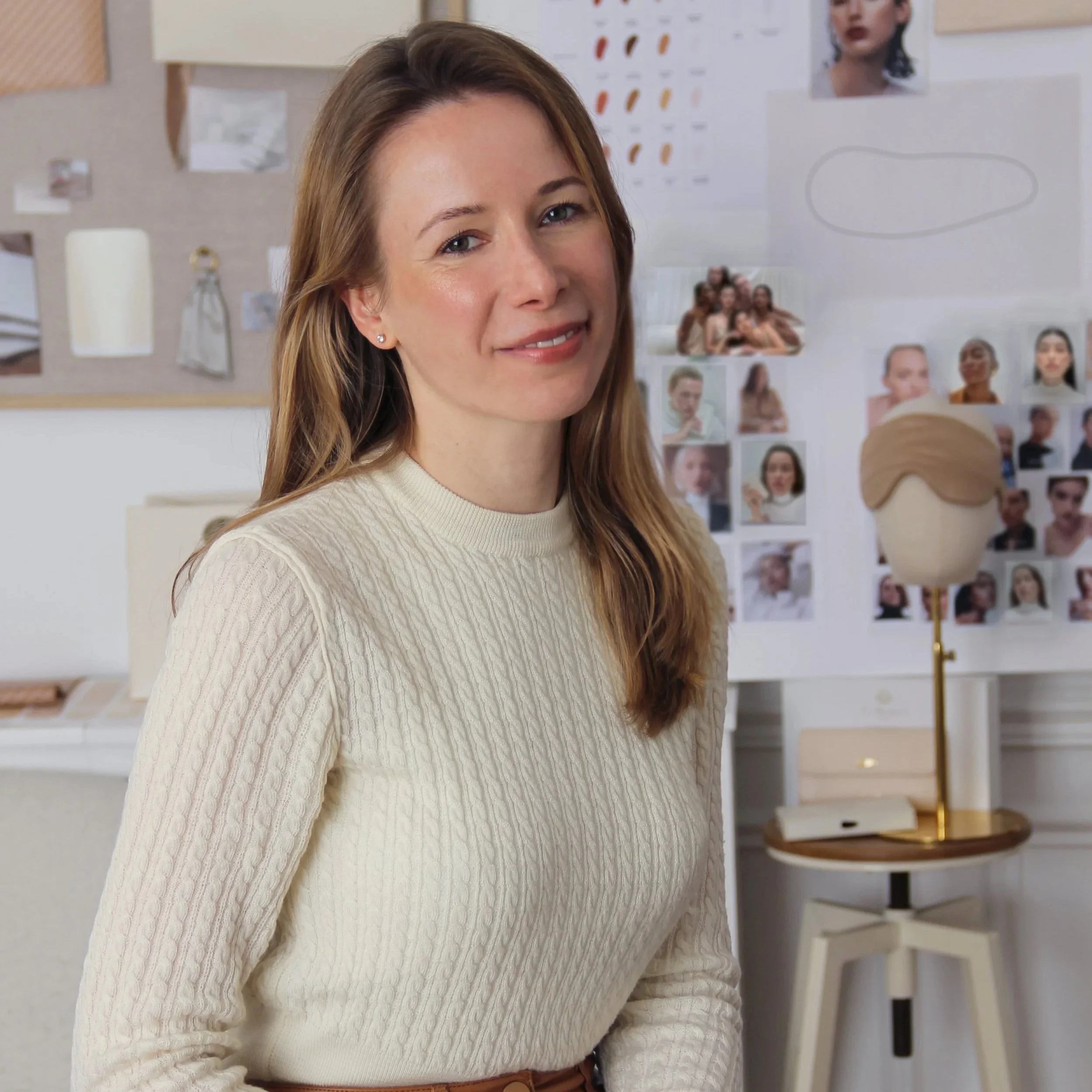
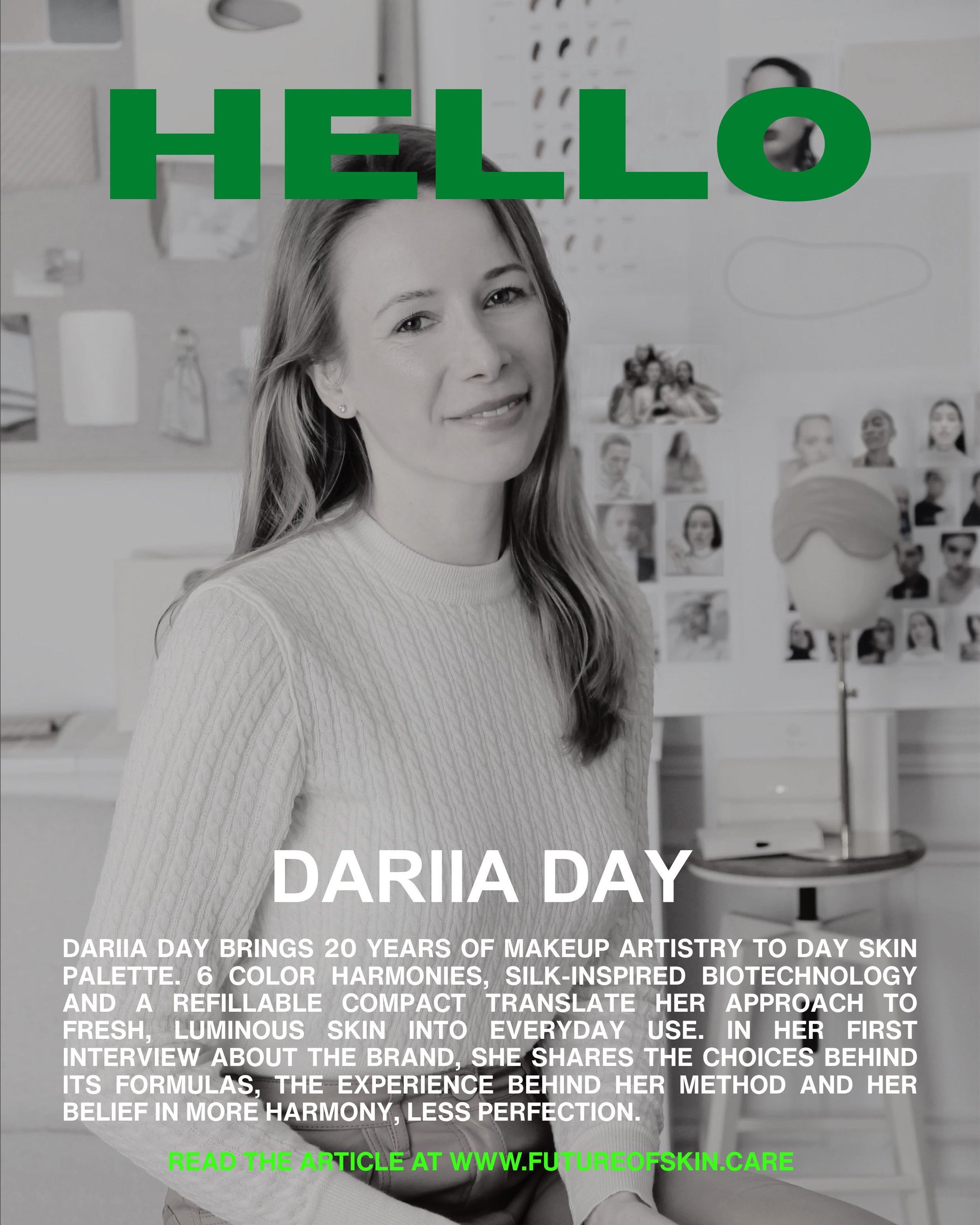
Silk-inspired biotechnology, Japanese formulation expertise and a makeup artist’s approach to color come together in Day Skin. For her first interview about the launch, Dariia Day shares the vision behind a beauty brand more than three years in the making.
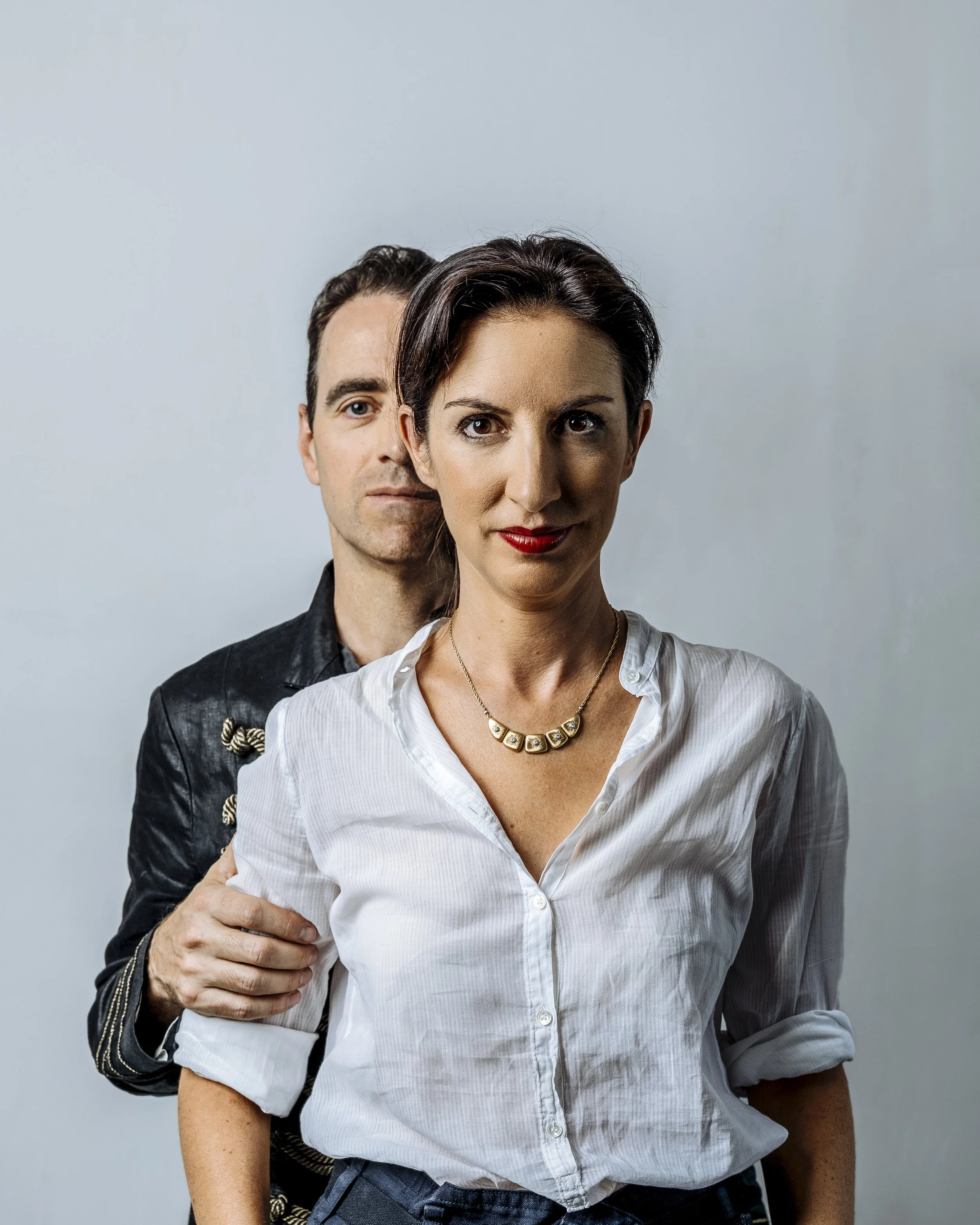
A conversation with Memo Paris founders Clara and John Molloy about the creative decisions behind their fragrances, Darling Point, and their everyday beauty rituals.
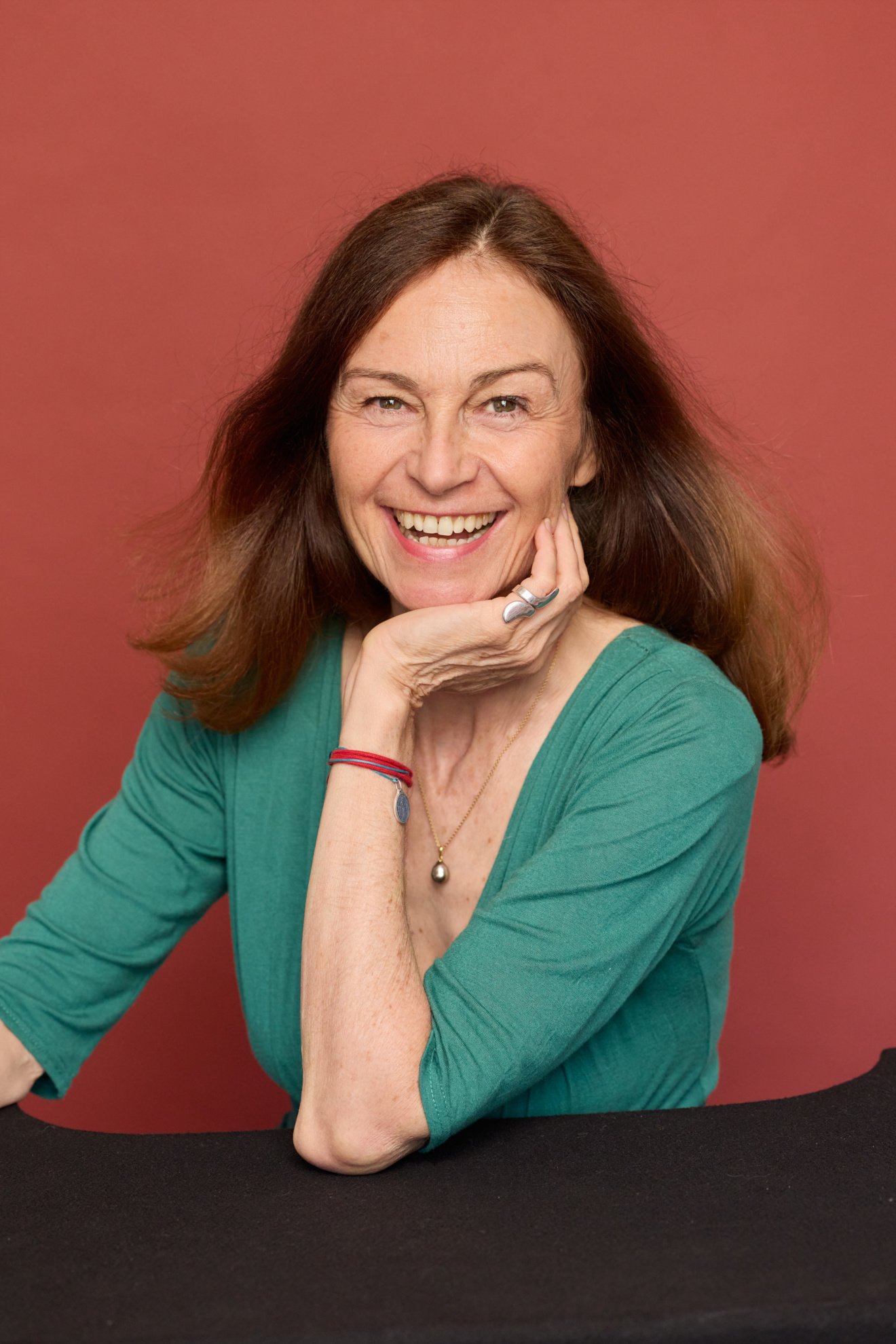
Pascale Brousse founded Trend Sourcing in 2000 with a conviction that beauty belongs within health. In this conversation, she discusses the intuition behind her forecasts, how climate change is reshaping care, the research gaps around melanin-rich skin, and the collaborative work of turning observations into brand strategy. We also explore longevity, well-being, and the future of trend forecasting.
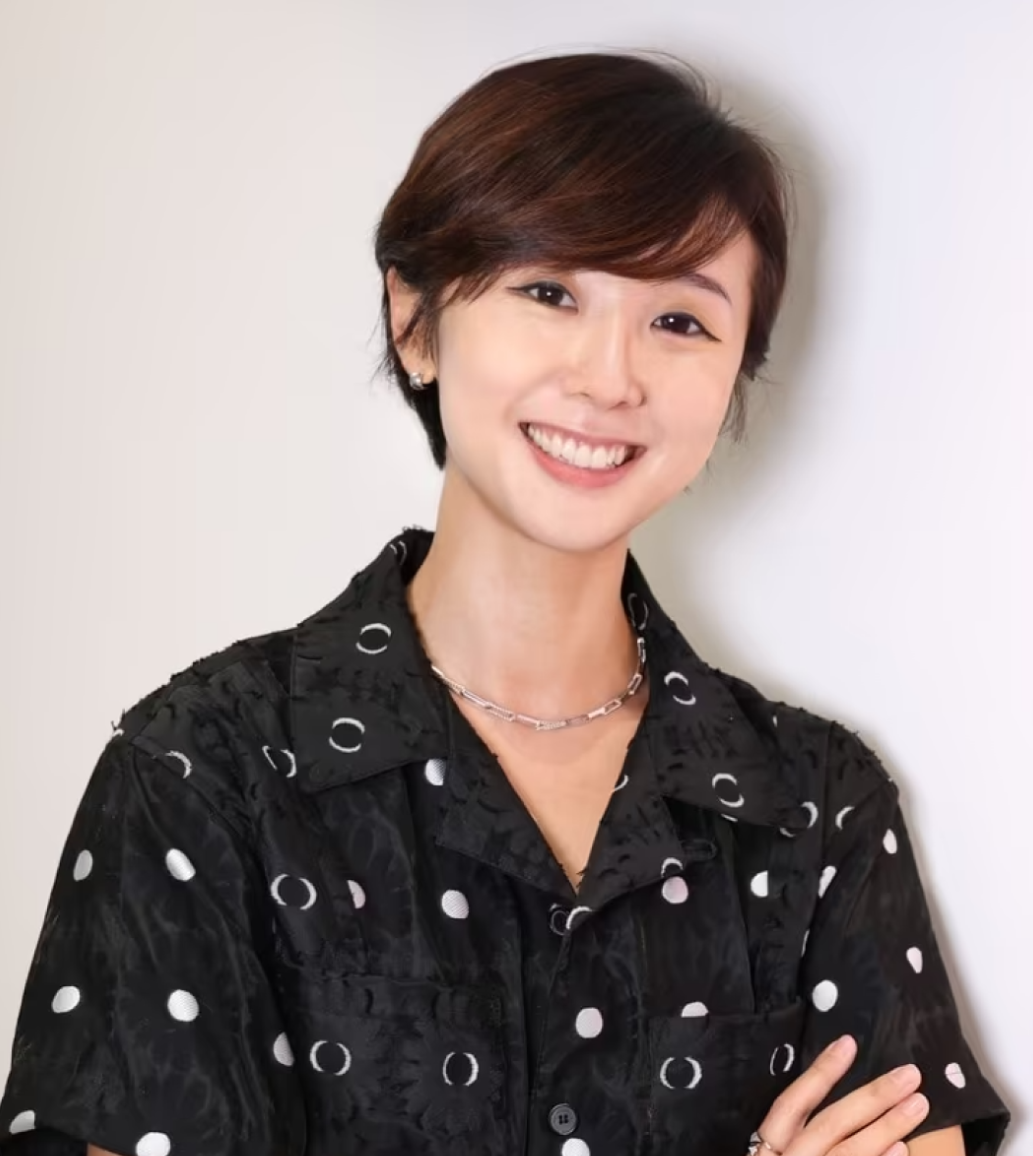
Seung-min Lee, CEO of AMUSE, built the Seoul-born brand on a simple idea: beauty should feel joyful, not perfected. In this conversation, she explains why a lip tint can anchor a brand identity, how the "AMUSE language" lets her team move fast without chasing every trend, and why Korean makeup is stepping out of skincare's shadow. We also talk about Jang Wonyoung, the Paris pop-up, and her ambition to make skincare-powered makeup a category of its own.
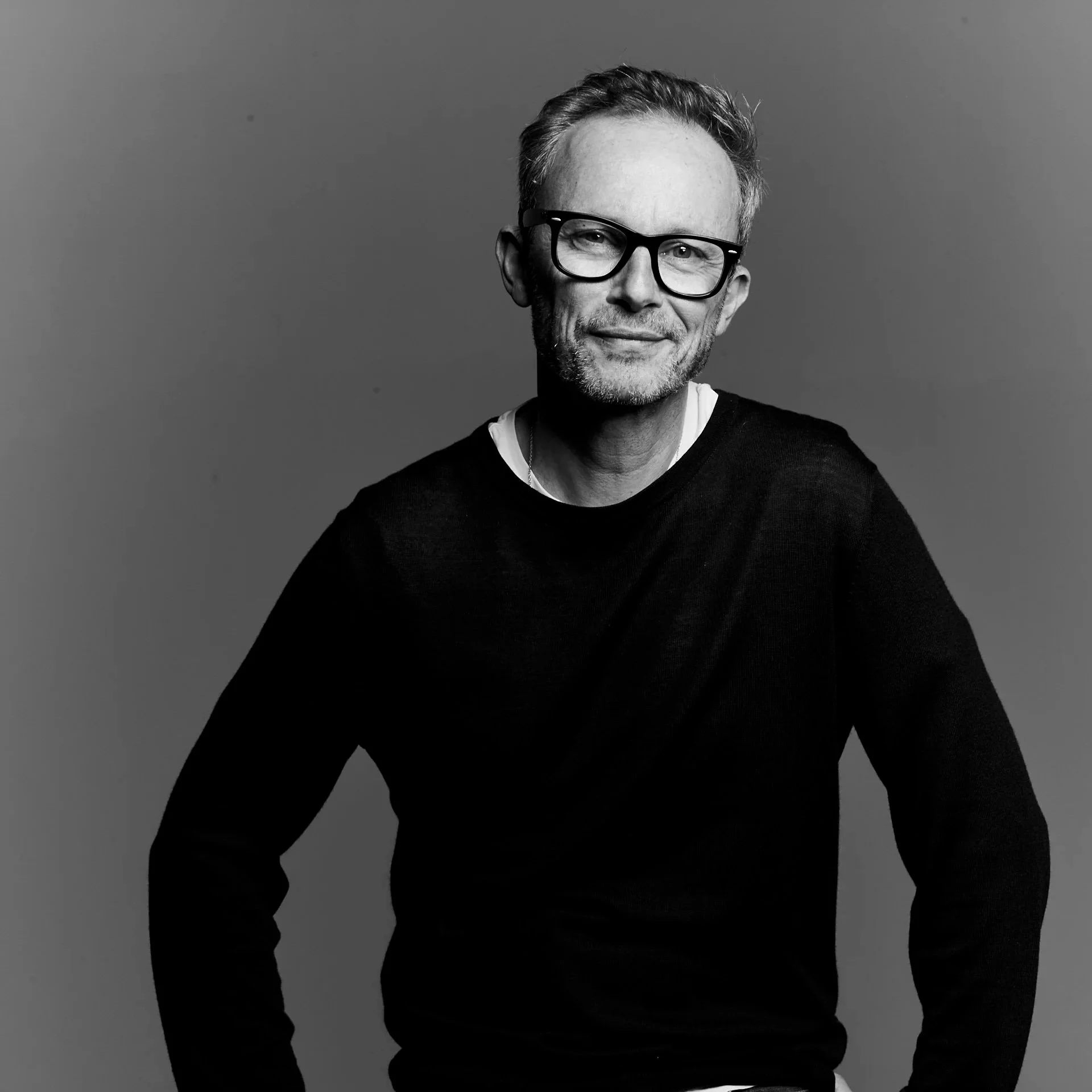
Olivier Lebrun began in fashion before making the salon central to his work. Today, with OLAB Paris and BLOWN, he brings those two ways of looking at hair together. He talks about biomimetic formulation, using less water, what clients really need between appointments and where haircare is heading next.
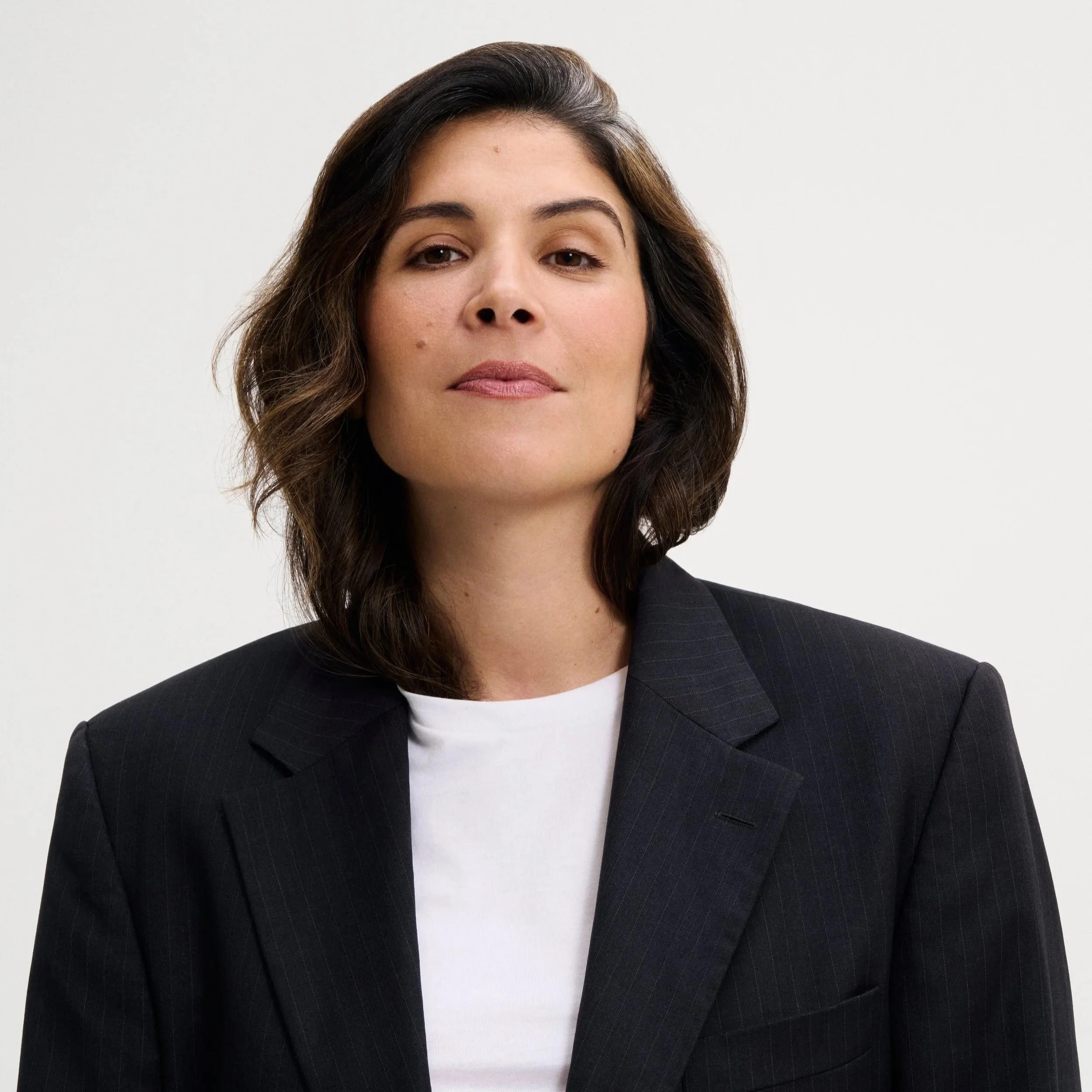
Gray hair is still asked to mean too much. Hide it and you are maintaining yourself. Reveal it and the decision is expected to become a statement. GRIS starts elsewhere: with the right to choose, then change your mind.
Caroline Briant-Larose discovered her first white hair at 22. After founding Moodz, she began thinking about another intimate transition shaped by judgment, language and a lack of dedicated products. With cofounder Charlotte Bregeon, she built GRIS around gray and white hair as a material in its own right.
The first Sublimation routine moves beyond the category's fixation on yellow tones to address hydration, softness, light and the changing properties of the fiber. In our conversation, Caroline speaks about the idea that arrived on Hydra, what her first testers taught her, and why GRIS will never tell women whether to color their hair.
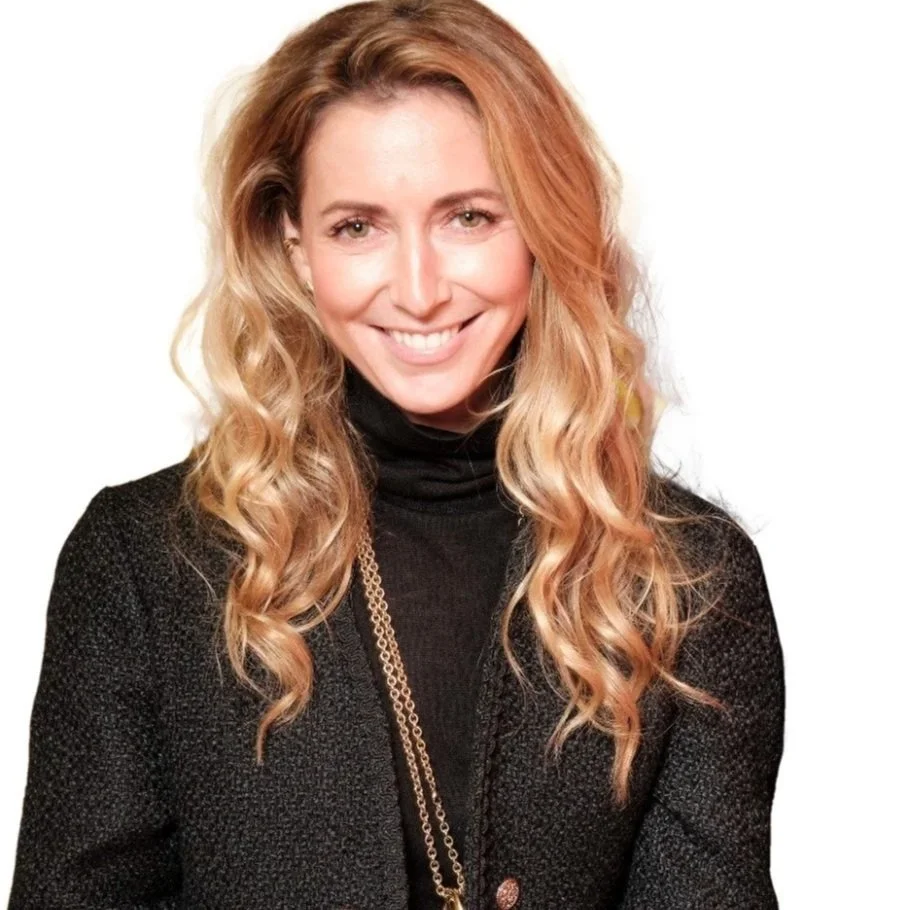
What happens when high-performance skincare takes solid form? With JOD, Olivia Bordeaux-Groult explores the possibilities of stickcare, bringing waterless formulation and sensorial pleasure into a new daily ritual. We spoke about the thinking behind the formulas, the demands of performance, and why changing the way we apply skincare opens new ground for innovation.
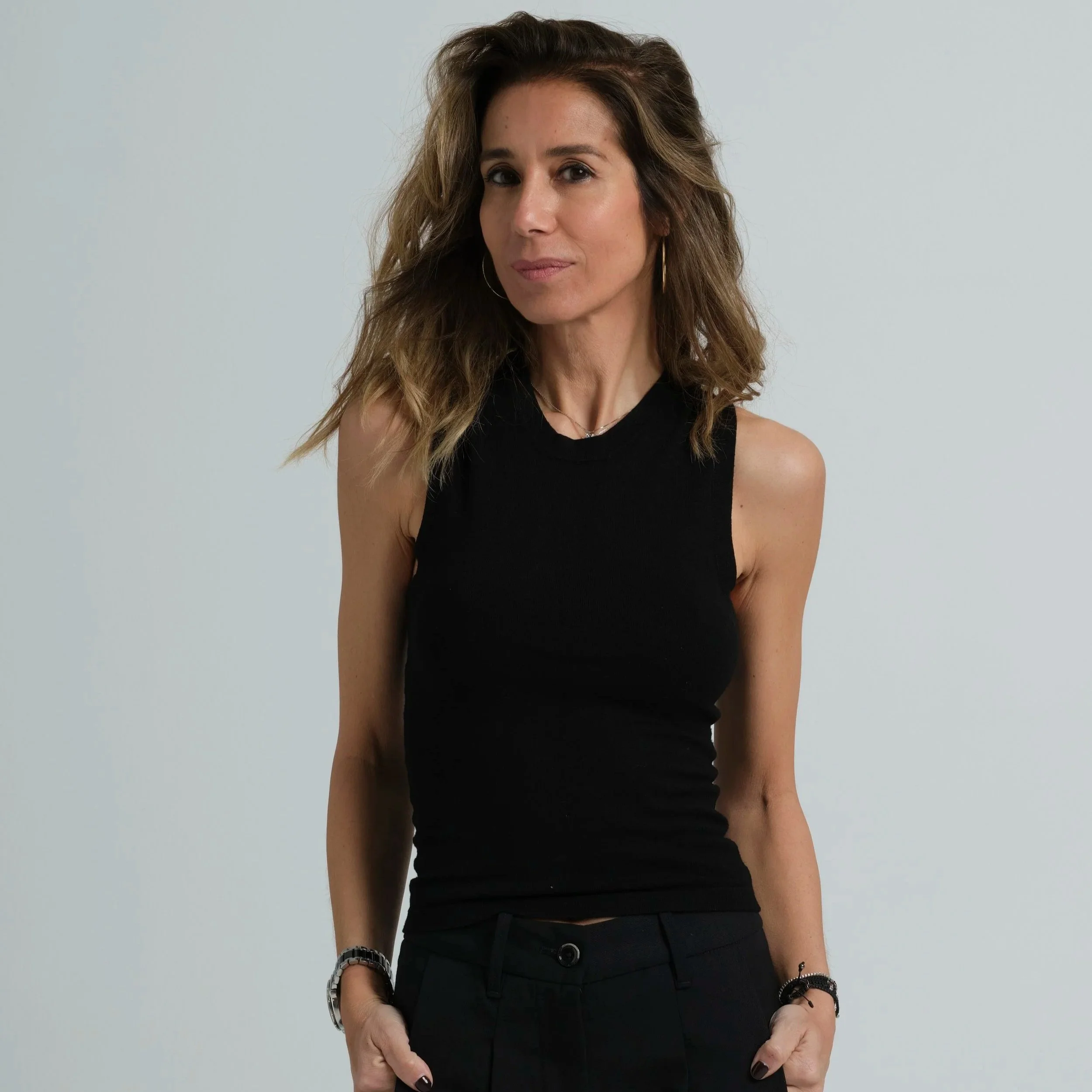
Aura Serras was running her aesthetics clinic in Barcelona in 2008 when she started working with iS Clinical. The results came fast and her clients stayed. Instead of simply reordering, she flew to Los Angeles to meet the founders, because she wanted to know who was behind the formulas she was putting on people's faces. What she brought back was a conviction that the Spanish market was ready for a different vocabulary.
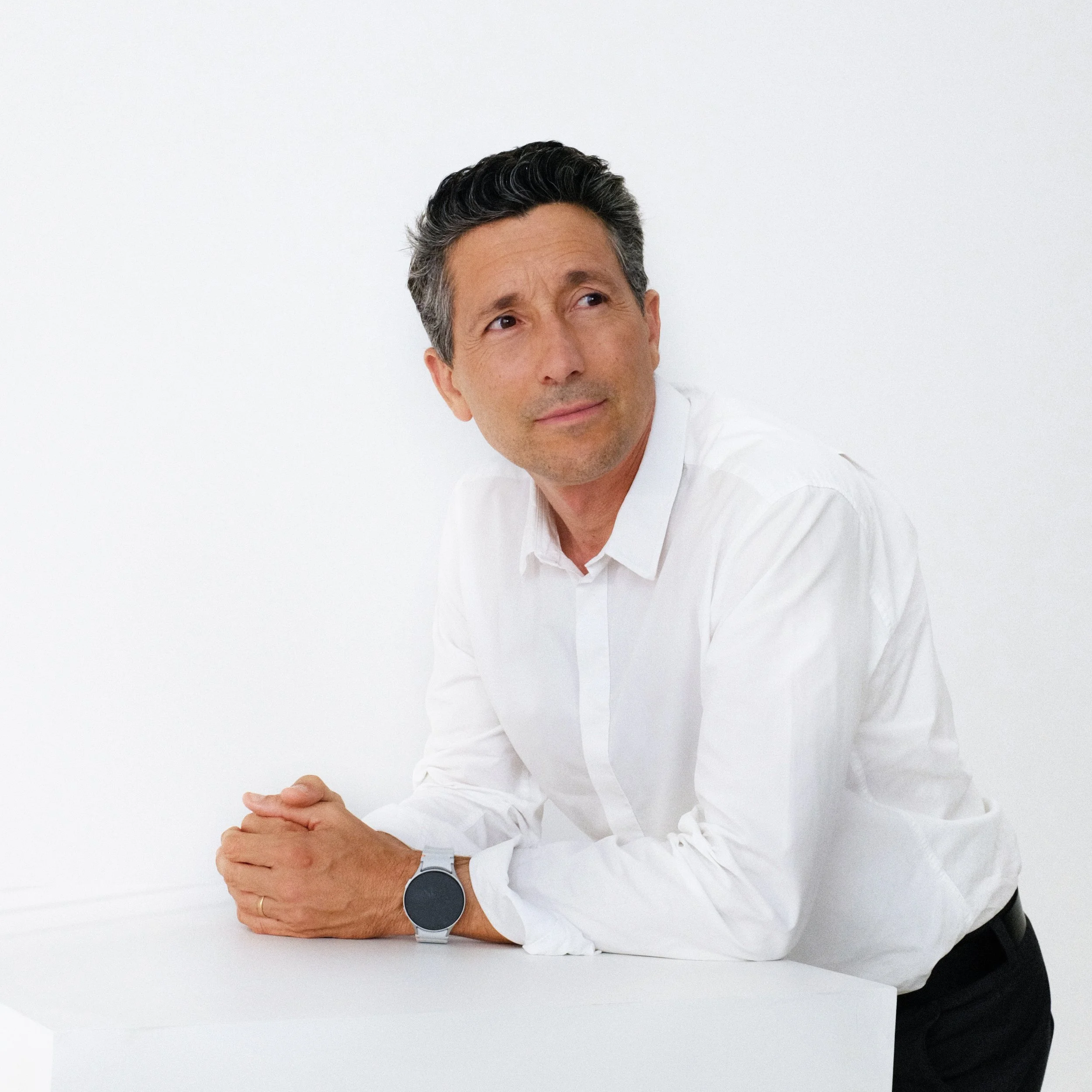
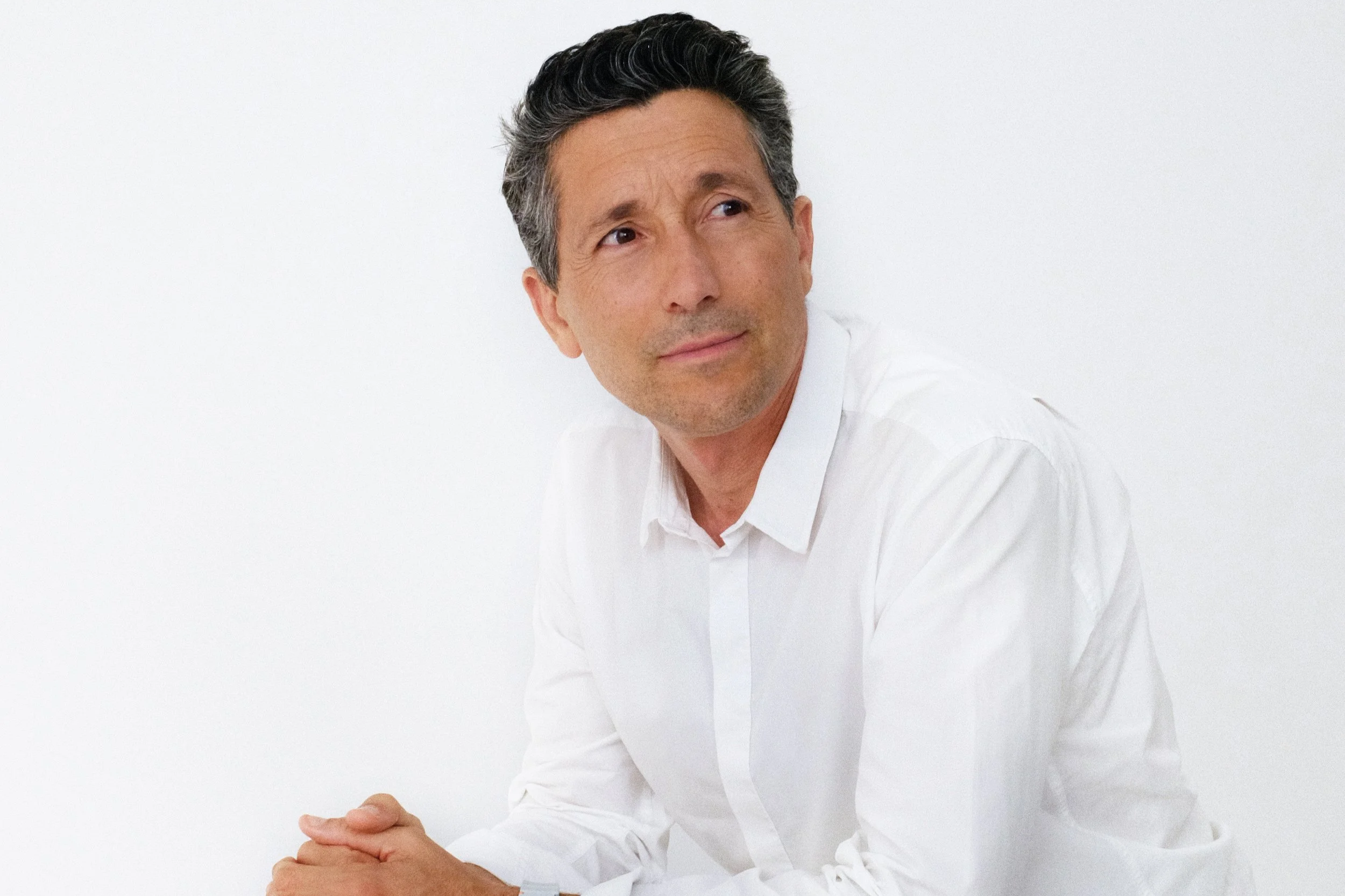
SPF literacy changed beauty, but it did not solve the photoprotection question. Professor Thierry Passeron has spent more than twenty years studying how light affects skin — from UVA and pigmentation to mitochondrial stress, visible light, dark CPDs, and cellular repair. With SUNLUTION, he reframes sunscreen from a seasonal anti-burn reflex into a daily biological strategy. In this conversation, Passeron explains why photoprotection must move beyond SPF, how PhotoAdaptive Technology works, and what the skin needs when defense by day and repair by night are treated as one system.
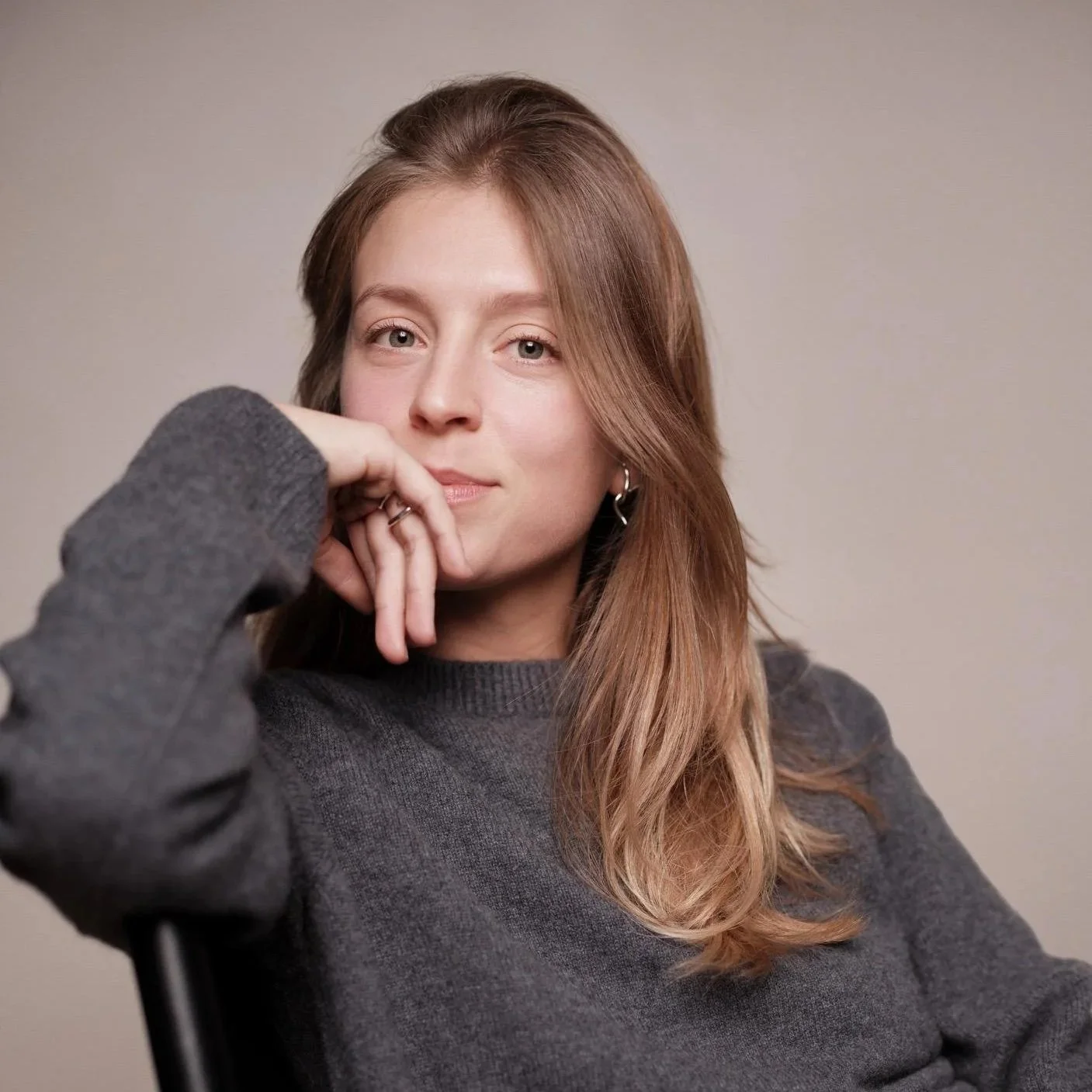
Marion Colibeau first encountered fungi through material science. With Fungastique, she is translating that expertise into a new vision of mycotherapy, bringing French savoir-faire, emerging research, and daily ritual into the same conversation. We spoke about postpartum recovery, provenance, and the intelligence beneath the surface.

Laboratoires Botanique Avancée was launched in December 2025 with a rare level of scientific infrastructure behind its beauty story. Rooted in the Domaine de Baulieu in Provence, the brand brings together plant stem cell biotechnology, regenerative medicine, 3D skin organoid testing, and formulas reaching nearly 30% actives. In this conversation, co-founder and CEO Nathalie Cantagrenne reflects on NEO-REGEN technology, the 136 genes involved in skin aging, the discipline of formulating without shortcuts, and why regeneration only means something when the science comes before the story.

Skincare has spent decades organized around the face, the skin that meets the camera, the skin we maintain for other people. Gina Lucania, Vice President of Wholesale Sales & Marketing at goop, makes the case that the more honest territory is below the neck: the body is the skin we keep for ourselves, the last part we still care for without an audience. Not more steps, but more attention: reading the body the way we learned to read ingredient lists.
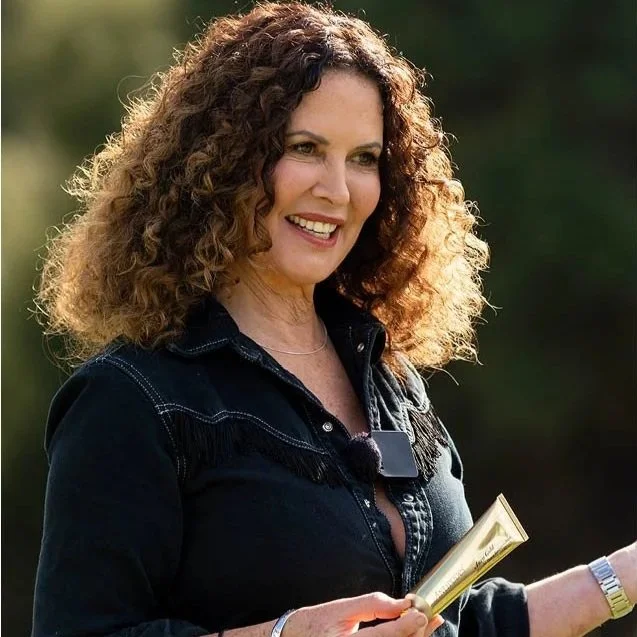
Elizabeth Barbalich founded Antipodes in New Zealand around a question natural beauty had not answered rigorously enough: what can a finished formula actually prove? Trained in biology and medical technology, she built the brand around third-party in vitro testing, formulation synergy, and a refusal to treat natural skincare as a category defined only by absence. In this conversation, Barbalich reflects on evidence, ingredient theater, the move from skincare into haircare, and why healthy skin - not ageless skin - remains the more meaningful beauty ideal.
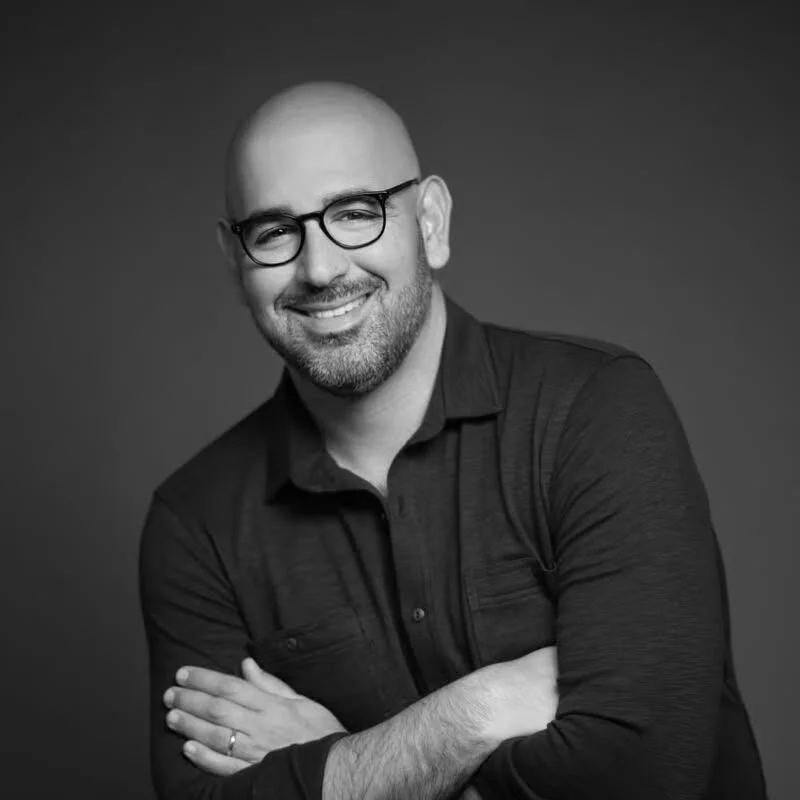
Shay Bennaim, Global Brand President of Tata Harper Skincare, reflects on the brand’s next evolution: how to honor a founder-led legacy while sharpening focus, strengthening global consistency, and protecting the product conviction that made Tata Harper one of modern natural luxury’s defining skincare brands.
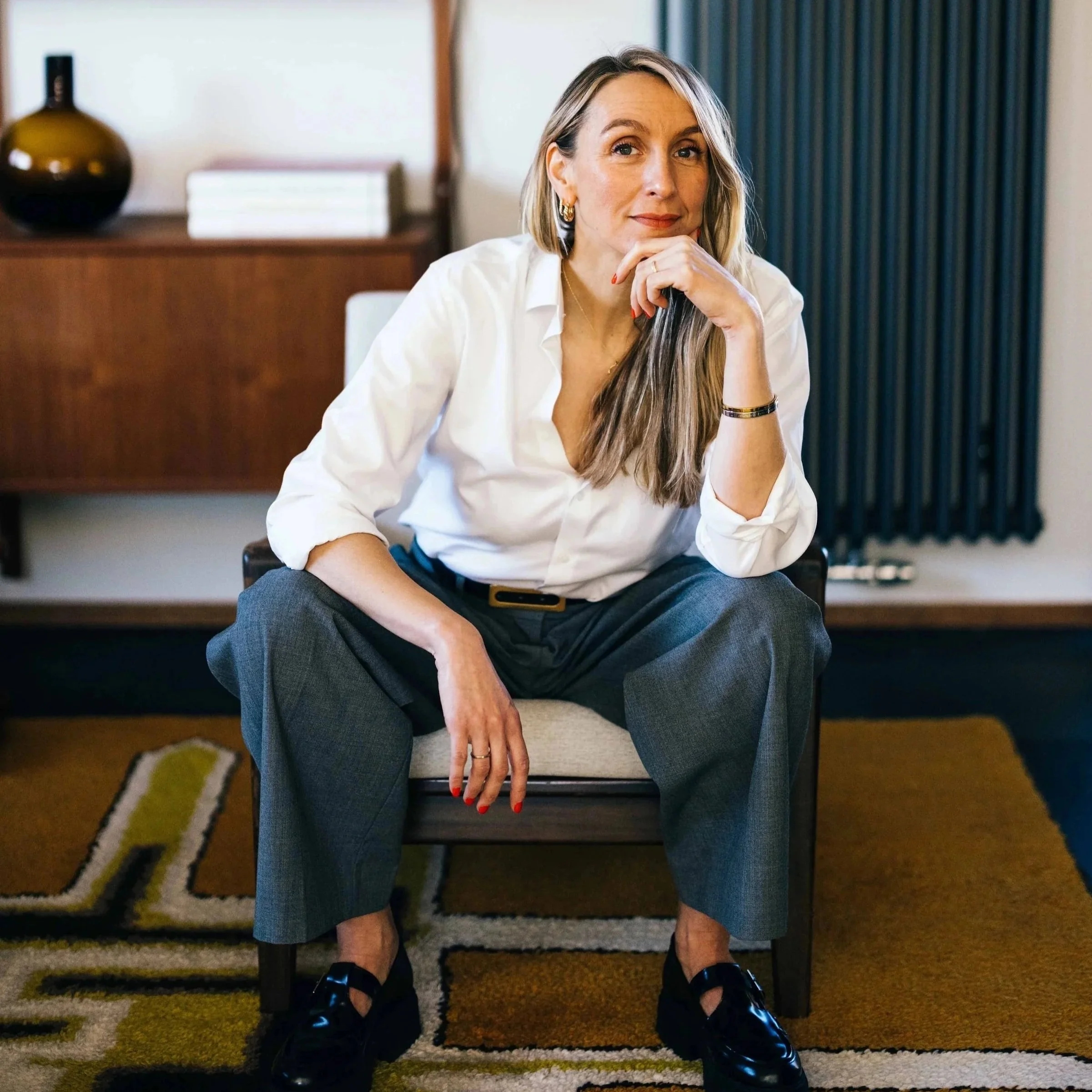
Rhodista begins with a question the collagen supplement category often avoids: what can the body actually recognize, absorb, and use? After thirteen years as an interior architect, Pamela Manasievski trained in functional nutrition and discovered bone broth through her own rosacea journey. Her Belgian-made elixirs keep the logic of the whole-food matrix: slow cooking, traceable farms, organic ingredients, no powders, no unnecessary additions. In this conversation, she reflects on bioavailability, beauty-from-within, longevity, boxing, and why real support is built through repetition.
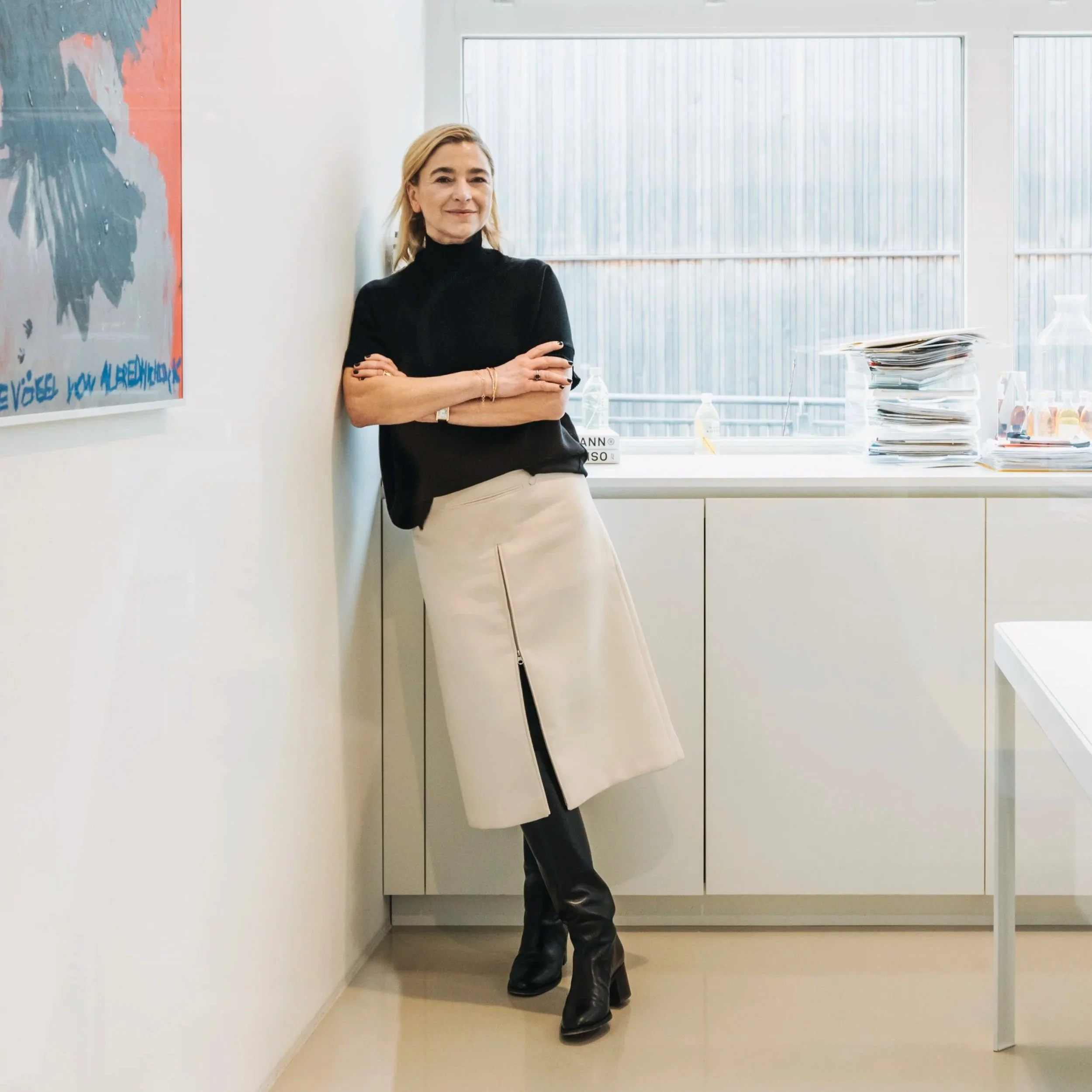
Susanne Kaufmann founded her Alpine maison in 2003, before high-performance natural skincare had a stable vocabulary. This second FOS conversation does not return to the origin story. It asks what happens after the category catches up to a founder who was early. From NovoRetin™ to ectoin, vitamin C, barrier repair, and daily photoprotection, Kaufmann’s recent launches read less like range expansion than formulation evolution. Here, she reflects on resilience, ritual, and why the future of skincare may depend less on correction than on long-term skin function.
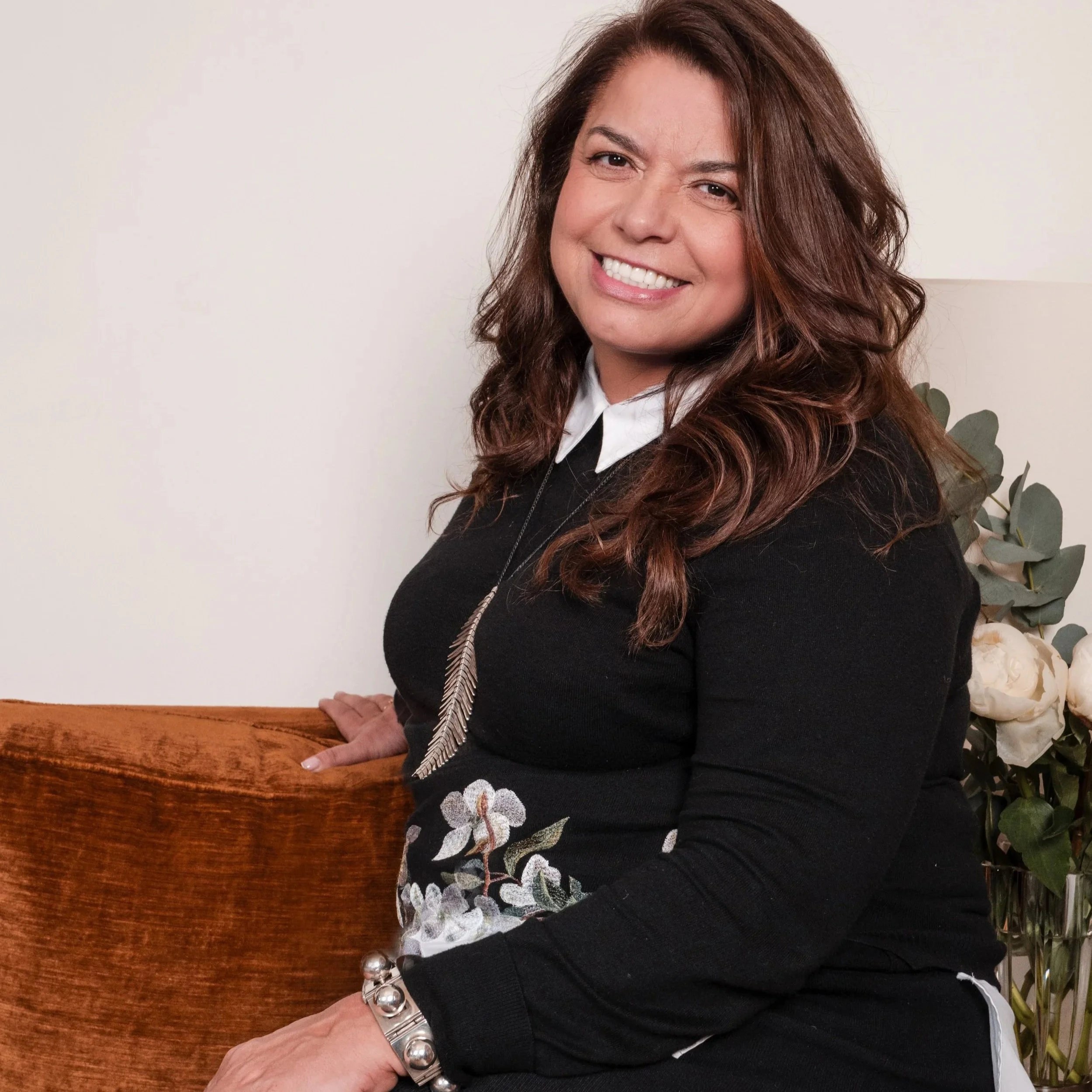
Long before scalp care became a category, Léonor Greyl had already built its method around a simple principle: there is no beautiful hair without a healthy scalp. Founded in Paris in 1968, the maison worked with botanical oils, plant-based formulas, scalp analysis, tailored treatments, and massage decades before the language of “clean” or “hair spa” entered the mainstream. In this conversation, Caroline Greyl reflects on legacy, formulation nuance, the 55-year life of Huile de Léonor Greyl, and the discipline required to know what must evolve, and what must never change.
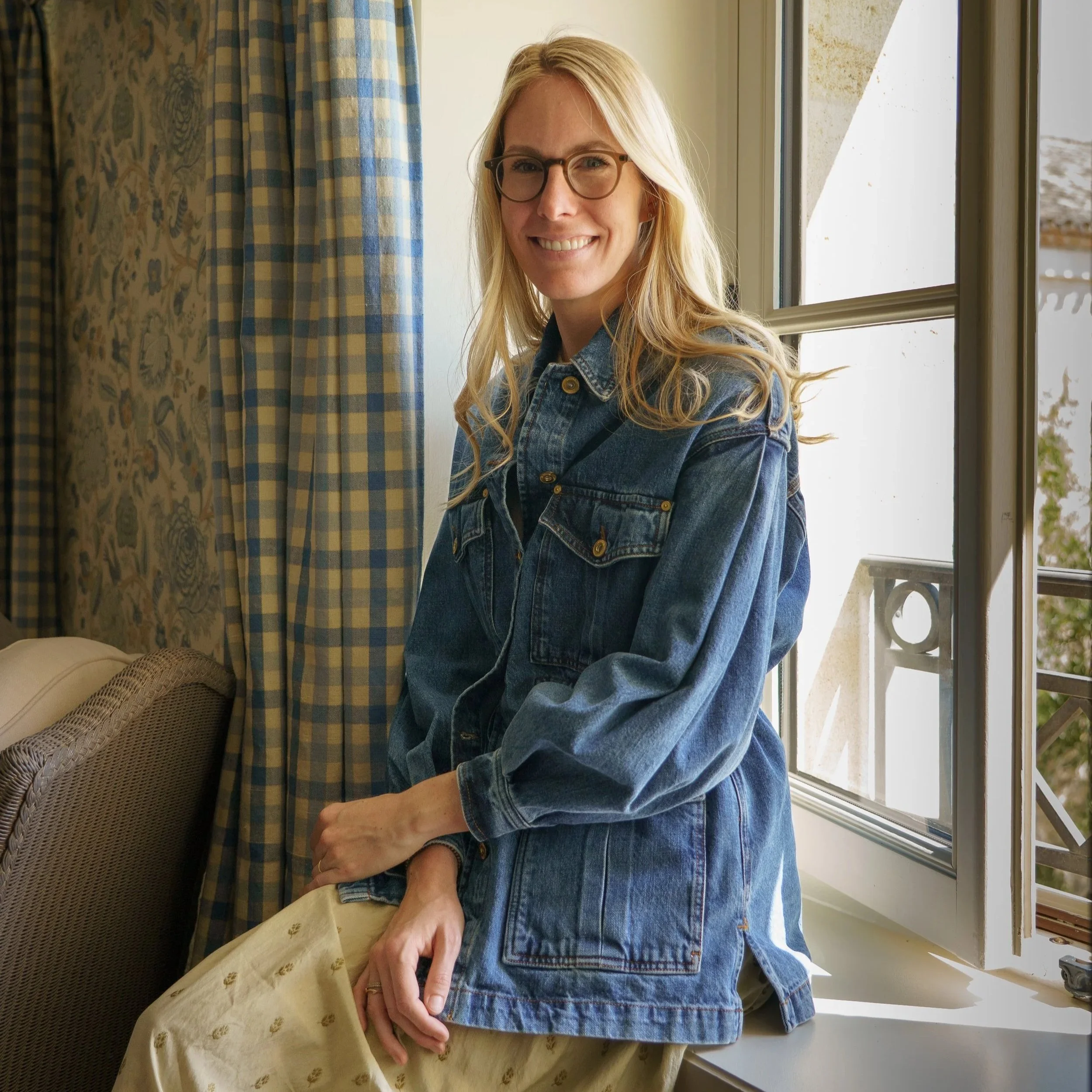
Founded by Charlotte Bouygues on the Château Montrose estate in Saint-Estèphe, Dix Hectares does not treat terroir as a decorative language. Its R&D lab sits close to the plots. Its botanicals are harvested according to solstices and equinoxes, dry-frozen, extracted through a low-temperature ultrasound process, and traced by plot, harvest, and batch. The rhythm is not only seasonal in image. It is seasonal in procedure.
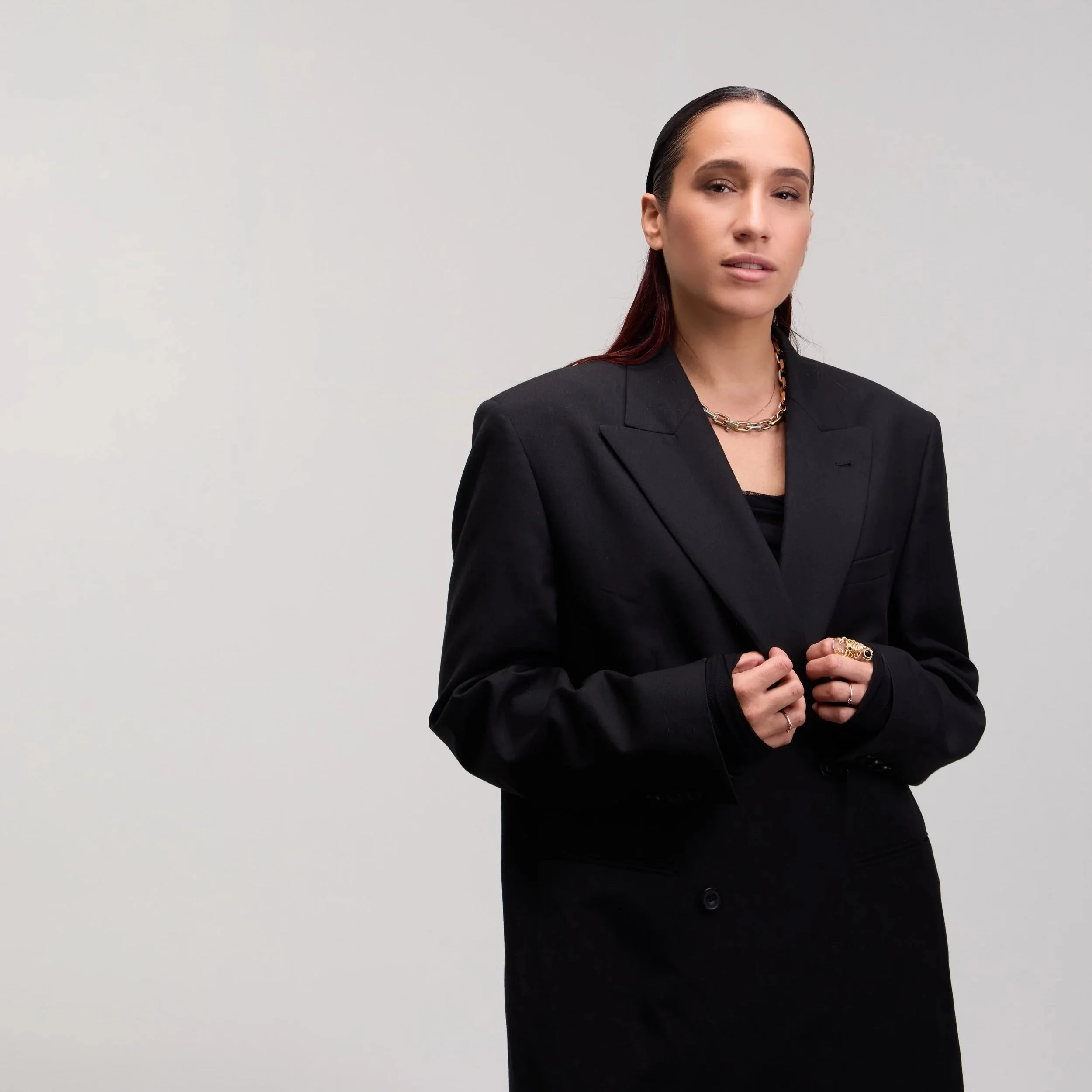
For decades, the professional hair world operated on a clear hierarchy: brand educates, stylist transmits, client receives. L’Oréal Professionnel’s Global Creative Contributors program was built to dismantle that logic — and replace it with something rarer: genuine co-authorship at institutional scale.
I spoke with Margaux Nardini, Global Brand Engagement Director, on the thinking behind The Global Creative Contributors program, the architecture of Transformation Day (20 countries, 50 hairstylists, 100 celebrities, 4 color trends already traveling globally), and why she believes the distinction between ambassador and contributor is not semantic. It is structural.
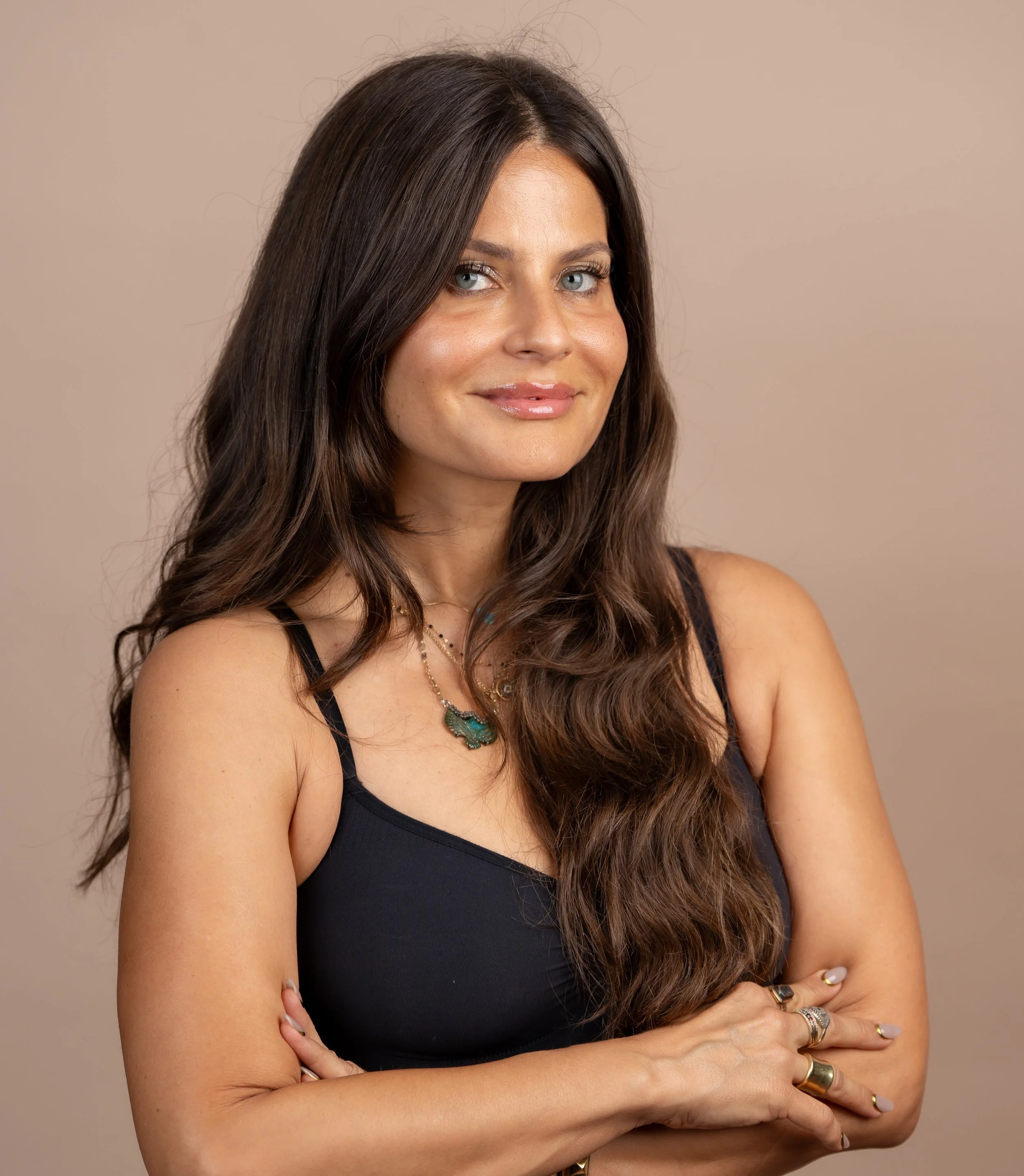
In 2015, Medea Juhasz launched Catalyst Gold, a 16-ingredient multipurpose supplement combining adaptogens, Chinese herbs, amino acids, and superfruits into a single daily formula. The category she was entering did not yet have a name. "Ingestible beauty" would come later, once the market caught up to what she had already built.
We spoke with her about pioneering a space before the market had language for it, the knowledge produced by personal health crisis as a formulation methodology, and what ten years in a category you helped create actually looks like.
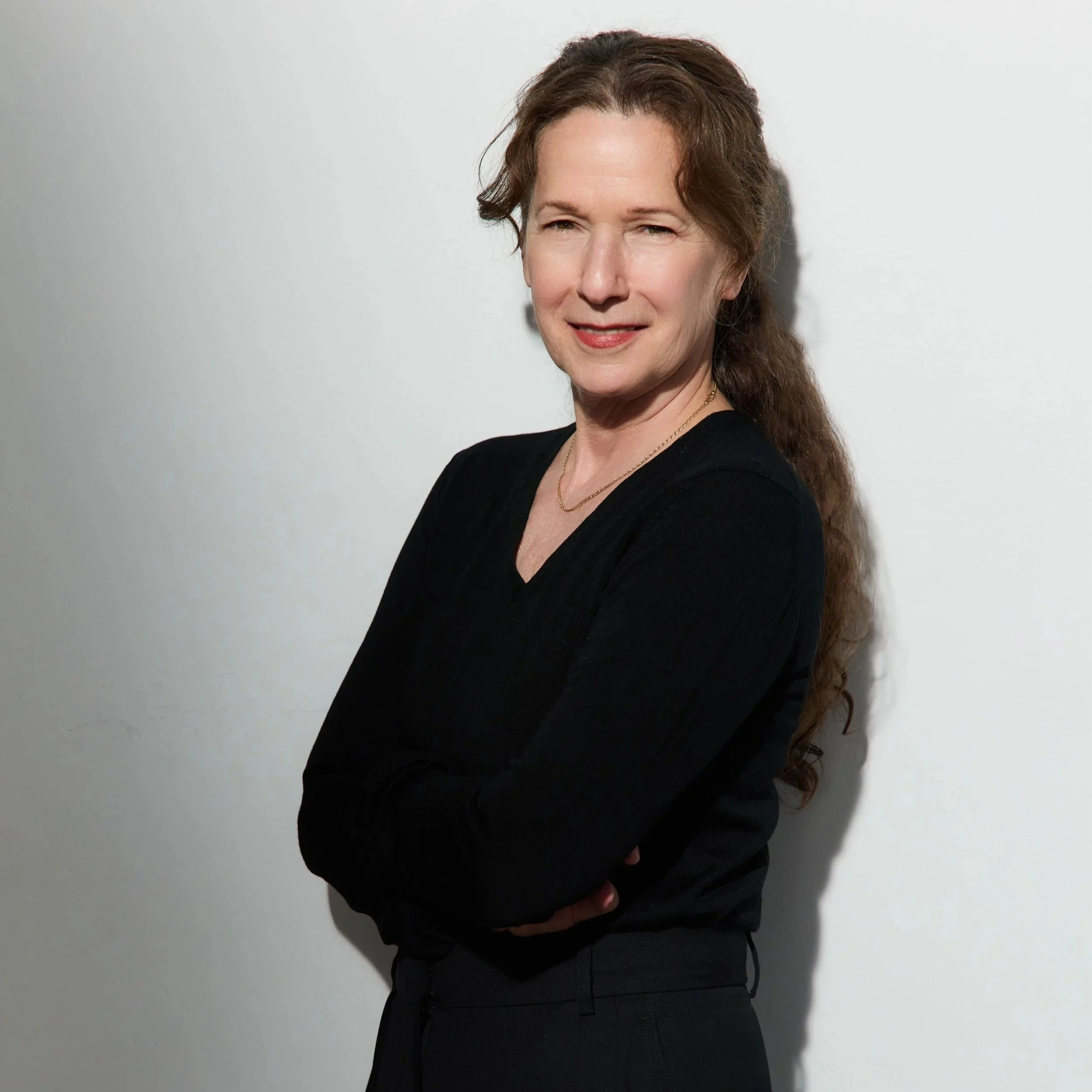
Odièle was built on that conviction. Whole botanicals. Nutrient-dense plant oils. Small batches. No synthetics, no preservatives, no artificial fragrance. Certified organic across the entire line, without exception. Fewer products, higher integrity, results that compound over time.

Le Balm took five years to create. It contains sixty-eight ingredients. It's waterless, solid, and can be used in many ways. It works on skin repair, moisture, protection, and renewal all at once. The 2.6.60 system (two skin layers, six actions, sixty-plus ingredients) isn't just marketing. It's a scientific method, the same kind used to develop medicines, applied to skincare.
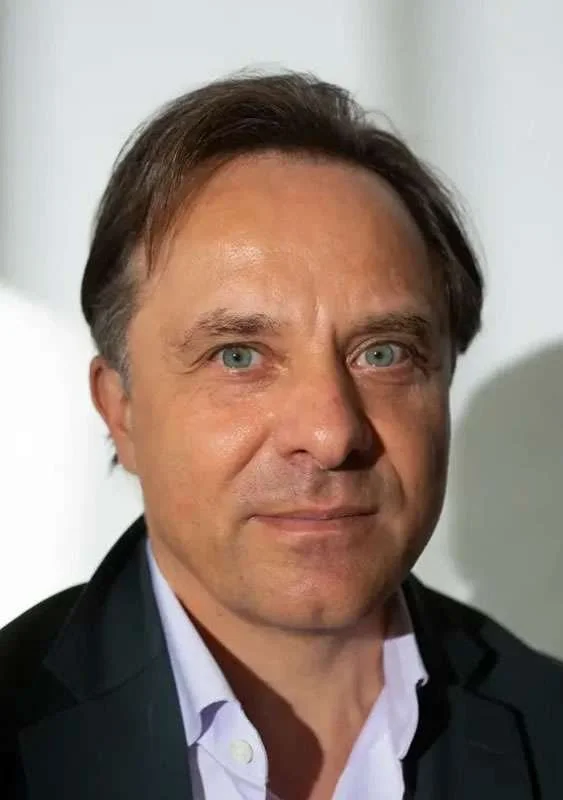
In skincare, Yvan Galanin asks: what holds the face together? Coming from biotech, he was shocked by beauty's lack of rigor: unpublished studies, vague methods, shaped data.
His path was accidental: treating dermatitis with cottonseed oil healed his skin but reshaped his face, revealing dermal fat's structural role. Adipeau targets this layer (adipocytes that scaffold the face) with Kaempferia parviflora extract, validated through registered trials reviewed by Karolinska Institute.
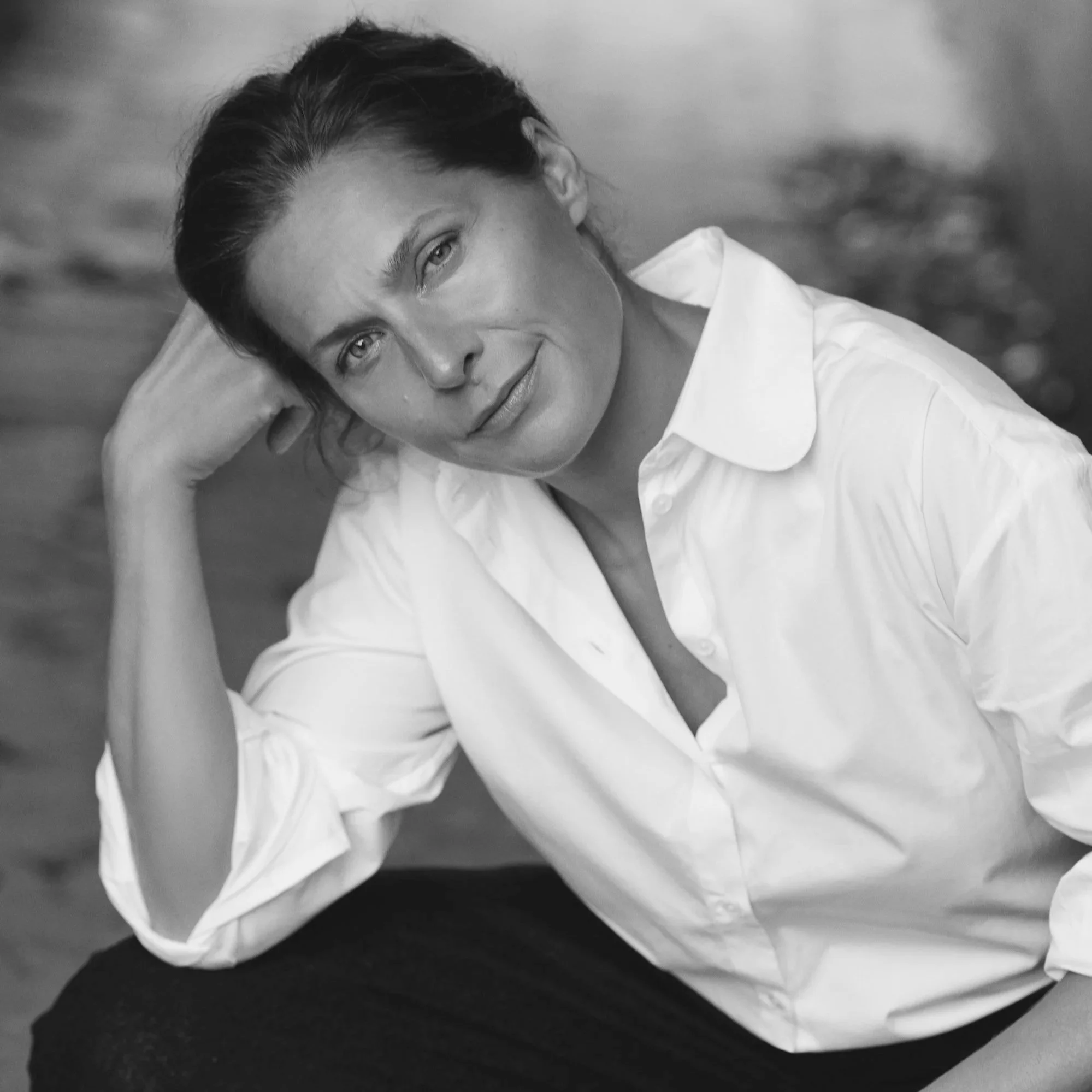
Rudolph Care was founded in 2009 with a simple constraint: skincare should feel good, deliver visible results, and earn trust. Founder Andrea Elisabeth Rudolph works at the intersection of efficacy and sensoriality, with transparency down to every ingredient. Andrea has stayed unusually consistent in a category where language moves faster than standards. She unites the best from nature with the precision of science, treating ingredients, texture, and certification as operational choices.
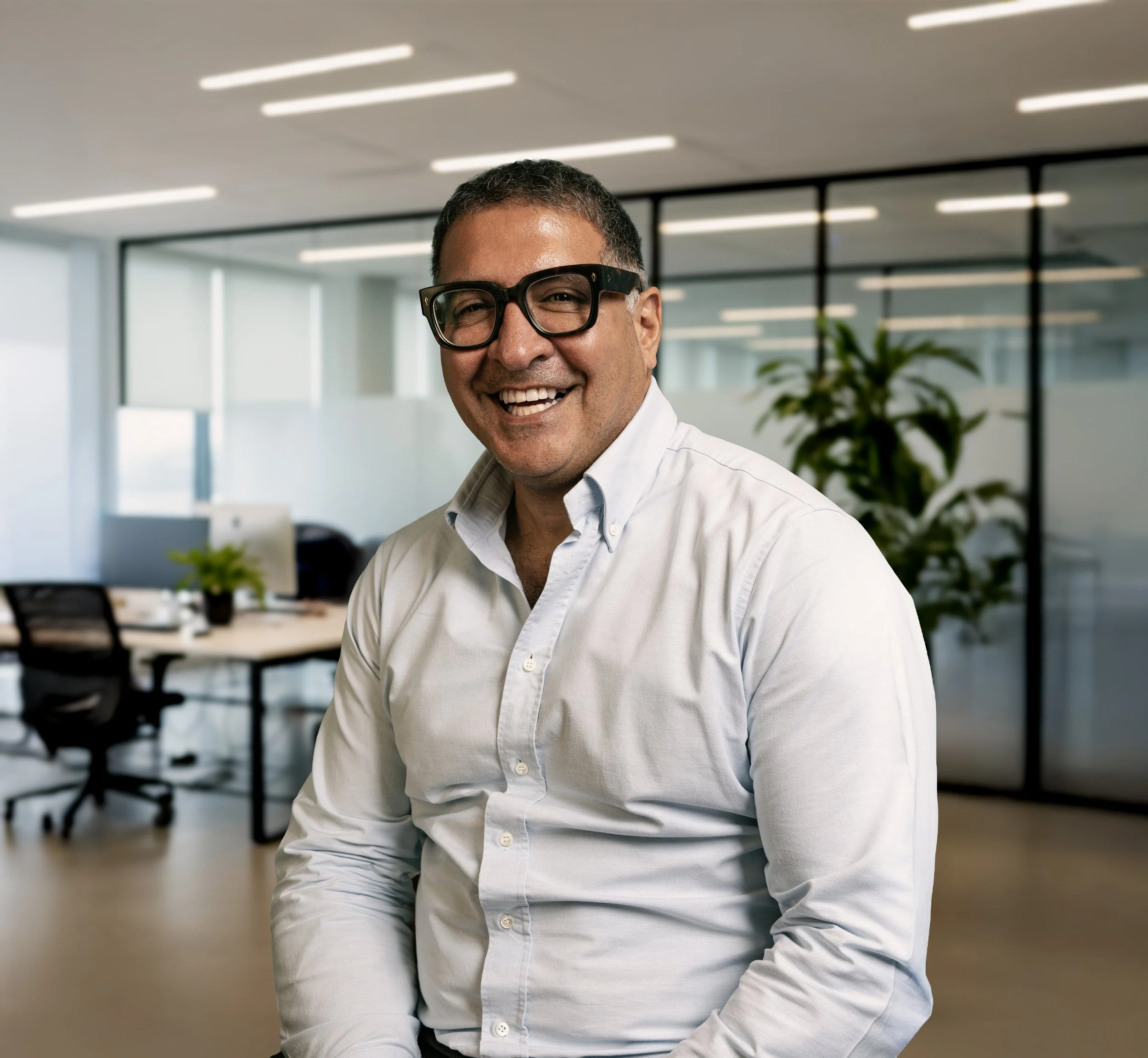
Longevity is having a moment. But few brands approach it without shortcuts borrowed from beauty marketing. Youth & Earth is one of them.
Founded by Edward van Harmelen, Youth & Earth grew from a personal frustration with how fragmented, inaccessible, and age-coded the longevity space had become. The science was there. The language wasn't. Neither was a brand speaking to people who don't feel old, don't want hype, and don't want to wait for something to break before paying attention to their biology.
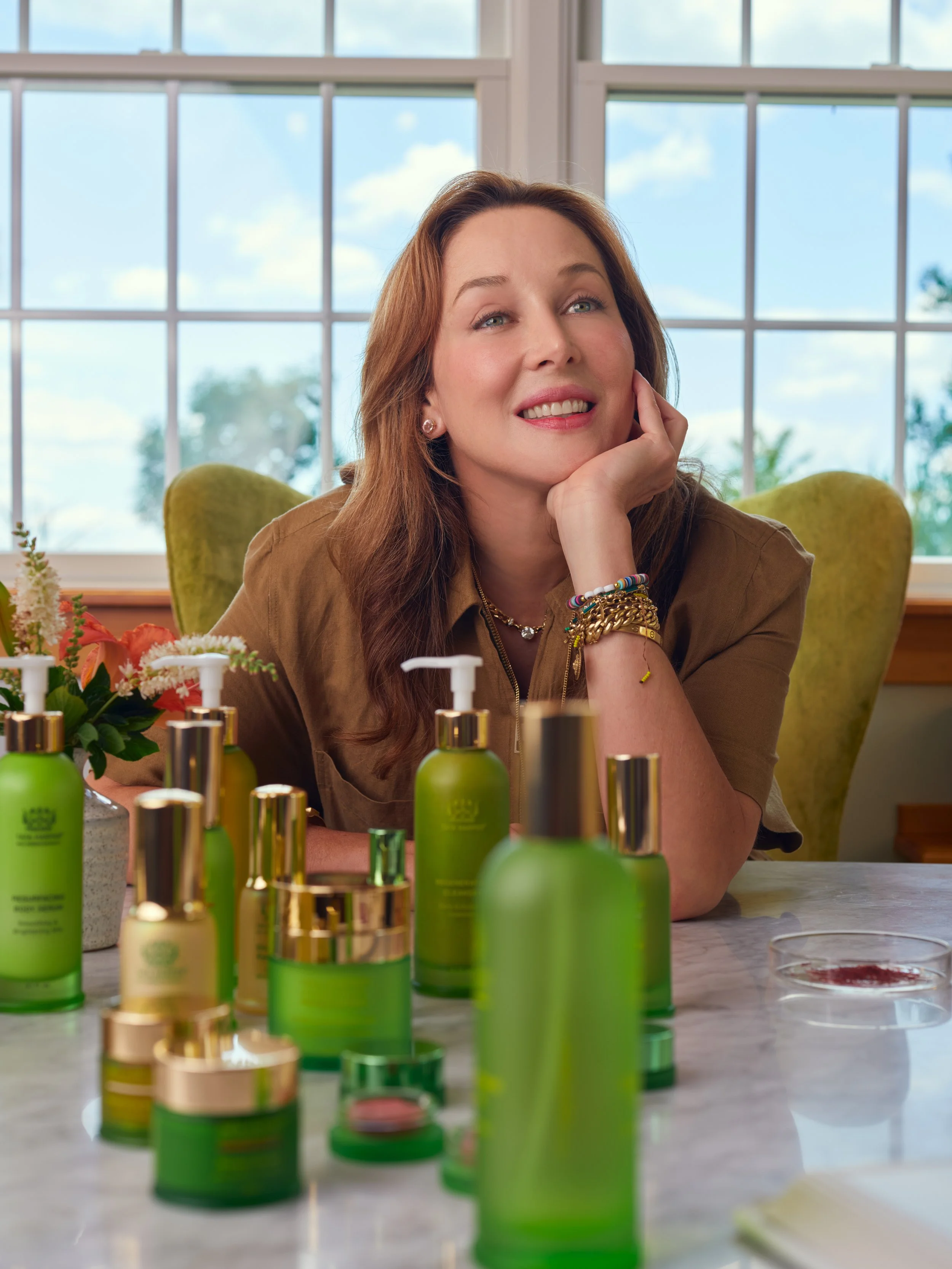
Tata Harper proved natural skincare could perform without compromise long before it became a default claim. In-house formulation. Extreme ingredient density. Full transparency. A fifteen-year refusal to choose between efficacy and pleasure. The industry finally caught up, ingredient scrutiny is mainstream, regenerative skincare is real, sensitized skin matters. Yet her work feels as urgent as day one. In our latest conversation, we explore what it takes to hold a vision over time. How formulation philosophy matures. How "natural" becomes technical language. How a founder recalibrates when the market finally speaks her vocabulary back.

Frances Shoemack's journey from winemaking to founding Abel reveals something essential about the future of natural perfumery. When industry veterans said high-performance natural fragrance was impossible, she didn't compromise, she opened the palette to biotechnology and upcycled ingredients. Working with Master Perfumer Isaac Sinclair and biochemist Dr. Fanny Grau, Abel treats each formula with architectural precision. Seaweed absolute for saline lift. Upcycled cherry for tart brightness. Biotech aldehydes for clarity. Even packaging reflects this discipline: home-compostable caps, lightweight glass. What emerges isn't a claim of purity but a practice of integrity, materials, methods, and meaning aligned toward a future where natural perfumery is both rigorous and human. Read the full conversation on discipline, innovation, and the science of scent.

What happens when a former fashion executive reimagines the wellness routine? Cleo Davis-Urman, founder of Barrière, turned a personal health wake-up call into a design-forward rethink of supplementation. The result: minimalist transdermal patches that deliver actives like B12 and NAD+ with high absorption, bypassing the digestive system entirely. I spoke with Cleo about the science, wearability, and why simplicity is the future of self-care
For her first makeup collection, Dariia Day has developed six cream formulas around coordinated color, silk-inspired biotechnology and a precise idea of fresh skin. My review of the palette I took to New York.
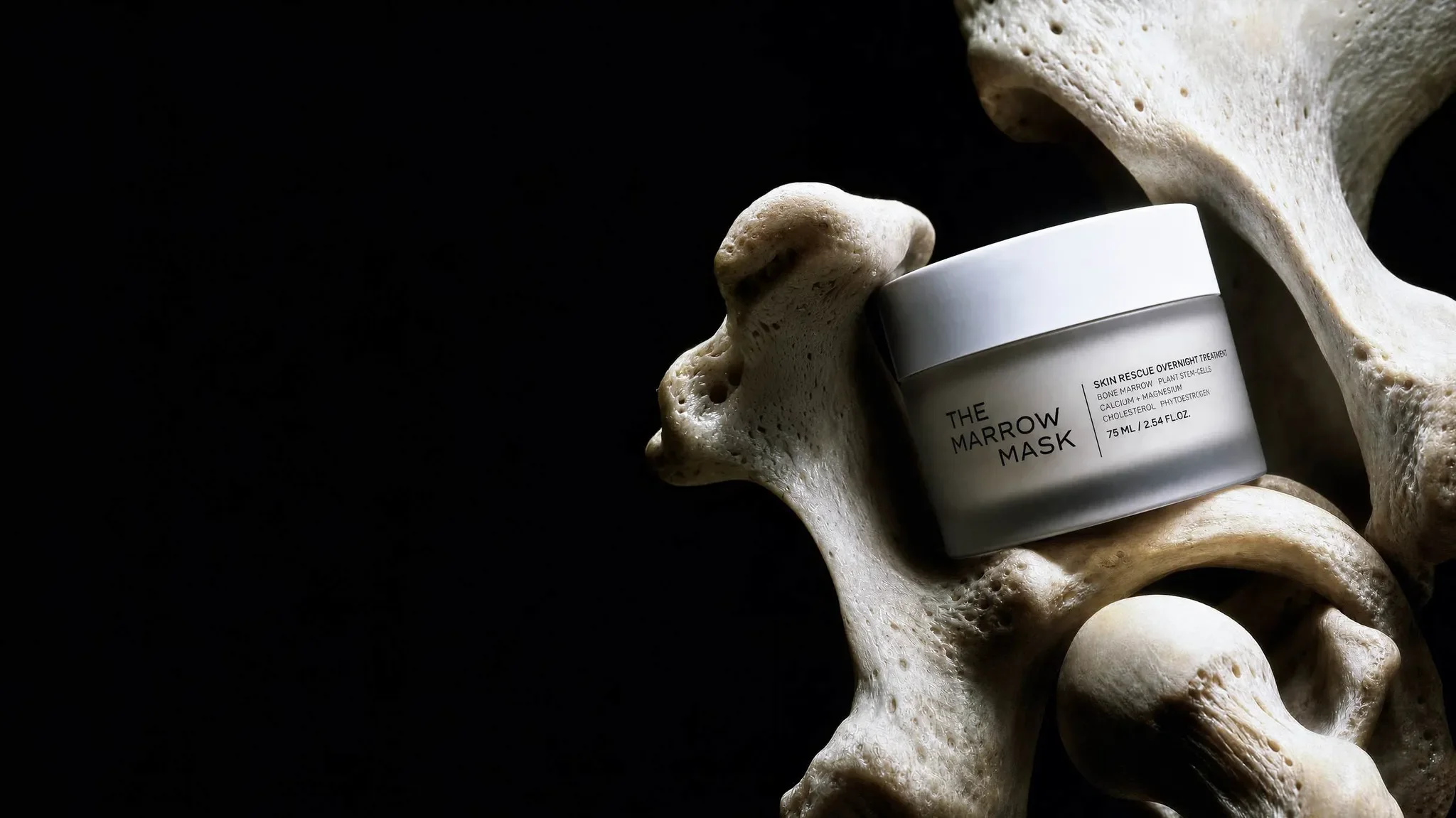
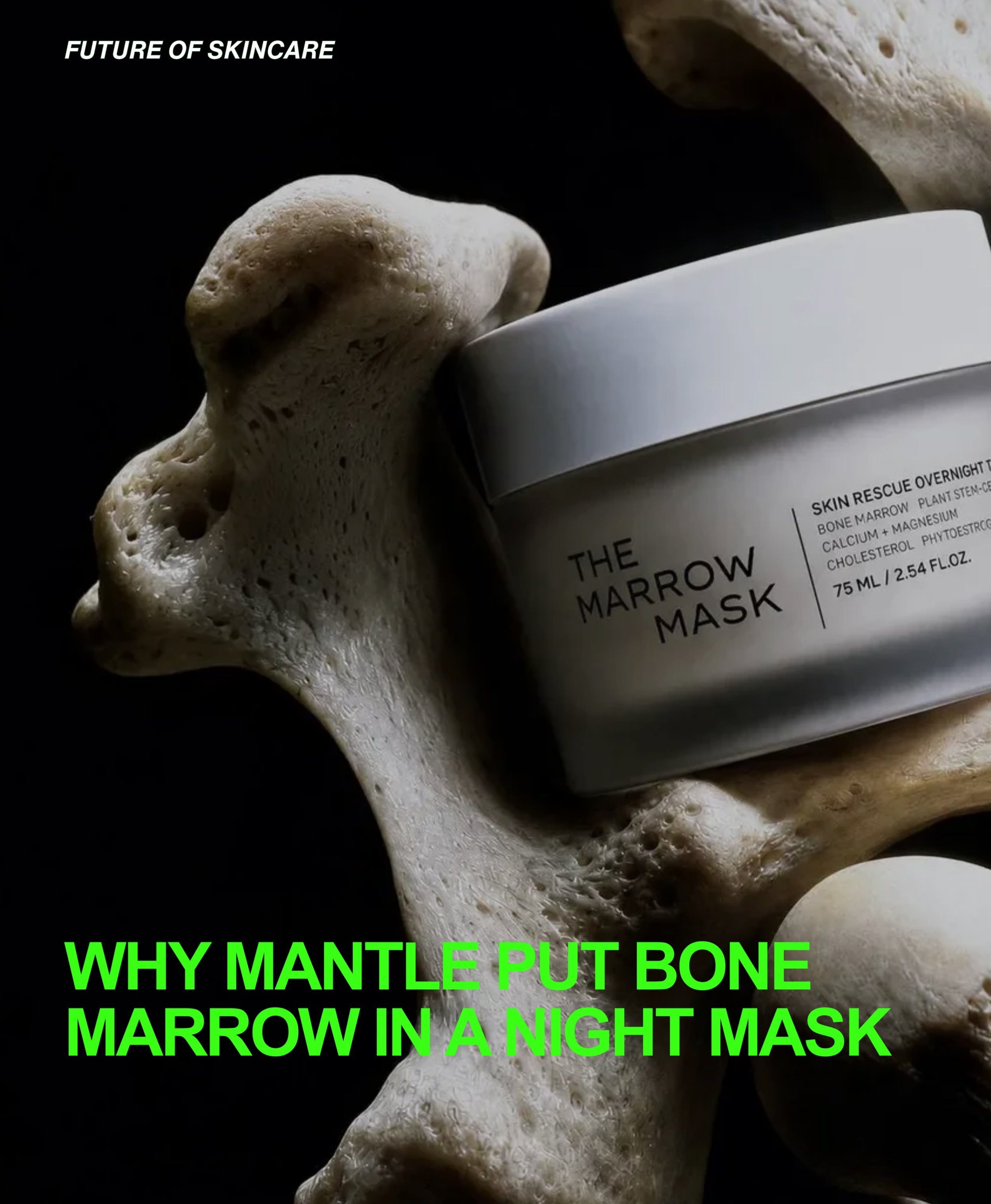
MANTLE's Marrow Mask starts with an ingredient nobody expects in skincare: bone marrow, borrowed from Scandinavian food tradition. Paired with cholesterol, ceramide NP and soy isoflavones, it becomes an overnight treatment for dry, depleted and changing skin.
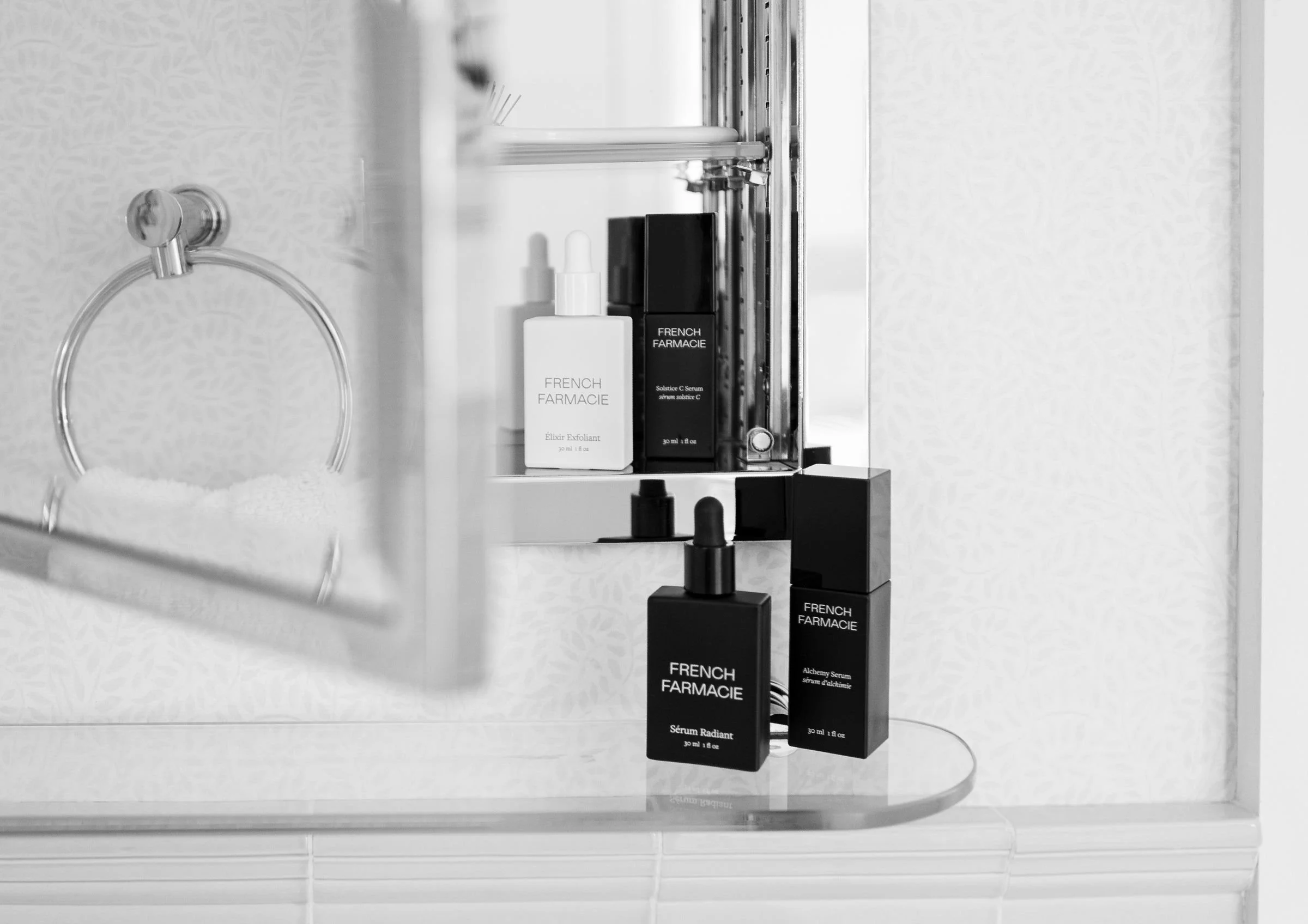
French Farmacie started with a simple idea: skincare did not need to be so complicated.
Today, Tricia Marlowe’s four-product collection brings botanical oils, silk-derived peptides and plant-produced growth factors into a routine that still feels remarkably contained.
We looked at what each formula does, how they work together, and why the brand’s approach to “less” has become more interesting as the science has become more ambitious.

Before I left for the summer, Noble Panacea put together a protocol for my skin. What to use in the morning, what to use at night, in what order, and one night a week where the program changes.
I took it to Corsica, where skincare has to contend with sun, heat, sweat, salt, dust, wind, and layer after layer of sunscreen. It is the precise moment when skin needs more support, yet I want fewer products, less weight in my suitcase, and almost no time spent in the bathroom.
I had written about Noble Panacea before, but I had never lived inside the complete system this continuously.
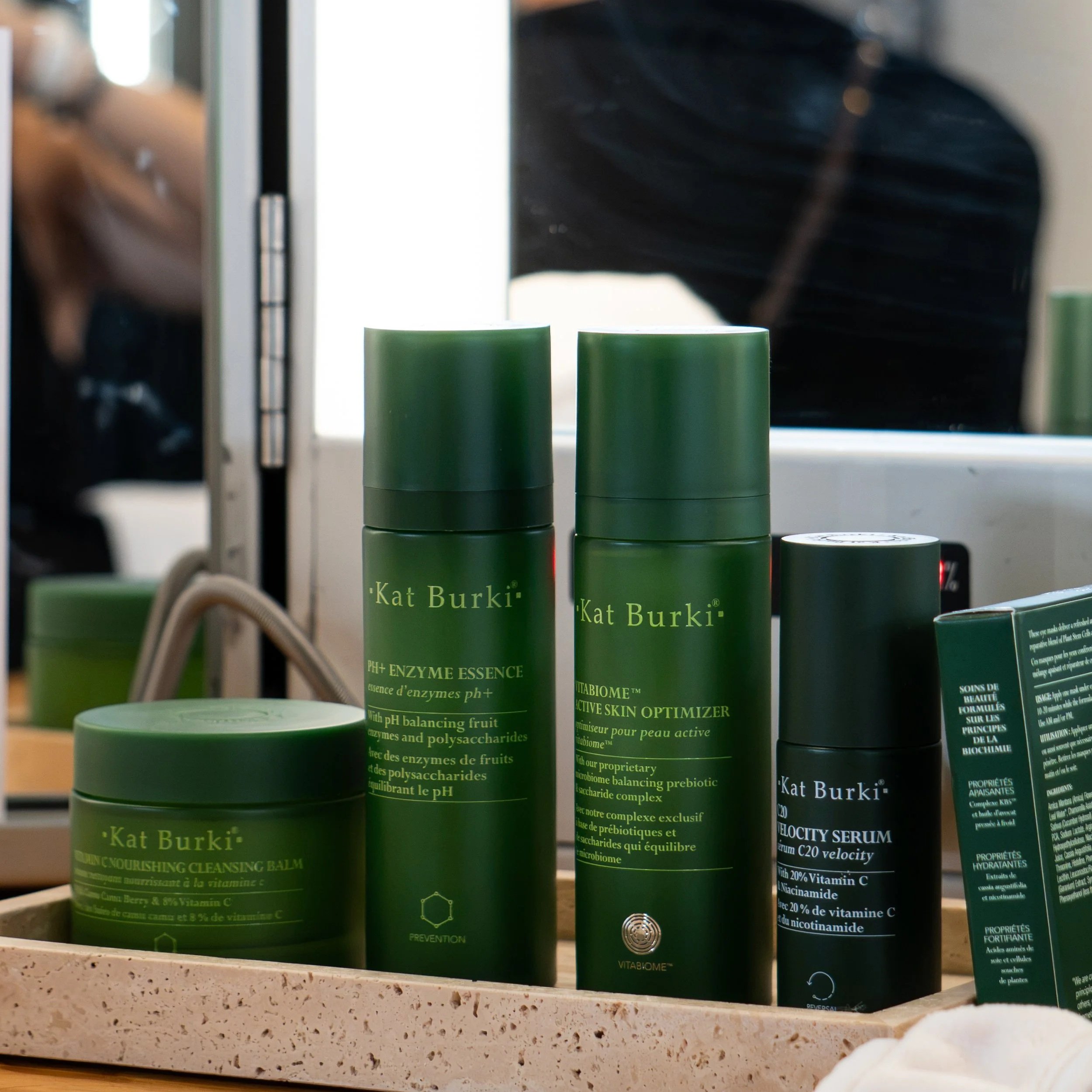
The secret to backstage glow is not shine. it is sequence. For Iris van Herpen’s Haute Couture AW26/27 show, Sonic Starquakes, Kat Burki Skincare prepared the models’ skin through a protocol built around barrier, pH, microbiome, vitamin C, eye recovery, hydration and makeup grip. Because backstage skin has to do more than glow. It has to perform. Heat. Lights. Travel fatigue. Makeup layers. Retouching. Pressure. Kat Burki’s routine shows a more modern way to think about radiance: not as a final layer, but as the result of skin that has been reset, strengthened, hydrated and prepared to hold the light.
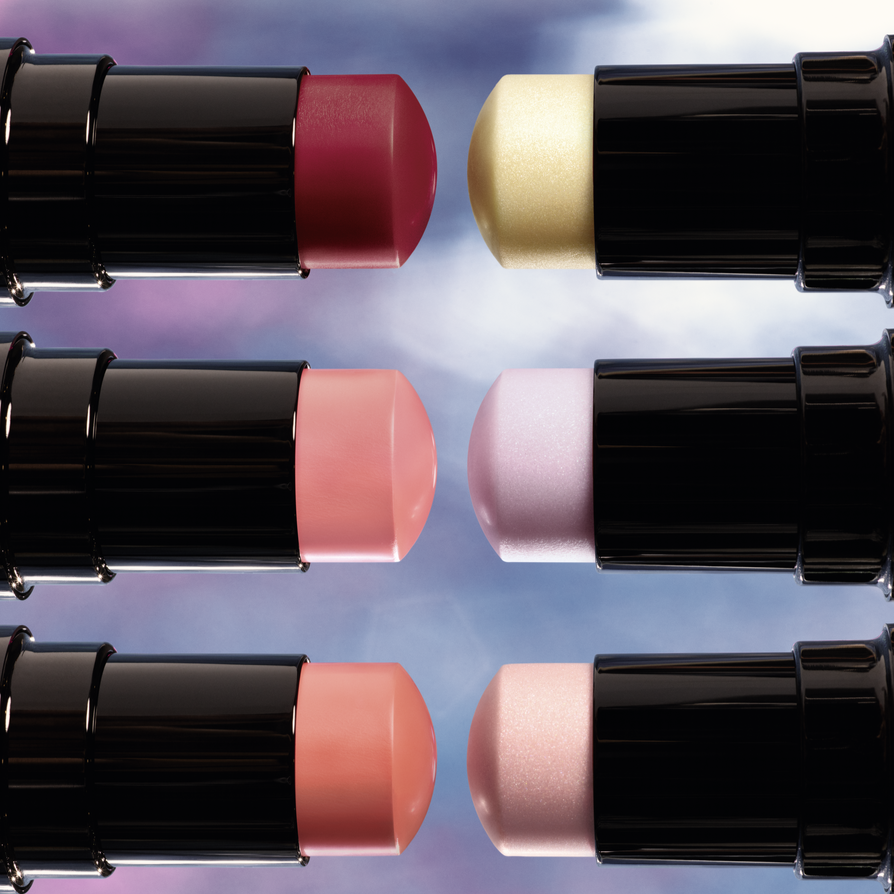
Chanel’s Summer’s Calling turns pastel into a language of light. Created with Valentina Li and the CHANEL Makeup Creation Studio, the collection explores makeup as atmosphere: balm, shimmer, warm brown, raspberry, metallic pink and soft peach composed across eyes, cheeks, lips and nails. A study in summer radiance, precision and allure.
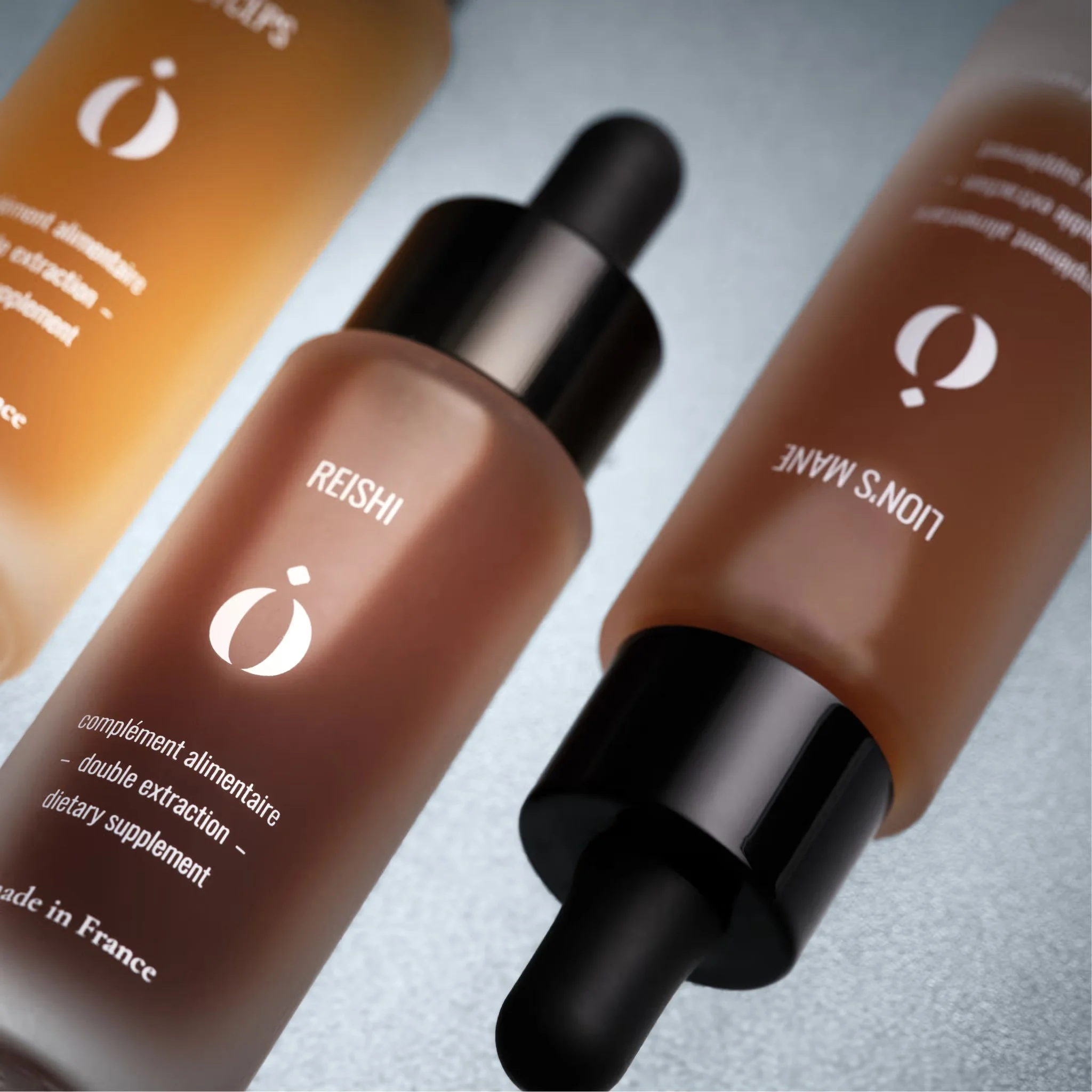
Fungi have always worked quietly. They connect forests, feed ecosystems, recycle matter and support life long before humans learned to name their intelligence. With Fungastique, that intelligence enters the beauty ritual. The new French brand founded by Marion Colibeau introduces organic, French-grown fungi elixirs in liquid form: Reishi for balance, Lion’s Mane for regeneration, Cordyceps for vitality, Chaga for beauty, Shiitake for digestion and Oyster Mushroom for stability.

A new French brand built around one precise correction: skin does not stop at the forehead. Founded by sisters Marie-Laure and Cécile Martin, Sorre introduces Headcare, a face-to-scalp approach that treats the scalp as what it is: living skin, and the biological starting point of stronger, healthier-looking hair. The first collection is tight: four products, designed like a skincare routine extended to the root and fiber. A serum for both face and scalp. A restore serum for shedding and density. A pH-neutral shampoo. A conditioner built around strength and repair. What makes Sorre interesting is not that scalp care is trending. It is that the brand gives it structure. Biomimetic actives, biotechnology, clinical testing on finished formulas, and a sensorial world rooted in Provence.
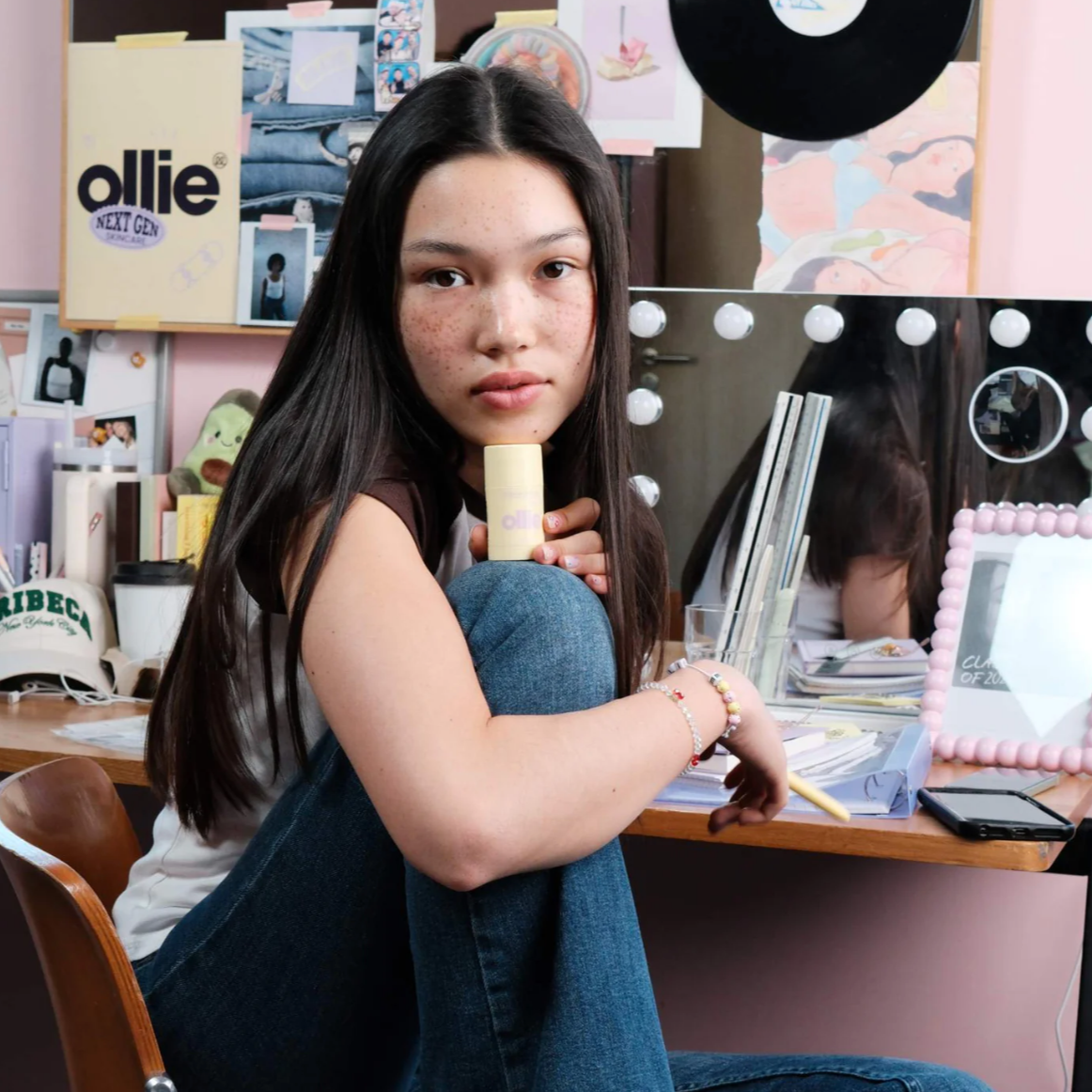
Beauty does not begin with anti-aging. It begins much earlier: with a mirror, a changing face, a first cleanser, a lip balm passed between friends, a deodorant bought because the body has started to speak differently. That is the moment OLLIE, the new French skincare brand founded by Mathilde Lacombe, is trying to meet. On paper, OLLIE is a teen-safe skincare line for adolescents. Culturally, it is something mo precise: skincare for the age before skincare becomes complicated.
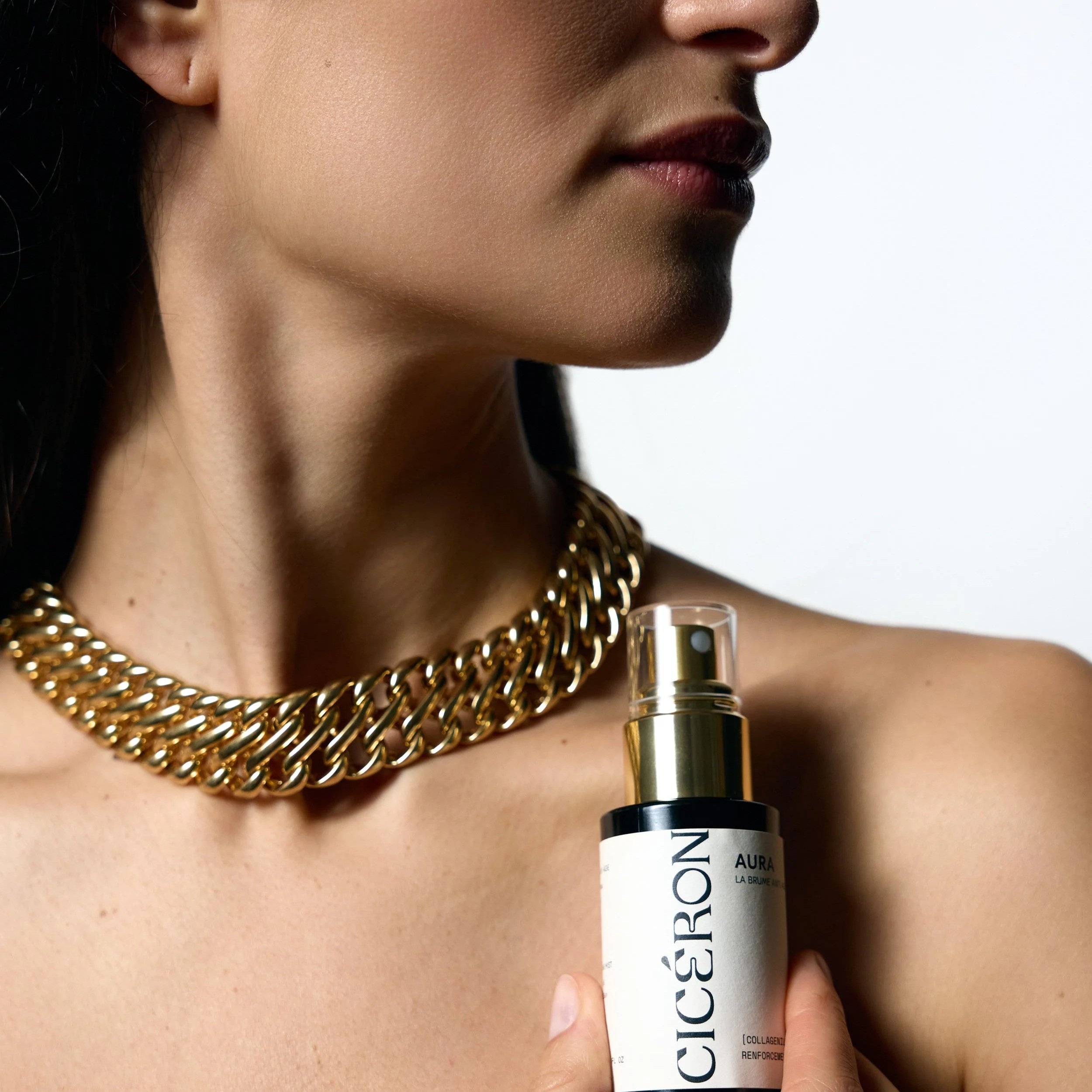
Cicéron was built on a clear idea: skincare does not need more noise. It needs more structure.
Founded by Doctor of Pharmacy Jeanne Tieu-Benichou, the brand has always approached skin longevity as an architecture. A precise system designed to support the skin’s structure, simplify the ritual, and make every step count.
The collaboration with Jeanne Casimir makes that position physical.
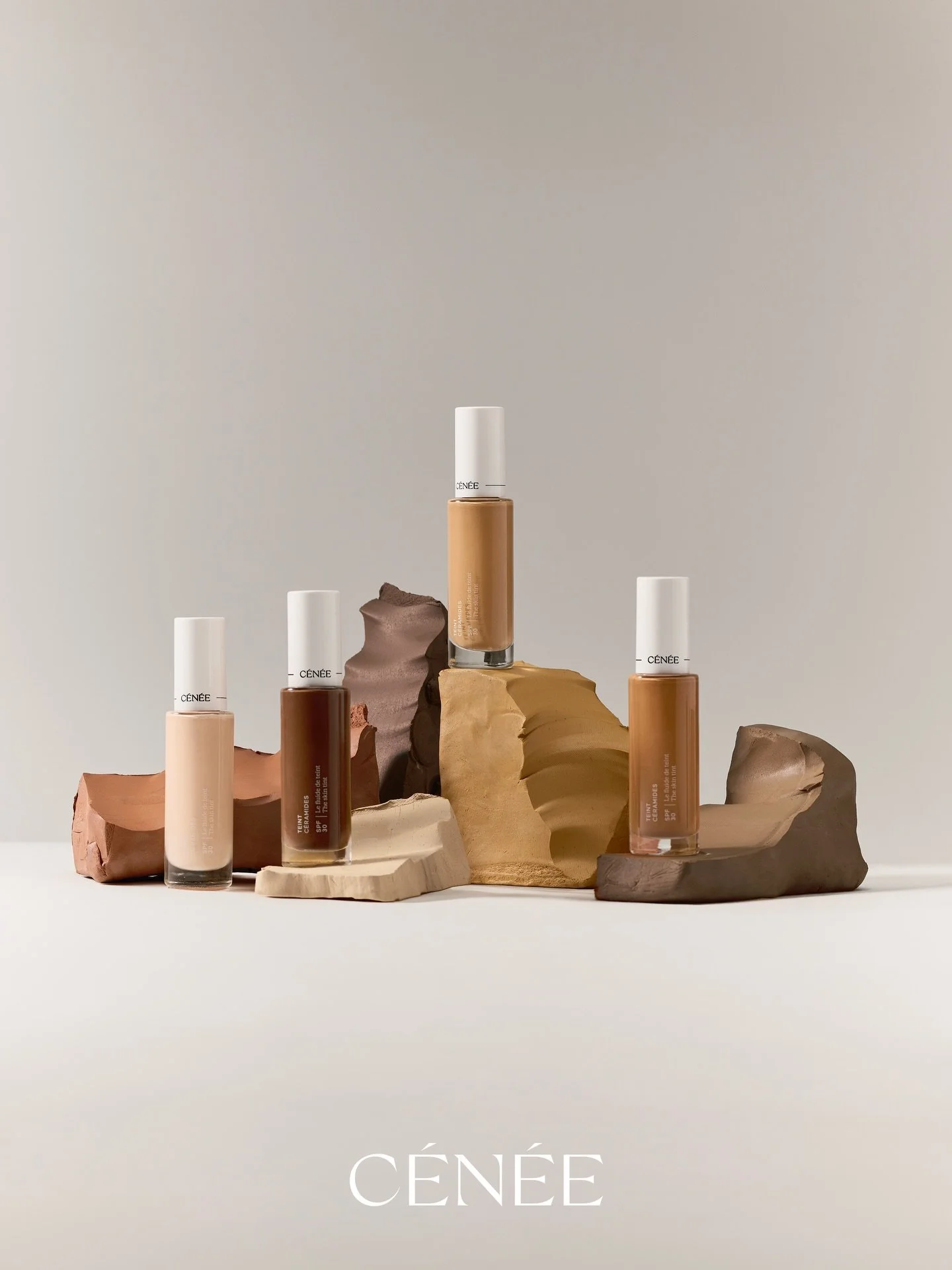
When Nassim Hamek first spoke to Future of Skincare about CÉNÉE, complexion was the category the brand had deliberately not entered yet. Not because it was secondary, but because it was the hardest place to keep the promise: conventional makeup performance, meaningful active concentrations, strict formulation standards, and enough shades to respect real skin. Le Fluide de Teint SPF30 is therefore not just a new base product. It is the moment CÉNÉE brings its “serum science meets color” thesis to the most unforgiving makeup category of all.
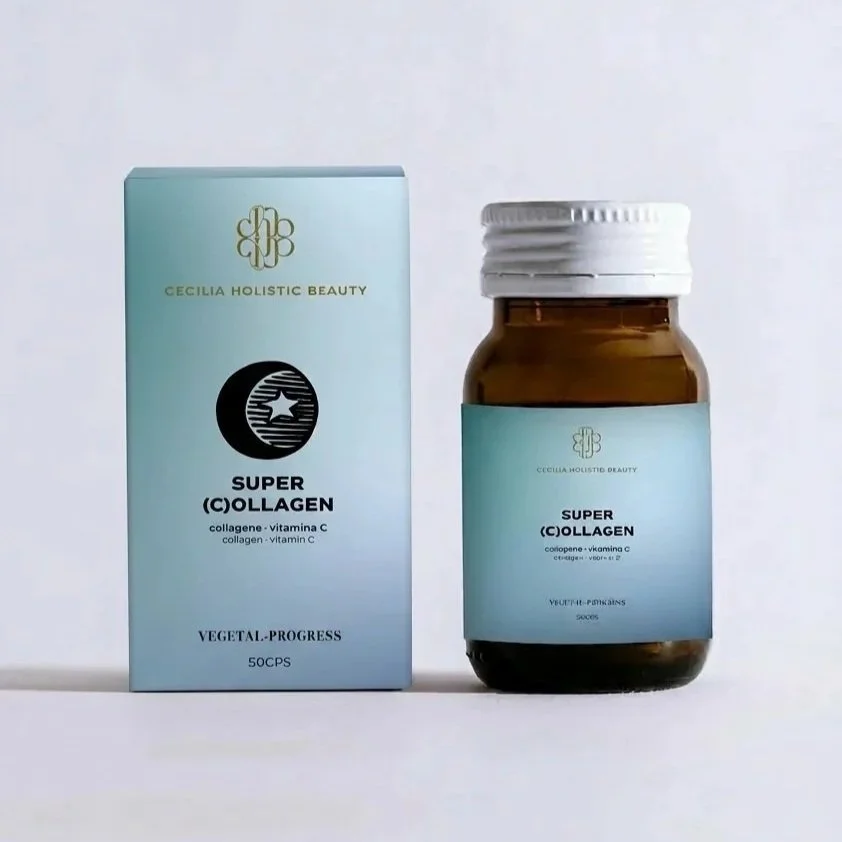
SuperCollagen by Cecilia Holistic Beauty reframes collagen not as a beauty shortcut, but as a disciplined daily protocol.
Rooted in Dr. Cecilia Perotti’s pharmaceutical training and the brand’s family tradition in supplements and natural formulations dating back to 1974, SuperCollagen extends Cecilia Holistic Beauty’s skin philosophy inward: topical care, internal support, botanical intelligence, and time as parts of the same system.
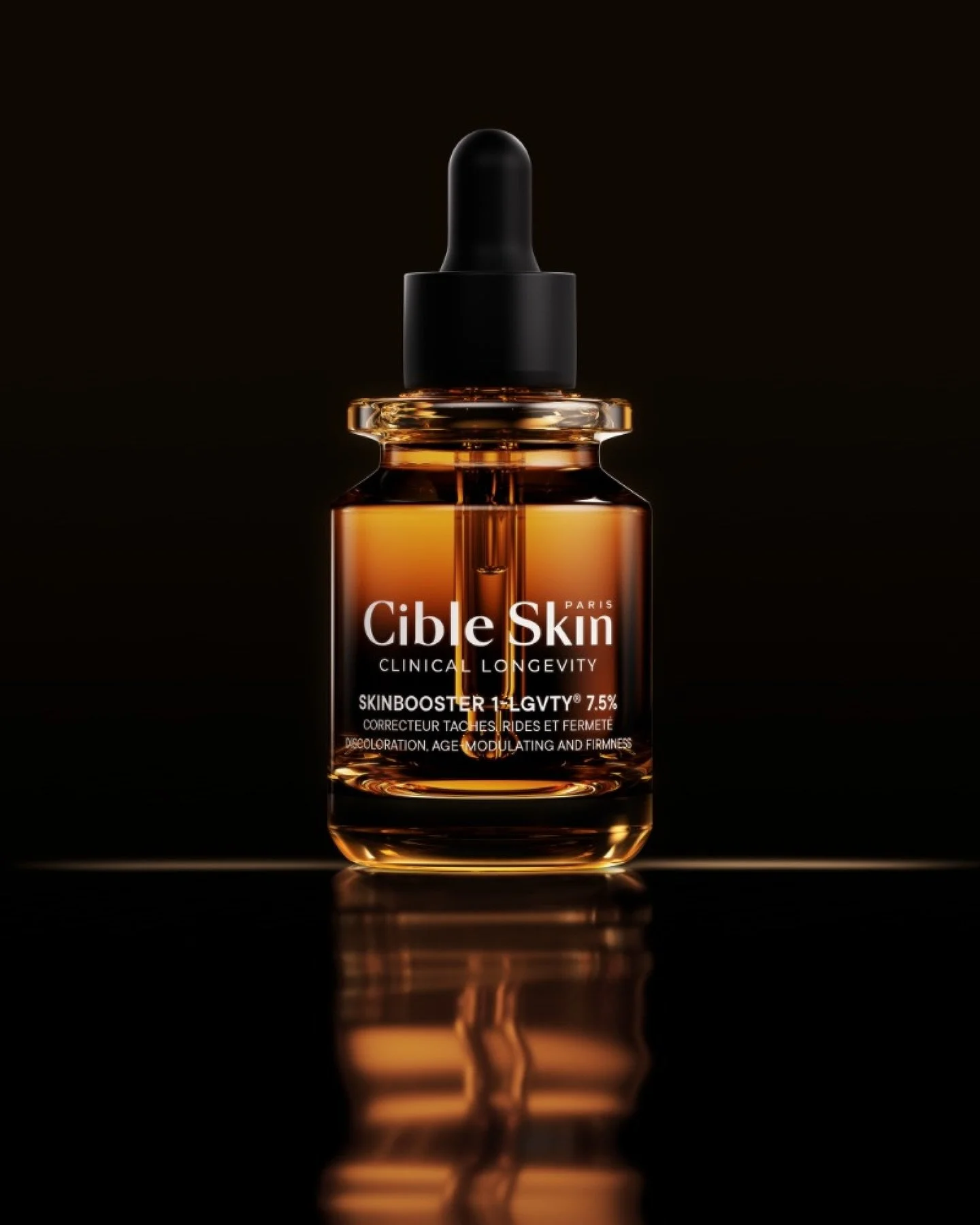
Cible Skin is a French biotechnology house founded by Dr. Joël Aknin, a plastic surgeon, and his son Dr. Raphaël Aknin, a pharmacist specialized in skin immunology. For more than a decade, they worked from a single clinical question: if skin aging is driven by upstream cellular mechanisms (oxidative stress, chronic inflammation, microbiome destabilization), why does most skincare still treat only the surface effects? The answer became a patented active complex, 1-LGVTY®, and a clinical protocol now practiced at Maison Cible Skin in Paris's 8th arrondissement.
🟢 The supplement aisle has a collagen problem. Not a formulation problem , a sequencing problem. Most products address the strand without addressing the system that produces it.
MyCollagenGlow by MyPureSkin is built around a different logic. Eleven actives anchored by galactooligosaccharides, a prebiotic that works on the gut microbiome before the collagen ever reaches it, creating the conditions in which everything that follows can actually work. Marine collagen peptides, hyaluronic acid, beta-carotene, zinc, biotin, the full B complex. One stick in water. Every morning. Ninety days.
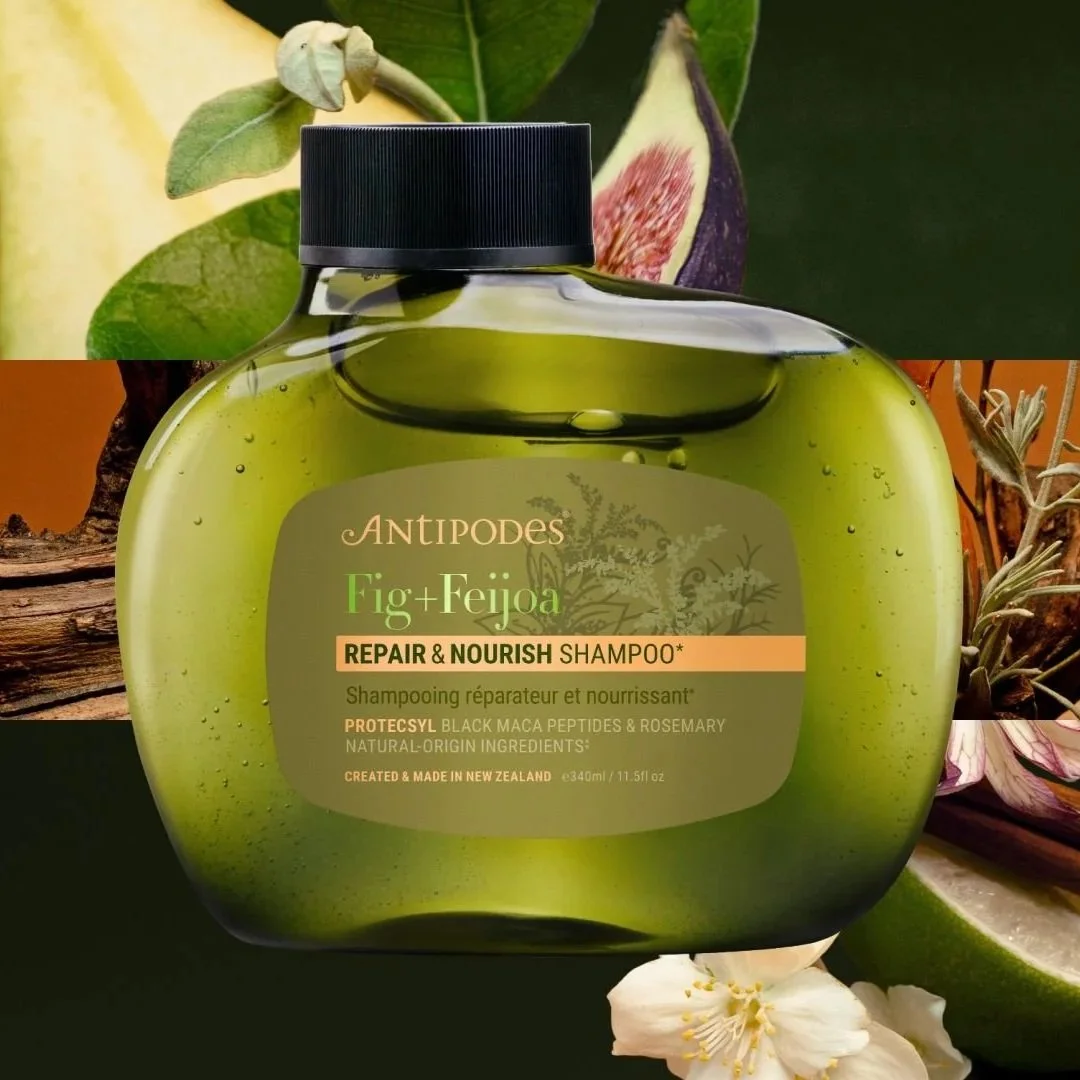
Antipodes built twenty years of skincare on that kind of biology-first thinking. Their haircare launch applies the same methodology to the follicle. Three targeted protocols - each anchored by a clinically validated bioactive - plus one universal mask that brings all three actives together in a single weekly reset. No silicones. No SLS. No synthetic fragrance. Consumer trials across more than 600 participants before a single bottle shipped.
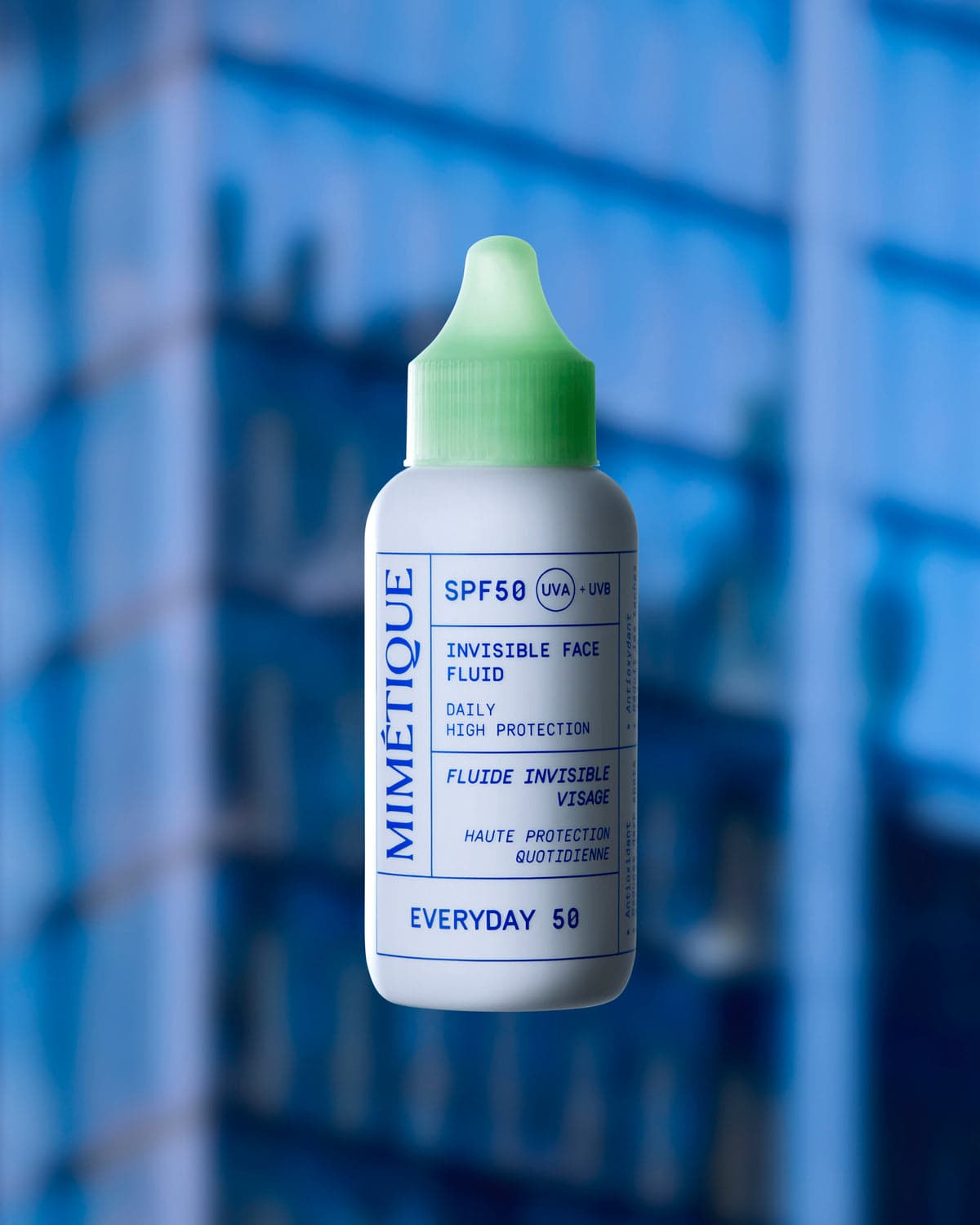
Mimétique's EVERYDAY 50 is built on skin-mimetism, the principle that the most effective formula is one the skin already knows. Biomimetic peptides to modulate melanin overproduction. Photostable broad-spectrum filters. Biomimetic exosomes for oxidative stress.
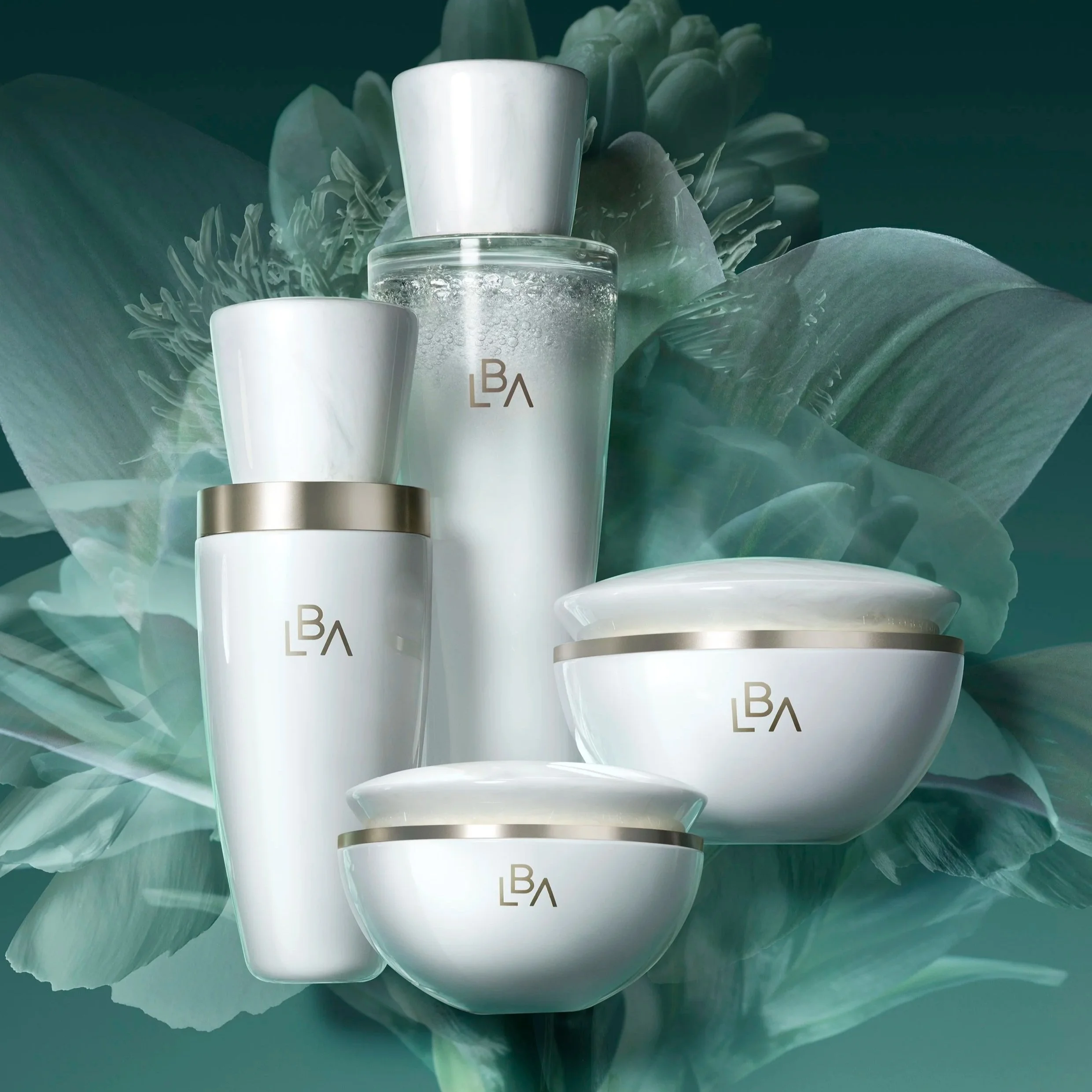
The herbarium has 9,000 species. It was assembled by Joseph Pitton de Tournefort, botanist to Louis XIV, and the man who developed the first systematic botanical classification. The collection lives on a volcanic estate in Provence, on basaltic rock, fed by two mineral springs rich in magnesium, calcium, and silica. Three hundred hectares of something that has been accumulating knowledge, in one form or another, for several hundred years. Laboratoires Botanique Avancée launched in December 2025. Four products, three years in development, built from this place. Not in a lab, or not only in a lab. On land that insists on being taken seriously before it offers anything.
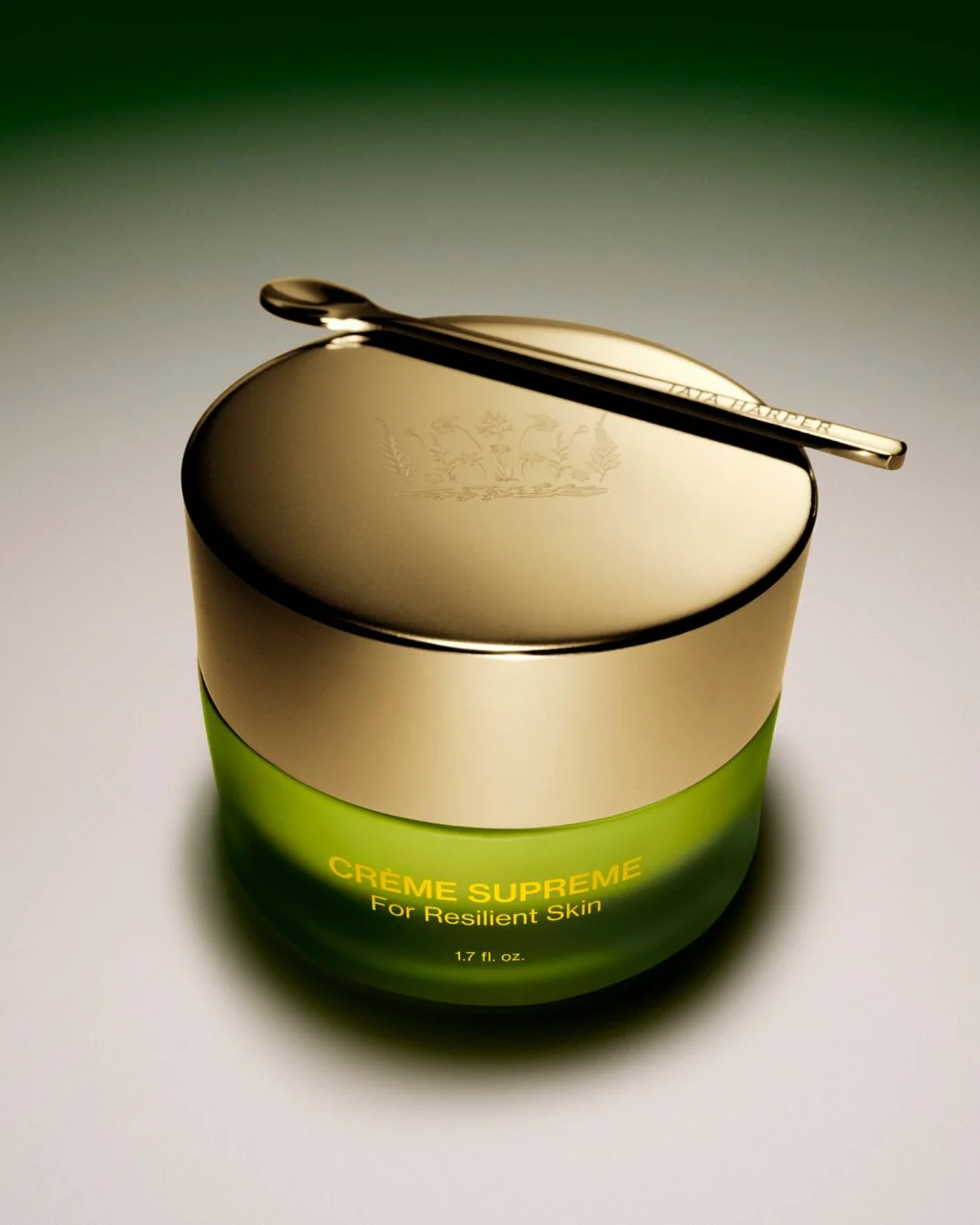
Crème Suprême arrives next week. I was lucky to attend the launch in Paris at the Bristol hotel with Tata herself, who gave us a masterclass on beauty and skin longevity. It was the occasion to dig into her universe and science, but the star of the show was this cream. Since then, I've been using it paired with the Rolls-Royce of serums, the Elixir Vitae (I will dedicate an article to it very soon, and this product's reputation is 100% accurate). I'm so excited to share more about this new addition to the Tata Harper family that could become a bestseller very quickly. Read on to know why.
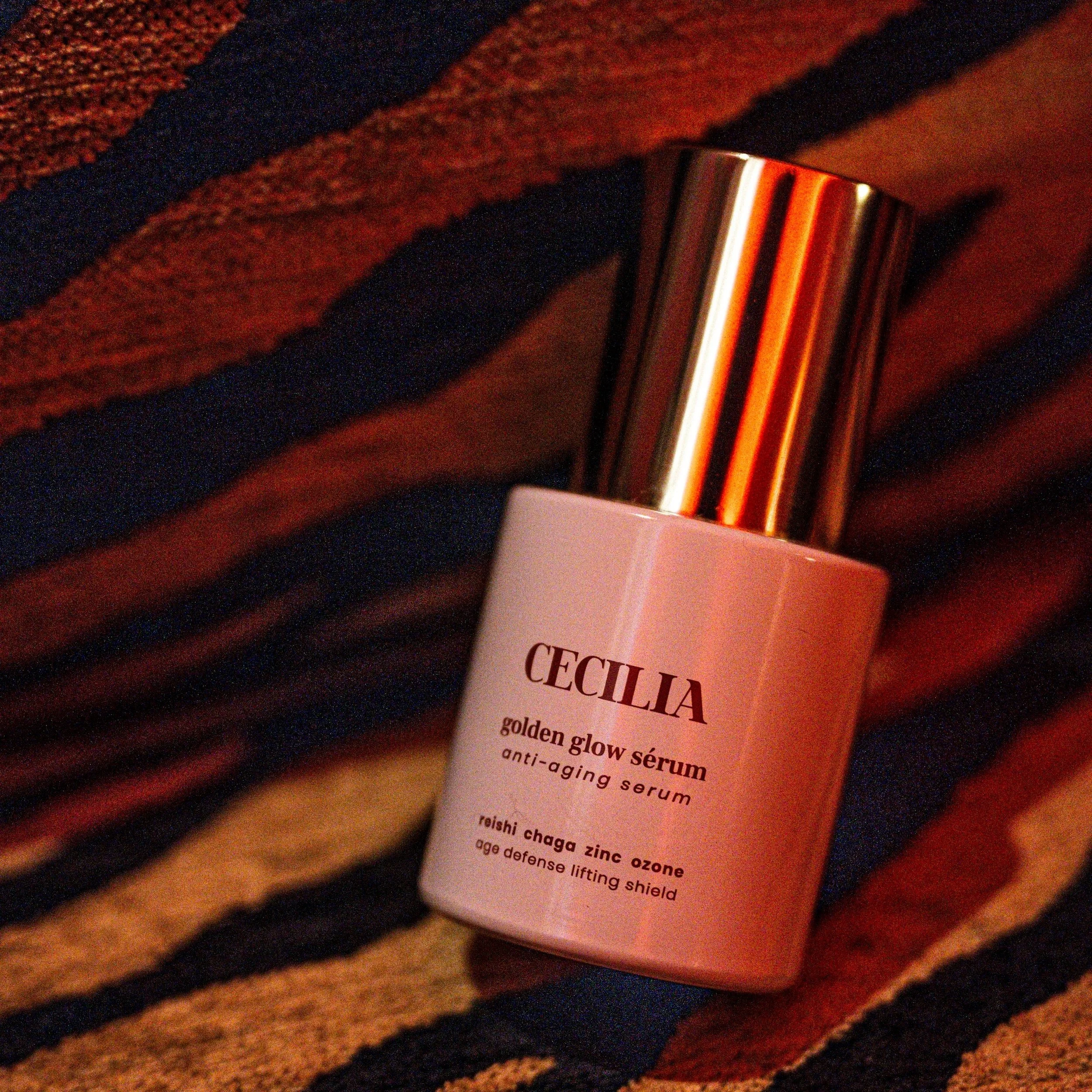
This is Cecilia Holistic Beauty's most advanced serum, a closing treatment that blends 50 botanical and mineral actives to counteract aging, inflammation, and environmental stress. Its unique oxygenating and anti-gravity technology smooths, tones, and energizes the skin barrier while restoring radiance.
This product deserves more people understanding the quiet intelligence inside that golden bottle.
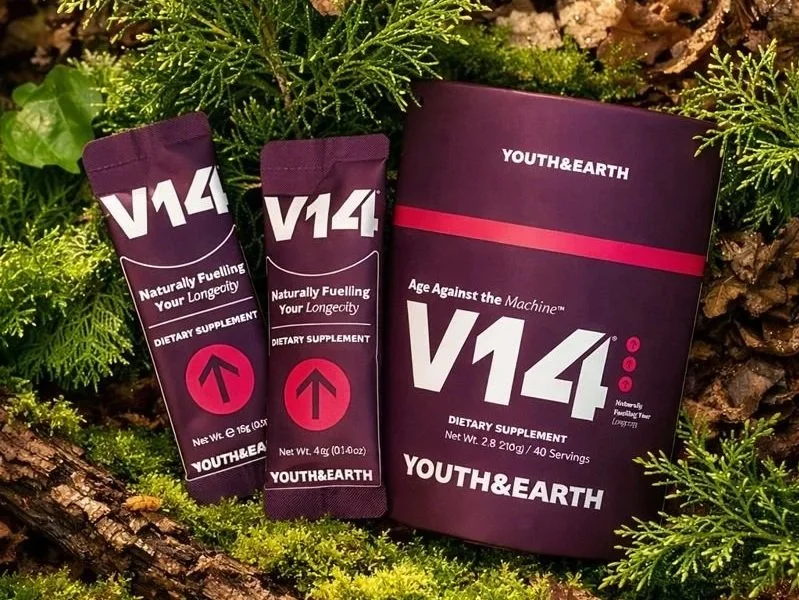
V14 Longevity Reds is a daily longevity supplement developed by Youth & Earth, designed to consolidate what is usually a complex and fragmented supplement stack into a single, accessible routine. One sachet. One glass. A formulation meant to sit quietly in everyday life, rather than take it over.
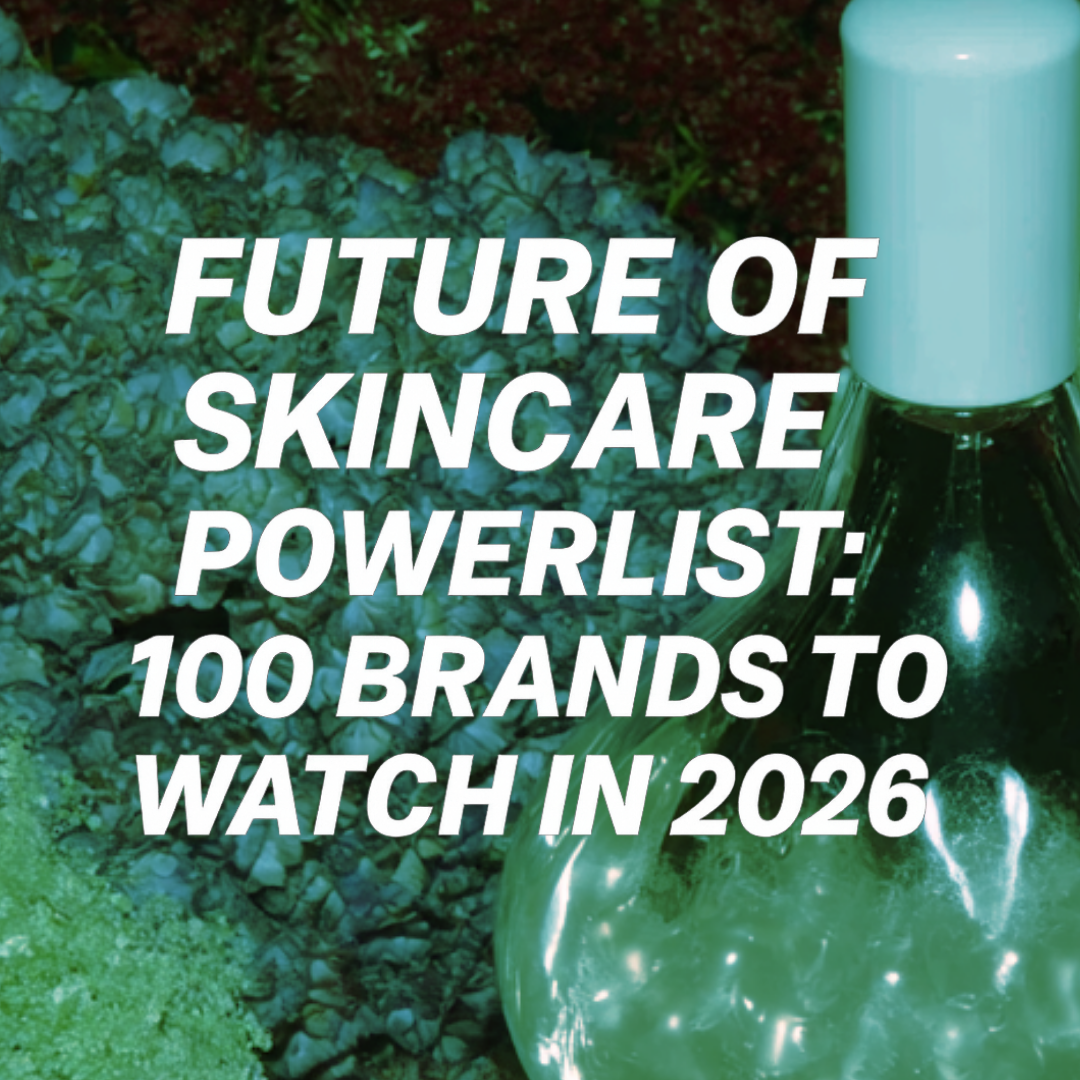
100 brands. 12 movements. One year of observation. This is not a ranking. It’s an index of signals shaping where beauty is actually going.Built over twelve months of testing, conversations, and fieldwork, this edition reflects a simple shift: beauty is no longer about more products, but better systems. Longevity, regulation, delivery, compatibility, tools, scent, body, scalp, skincare has expanded into a full ecosystem.
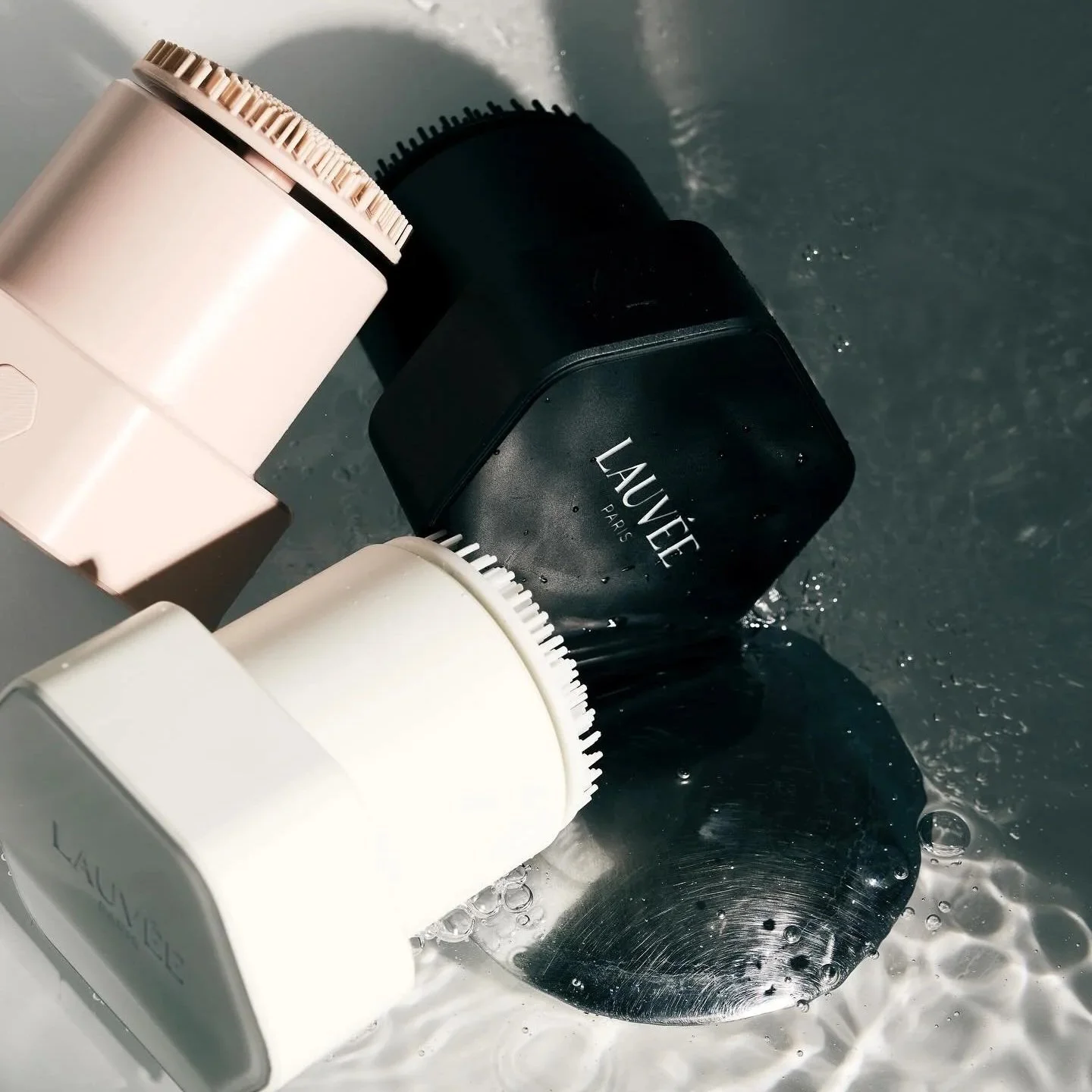
Cleansing is supposed to be the simplest part of a routine. It is also the step we compromise first. Lauvée, a young Paris‑based beauty tech brand, starts there. Instead of adding another corrective layer, the L1 device asks a quieter question: what happens if we fix the way we cleanse before trying to fix everything else?
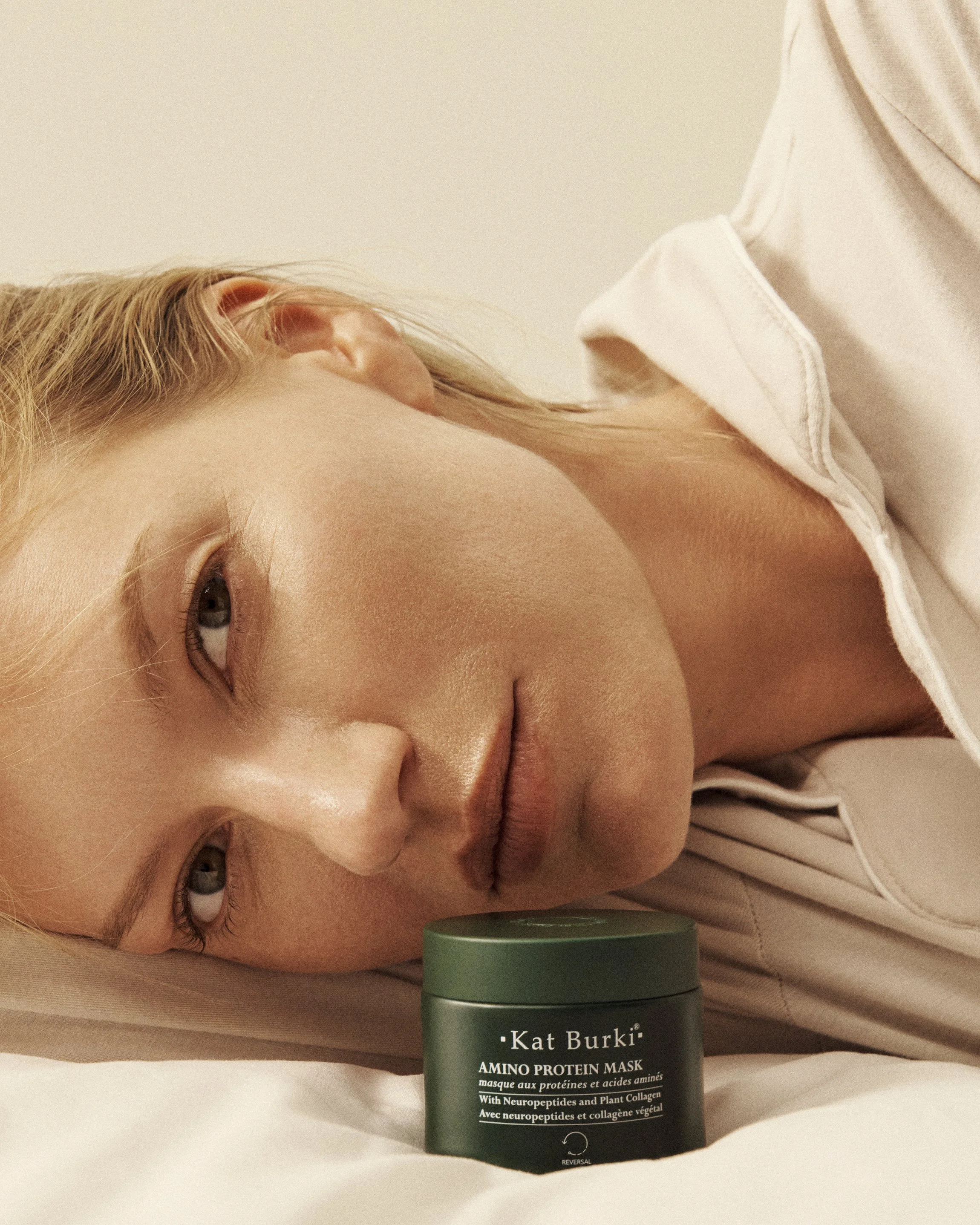
Kat Burki’s Amino Protein Mask takes a simple approach to collagen care: support the skin’s own processes instead of adding more intensity. The formula follows a three-step sequence with amino acids, peptides and teff extract to help improve firmness, elasticity and overall structure. It’s a steady weekly step for skin that feels tired or stressed.

Functional mushrooms are moving from trend to daily routine. Mabel is part of this shift with four formulas built for morning and night: Morning Manna, Midnight Manna, Morning Coffee and Midnight Cacao.
What stands out is the circadian approach — small, consistent rituals that fit into real life and actually help you move through the day with more steadiness.
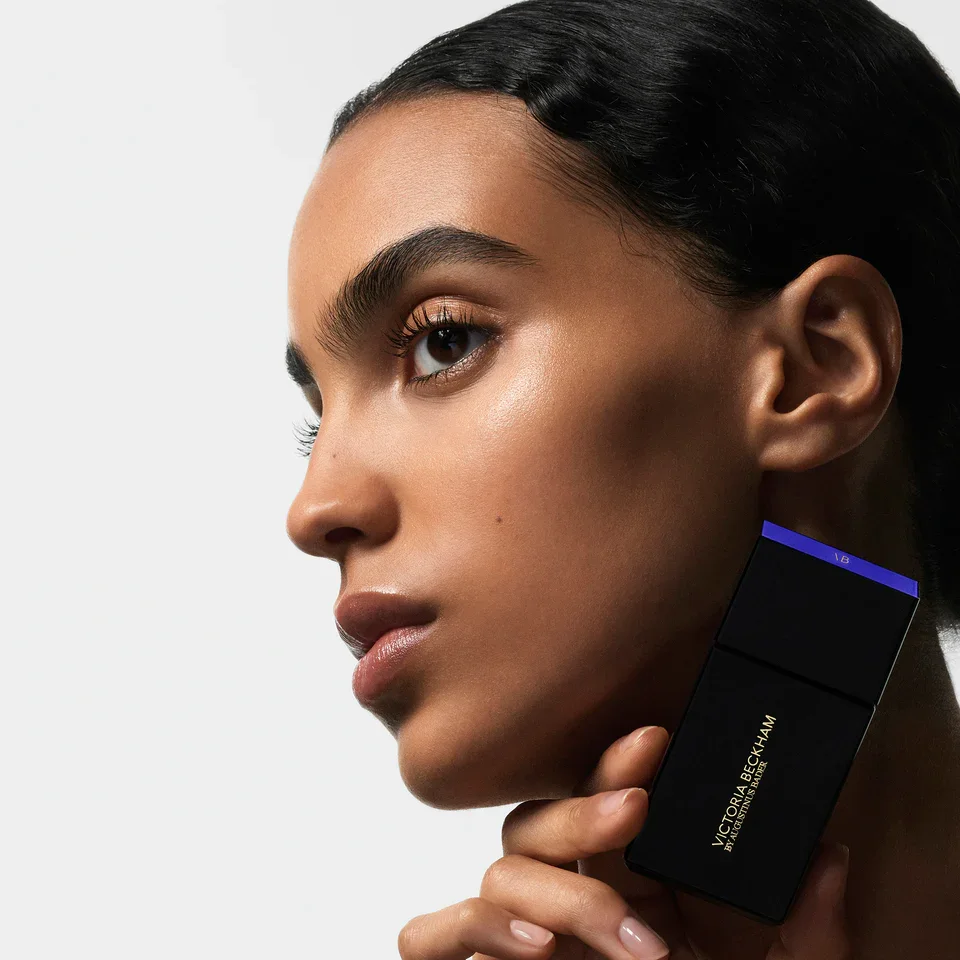
When Victoria Beckham Beauty launched The Foundation Drops, created with Augustinus Bader, the response was immediate. The product sold out within days, shared by facialists, editors, and makeup artists. On paper, it’s another high-end foundation. In reality, it reflects something happening across beauty: makeup that behaves more like skincare.

Brands deal with product flaws differently. Many quietly fix and relaunch. Others pretend nothing happened. But Mimétique? They completely pulled their best-selling eye cream from the market just because sometimes caffeine crystals formed in the tube.
CTRL EYE was everything you want a cult beauty product to be. Clinical results that delivered on promises. Customers who genuinely swore by it. Beauty editors who featured it in their must-try lists. The kind of product success most founders dream about.
Then, six months after launch, Fabienne Sebaoun noticed something. Sometimes the caffeine would crystallize. Not often, but sometimes. For 99% of brands, this would pass. For Mimétique? Unacceptable.
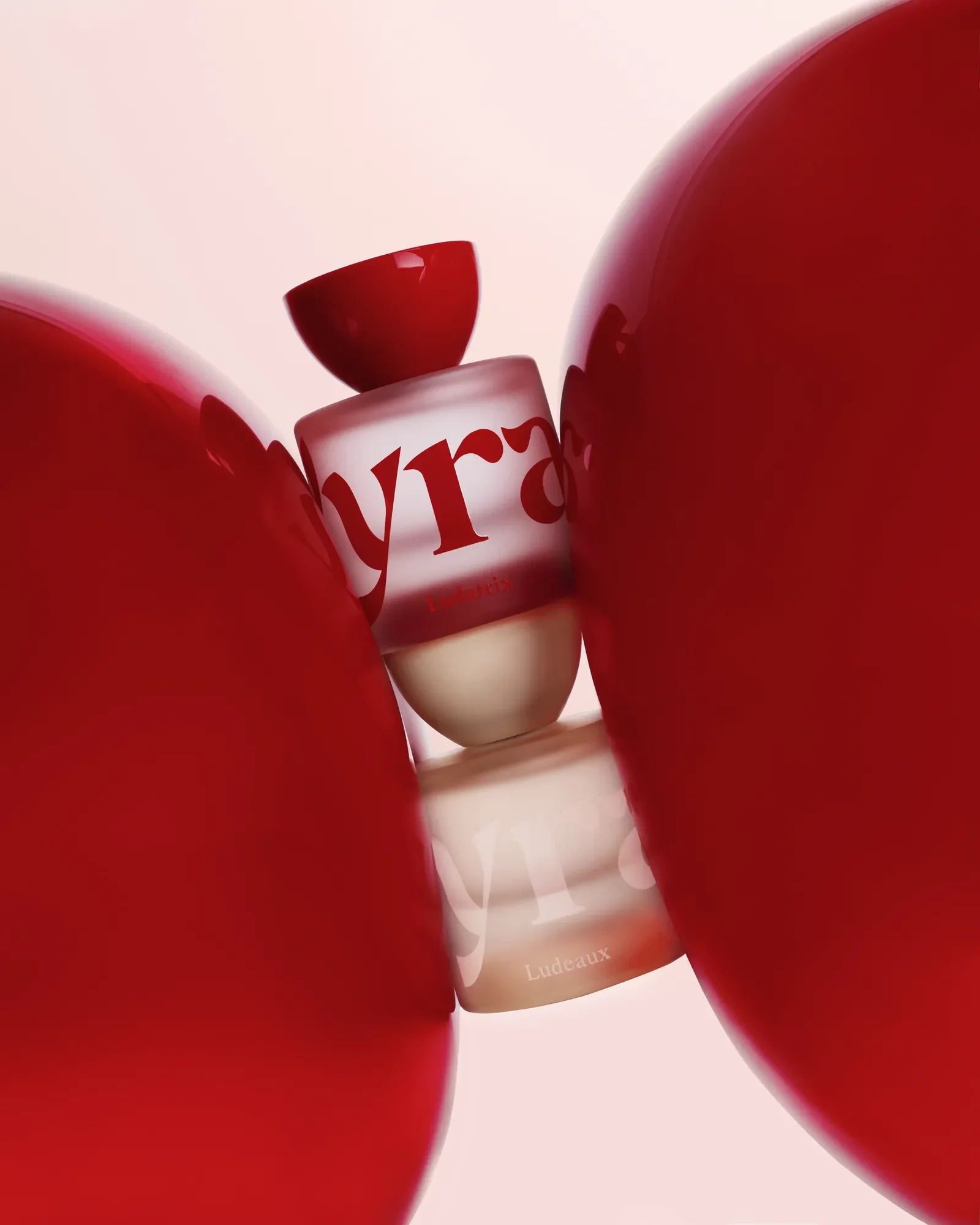
The revolution isn't just skin deep. VYRAO's groundbreaking latex-inspired fragrances, Ludatrix and Ludeaux, transform perfumery from mere scent to emotional architecture. Founder Yasmin Sewell has bottled something unprecedented, the confidence of a second skin.
This represents a thoughtful evolution in beauty, from surface-level aesthetics to emotional wellbeing, embracing innovative materials that enhance our genuine self-expression. By reimagining fragrance ingredients, VyRAO creates space for individuals to experience confidence on their own terms.
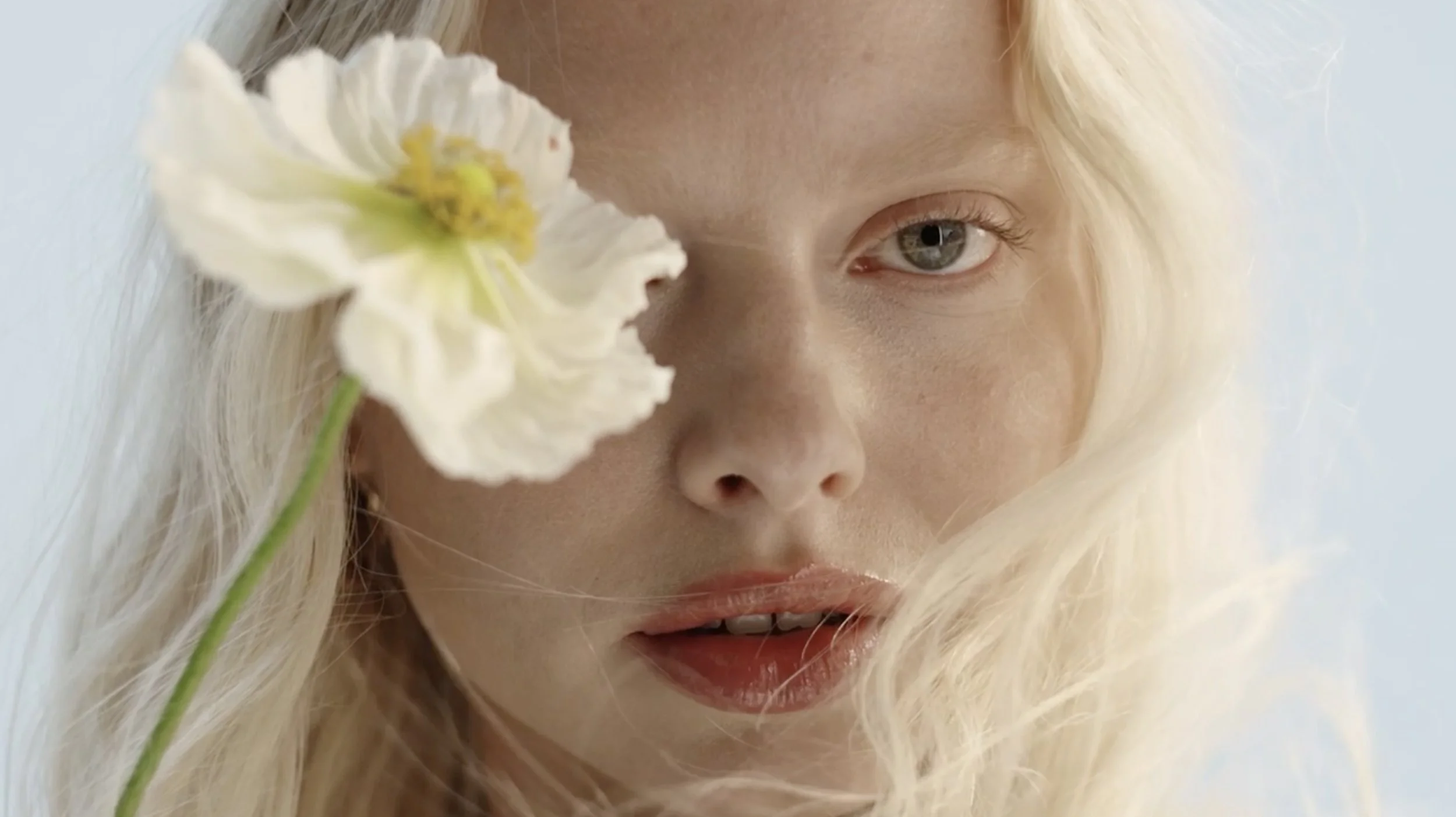
Bellami, the world's leading hair extension brand, just launched its first global platform with a campaign that refuses to play by category rules. "Beautiful Extensions of You," developed with Fred & Farid, reframes extensions from add-on to identity, from enhancement to authentic expression of self. The context matters: the hair extensions market is projected to reach $10.78B (Fortune Business Insights) by 2032, but this work reaches beyond growth metrics. It's about giving both stylists and clients a shared, modern language for what extensions make possible.
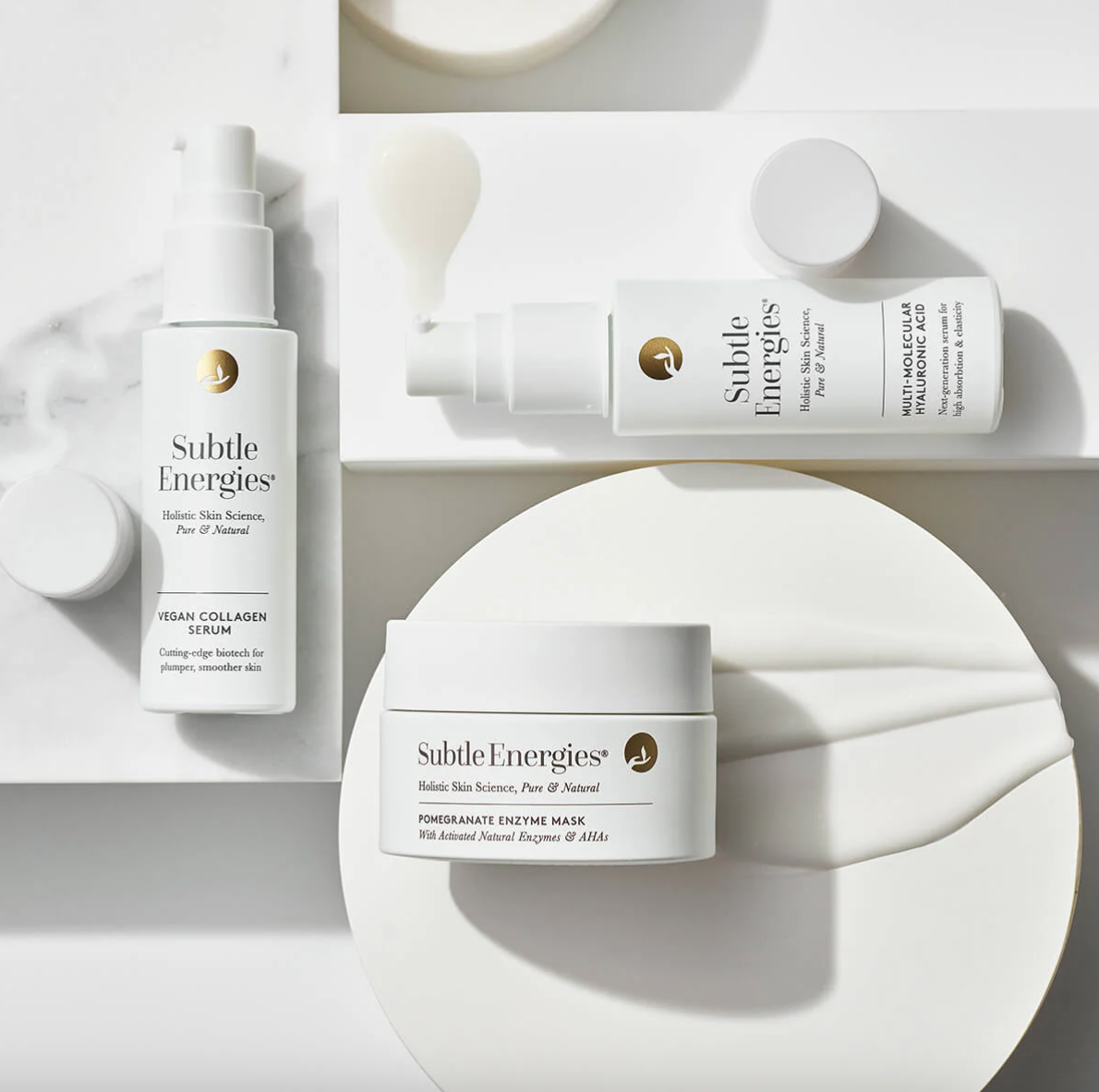
omething quietly revolutionary unfolds when a skincare brand refuses to choose between 5,000-year-old wisdom and cutting-edge biotechnology. While the beauty industry clings to exhausted binaries ("clean" versus "clinical," "natural" versus "effective"), Subtle Energies charts an entirely different course with their Advanced Biotech Skincare Range.
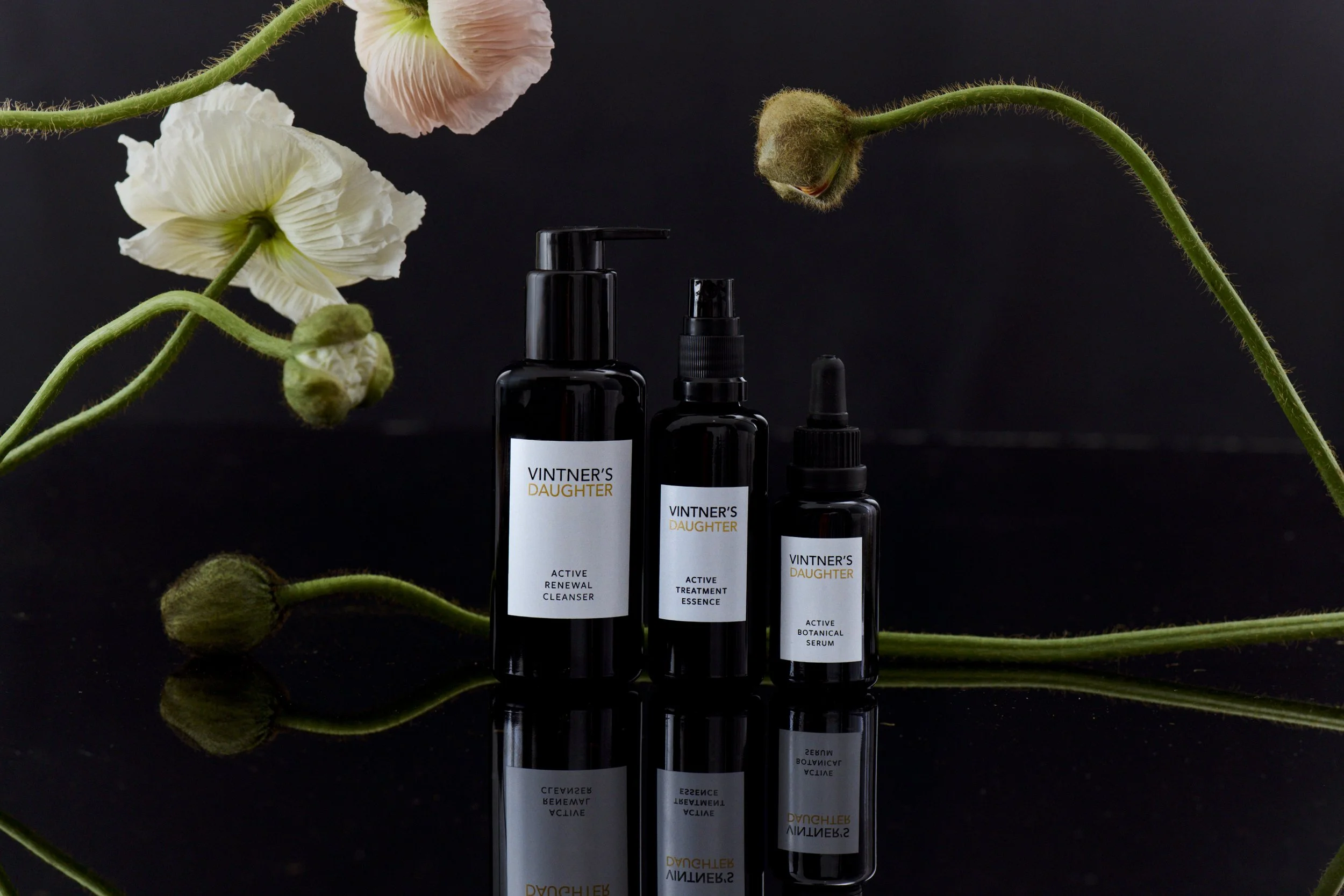
Some brands measure launches in weeks. Vintner’s Daughter measures in years. One product held the stage for a long time before a second appeared, and only much later a third. Each built through patient infusion and fermentation, each speaking the same language of coherence. In a culture of quick fixes, this kind of discipline feels almost radical. 3 formulas are enough, and behind them lies a science we’re here to decode.
Wellbeing & Mind
-
Mabel’s Functional Mushroom Rituals for Circadian Care
Mind
-
SUNLUTION: Thierry Passeron on Light, Skin, and the Future Beyond SPF
Longevity
-
Inside Adipeau: Rebuilding Skin from Its Structural Core
Longevity
Places & Escapes
-
Inside Carita’s Soin Régénérant at 11 Faubourg Saint-Honoré
Paris
-
What EstheClinic Gets Right About Body Treatments
Paris · Clinic
-

La Folie Barbizon: Where Art, Care and Forest Come Together
Retreats
Beauty Signals
-
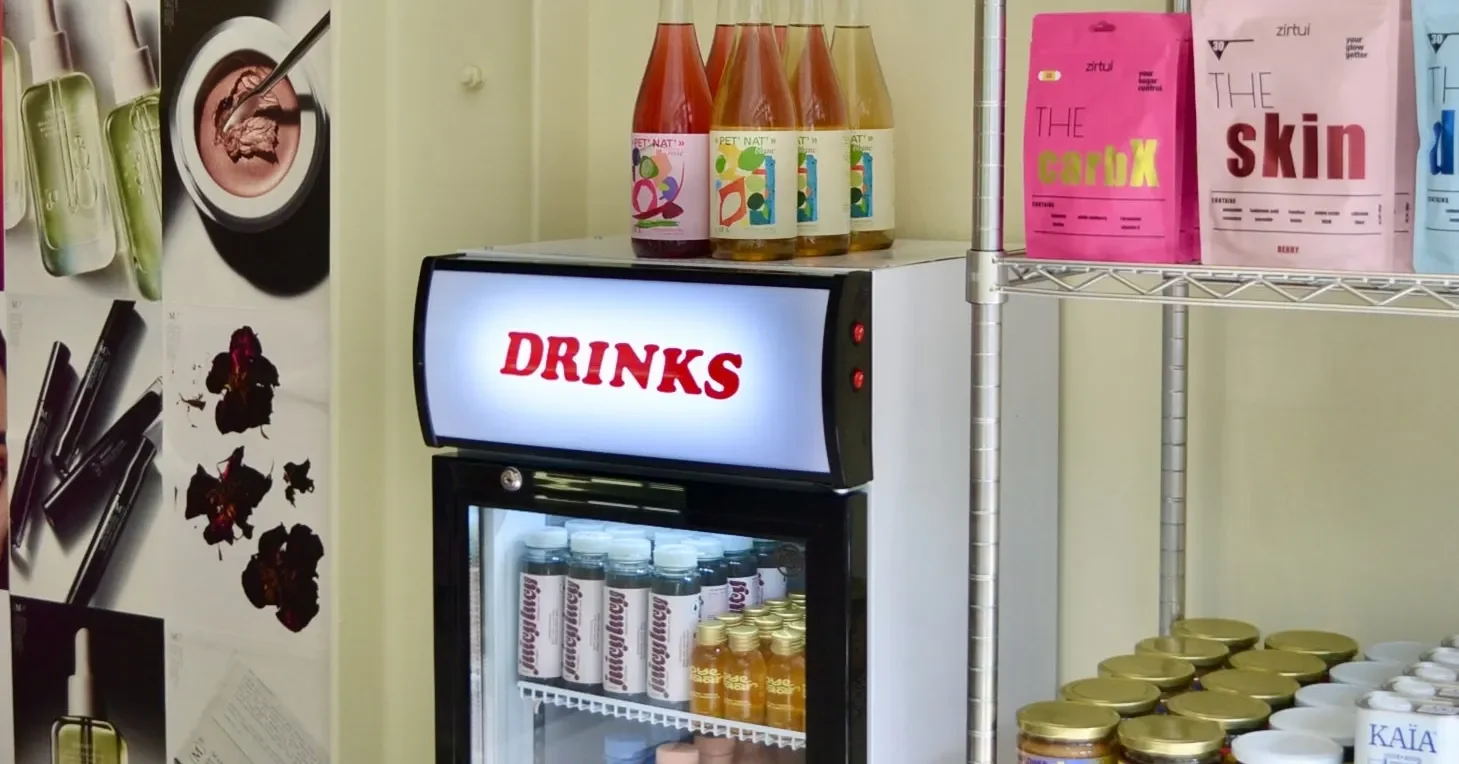
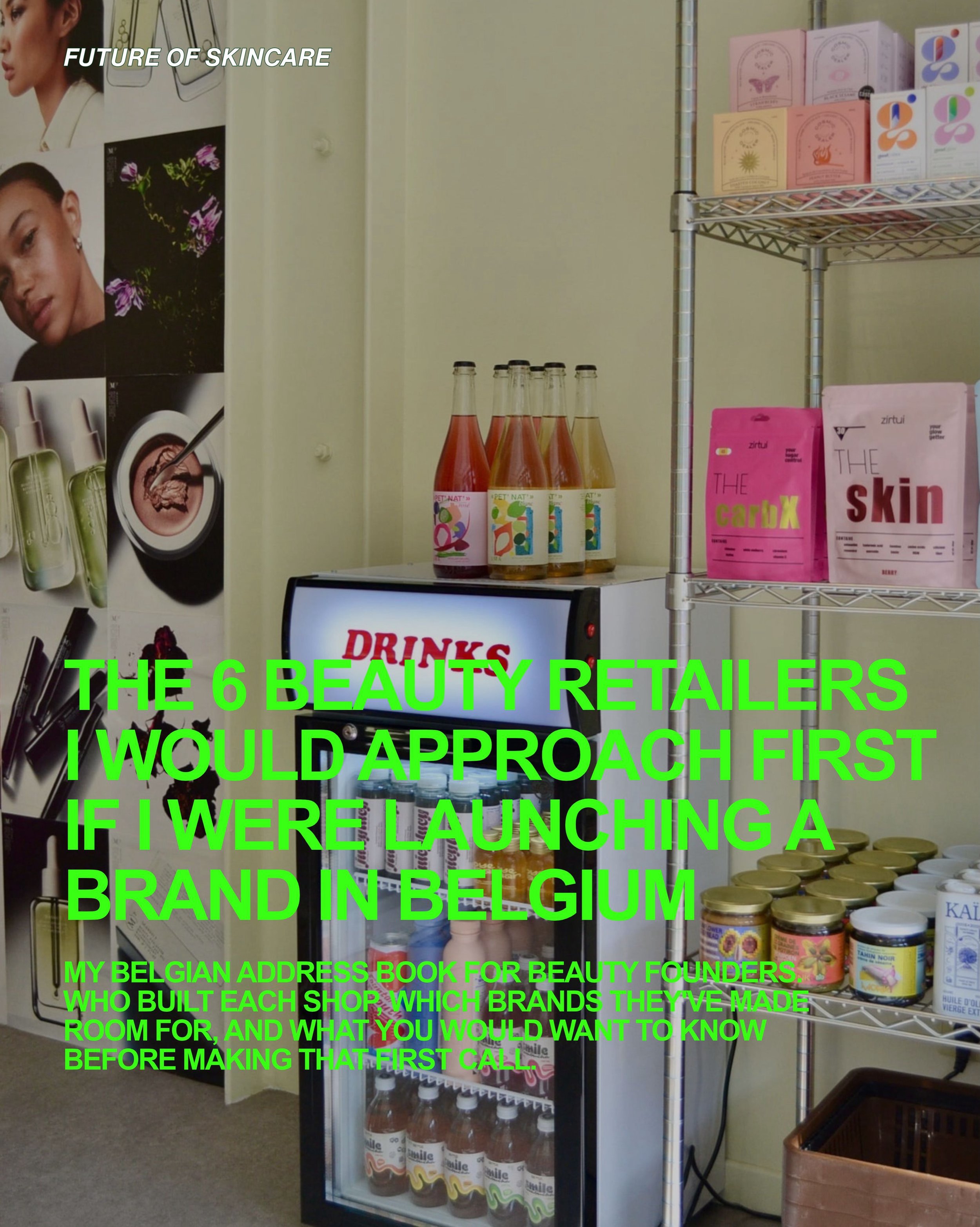
The 6 Beauty Retailers I Would Approach First If I Were Launching a Brand in Belgium
16 November 2026
-

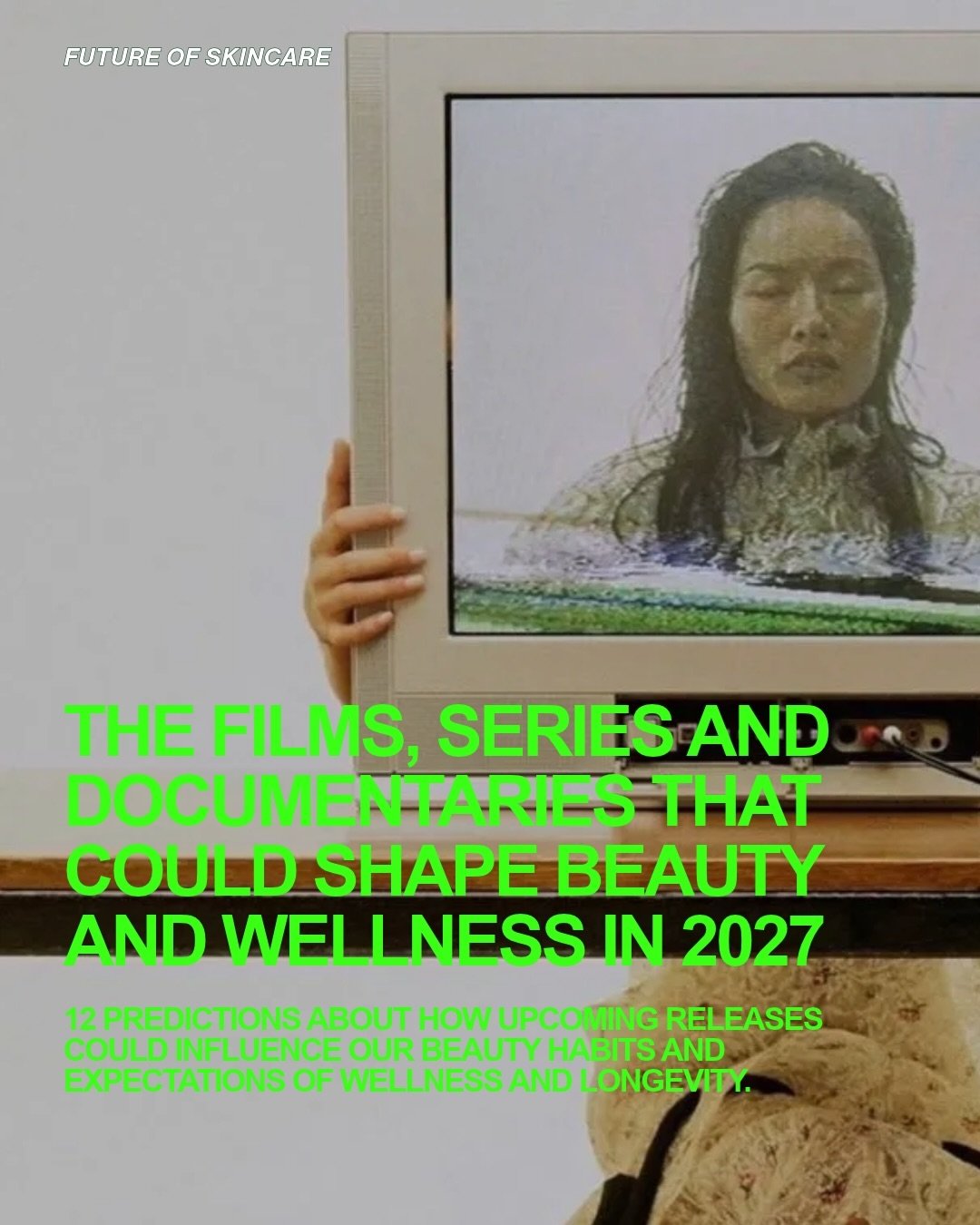
The Films, Series and Documentaries That Could Shape Beauty and Wellness in 2027
10 November 2026
-
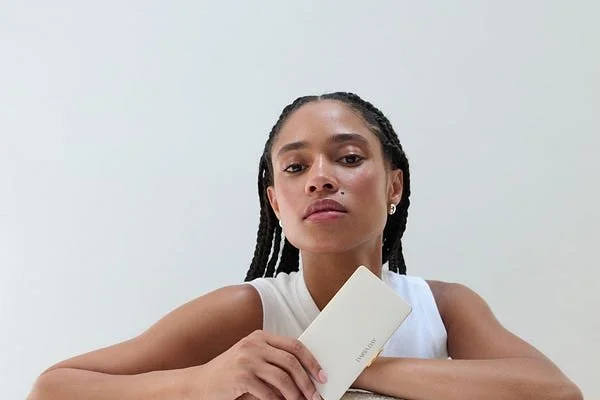
14 Beauty & Wellness Brands to Watch This November
2 November 2026
-
The FOS Letter
The latest letters from Substack: signals, behind the scenes, and what the industry isn’t saying yet.
Special Editions
-
The Powerlist
100 Brands to Watch in 2026
Our annual cartography of the founders, laboratories and quiet disruptors redrawing the beauty landscape.
Latest
-
Inside La French Beauty: How Sébastien Guerra Built a Collective for Independent Beauty Brands in Paris
The Conversation
-
The Future of Medical Aesthetics with Carrie Hershman, CEO of OVME
The Conversation
-
Dariia Day's Day Skin Palette: A Makeup Artist's New Vision of Everyday Beauty
Beauty
-
From Backstage to Biotechnology: Inside Dariia Day’s New Makeup Brand
The Conversation
-
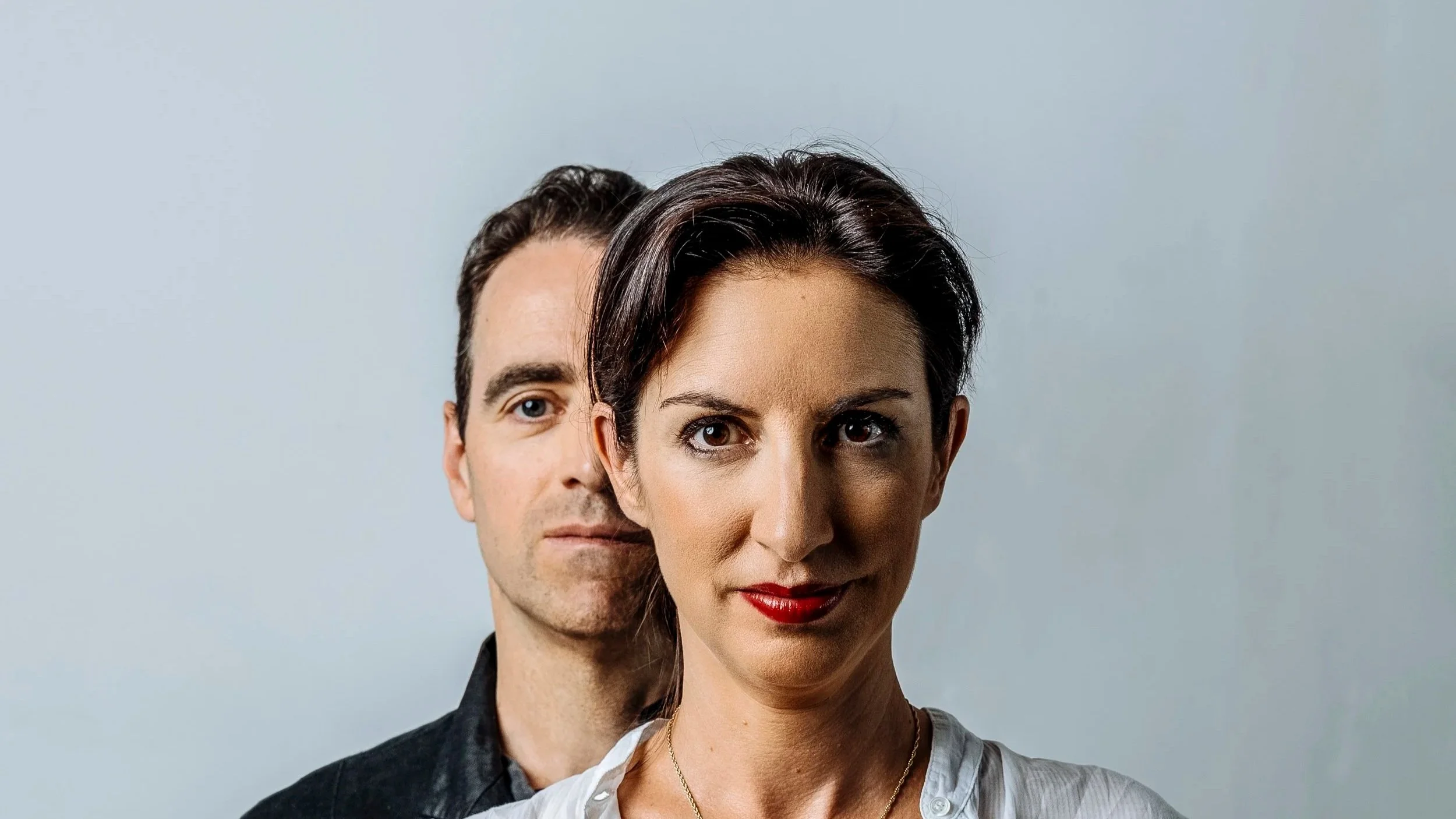
Fragrance as an Emotional Geography: A Conversation with Memo Paris Founders Clara and John Molloy
The Conversation
-
Before the Industry Had Words: Pascale Brousse (Trend Sourcing) on Clean Beauty, Longevity, and Resilient Care
The Conversation